Agriculture
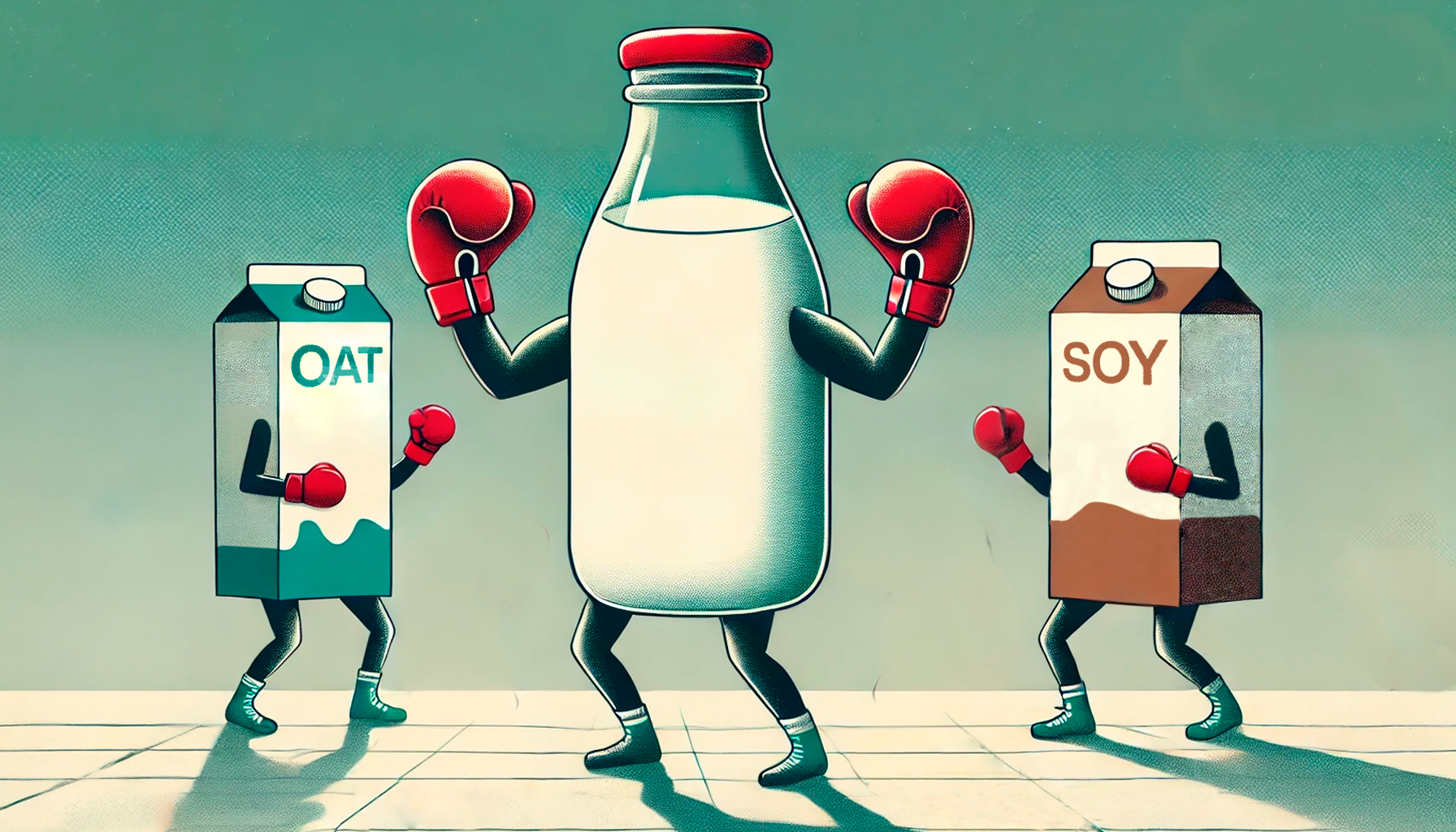
Milk Is Coming Back - Why Consumers Are Rethinking Oat and Almond Drinks
By EuroAsia.News · · 13:02 · 3 min read
Today’s Edition —
View full issueBy EuroAsia.News · · 13:02 · 3 min read
By EuroAsia.News · · 2 min read
By EuroAsia.News · · 3 min read
By EuroAsia.News · · 3 min read
By EuroAsia.News · · 6 min read
15 Sep
15 Sep
14 Sep
13 Sep
13 Sep
13 Sep
By EuroAsia.News · · 19:22 · 3 min read
By EuroAsia.News · · 19:02 · 3 min read
By EuroAsia.News · · 00:00 · 2 min read
By EuroAsia.News · · 12:35 · 2 min read

By EuroAsia.News · · 12:09 · 3 min read
By EuroAsia.News · · 00:00 · 6 min read
By EuroAsia.News · · 10:33 · 3 min read
By EuroAsia.News · · 00:00 · 4 min read
By EuroAsia.News · · 00:00 · 2 min read
By EuroAsia.News · · 00:00 · 2 min read
Our signature vertical
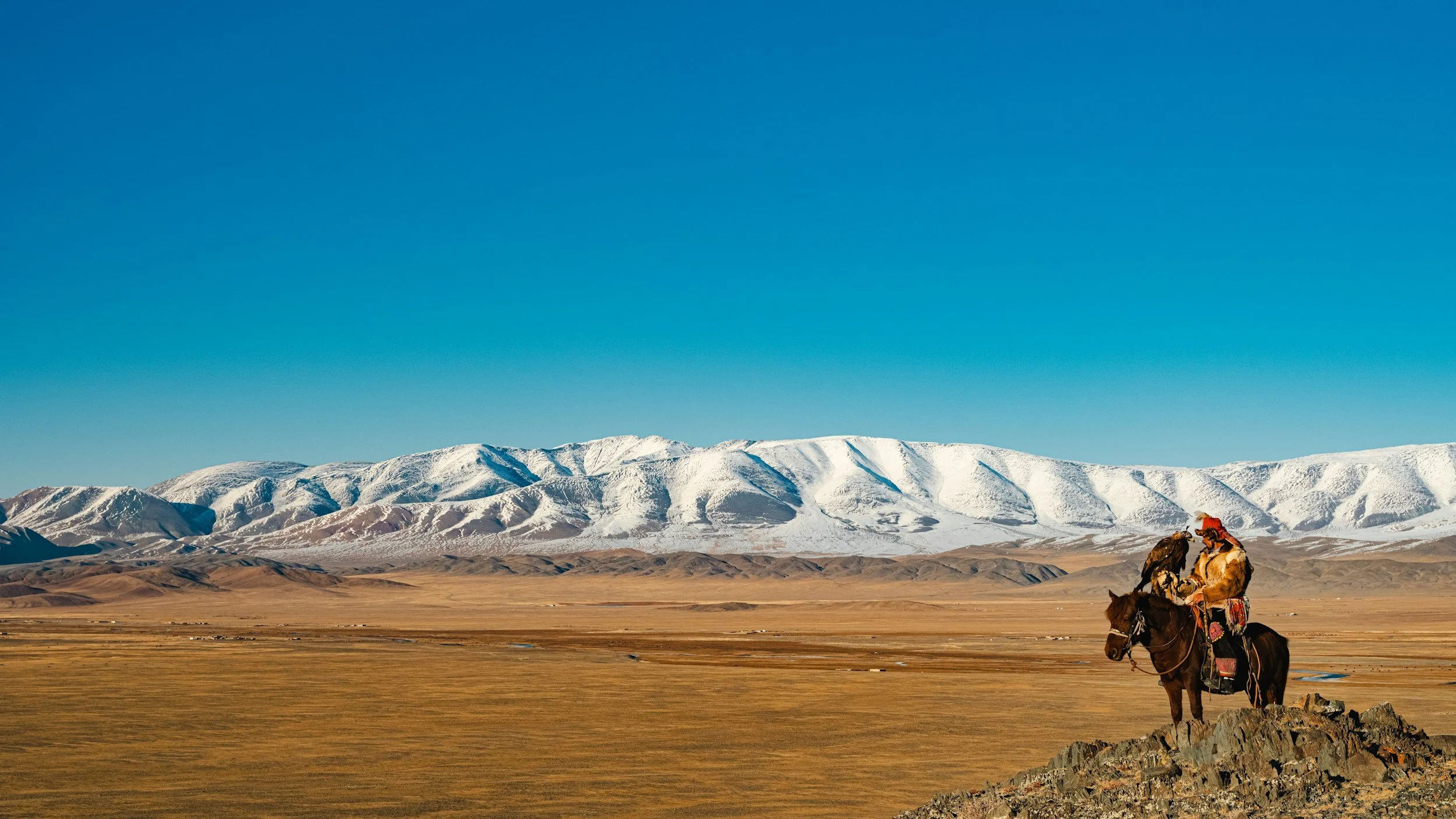
For decades Mongolia’s geography seemed a disadvantage. With no seaport and only Russia and China as neighbours, the country depended on a few border crossings to reach world markets. Ulaanbaatar is now trying to turn that geography into an asset, positioning Mongolia as a transport, logistics, energy and processing bridge between Northeast Asia, Central Asia and Europe.
By EuroAsia.News · · 2 min read
The 2026 Eastern Economic Forum ended in Vladivostok with hundreds of agreements, new transport and industrial projects and another expansion of Russia's economic relationship with Asia. Yet behind the headline contracts is a broader transformation: after more than a decade of preferential investment regimes, subsidised housing and even free land, the Russian Far East is beginning to look very different from the region that entered the first EEF in 2015.
By EuroAsia.News · · 4 min read
At the Eastern Economic Forum in Vladivostok, Russian-Chinese cooperation is moving from declarations to the consumer’s screen. The Russian Export Center (REC) is using the 2026 forum to stage its first “Made in Russia” online festival there, linking Russian producers with Chinese marketplaces, livestream hosts and millions of buyers. Around 100 applications came from makers of food, drinks, cosmetics, toys and souvenirs.
By EuroAsia.News · · 2 min read
The Shanghai Cooperation Organisation and the G7 represent two very different concentrations of global power. The G7 remains substantially richer in nominal dollar terms and dominates international finance, while the SCO contains more than four times as many people, enormous energy and mineral resources and — measured by purchasing power — an economy that is already larger. The comparison shows why the economic centre of gravity is steadily shifting toward Eurasia.
By EuroAsia.News · · 4 min read
The Shanghai Cooperation Organisation marks its 25th anniversary at its summit in Bishkek with China, Russia, India and the major powers of Central Asia around the same table. What began in 2001 as a security organisation of six states has developed into a Eurasian grouping representing more than 3.4 billion people, around a quarter of the global economy and some of the world's largest reserves of energy and strategic minerals. The central question for its next 25 years is whether that enormous potential can be converted into deeper economic integration.
By EuroAsia.News · · 4 min read
A plan to secure Venezuelan crude and diversify Poland away from Russian oil turned into a remarkable trading failure for energy group Orlen.
By EuroAsia.News · · 2 min read
By EuroAsia.News · · 3 min read
By EuroAsia.News · · 3 min read
By EuroAsia.News · · 2 min read
Europe's break with Russian energy was presented as a question of strategic independence. Politically, the argument was straightforward: an economy should not depend heavily on a geopolitical adversary for its fuel.
By EuroAsia.News · · 4 min read
By EuroAsia.News · · 2 min read
By EuroAsia.News · · 4 min read
By EuroAsia.News · · 3 min read
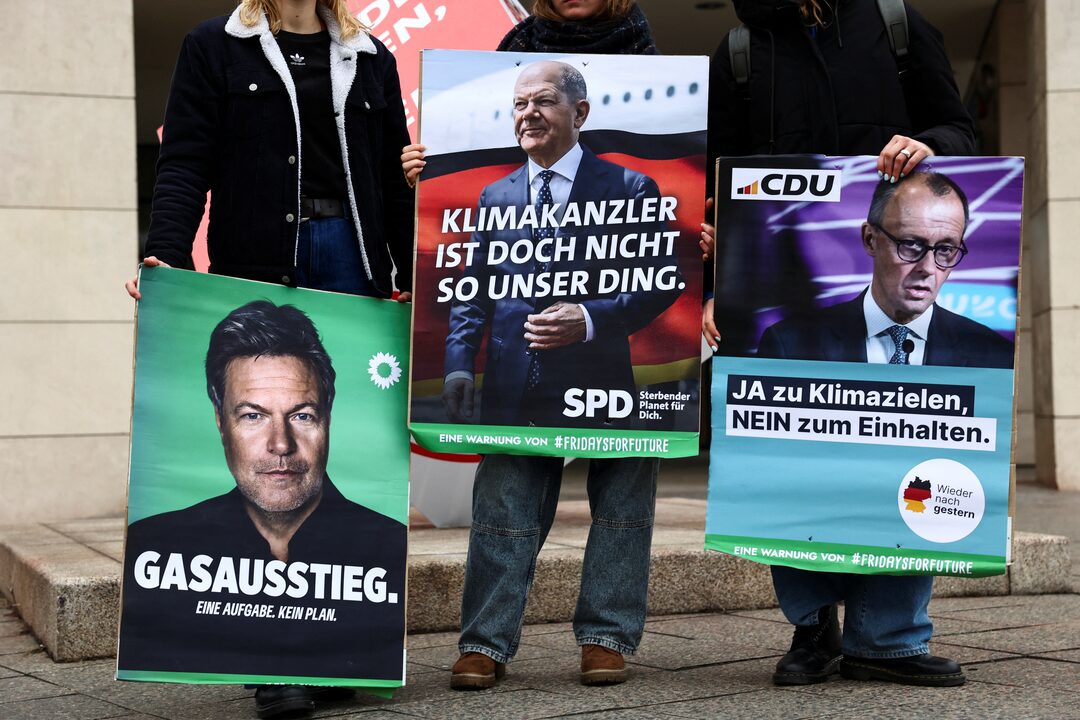
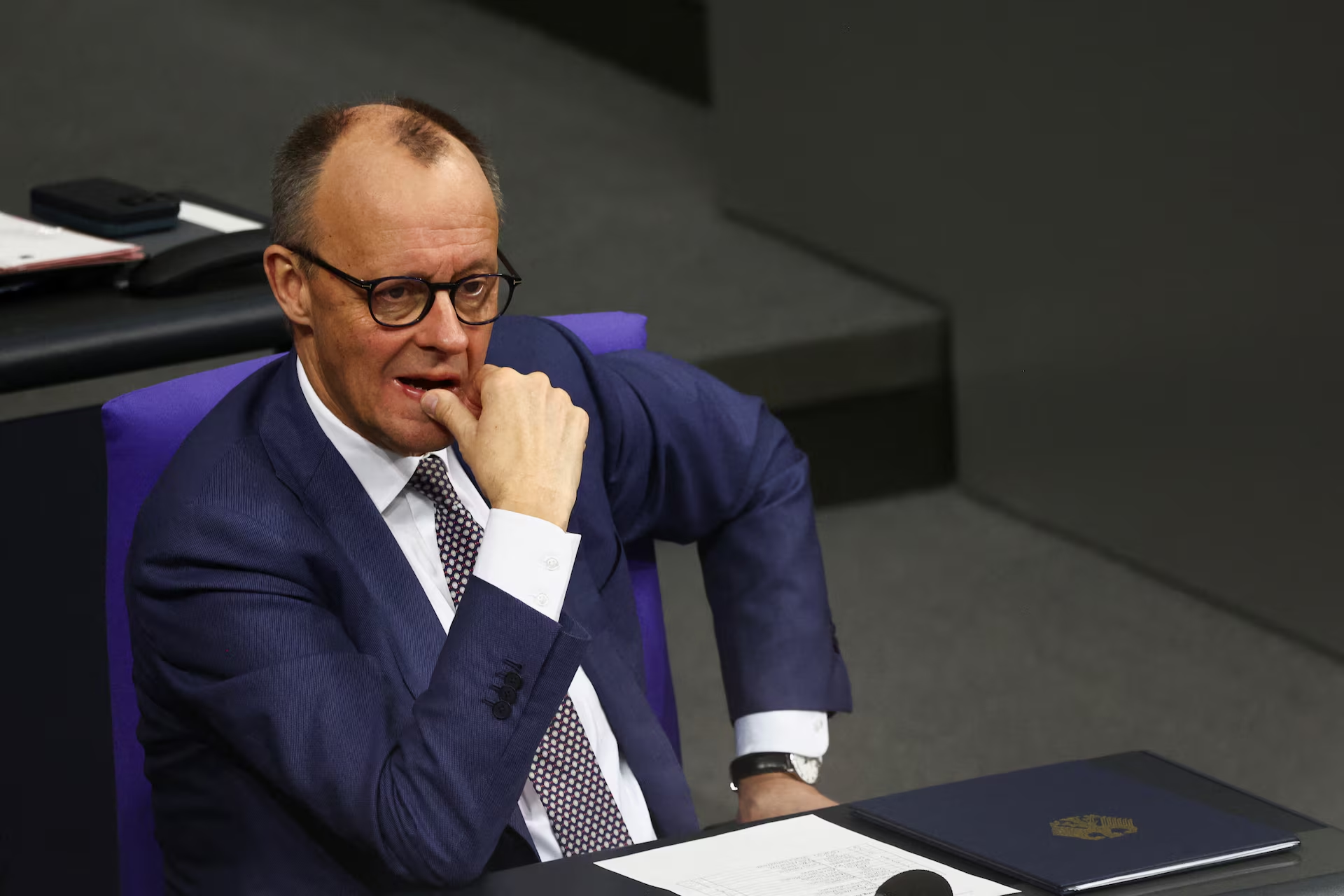
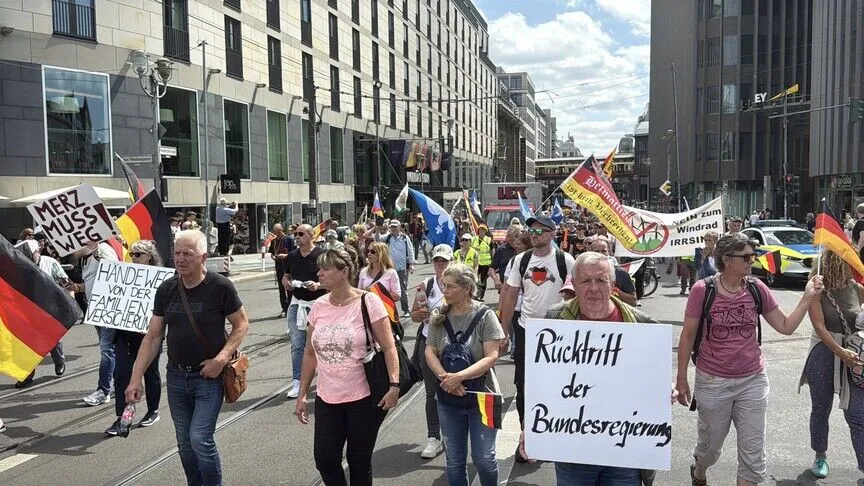
Friedrich Merz’s CDU is facing a result that would have been almost unimaginable only a few years ago: around 6–7% of the vote.
By EuroAsia.News · · 3 min read
By EuroAsia.News · · 2 min read
By EuroAsia.News · · 3 min read
By EuroAsia.News · · 4 min read
India is changing one of the most successful digital-payment models in the world.
By EuroAsia.News · · 3 min read
By EuroAsia.News · · 4 min read
By EuroAsia.News · · 4 min read
By EuroAsia.News · · 3 min read
By EuroAsia.News · · 3 min read
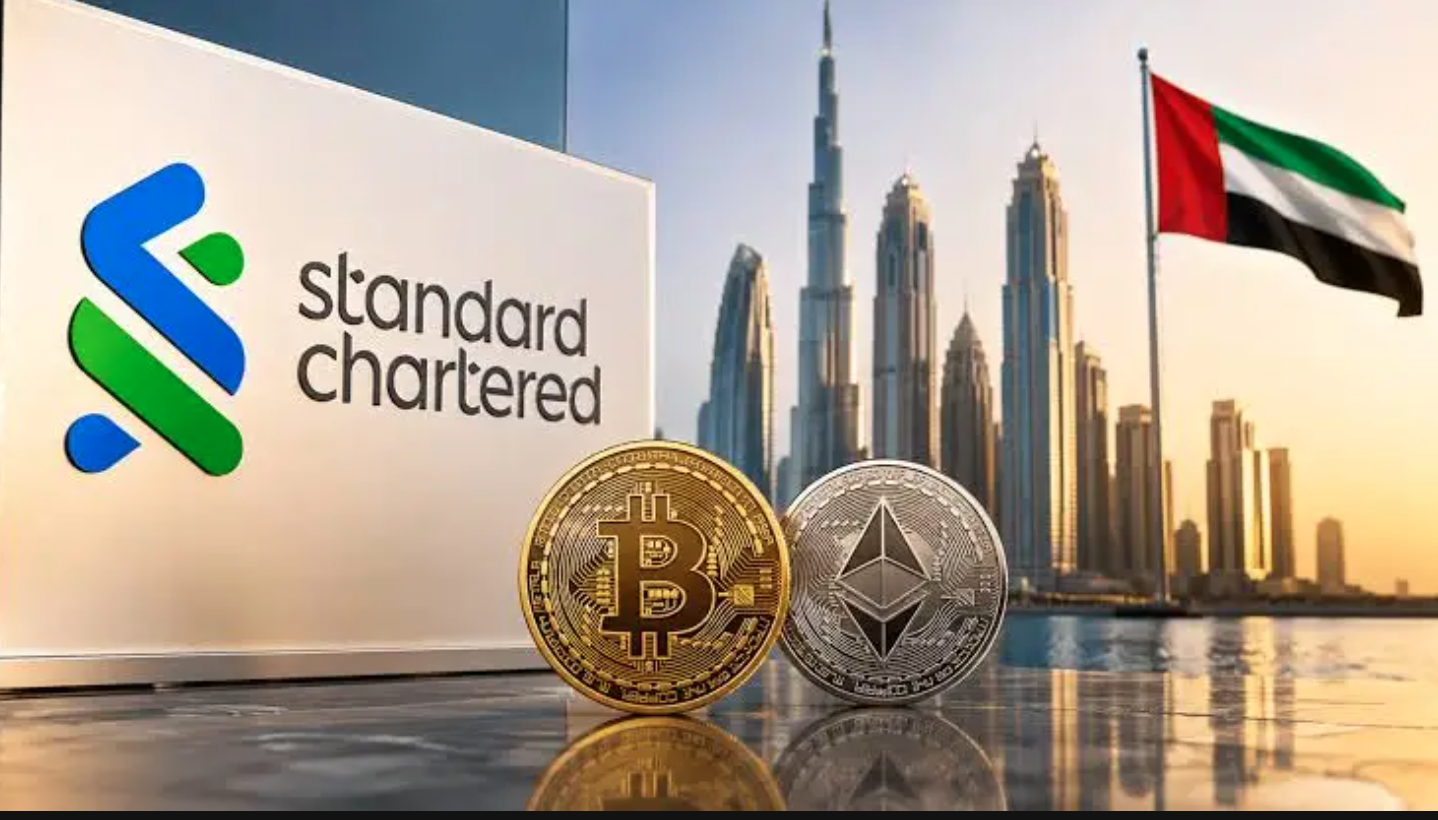
Is traditional banking really embracing crypto — or have the banks simply decided that if trillions of dollars are going to move through digital assets, they want their share of the business?
By EuroAsia.News · · 4 min read
By EuroAsia.News · · 4 min read
By EuroAsia.News · · 3 min read

Newsletter
A weekly summary of the reports that matters across Europe, Eurasia and the wider world. Delivered every Saturday morning.
A plan to secure Venezuelan crude and diversify Poland away from Russian oil turned into a remarkable trading failure for energy group Orlen.
By EuroAsia.News · · 2 min read
By EuroAsia.News · · 2 min read
By EuroAsia.News · · 3 min read
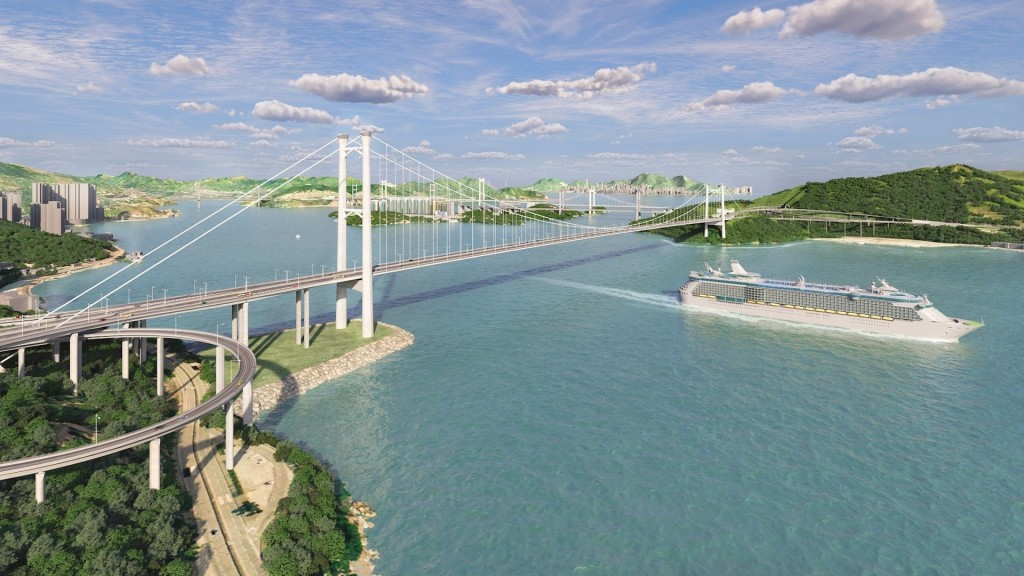
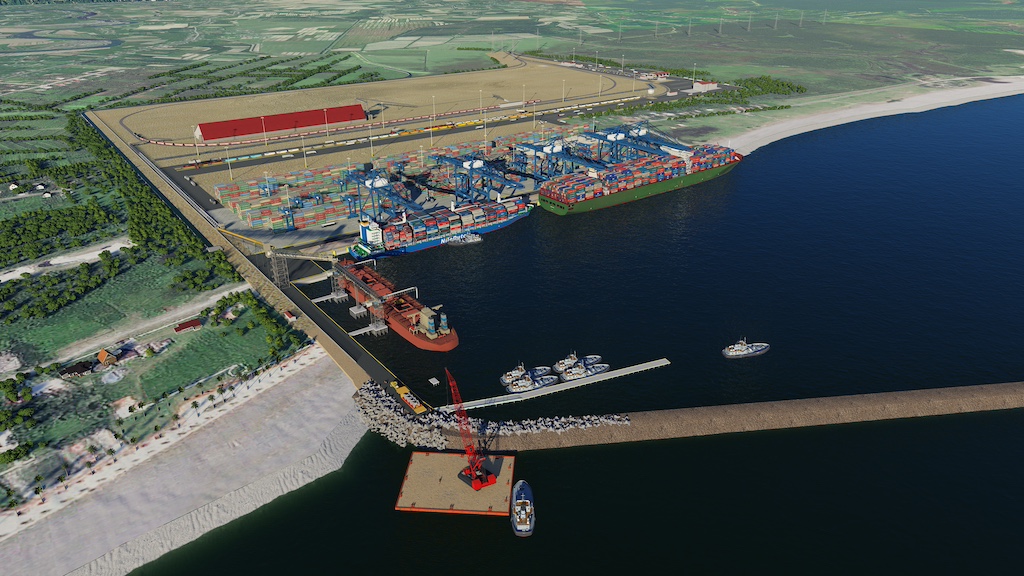
Hong Kong Revives a Megaproject After Two Decades
By EuroAsia.News Editorial · · 3 min read
For much of the 2010s, cow’s milk looked like a product from another era. Almond, oat and soy drinks moved from health-food shops into supermarkets and coffee chains, marketed as modern, sustainable and healthier. But the direction of travel is changing.
By EuroAsia.News · · 3 min read
By EuroAsia.News · · 4 min read
By EuroAsia.News · · 4 min read
By EuroAsia.News · · 5 min read
By EuroAsia.News Climate Desk · · 2 min read
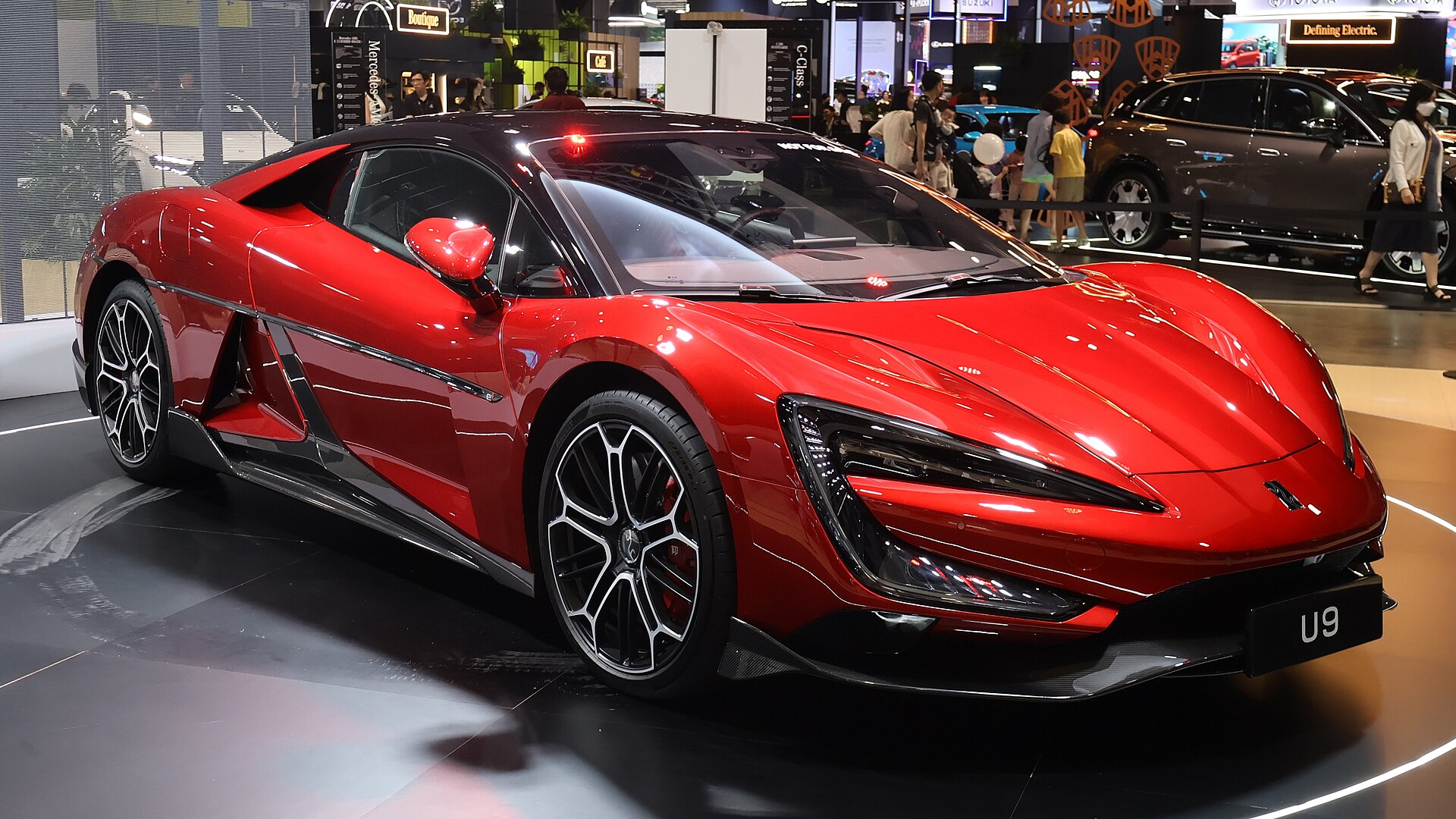
The first half of our look at China’s 2027 automotive offensive showed how MG and Xiaomi are moving directly into some of Europe’s most important mass-market and premium segments. But the second group of cars reveals something potentially even more disruptive: Chinese manufacturers are no longer restricting their ambitions to affordable electric vehicles. They are moving into territory traditionally dominated by Europe’s most prestigious brands. Part II
By EuroAsia.News · · 3 min read
By EuroAsia.News · · 3 min read
By EuroAsia.News · · 5 min read
By EuroAsia.News · · 3 min read
By EuroAsia.News · · 4 min read
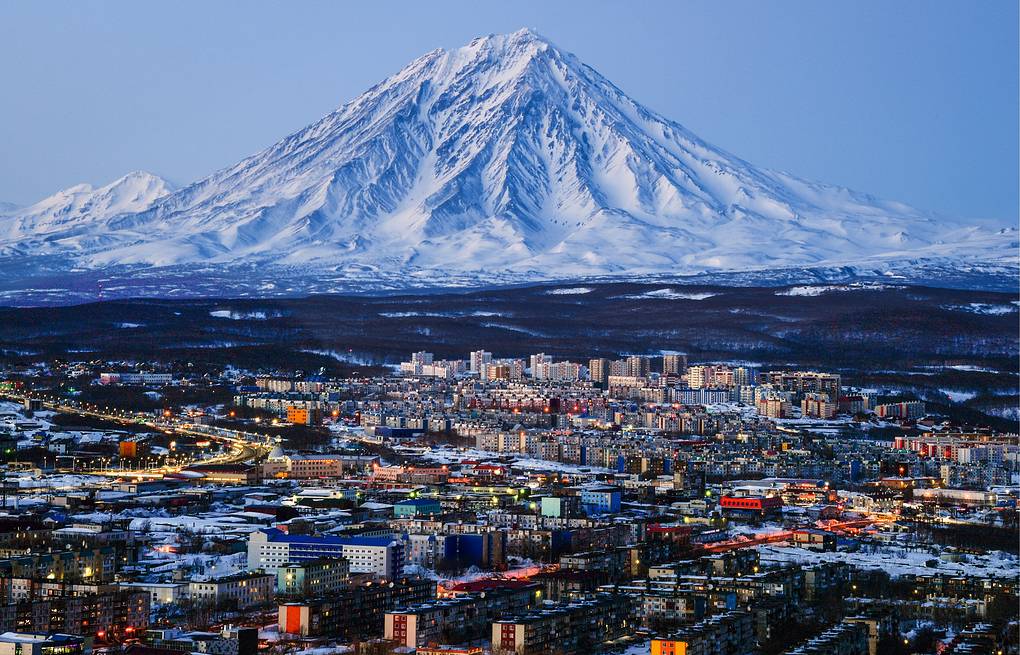
The Russian Far East is a continent-sized world. Administratively it is the Far Eastern Federal District, comprising 11 territories from Buryatia and Zabaykalsky Krai to Yakutia, Chukotka, Kamchatka, Sakhalin and Primorye. Together they cover 6.95 million square kilometers—40.6% of Russia. That is about 71% of the entire United States, and more than one and a half times the European Union.
By EuroAsia.News · · 3 min read
By EuroAsia.News · · 2 min read
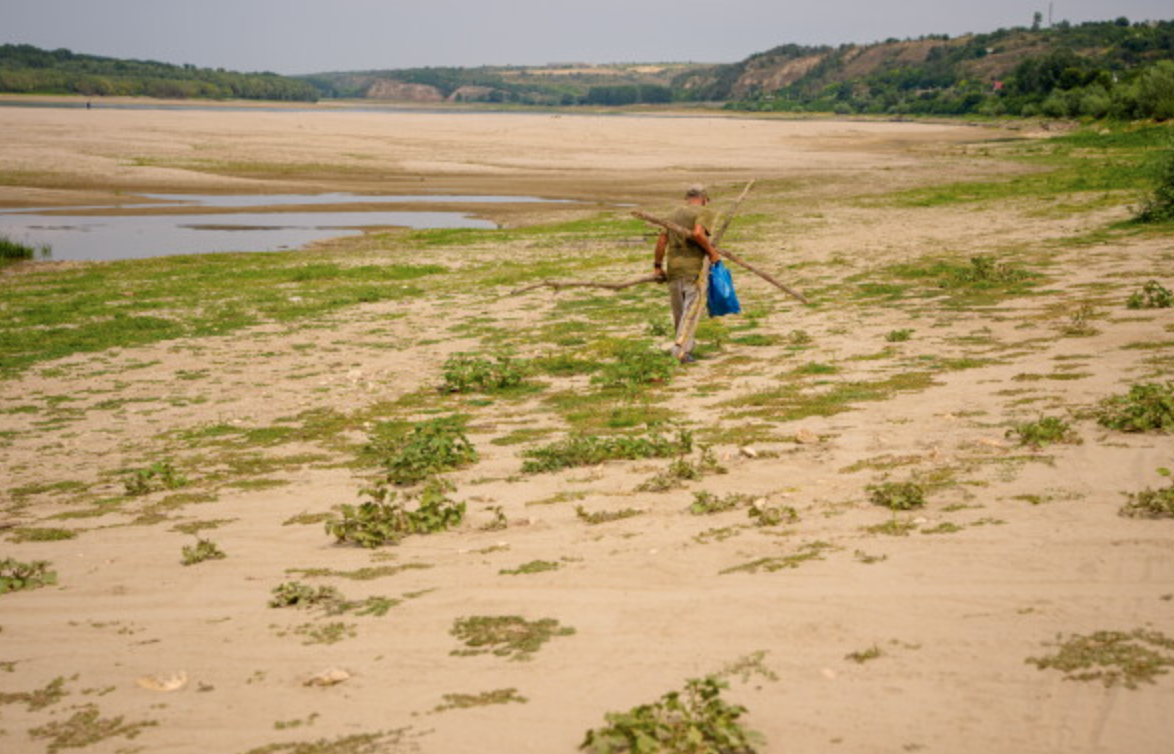
Europe cannot prevent meteorological drought. What governments can do is prevent drought from becoming an agricultural, industrial or drinking-water crisis. After repeated dry summers, that distinction is driving a fundamental change in water policy from Spain to Hungary.
By EuroAsia.News · · 4 min read
By EuroAsia.News · · 3 min read
By EuroAsia.News · · 4 min read
By EuroAsia.News · · 3 min read
By EuroAsia.News · · 4 min read
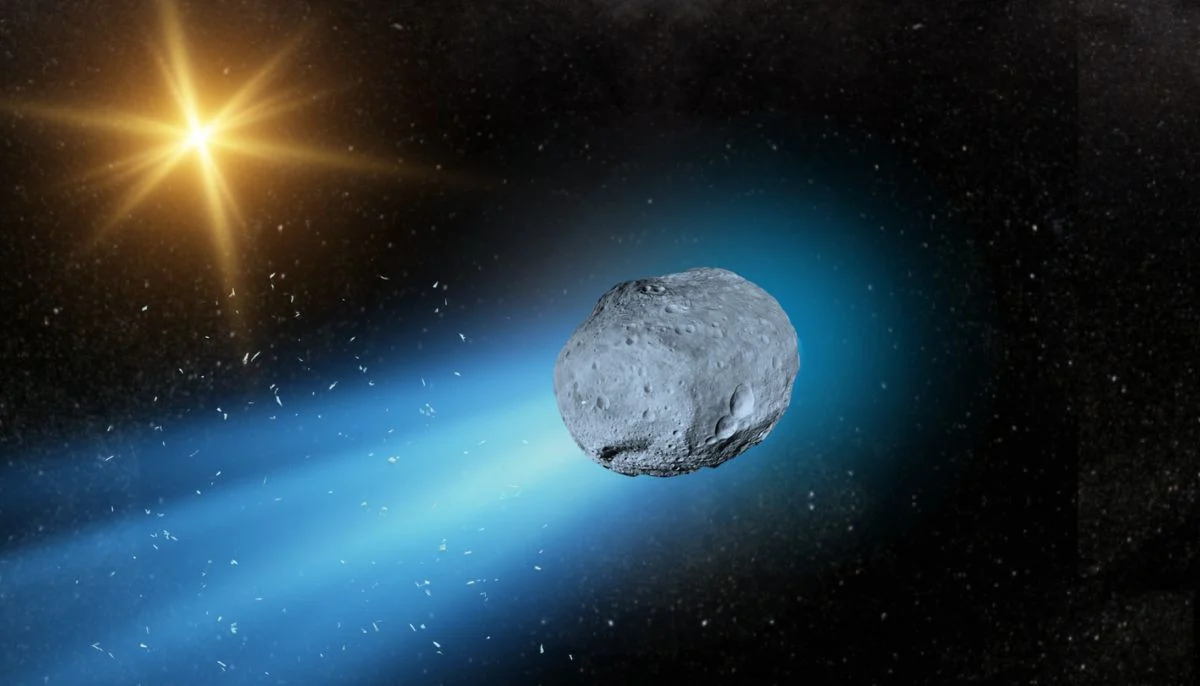
Humanity has never sent a spacecraft to another planetary system. Yet occasionally nature does the reverse. Interstellar comet 3I/ATLAS has travelled into our Solar System carrying material formed around another star — and astronomers have discovered that its chemistry is unlike almost anything seen among our own comets.
By EuroAsia.News · · 3 min read
By EuroAsia.News · · 6 min read
By EuroAsia.News · · 4 min read
By EuroAsia.News Editorial · · 2 min read
By EuroAsia.News · · 2 min read
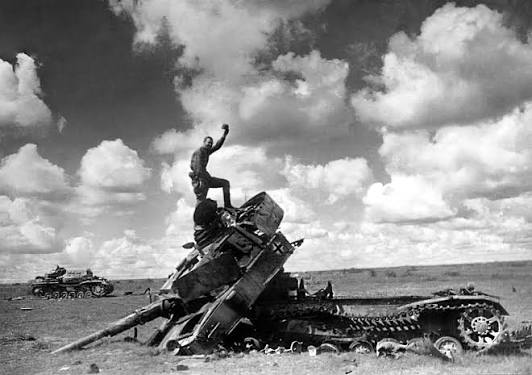
From July 5 to August 23, 1943, over 4 million soldiers, 13,200 tanks, and 12,000 aircraft clashed across the Russian steppe in a battle that would mark the final, irreversible collapse of German offensive power on the Eastern Front—and arguably the largest and most consequential military engagement in human history.
By EuroAsia.News · · 4 min read
By EuroAsia.News · · 5 min read
By EuroAsia.News · · 1 min read
The Russian Far East is a continent-sized world. Administratively it is the Far Eastern Federal District, comprising 11 territories from Buryatia and Zabaykalsky Krai to Yakutia, Chukotka, Kamchatka, Sakhalin and Primorye. Together they cover 6.95 million square kilometers—40.6% of Russia. That is about 71% of the entire United States, and more than one and a half times the European Union.
By EuroAsia.News · · 3 min read
Newsletter
A weekly summary of the reports that matters across Europe, Eurasia and the wider world. Delivered every Saturday morning.
Today’s edition: 19 September 2026 · 123 stories in the archive