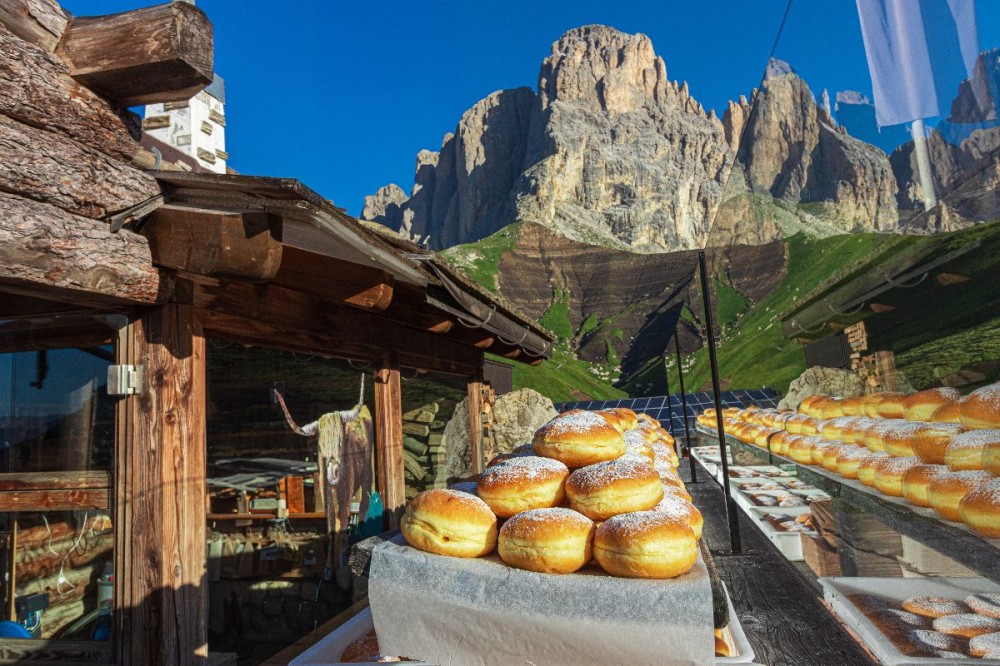
A mountain refuge at 2,300 metres in Italy’s Dolomites has become the latest example of how social-media algorithms can transform a quiet destination into an overnight tourism hotspot. The attraction is not a new cable car, luxury hotel or spectacular viewpoint. It is a €4 cream-filled krapfen.
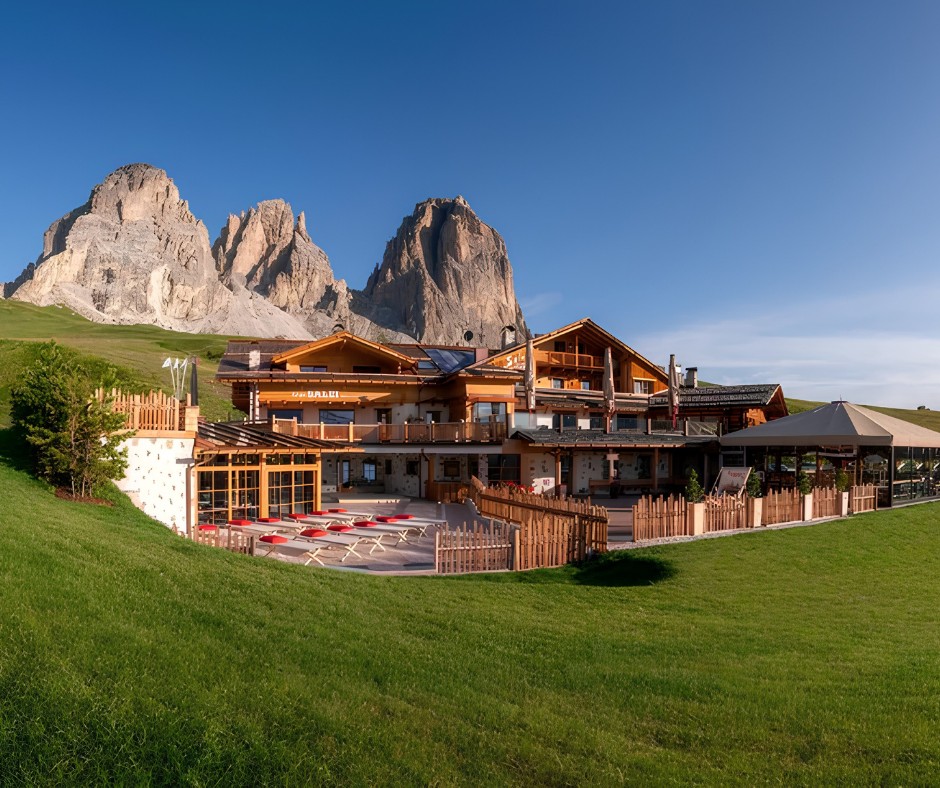
The Friedrich August refuge, located between Col Rodella and Passo Sella in Val di Fassa, has long been known to hikers for its panoramic views of the Sassolungo and Catinaccio mountains and for traditional Tyrolean and Ladin food. This summer, however, its freshly baked vanilla-cream doughnuts became a viral sensation after food influencers filmed themselves eating them against the dramatic Dolomite scenery.
Hundreds of visitors began arriving specifically for the pastry, with some reportedly waking before dawn or even camping nearby to make sure they reached the refuge before supplies ran out. Long queues formed along the narrow mountain path. Instead of discouraging visitors, photographs and videos of the queues generated even more attention online, creating a self-reinforcing cycle: crowds produced content, and the content produced more crowds.
“The result was extraordinary.”
EuroAsia.News, reporting from Rome
The phenomenon has reignited Italy’s debate over overtourism. The Dolomites are already among Europe’s best-known mountain destinations, but viral tourism creates a different challenge from traditional holiday demand. A location can suddenly receive hundreds or thousands of additional visitors with little warning because a single video, photograph or food recommendation is amplified by Instagram, TikTok or other platforms.
Italian mountain organisations have criticised what they describe as algorithm-driven tourism, arguing that some visitors increasingly travel to reproduce an image rather than experience the destination itself. The Friedrich August refuge is particularly symbolic because it sits in a landscape associated with hiking, silence and nature, yet became famous internationally because of a pastry that can be photographed and posted within seconds.
For tourism operators, viral exposure can bring valuable revenue. But it can also overwhelm parking, trails, waste systems, staff and fragile natural environments. Mountain destinations are especially vulnerable because infrastructure is limited and hiking paths cannot safely absorb unlimited numbers.
The €4 krapfen therefore represents something much larger than a food trend. Tourism used to be shaped primarily by guidebooks, travel agencies and seasonal advertising.
Today, an algorithm can redirect enormous numbers of people towards a remote destination almost instantly.
For places such as the Dolomites, the challenge is no longer simply how to attract tourists — but how to manage fame when the internet delivers too many of them at once.