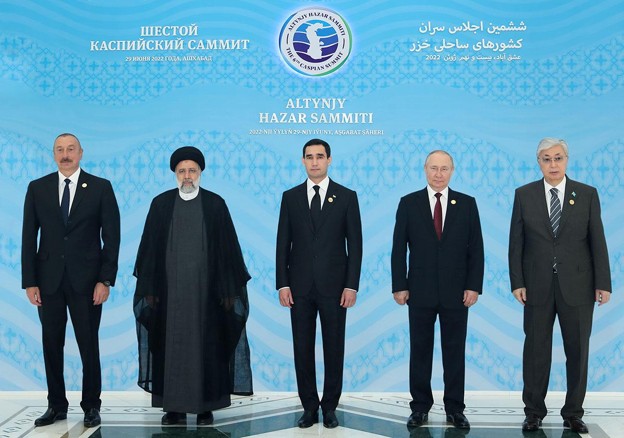
The five countries bordering the Caspian Sea have agreed to establish a permanent high-level mechanism to address one of Eurasia's most serious environmental threats: the continuing decline of the world's largest inland body of water.
Meeting on October 9, 2026, in Avaza, Turkmenistan, the presidents of Azerbaijan, Iran, Kazakhstan, Russia and Turkmenistan adopted a joint decision establishing an intergovernmental commission to investigate the causes of falling water levels and coordinate practical responses.
Hosted by Turkmen President Serdar Berdimuhamedov, the summit brought together Ilham Aliyev, Masoud Pezeshkian, Kassym-Jomart Tokayev and Vladimir Putin.
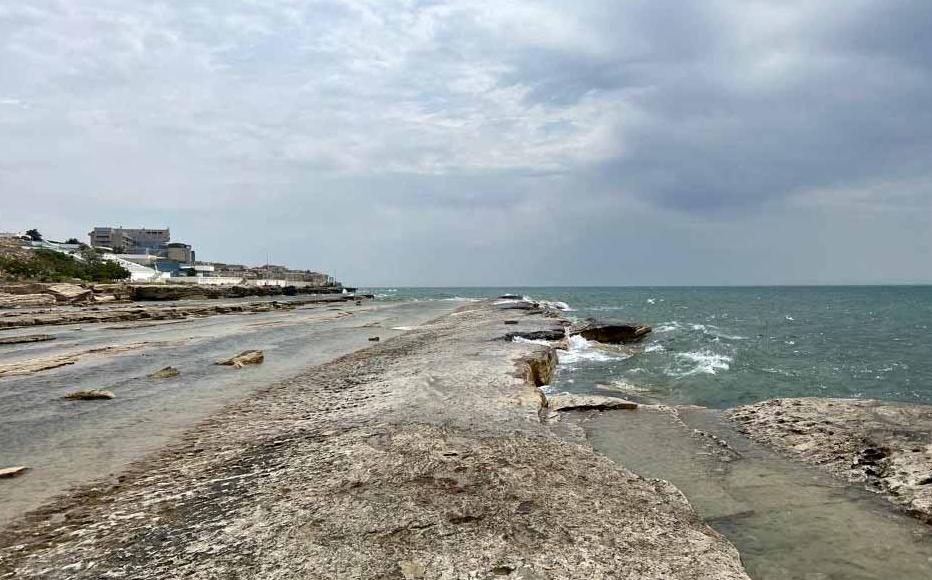
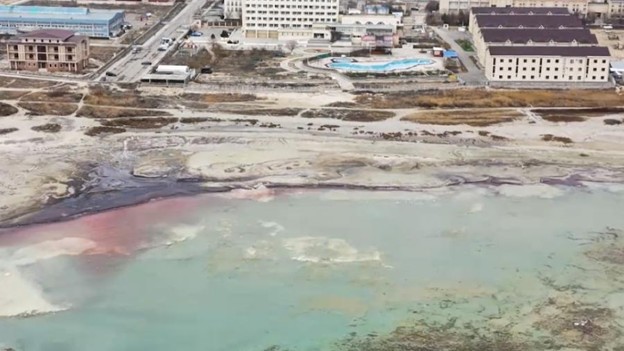
Between 2000 and 2025, the Caspian lost more than 16,000 square kilometres of surface area, according to data he cited.
The ecological consequences are already visible. Caspian seal numbers have reportedly fallen from approximately one million to 270,000 over the past century. Retreating shorelines threaten fisheries, ports, shipping routes, oil infrastructure and coastal communities.
“A sea disappearing at an alarming rate Kazakhstan's President Tokayev presented figures illustrating the scale of the crisis.”
EuroAsia.News, reporting from Avaza
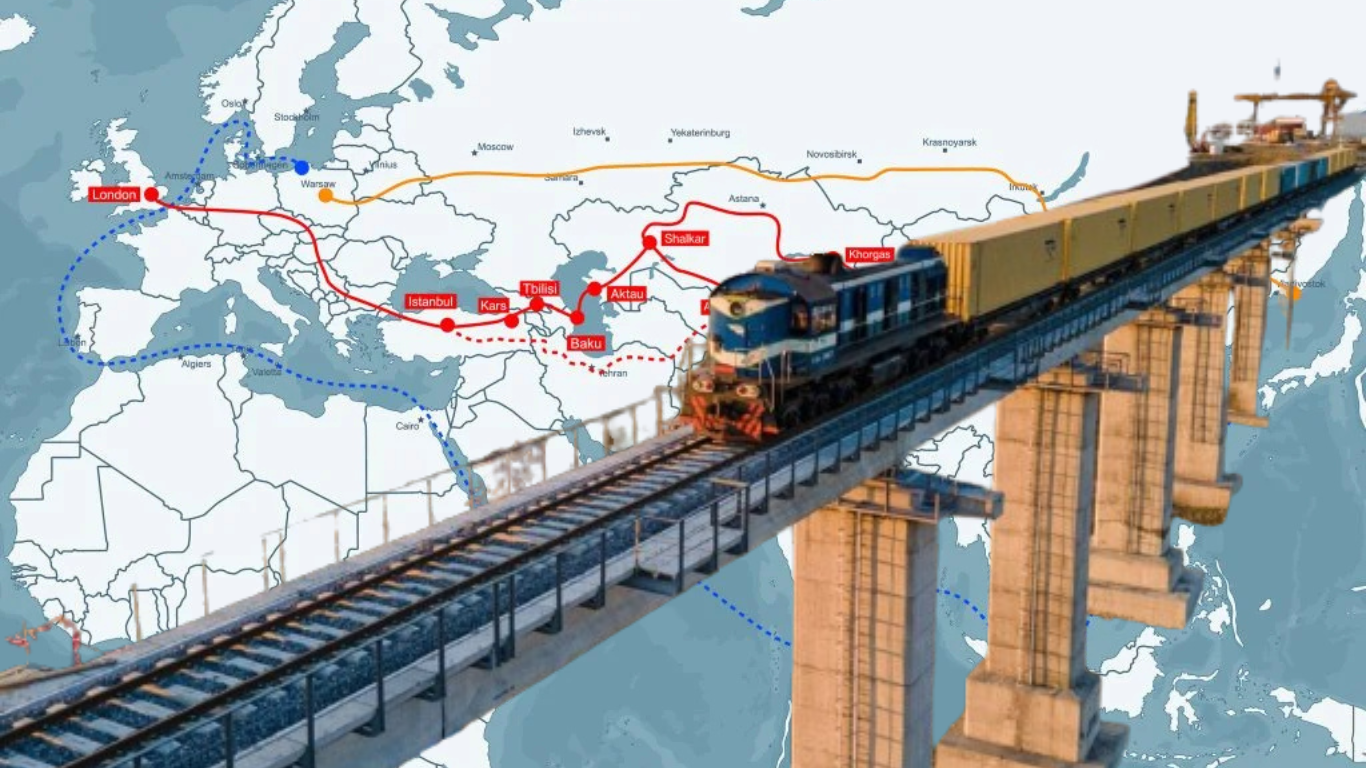
The Caspian is also central to the Middle Corridor trade route connecting China and Central Asia with Azerbaijan, Georgia and Europe. Falling water levels increase operational difficulties for ports and cargo vessels, potentially raising transportation costs.
What the five governments agreed
The summit's principal concrete achievement was the creation of a five-country commission involving deputy prime ministers from Azerbaijan, Kazakhstan and Turkmenistan and senior representatives from Iran and Russia.
Its mandate covers identifying the causes of sea-level decline, preparing coordinated countermeasures and establishing specialist working groups.
Each government must appoint representatives within three months. The commission's inaugural meeting will take place in Azerbaijan during the first half of 2027, followed by rotating meetings among member countries.
The agreement creates an institutional framework, although no binding restoration targets, common budget or implementation timetable for engineering projects were announced.
Kazakhstan proposes a digital monitoring system
Tokayev called for a shared digital platform integrating satellite observations, artificial intelligence and hydrological measurements.
The proposed system would monitor river inflows, shoreline movements, pollution and biodiversity, helping governments anticipate environmental risks.
Kazakhstan also promoted an international biodiversity fund, coordinated restoration of river deltas and wetlands, and stronger action against illegal fishing.
An interstate programme to conserve Caspian water resources received political support, but financing and operational arrangements remain to be developed.
Climate change or human activity?
Important differences remain over the causes of the crisis.
Putin emphasized climate change, rising temperatures and altered precipitation patterns as the principal drivers. Aliyev argued that reduced river inflows and human economic activities must also receive greater attention.
The Volga River, which supplies most of the Caspian's incoming water, is particularly important. Water withdrawals, reservoir management and changing rainfall patterns complicate attempts to stabilize the sea.
These competing explanations make independent scientific monitoring essential.
What happens next?
The immediate priorities are appointing commission members, developing common environmental data and preparing the first meeting in Azerbaijan in 2027.
Longer-term proposals include restoring wetlands, protecting endangered species, improving river-basin management and mobilizing international climate finance.
The United Nations Development Programme also convened a separate high-level dialogue in Aktau on October 5, addressing biodiversity, pollution, water balance and opportunities for international cooperation.
The Caspian summit represents a diplomatic breakthrough in coordinating environmental policy across five countries with different economic and geopolitical interests. Its ultimate significance, however, will depend on whether the new commission can translate political commitments into funded projects, measurable results and effective cross-border water management.
For Eurasia, the stakes extend well beyond ecology. The future of the Caspian Sea will influence regional trade, energy infrastructure, food security and the livelihoods of millions.