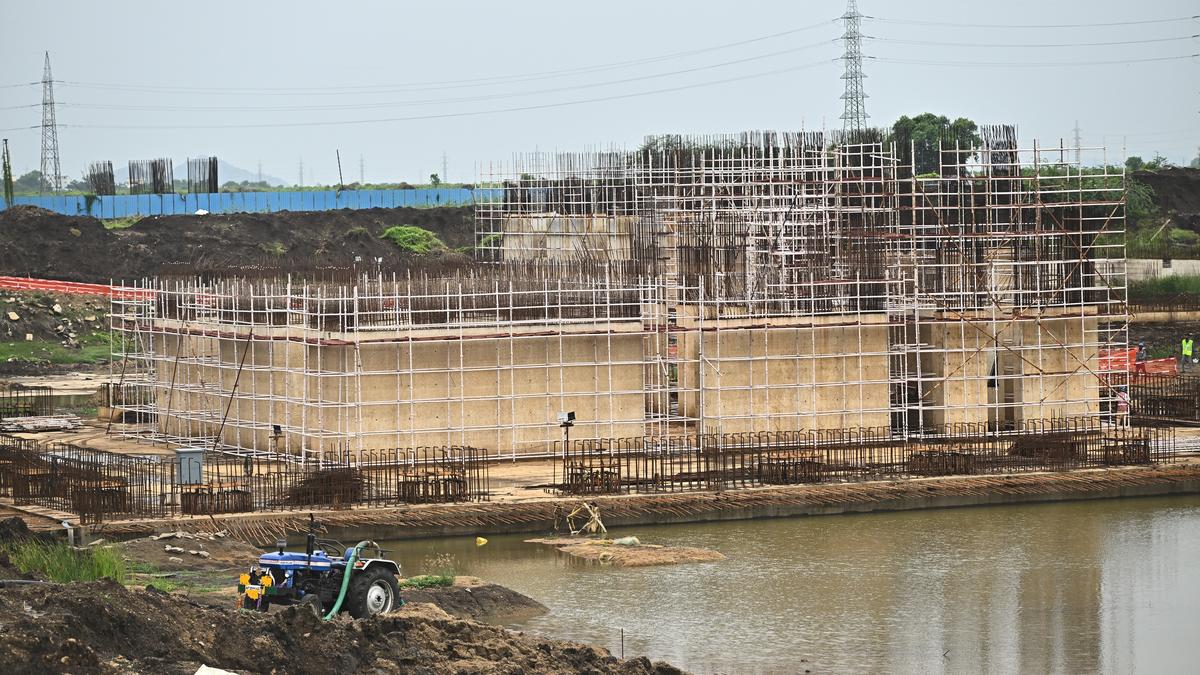
On the banks of the Krishna River in southern India, one of the country’s most ambitious urban projects is rising from what was once farmland. Amaravati, the planned capital of Andhra Pradesh, is intended to become something still rare in India: a modern city designed before millions of people move into it.
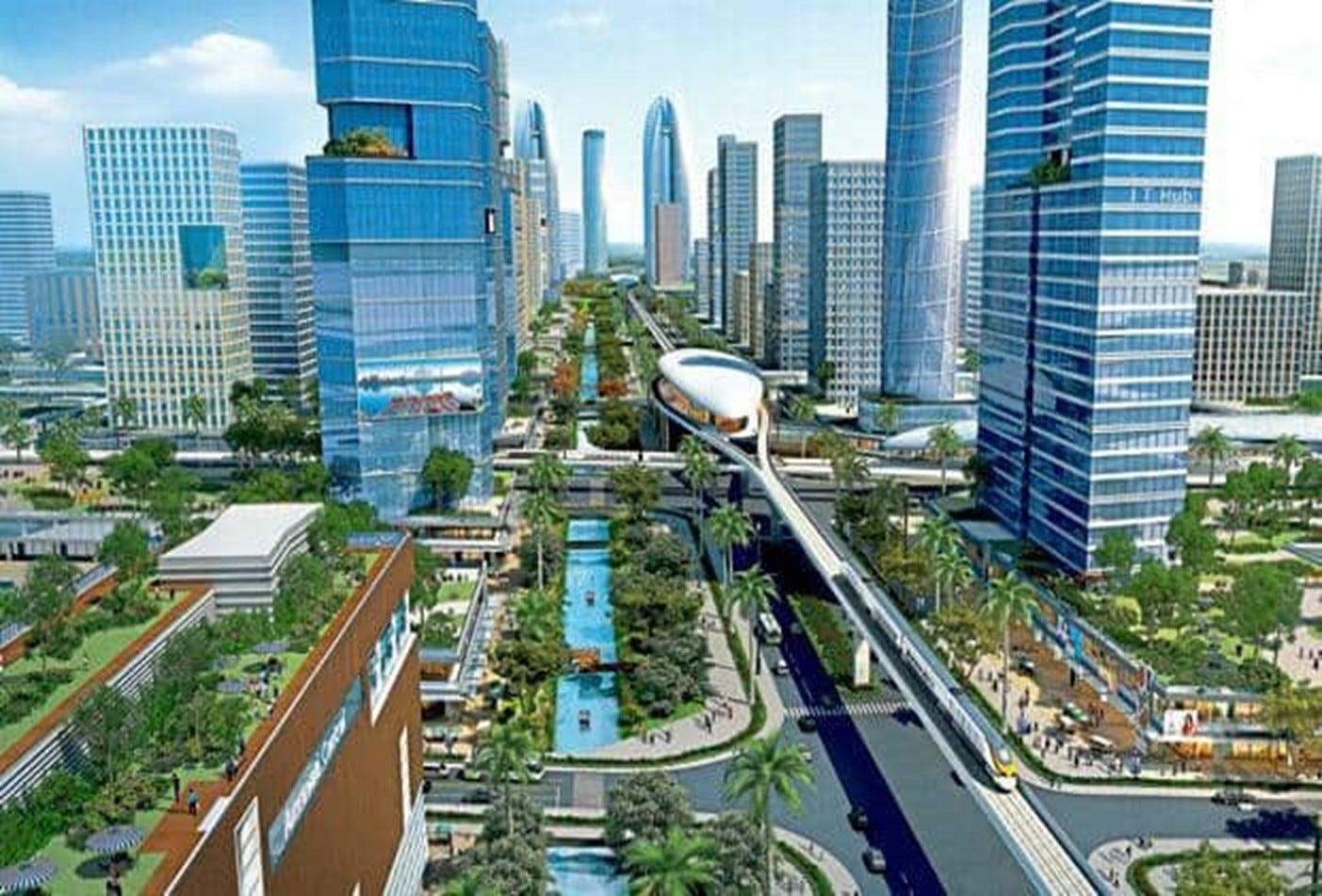
More than 25,000 workers are currently involved in the construction effort. The plan combines government districts, residential areas, waterways, bicycle lanes and large green spaces with a technology hub known as “Quantum Valley.” One of its centrepieces is expected to host what planners describe as India’s largest quantum computer.
Chandrababu Naidu, who sees Amaravati not simply as an administrative capital but as a demonstration of how a new generation of Indian cities could be built. India’s existing megacities have grown extraordinarily quickly, often leaving transport, drainage, housing and public infrastructure struggling to keep pace.
“Behind the project is Andhra Pradesh Chief Minister N.”
EuroAsia.News Editorial
Amaravati offers the opposite approach: infrastructure and urban structure are being planned first. The central government district forms part of a masterplan developed with Foster + Partners, the British architecture firm founded by Norman Foster. The wider project covers a vast area, with major government institutions intended to form the civic heart of the new capital.
Water plays an unusually prominent role. Existing canals are being incorporated and expanded into the urban landscape, while green corridors and cycling infrastructure are intended to make the city less dependent on cars.
Technology is equally important. Through Quantum Valley, Andhra Pradesh hopes to attract research institutions, advanced computing companies and international investment, turning the new capital into an economic centre rather than merely a collection of government buildings.
The political timetable, however, matters almost as much as the architectural one. Naidu wants enough of Amaravati completed before Andhra Pradesh’s 2029 elections to make the project effectively irreversible. Previous changes of government had already slowed the capital’s development dramatically.
That makes Amaravati more than an urban-planning experiment. It is a test of whether India can build a large city deliberately rather than allowing one to emerge through decades of uncontrolled expansion.
If the project succeeds, its greatest achievement may not be its government buildings or its quantum computers. It could provide something considerably more important: a model showing that rapid economic growth, technology and urbanisation do not necessarily have to produce congestion and deteriorating living conditions.
Amaravati is therefore being built not only as Andhra Pradesh’s new capital, but as an argument about what the Indian city of the future could look like.