Yet President Emmanuel Macron remains determined to project French leadership abroad, particularly in Ukraine. Has international ambition replaced responsibility at home?
When Emmanuel Macron swept into the Élysée Palace in 2017, he promised nothing less than the transformation of France. A former Rothschild investment banker and economy minister, he presented himself as the modern technocrat who understood financial markets, economic competitiveness and the reforms necessary to restore French prosperity.
Nearly a decade later, the results raise a devastating question: how could a president with such financial credentials preside over such a deterioration in France’s public finances?
By the end of 2025, it had reached €3.46 trillion, or 115.7% of GDP.
The annual deficit tells an equally troubling story. From 2.6% of GDP in 2017, it climbed to 5.8% in 2024 before easing to 5.1% in 2025 — still dramatically above the European Union’s 3% ceiling.
“From Financial Expertise to a Debt Mountain In 2017, France’s public debt stood at approximately 97% of GDP.”
EuroAsia.News, reporting from Paris
This is hardly the economic renaissance Macron promised.
France now spends more than 57% of its GDP through government, while its tax burden remains among Europe’s highest. The country has accumulated enormous liabilities without securing the corresponding improvements in productivity, industrial competitiveness or fiscal stability.
The pandemic and energy crisis undeniably required extraordinary public spending. But emergencies cannot explain away every structural weakness or the failure to establish a credible long-term recovery strategy.
Businesses Struggling, Citizens Paying
France’s difficulties extend far beyond government accounting.
The European Commission reported that corporate bankruptcies increased another 3.5% in 2025, reaching record levels. Unemployment climbed to 7.9% in late 2025, with a further increase forecast for 2026.
Small businesses face expensive financing, administrative complexity and intense international competition. Households confront pressures on purchasing power, while public services increasingly struggle with financial constraints.
Macron’s promised transformation has instead produced an uncomfortable combination: a heavily taxed economy, deteriorating public finances and widespread dissatisfaction.
His defenders point to stronger employment than before his presidency, foreign investment and improvements in France’s attractiveness to international businesses. Those achievements deserve recognition, but they cannot conceal the alarming fiscal trajectory.
A Country Becoming Ungovernable
Economic weakness has been compounded by political failure.
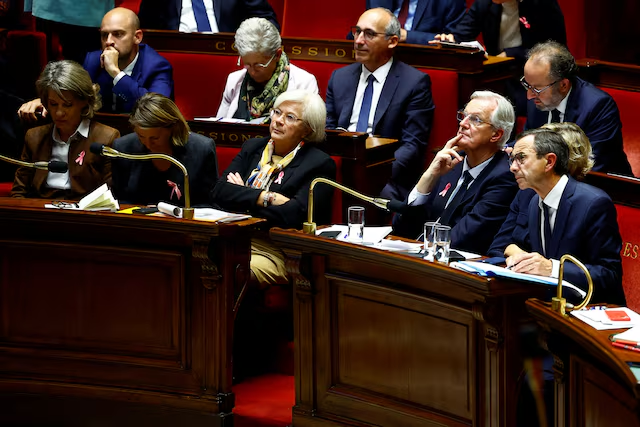
Macron’s decision to dissolve parliament in 2024 produced a fragmented National Assembly and deepened political paralysis. Successive governments have struggled to reconcile competing demands for spending, taxation and deficit reduction.
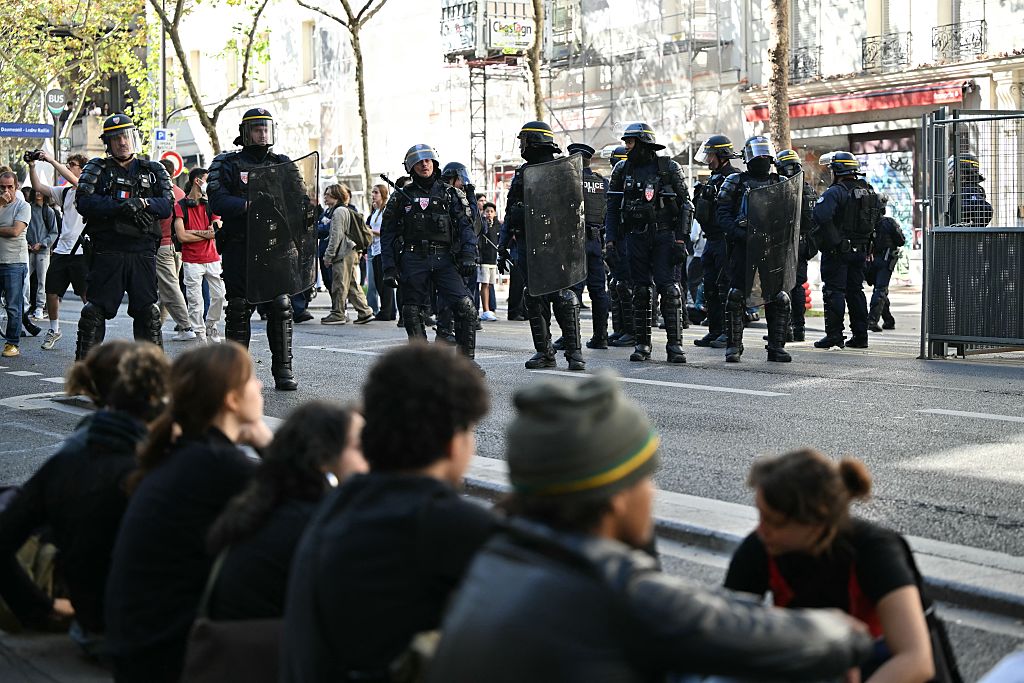
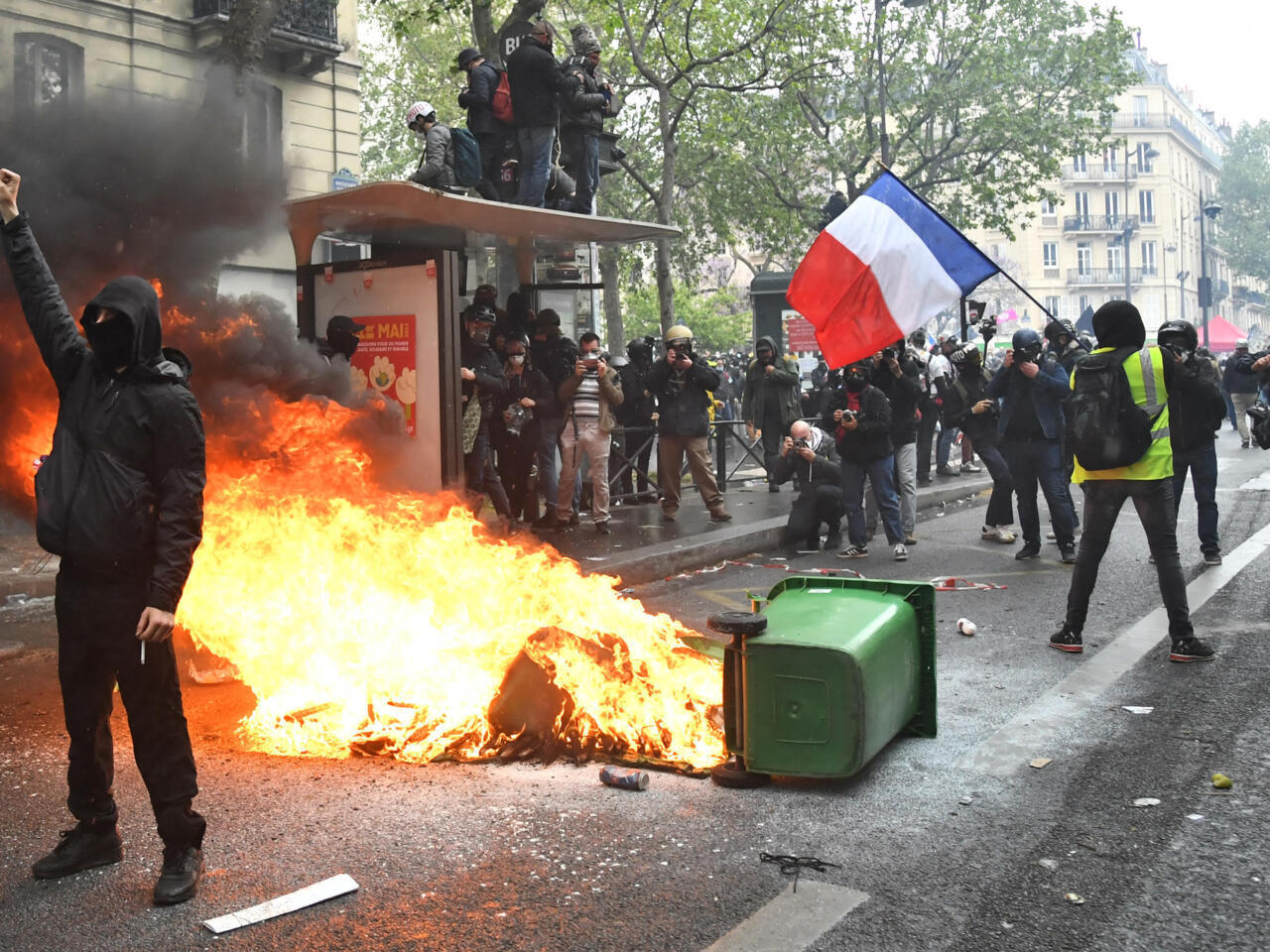
In October 2026, renewed demonstrations over deteriorating public services have coincided with rising borrowing costs and investor anxiety.
French government bond yields have approached levels unseen for decades, while the government faces increasingly difficult decisions over spending cuts and taxation.
The president who promised to unite France has instead become a symbol of political division.
Ukraine to the End — But at What Cost to France?
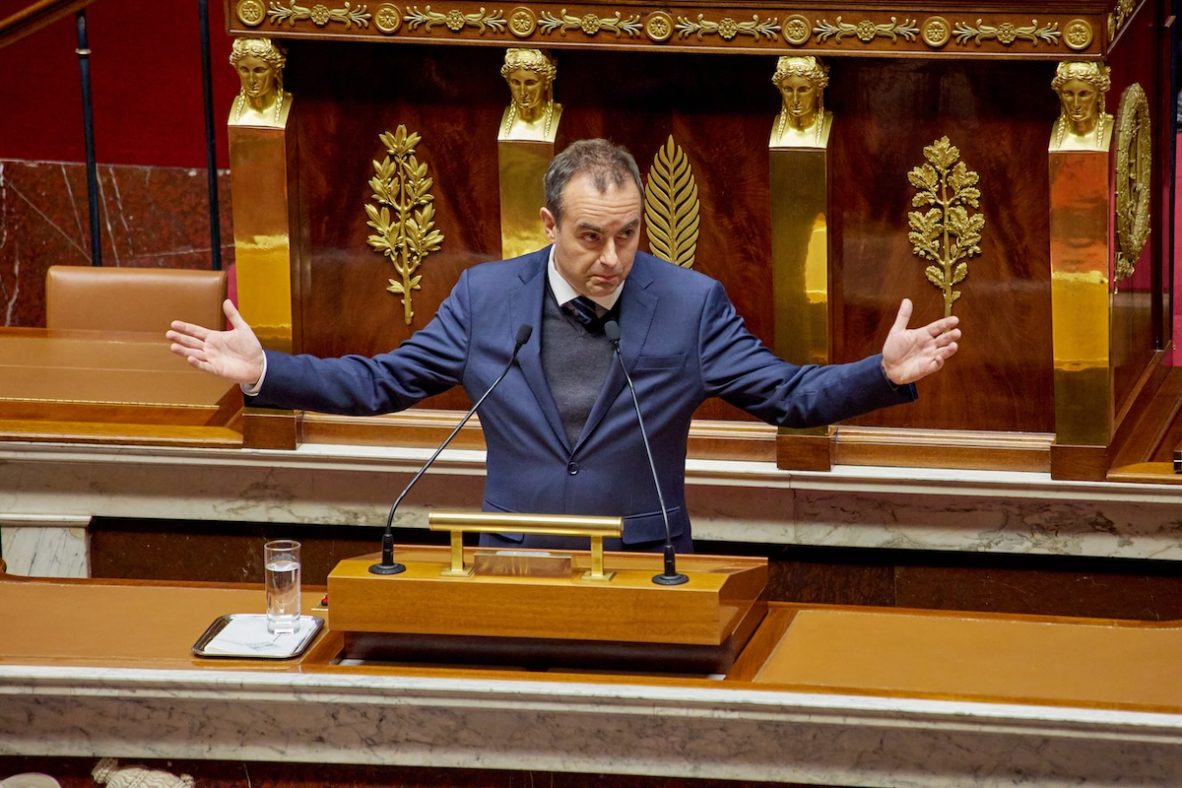
Against this deteriorating domestic backdrop, Macron continues to champion sustained European support for Ukraine.
Following renewed American pressure for a settlement, France and other European governments have reaffirmed their intention to maintain pressure on Russia and support Kyiv.
But foreign policy also requires difficult economic choices.
How long can France sustain expanding international military commitments while its own finances deteriorate? What is the long-term diplomatic strategy? And how will the government reconcile European security responsibilities with the urgent needs of French taxpayers?
Macron appears more comfortable discussing Europe's geopolitical future than explaining how France will repair its public finances.
The costs of Ukraine assistance are not the principal cause of France's debt crisis. Nevertheless, every additional commitment deserves parliamentary scrutiny, transparent budgeting and a clearly defined strategic objective.
The Legacy of a Failed Promise
Macron entered office promising efficiency, competence and renewal. Instead, he approaches the end of his presidency with France burdened by enormous debt, political fragmentation and weakening investor confidence.
A former investment banker was supposed to understand the dangers of excessive borrowing. A reformist president was supposed to modernise the economy. A political outsider was supposed to overcome the divisions of the past.
Nearly ten years later, all three promises remain deeply contested.
France cannot maintain its international influence indefinitely without restoring economic strength at home.
Macron may wish to be remembered as the European leader who stood firmly behind Ukraine.
But his domestic legacy may be far less flattering: the president who sought to shape Europe's future while France's financial foundations weakened beneath him.
The next French president will inherit not merely a political challenge, but an economic reckoning.