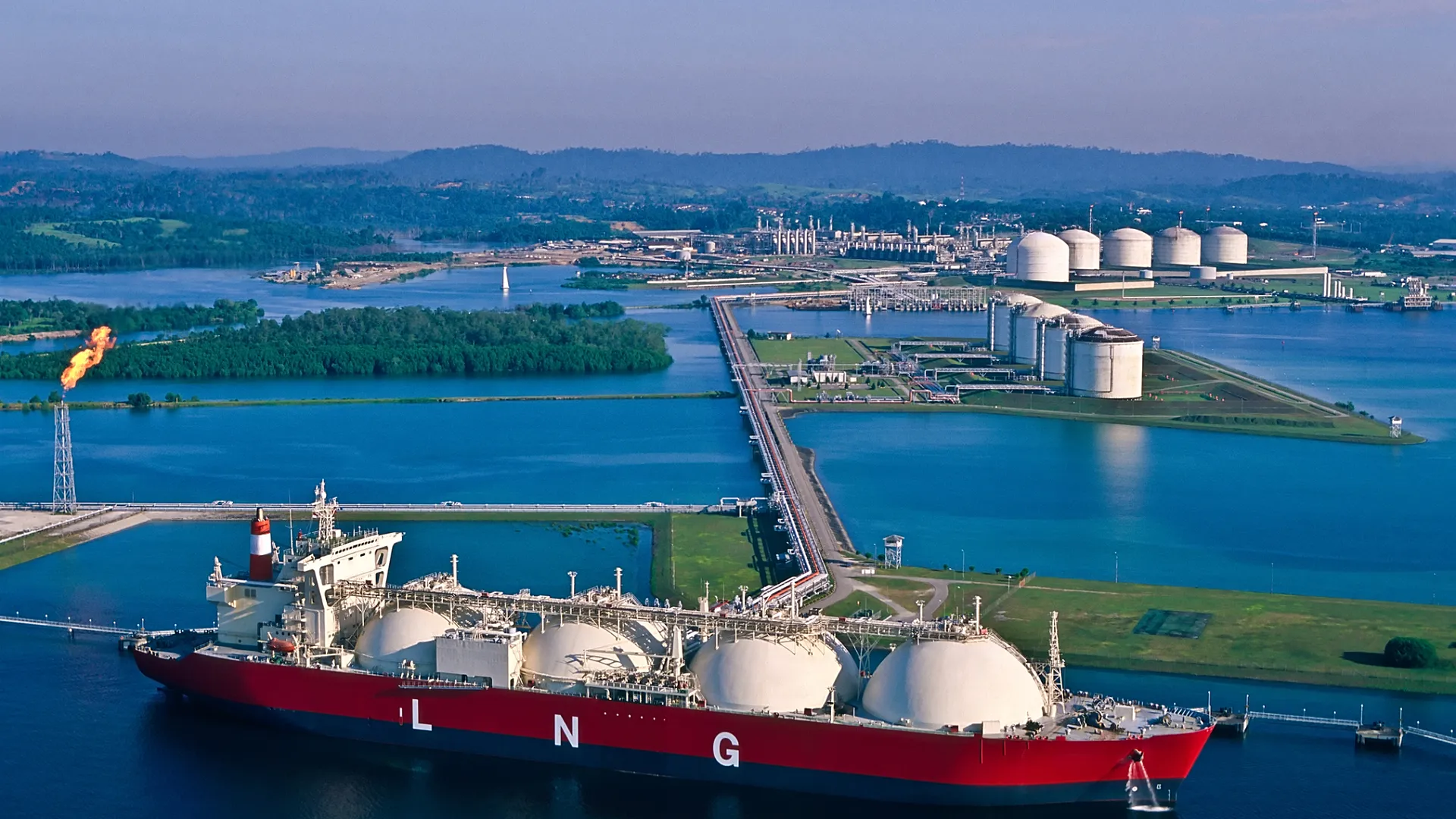
Benchmark European gas prices moved above €80 per megawatt-hour in September, their highest level in three years, after disruption to LNG traffic through the Strait of Hormuz. Analysts now expect coal-fired generation in Europe to rise by roughly 25% over the next six months, while gas-fired output falls by a similar amount.
The switch is not ideological. It is economic.
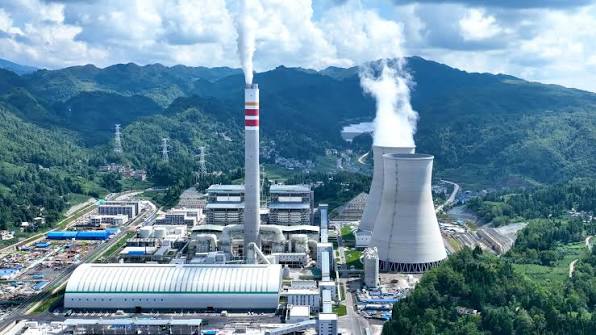
ICIS data show that coal and lignite plants have become more profitable to run, on average, than comparable gas-fired units for the first time since at least 2024. The so-called clean dark spread — the margin on coal generation after fuel and carbon costs — has improved, while the equivalent margin for gas has deteriorated. Utilities that still possess operational coal capacity are therefore using it more heavily.
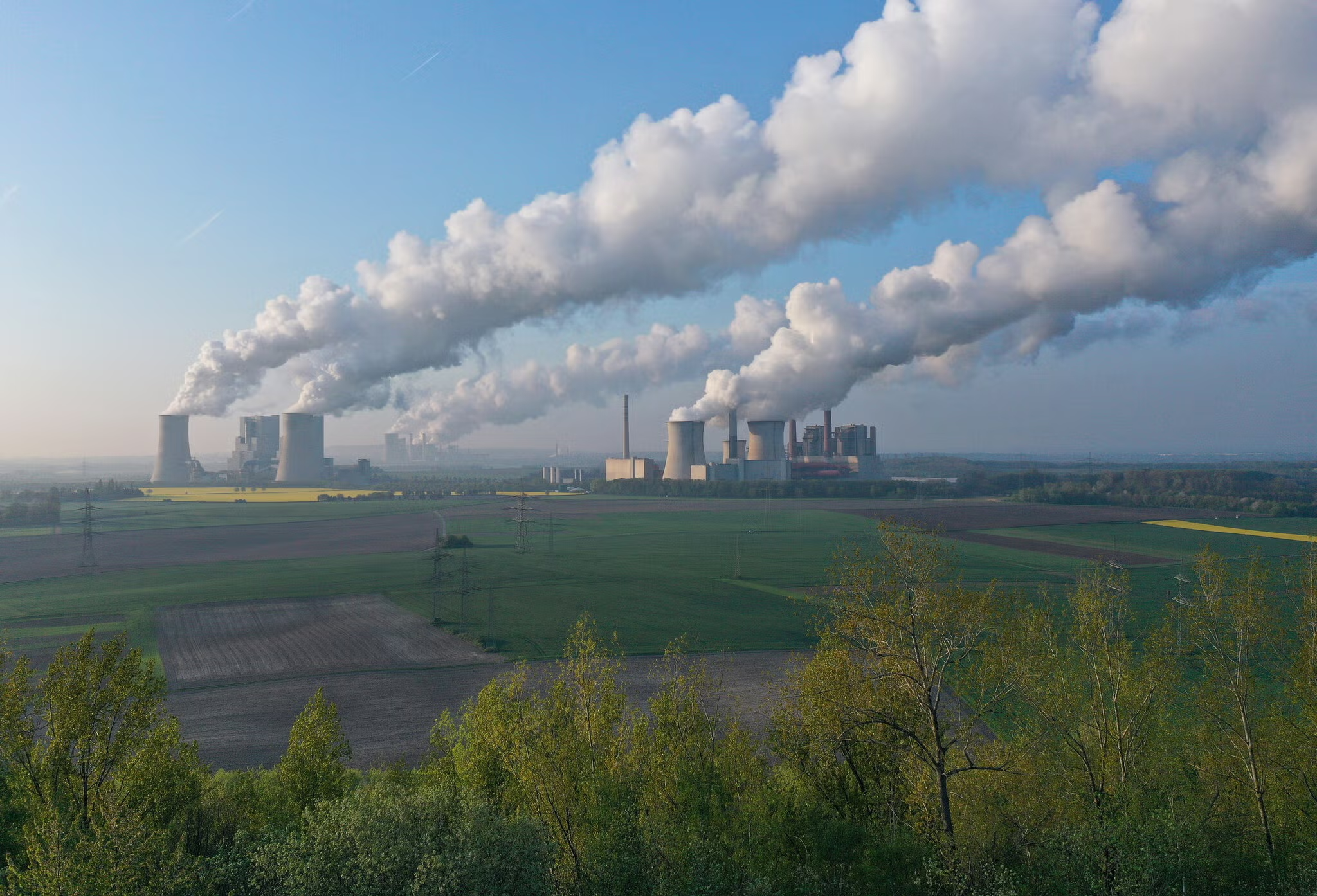
Germany has an abundance of readily available, cheap lignite. It has the largest reserves in Europe and the third biggest globally. It is entirely self-sufficient in the fuel. Germany’s position is especially awkward.
By contrast, it has to import 95% of its natural gas supplies.It closed its final nuclear reactors in 2023, has sharply reduced Russian pipeline-gas imports and is simultaneously trying to phase down coal while expanding wind and solar. Gas was supposed to provide flexible generation when renewable output was low. At today’s prices, that backup has become the expensive option.
“Germany and Poland are particularly important because together they account for more than 70% of the EU’s remaining coal generation.”
EuroAsia.News, reporting from BERLIN
Europe is not yet experiencing the full-scale shock of 2022. Gas around €80/MWh remains far below the extraordinary €300/MWh peaks reached during the earlier crisis. Yet the system is less comfortable than the headline price suggests. European gas storage has been around 70%, unusually low for this point of the year. US LNG now supplies roughly 22% of European gas demand, compared with less than 5% before 2022. Qatar normally represents only around 6% of European gas demand, but its importance to the global LNG market means disruptions affect prices everywhere.
The consequences extend far beyond electricity generation. ECB analysis suggests gas-price movements are now feeding through into inflation considerably faster than before. Meanwhile European manufacturers face a widening energy-price gap with competitors. Ineos recently announced plans to mothball three UK chemical sites while pointing to UK gas prices of around $23.51 per MMBtu, compared with roughly $2.84 in the United States.
That creates a climate-policy paradox. High gas prices should theoretically make renewables, storage and electrification more attractive. In the short term, however, they can increase coal consumption and emissions because coal capacity already exists and can be switched on immediately.
Europe has added enormous amounts of wind and solar generation, but storage, transmission grids and dispatchable low-carbon capacity have not expanded at the same pace.
The longer-term vulnerability is also structural. The EU has cut Russia’s share of its gas imports from around 45% before the Ukraine war to roughly 12%, but the European Court of Auditors recently warned that just €54.3 billion had been committed against roughly €300 billion originally identified for the wider programme to replace Russian energy.
The return of coal therefore does not mean Europe’s energy transition has ended. It means the transition remains incomplete.
Europe can reduce coal and gas simultaneously only when enough alternative capacity exists to guarantee power during dark, windless and exceptionally cold periods. Until then, geopolitical shocks will continue to expose the distance between climate targets and the physical requirements of the electricity system.