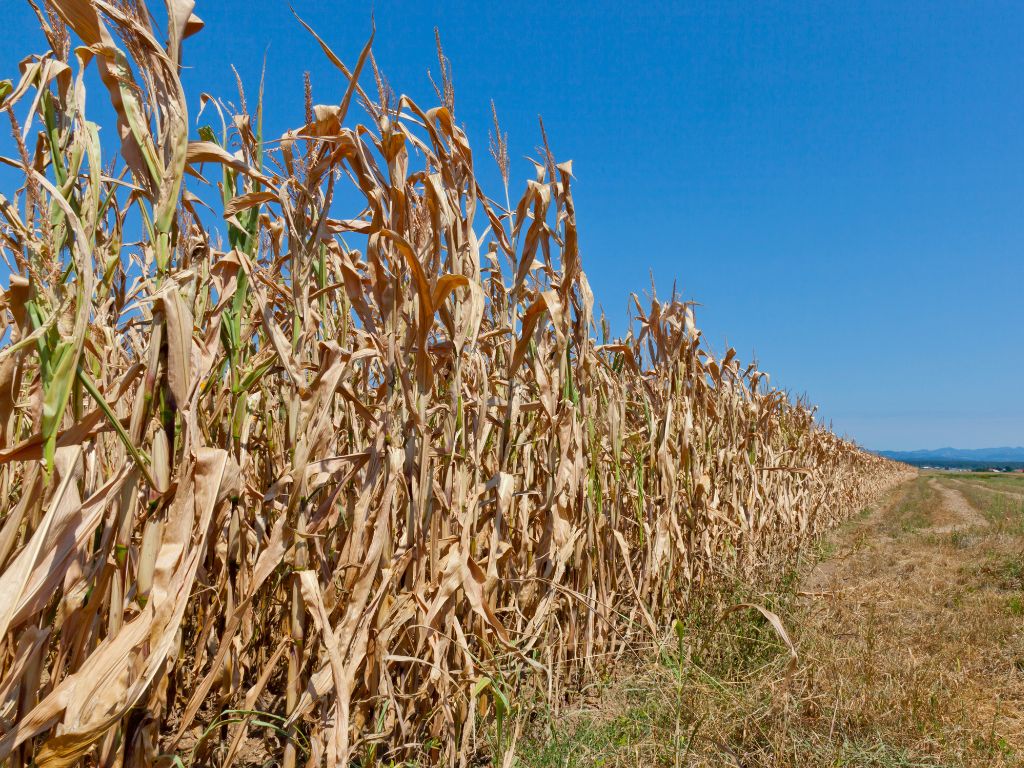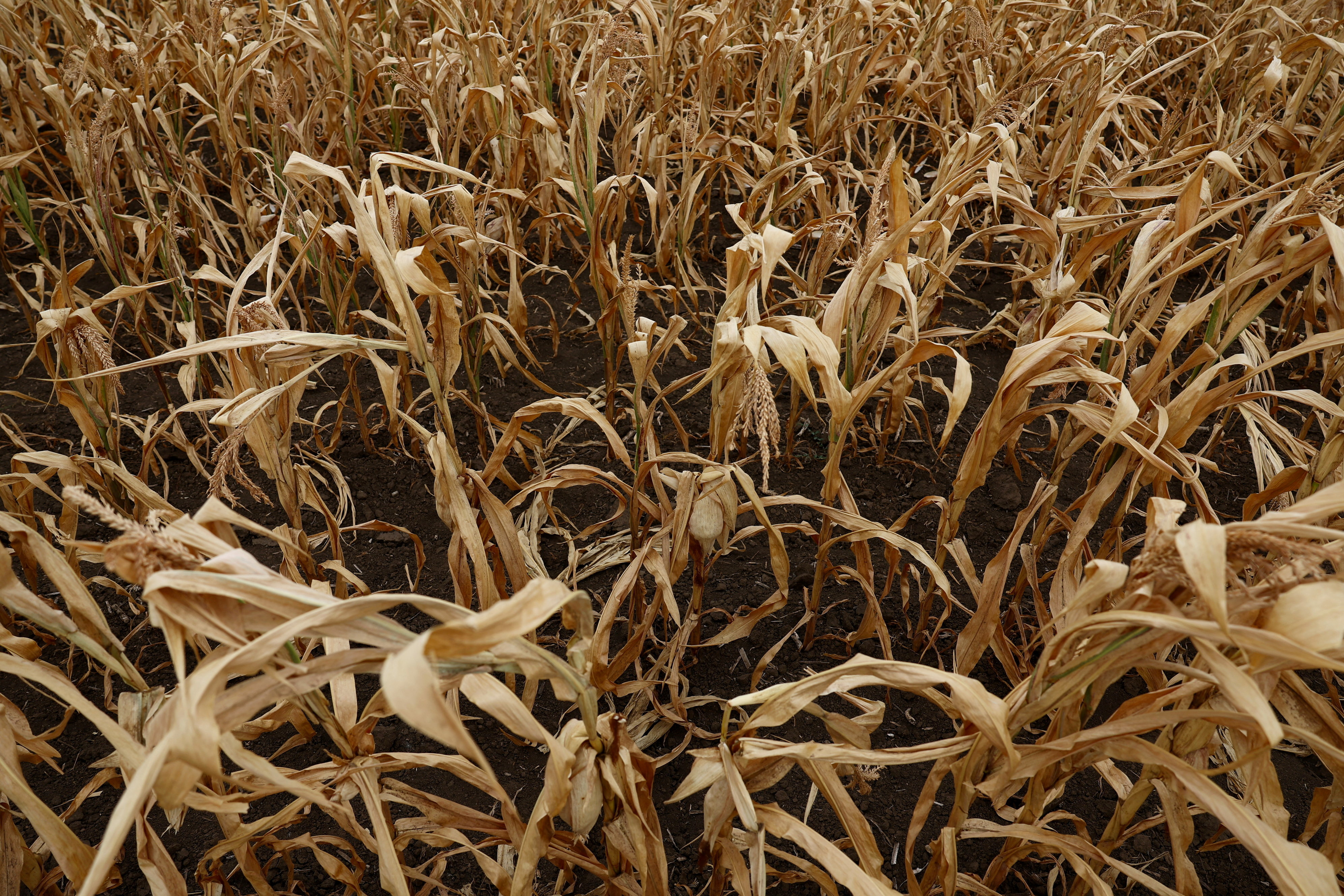
The warning signs are particularly dramatic in Hungary. In 2021 the country harvested about 6.46 million tonnes of maize. The drought disaster of 2022 reduced output to just 2.78 million tonnes, with average yields collapsing to 3.4 tonnes per hectare. Production recovered to 6.28 million tonnes in 2023, only to fall again to 5.33 million in 2024 and 3.89 million in 2025. Meanwhile, the harvested maize area has contracted from more than 1.05 million hectares in 2021 to around 737,000 hectares in 2025.
The 2026 season looks worse. The European Commission's MARS crop-monitoring service now forecasts Hungarian grain-maize yields at only around 3.85 tonnes per hectare, roughly 34% below the five-year average. In parts of the Great Plain, plants dried before completing grain filling, while some fields were cut early for green fodder simply to recover something from the crop. Current estimates put Hungary's maize harvest at roughly 2.5 million tonnes — less than a third of the volumes routinely achieved only a few years ago.
It still has the largest maize area in the EU, yet production has become extraordinarily volatile. In 2024, drought and extreme heat cut Romanian maize production by 31.7%, to around six million tonnes. Conditions improved in 2025, and the national 2026 crop may again reach about eight million tonnes. But this apparent recovery hides a structural change: farmers are reducing the area planted with maize, while western Romania has again suffered severe heat and moisture stress this summer. Romania may remain an exporter, but its dependable exportable surplus is shrinking.
“Romania tells a slightly different, but equally important story.”
EuroAsia.News
This matters beyond two countries. The European Commission currently expects the EU maize harvest to fall to around 50.1 million tonnes in 2026, a near two-decade low and roughly one-fifth below the recent three-year average. Analysts expect EU maize imports to rise by 8–9% in 2026/27. Hungary, traditionally an exporter, is now expected to rely increasingly on imported maize.
Irrigation cannot simply replace rain
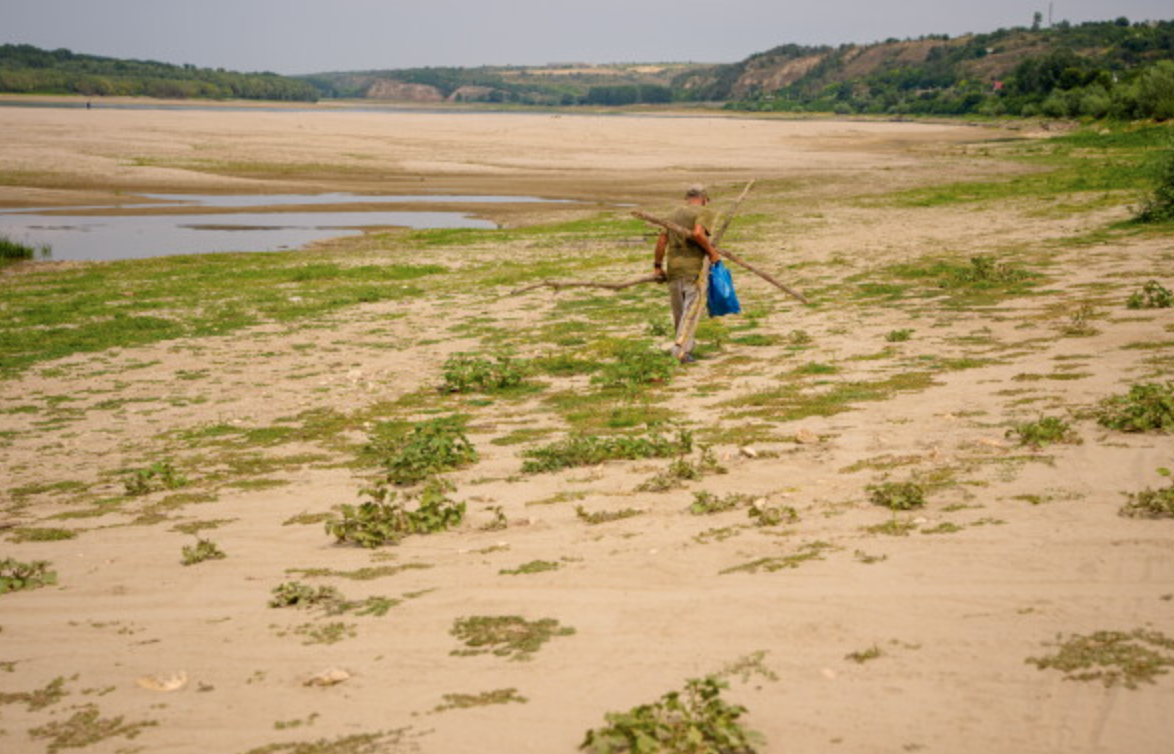
The obvious answer is irrigation, but the mathematics are uncomfortable. Hungary irrigated around 146,000 hectares in 2025 — only a small fraction of its agricultural land. Romania has been rebuilding pumping stations and canals inherited from the socialist period, yet only a minority of arable land has practical access to reliable irrigation. Even where infrastructure exists, drought can reduce river levels themselves. In July, the Danube's flow entering Romania fell to its lowest level since 1996, forcing restrictions and demonstrating the central problem: irrigation cannot provide unlimited water when the entire watershed is dry.
Farmers are therefore beginning to change what they plant. Winter wheat and barley use much of their moisture before the hottest part of summer. Sunflower generally tolerates dry conditions better than maize, while sorghum could become increasingly attractive for feed and industrial uses. Rapeseed and other winter crops may also take a larger share of rotations. The result could be a gradual retreat of maize from marginal land and its concentration on deeper soils and farms with dependable water.
Can better seeds save maize?
Biotechnology may become the other major part of the answer. Conventional breeding has already produced shorter-season and more drought-tolerant maize hybrids. New genomic techniques, including targeted gene editing, could accelerate the development of plants that tolerate heat, require less water or remain productive under shorter growing seasons.
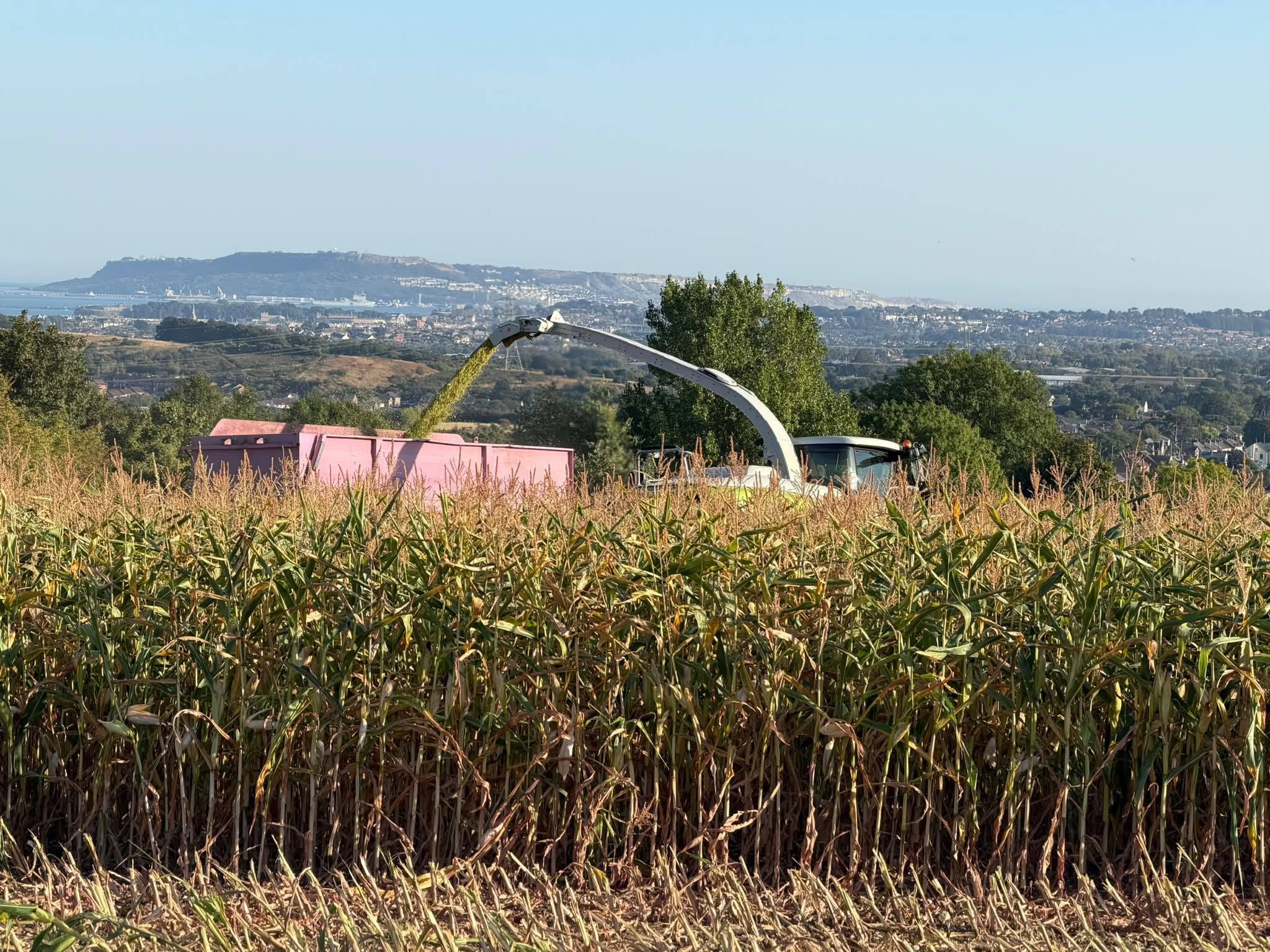
Europe has moved significantly in this direction. New EU rules covering certain new genomic techniques were adopted in June 2026. Category-1 plants whose genetic changes could also arise naturally or through conventional breeding will face a much simpler regulatory route. The regulation enters full application in July 2028, potentially opening the European market to a much faster generation of climate-resilient crops.
But biotechnology is not rainfall in a seed bag. Drought tolerance can allow a plant to survive stress longer and produce grain with less water; it cannot produce a normal harvest when soil moisture disappears completely during flowering. Seeds, irrigation, soil management, water retention and crop diversification will therefore have to work together.
Central Europe's agricultural competitiveness is unlikely to disappear. Hungary and Romania still possess exceptional soils, large farming sectors and excellent access to European and international grain markets. What may disappear is the old farming model in which maize could be planted across enormous areas with rainfall expected to arrive when needed.
The agricultural question is therefore changing. It is no longer simply how much maize can Central Europe produce? It is becoming where does maize still make economic sense — and what should farmers plant where it no longer does?
That decision, repeated across millions of hectares during the next decade, could reshape the agricultural map of Central Europe.