That may be about to change.
Germany is becoming increasingly involved in one of Eurasia's most strategically important infrastructure projects: the Middle Corridor connecting China and Central Asia with Europe across the Caspian Sea and South Caucasus.
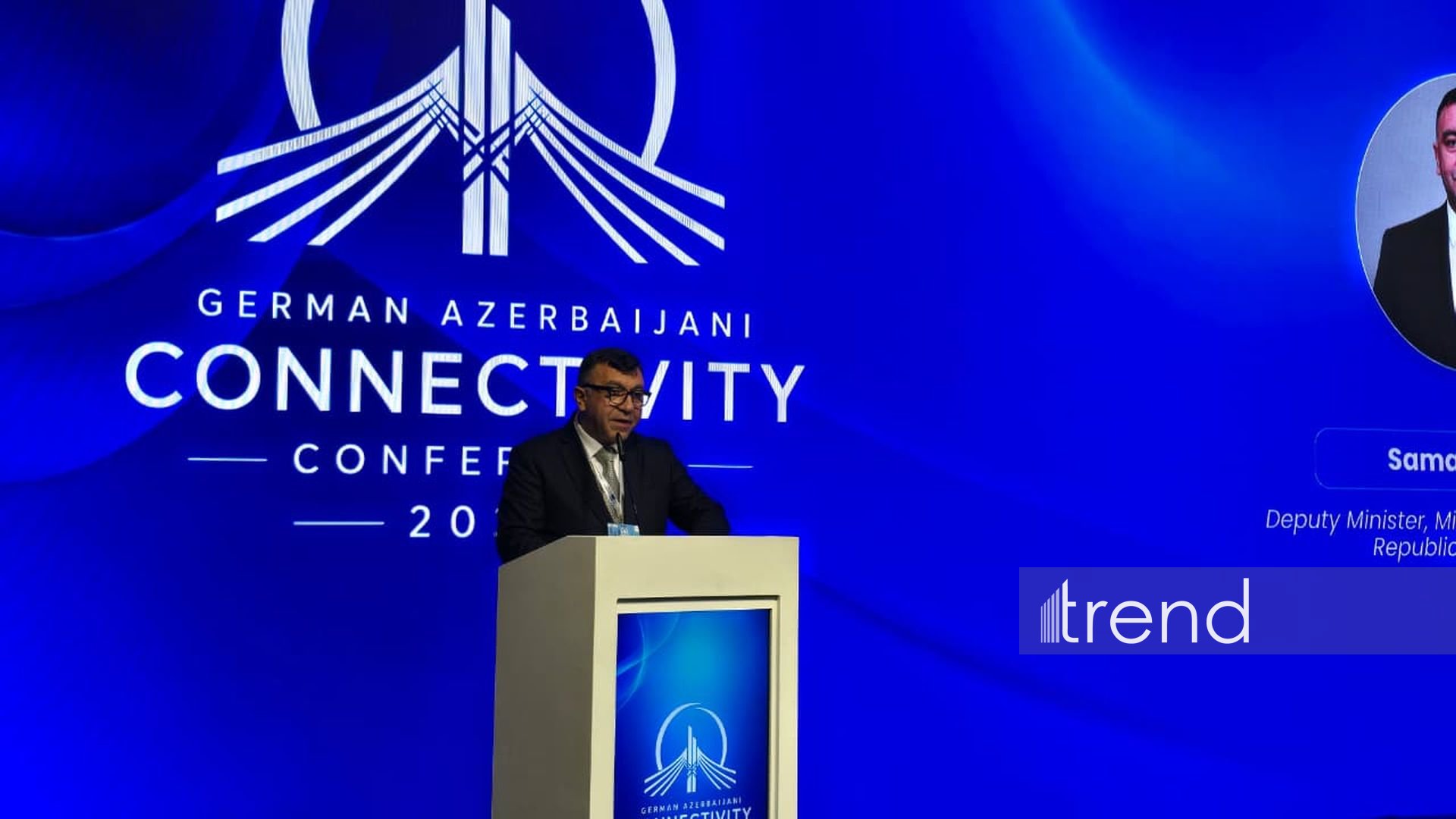
A Germany–Azerbaijan Connectivity Conference in Baku this week is focusing on financing the infrastructure required to turn the corridor from an alternative route into a serious commercial transport system.
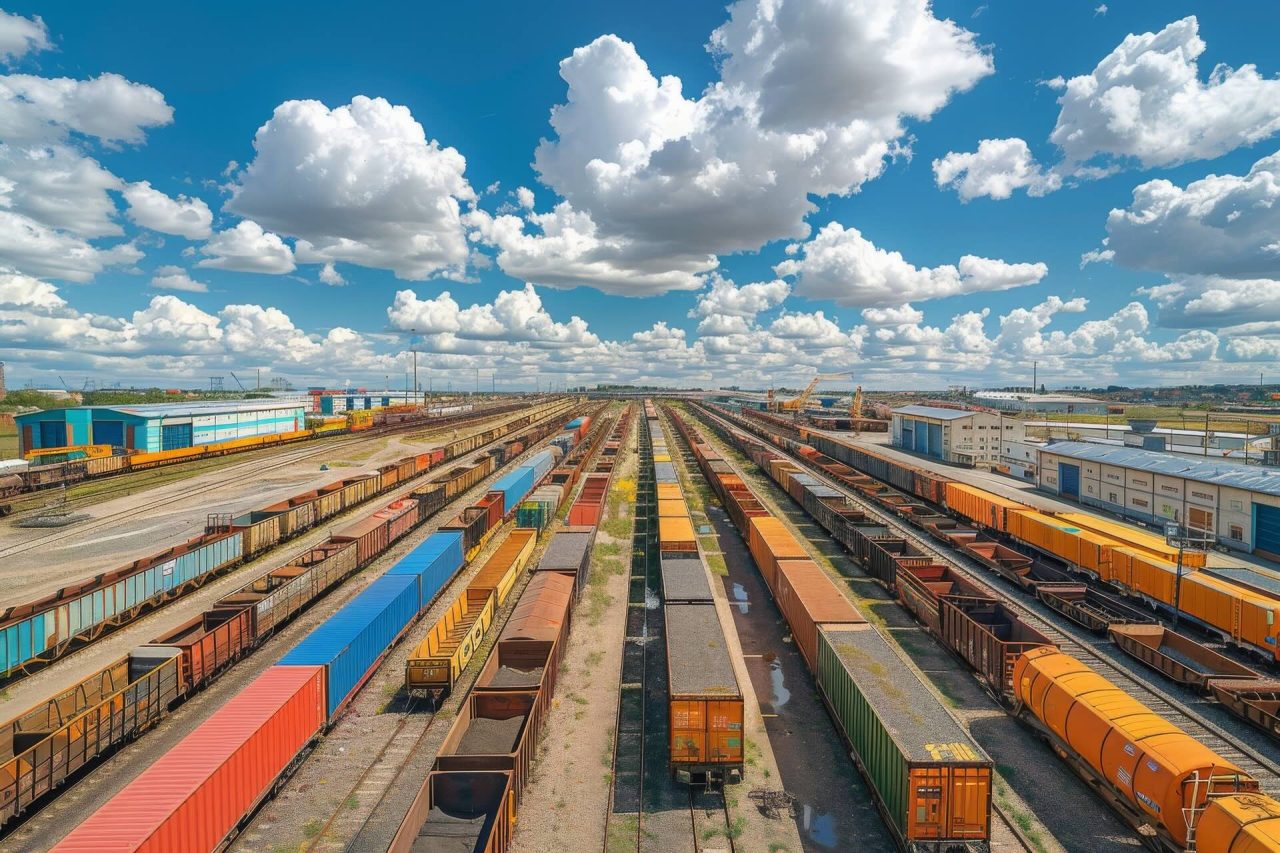
At the same time, German logistics company Rhenus is developing plans for a network of 14 cargo terminals across Central Asia, including facilities intended to feed freight into the Trans-Caspian route.
Russia is bypassed completely.
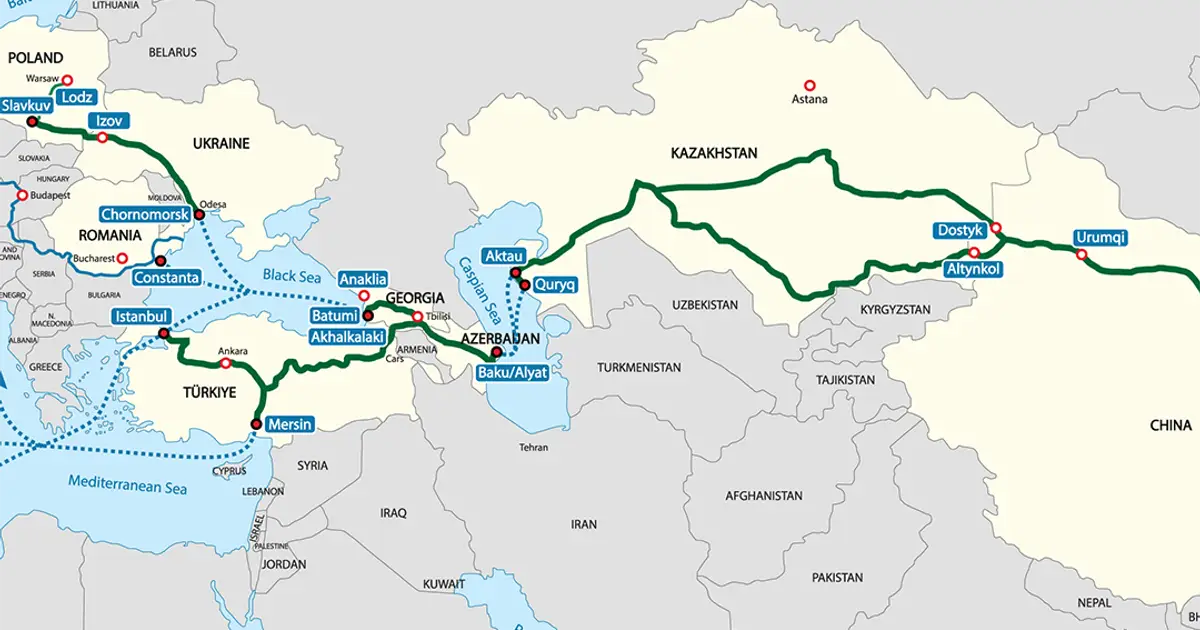
“The geography explains the interest. Goods can travel from China through Kazakhstan, cross the Caspian Sea to Azerbaijan, continue through Georgia and then reach Europe through Turkey or Black Sea ports.”
EuroAsia.News, reporting from Berlin
That was once a disadvantage.
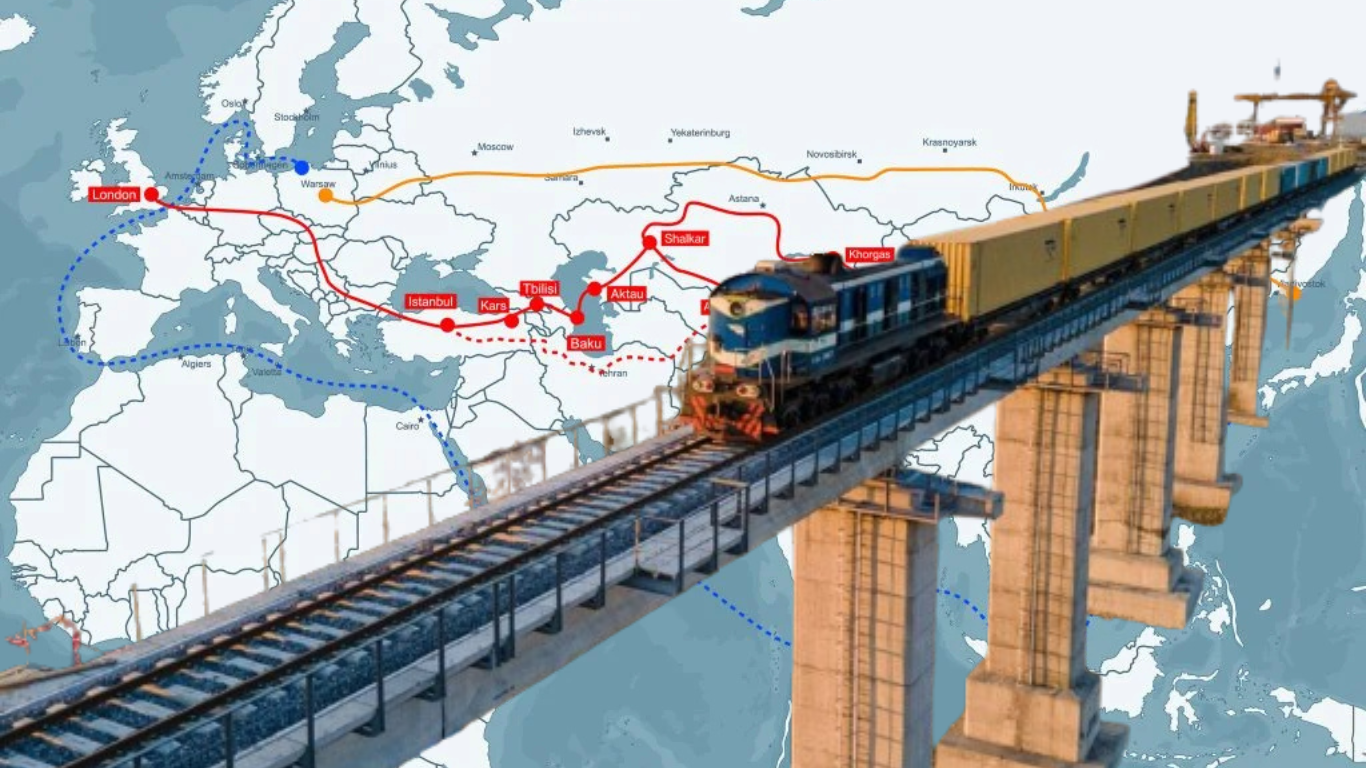
For decades the northern railway through Russia was generally the simplest overland connection between China and Europe. Existing infrastructure, relatively few borders and enormous Russian rail capacity made it difficult for competing corridors to match.
Then came 2022.
Russia's war in Ukraine transformed transport economics. Sanctions, political risk and corporate compliance requirements made routes crossing Russia considerably less attractive to many European companies.
The Middle Corridor suddenly changed from an interesting regional project into strategic infrastructure.
Its weakness is complexity.
A container travelling through Russia can remain on rail for enormous distances. The Middle Corridor requires multiple border crossings and, critically, a transfer from rail to ship across the Caspian Sea and back to rail again.
Ports, ferries, customs systems and railway gauges must work together.
That is why investment in terminals matters.
The contest is no longer simply about constructing another railway. It is about removing hours and days from every transfer until the entire corridor becomes commercially predictable.
Azerbaijan sits at the centre of this system.
Its new Alat port near Baku provides the Caspian gateway. The Baku–Tbilisi–Kars railway connects Azerbaijan through Georgia with Turkey. From there, freight can enter European networks.
Georgia provides another possibility through its Black Sea ports.
Kazakhstan, meanwhile, is expanding Caspian infrastructure around Aktau and Kuryk while trying to transform itself from a commodity exporter into a Eurasian logistics hub.
For Germany, this is about considerably more than Chinese containers.
Central Asia contains oil, gas, uranium and many of the critical minerals Europe increasingly wants to access without excessive dependence on either Russia or China.
The EU's Global Gateway strategy has therefore identified Trans-Caspian connectivity as a strategic priority. European institutions have discussed mobilising billions of euros for transport infrastructure across Central Asia.
There is also an industrial logic.
Germany remains Europe's largest manufacturing economy. Its companies depend heavily on international supply chains and suffered severely when pandemic disruptions, the Ukraine war and the Red Sea crisis exposed the vulnerability of long-distance logistics.
Having several routes between Europe and Asia has strategic value even when the alternative is not always the cheapest.
But the Middle Corridor should not be romanticised.
Its current capacity remains much smaller than maritime trade or Russia's established rail system. The Caspian crossing creates a natural bottleneck. Customs procedures differ between countries, infrastructure quality varies and major investment is still required.
The interesting development is therefore not that the Middle Corridor is about to replace Russia or Suez.
It almost certainly will not.
The important change is that Europe no longer wants one route.
China does not either.
Nor do Kazakhstan, Azerbaijan or Georgia.
That creates an extraordinary opportunity for countries that for most of modern history sat at the edges of larger empires.
The South Caucasus and Central Asia are becoming the intersection between multiple competing transport systems.
Germany's growing involvement demonstrates that Europe has noticed.
The railway map of Eurasia was once designed around Moscow.
The next one is being designed around alternatives.