News
The Middle Corridor - A 7,000-Kilometre Route Challenging Russia’s Railways and the Suez Canal
Five Central Asian countries and Georgia are seeking a bigger role in China–Europe trade.
By EuroAsia.News · · 4 min read
Corridor desk
Reporting on the transport, trade and infrastructure corridors reshaping connections between Asia and Europe.
This hub follows three principal corridor families: the Middle Corridor, or Trans-Caspian route; the Ice Silk Road across the Arctic; and the Iron Silk Road, the China-Europe rail network. We track them as working infrastructure — volumes, capacity, tariffs, bottlenecks and the diplomacy that keeps freight moving — rather than as slogans.
Five Central Asian countries and Georgia are seeking a bigger role in China–Europe trade.
By EuroAsia.News · · 4 min read
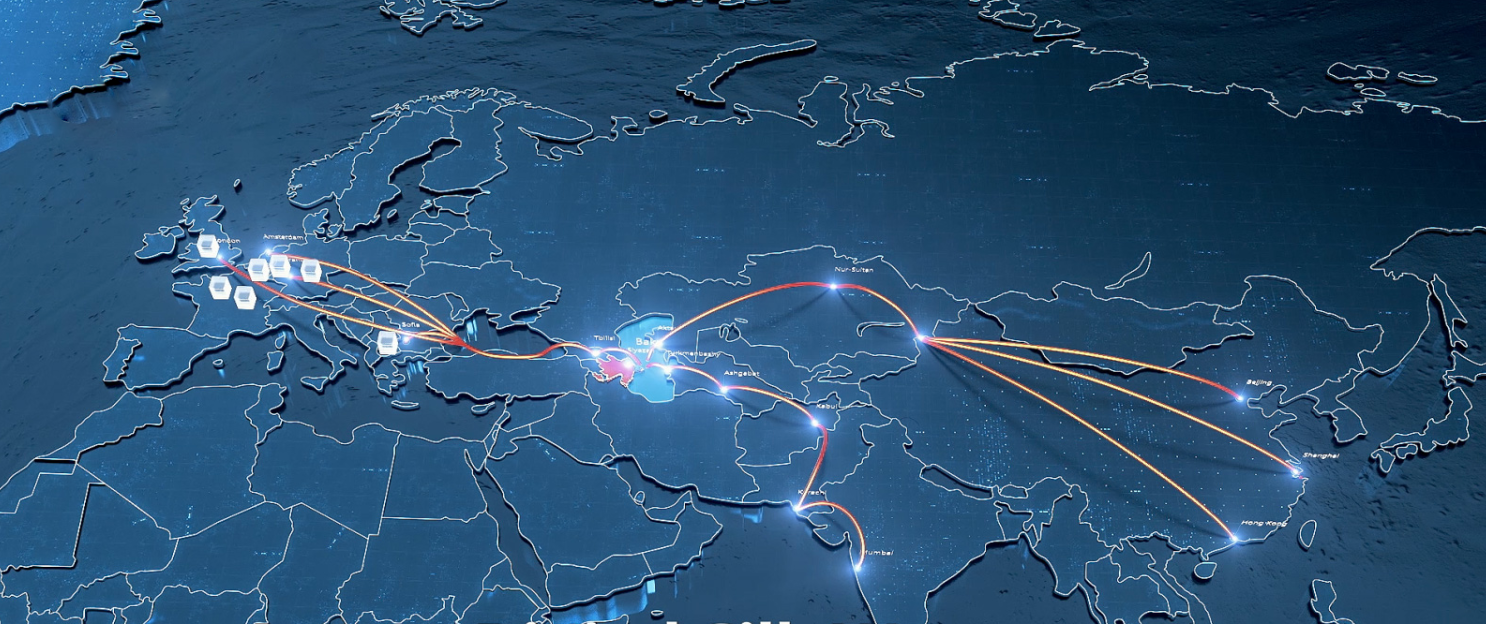
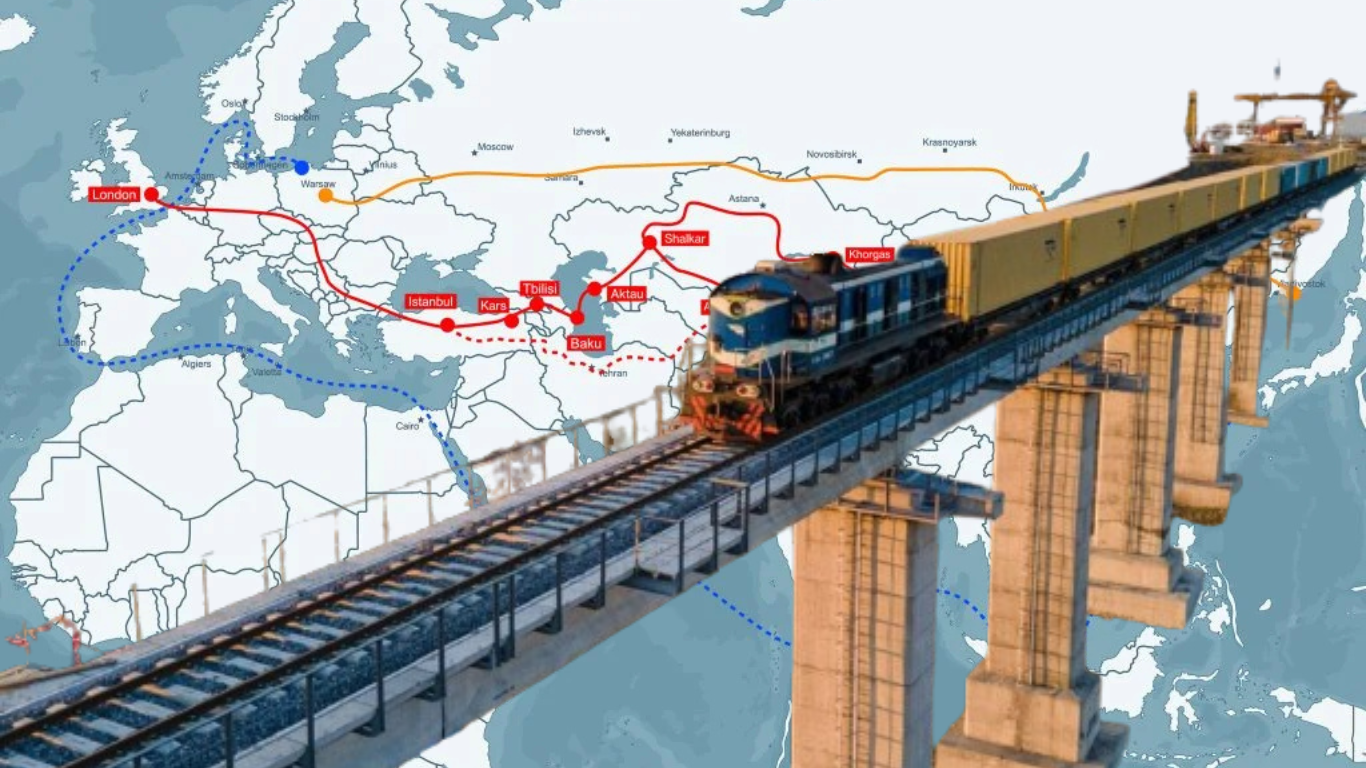
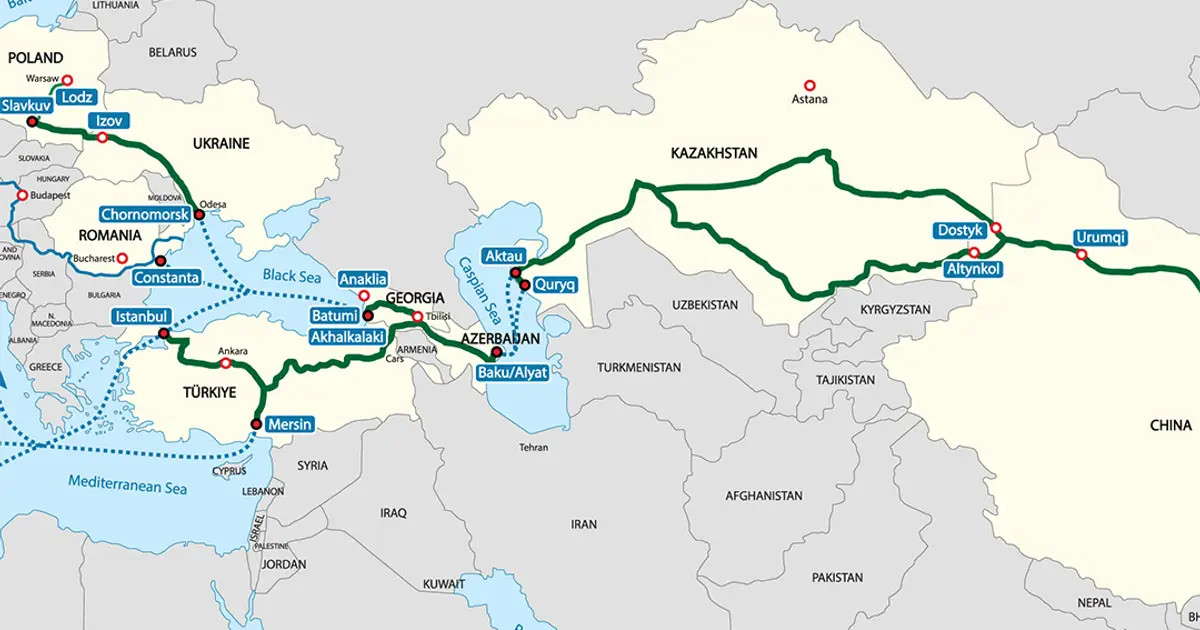
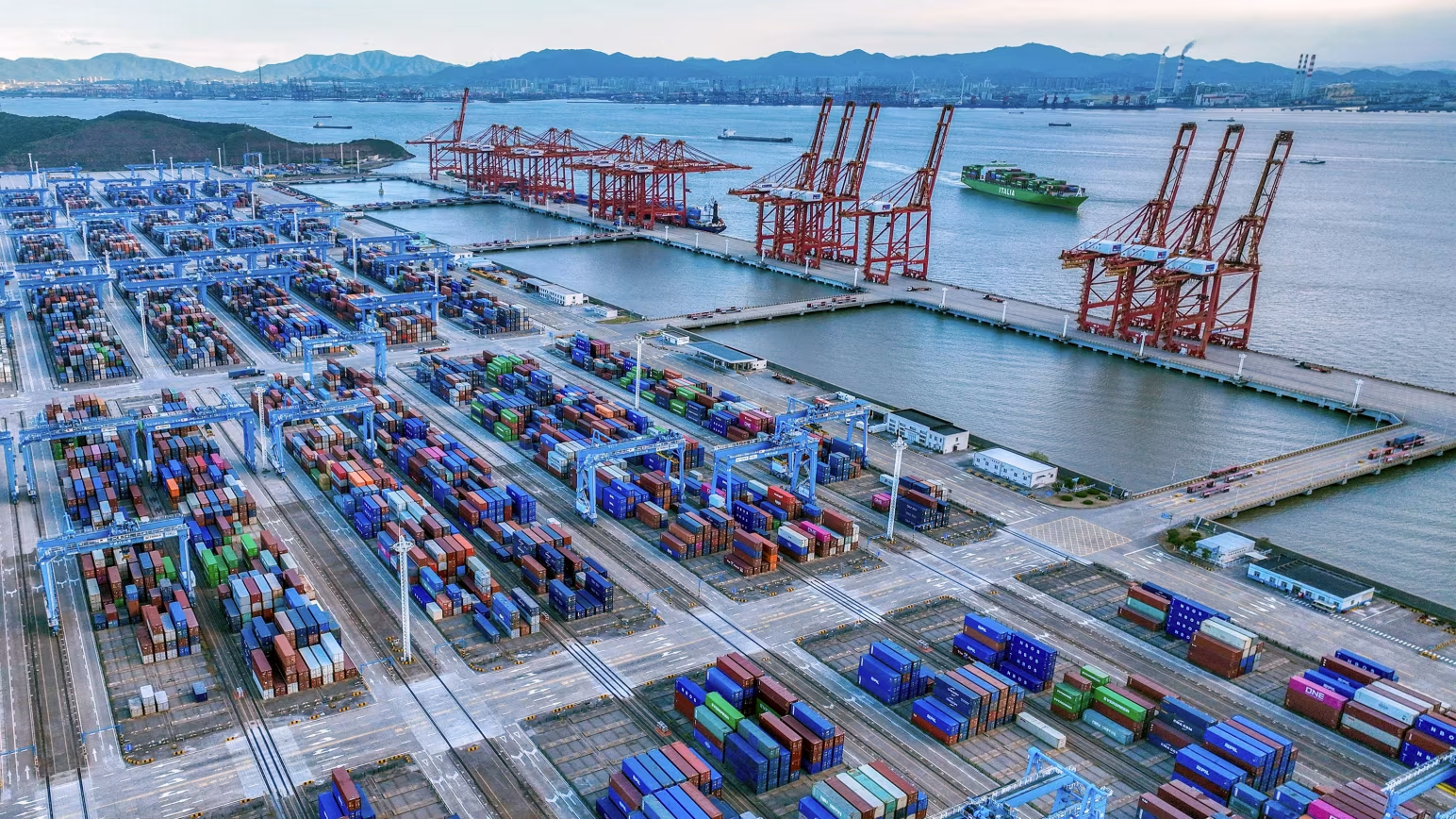
The Middle Corridor runs from China through Kazakhstan to the Caspian Sea, across the water to Azerbaijan, onward through Georgia and Türkiye or the Black Sea, and into Europe. It is a combined rail-and-sea route, formally known as the Trans-Caspian International Transport Route (TITR).
Its appeal is geography: it is the shortest land-and-sea link between China and Europe that avoids Russian territory. Its constraint is capacity — ferry slots on the Caspian, terminal throughput at Aktau, Kuryk, Alat and Poti, and the paperwork at each national border.
What we track
By EuroAsia.News · · 18:41 · 4 min read
By EuroAsia.News · · 09:52 · 3 min read

By EuroAsia.News · · 18:44 · 2 min read
By EuroAsia.News · · 00:00 · 6 min read
By EuroAsia.News · · 08:42 · 4 min read
By EuroAsia.News · · 09:23 · 4 min read
By EuroAsia.News · · 13:39 · 2 min read
By EuroAsia.News · · 17:33 · 3 min read
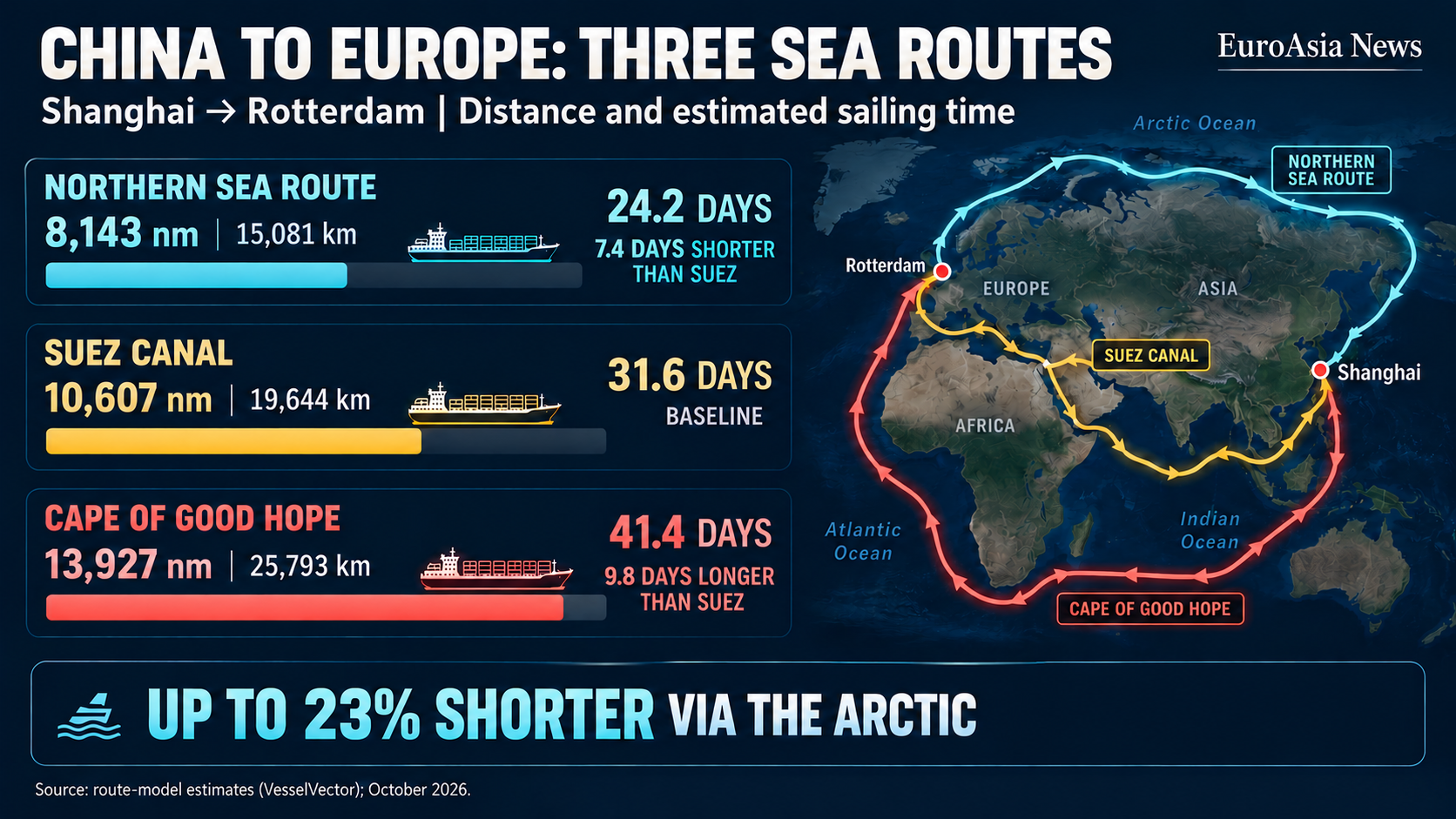
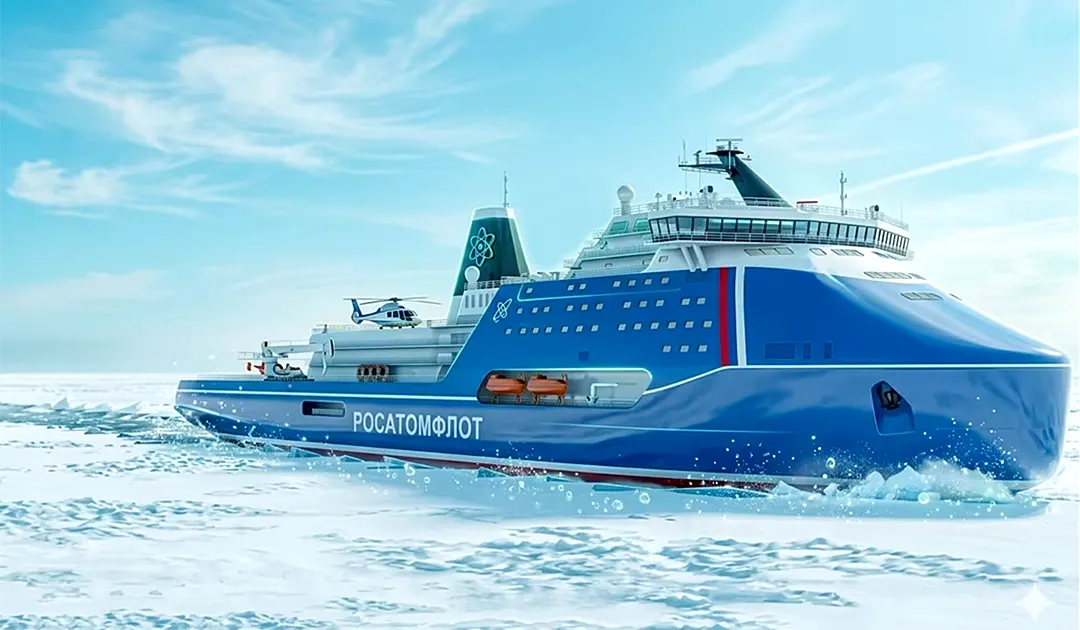
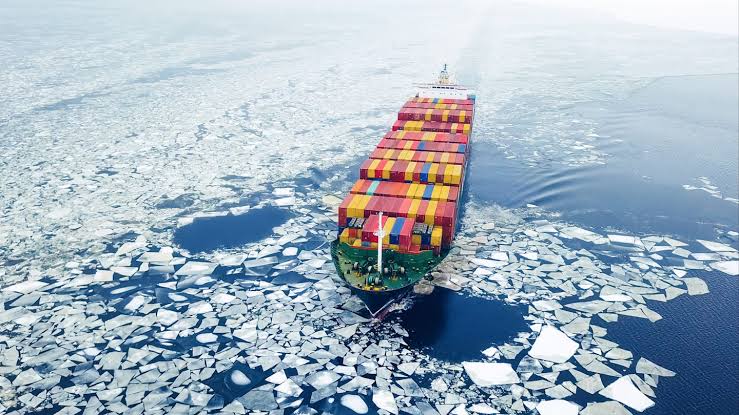
The Ice Silk Road is the maritime corridor across the Russian Arctic — principally the Northern Sea Route — connecting north-east Asian ports to northern Europe over the top of Eurasia.
It cuts thousands of nautical miles off the Suez passage during the open-water season, but depends on icebreaker escort, insurance appetite, Arctic port infrastructure at Murmansk and beyond, and a shifting sanctions and environmental picture.
By EuroAsia.News · · 12:41 · 5 min read
By EuroAsia.News · · 14:40 · 3 min read
By EuroAsia.News · · 17:15 · 3 min read
By EuroAsia.News · · 16:52 · 6 min read
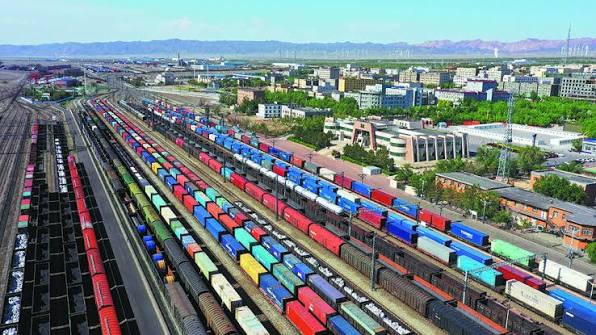
The Iron Silk Road is the container rail network binding Chinese manufacturing hubs to European terminals — the China-Europe Railway Express services and the wider Eurasian Landbridge.
Block trains move faster than sea freight and cheaper than air, and the network's economics turn on gauge changes at Khorgos and Małaszewicze, terminal capacity at Duisburg and its peers, subsidy policy, and route substitution when one corridor becomes unusable.
By EuroAsia.News · · 18:41 · 4 min read
By EuroAsia.News · · 12:41 · 5 min read
By EuroAsia.News · · 09:52 · 3 min read
By EuroAsia.News · · 18:44 · 2 min read
By EuroAsia.News · · 00:00 · 6 min read
By EuroAsia.News · · 08:42 · 4 min read
By EuroAsia.News · · 14:40 · 3 min read
By EuroAsia.News · · 17:15 · 3 min read
By EuroAsia.News · · 16:52 · 6 min read
By EuroAsia.News · · 09:23 · 4 min read
By EuroAsia.News · · 13:39 · 2 min read
By EuroAsia.News · · 17:33 · 3 min read
Related sections: EuroAsia, Economy, Energy.

Newsletter
A weekly summary of the reports that matters across Europe, Eurasia and the wider world. Delivered every Saturday morning.