Ukraine’s launch of the “Carpathian Eight” — C8 — in September 2026 is an attempt to turn that geography into a political and economic platform.
The idea has deeper roots. In 1993, regional authorities from Hungary, Poland, Slovakia and Ukraine created the Carpathian Euroregion in Debrecen; Romanian regions joined later. Its purpose was practical cross-border cooperation in trade, infrastructure, culture and local development. In 2003, Czechia, Hungary, Poland, Romania, Serbia, Slovakia and Ukraine signed the Carpathian Convention in Kyiv, creating a treaty framework for environmental protection and sustainable development. C8 now seeks to add a political, security and investment layer.
Kyiv presented C8 as a platform for security, energy, logistics, investment and cross-border development. A key objective is an EU Macro-Regional Strategy for the Carpathians, potentially becoming a fifth such framework after those for the Baltic Sea, Danube, Adriatic-Ionian and Alpine regions. Ukrainian officials said agreements worth more than €1 billion were concluded around the summit.
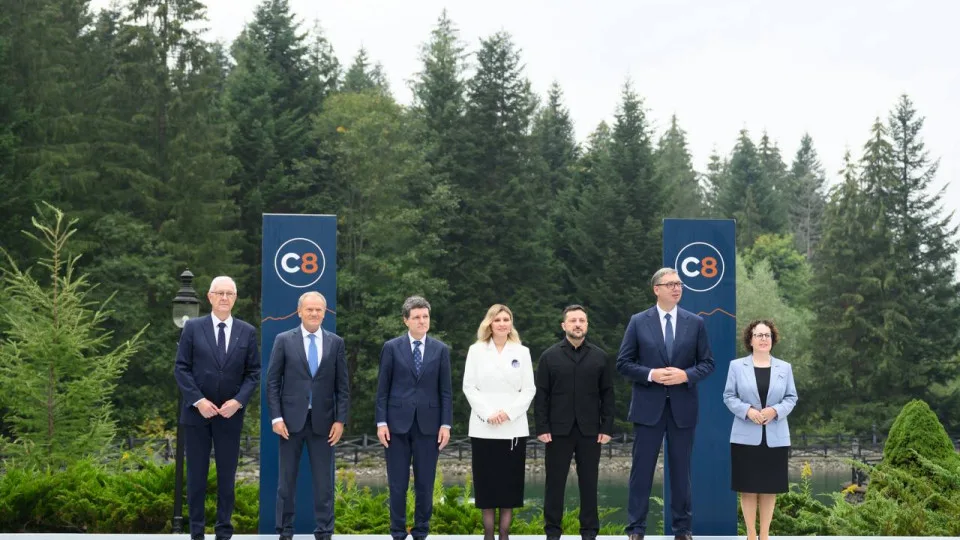
“The inaugural summit in Bukovel on 18–20 September brought together representatives of Ukraine, Poland, Slovakia, Czechia, Romania, Hungary, Austria and Serbia, alongside EU institutions and more than 500 business participants.”
EuroAsia.News, reporting from Budapest
But the meeting also exposed political limits. Hungary was invited and represented at diplomatic level, yet Prime Minister Péter Magyar later said Budapest had not agreed to join C8. Hungary did not sign the summit declaration; according to the Hungarian Foreign Ministry, Czechia also stayed outside it. Ukrainian Foreign Minister Andrii Sybiha criticised Budapest’s position, while Magyar argued that a country cannot be presented as a member of an international format without its consent.
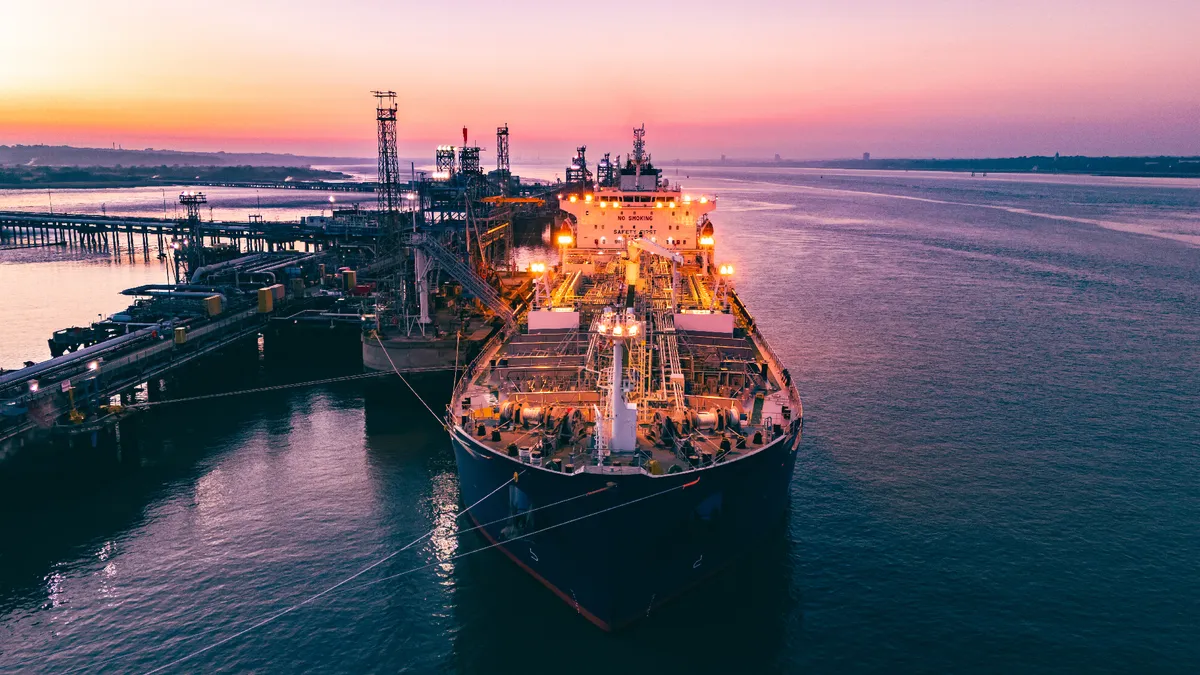
The dispute moved quickly into energy policy. During the summit, Ukraine’s Naftogaz and Hungary’s MOL signed a memorandum on possible petroleum-product storage facilities in Hungary near the Ukrainian border. The Ukrainian side described the project as a way to improve fuel-supply security by locating additional capacity beyond the reach of attacks on Ukrainian infrastructure. Magyar later said the Hungarian government had not approved such a project and that it would not proceed under the current government.
The episode illustrates C8’s central problem: companies and border regions may see commercial logic in deeper integration even when national governments disagree over sovereignty, energy policy and relations with Kyiv.
That tension also defines C8’s position between East and West. Six of the proposed eight countries are EU members; Ukraine and Serbia are EU candidates. The security map is less uniform: most of the proposed members are in NATO, but Austria and Serbia are not, while Ukraine remains a NATO partner rather than a member. C8 therefore crosses several existing political and security lines instead of simply reproducing one established bloc.
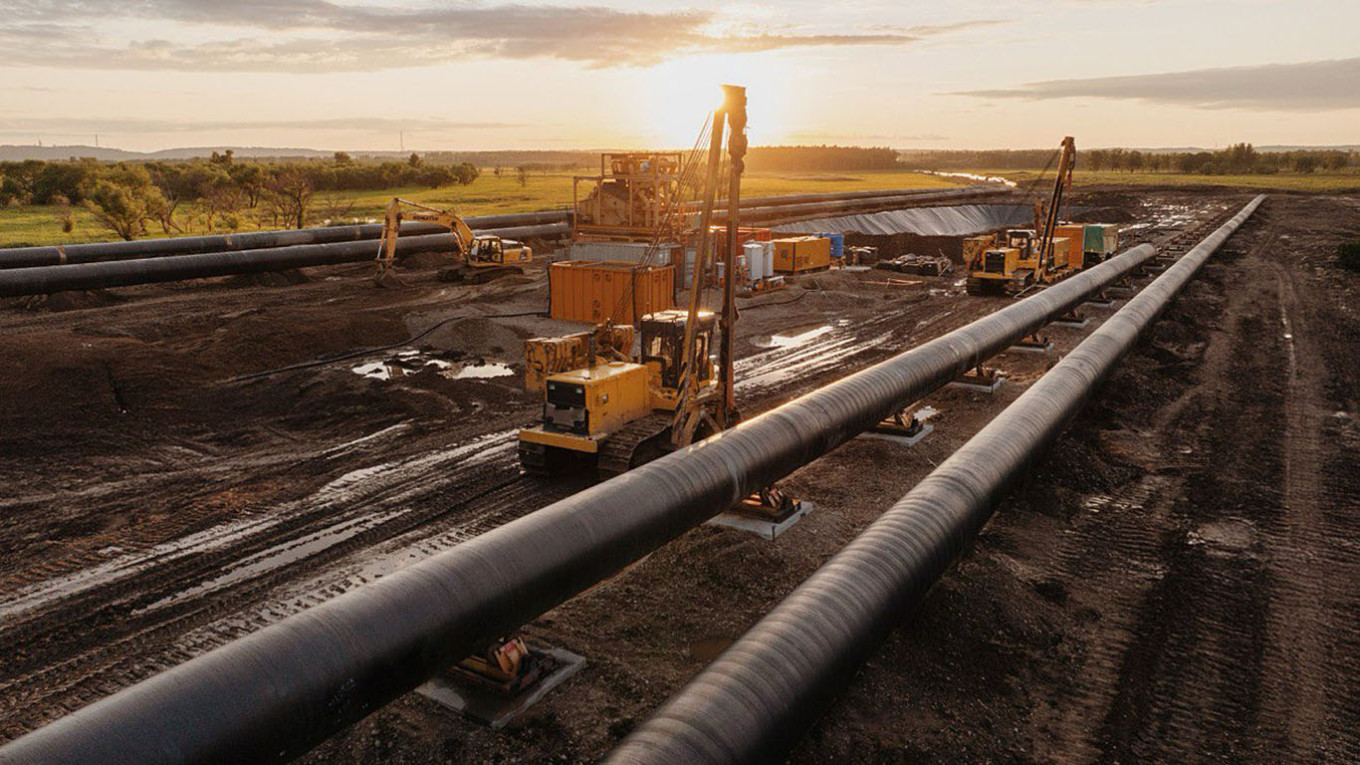
The region nevertheless has economic logic. It contains north-south transport corridors, energy networks and supply chains linking Ukraine and the Balkans with the EU core. Ukraine’s reconstruction could increase that importance substantially; C8 organisers are explicitly presenting the region as a common investment space rather than eight separate national markets.
If C8 develops mainly as a wartime geopolitical bloc, participation may remain uneven. If it concentrates instead on railways, roads, energy interconnectors, investment, tourism and regional development, it could become a practical meeting point for countries whose foreign-policy positions do not fully coincide.
For now, C8 is not a consolidated eight-member alliance but a proposed regional framework whose membership and political balance remain unsettled. The Carpathians have long marked a boundary between different European worlds. C8 is an attempt to make that boundary economically connected — without yet resolving where the region ultimately stands between East and West.