European natural gas prices have surged to approximately €1,006 per 1,000 cubic metres, threatening another winter of industrial pressure and higher household energy bills. With the EU preparing to end remaining Russian LNG imports on 1 January 2027, questions are growing about
Europe's energy costs and competitiveness.
Europe is facing another severe energy shock. Natural gas prices have climbed to their highest levels since late 2022, raising concerns about the future of European manufacturing, household energy bills and the continent's economic competitiveness.
“On 13–14 October, Dutch TTF benchmark prices reached approximately €86–87 per megawatt-hour, equivalent to roughly €1,000 per 1,000 cubic metres, depending on the gas's energy content.”
EuroAsia.News, reporting from Brussels
For European industry, this is more than another commodity price increase. It threatens to revive the problems that forced factories to reduce production, postpone investment and reconsider their European operations during the 2022 energy crisis.
Europe's Energy Problem Returns
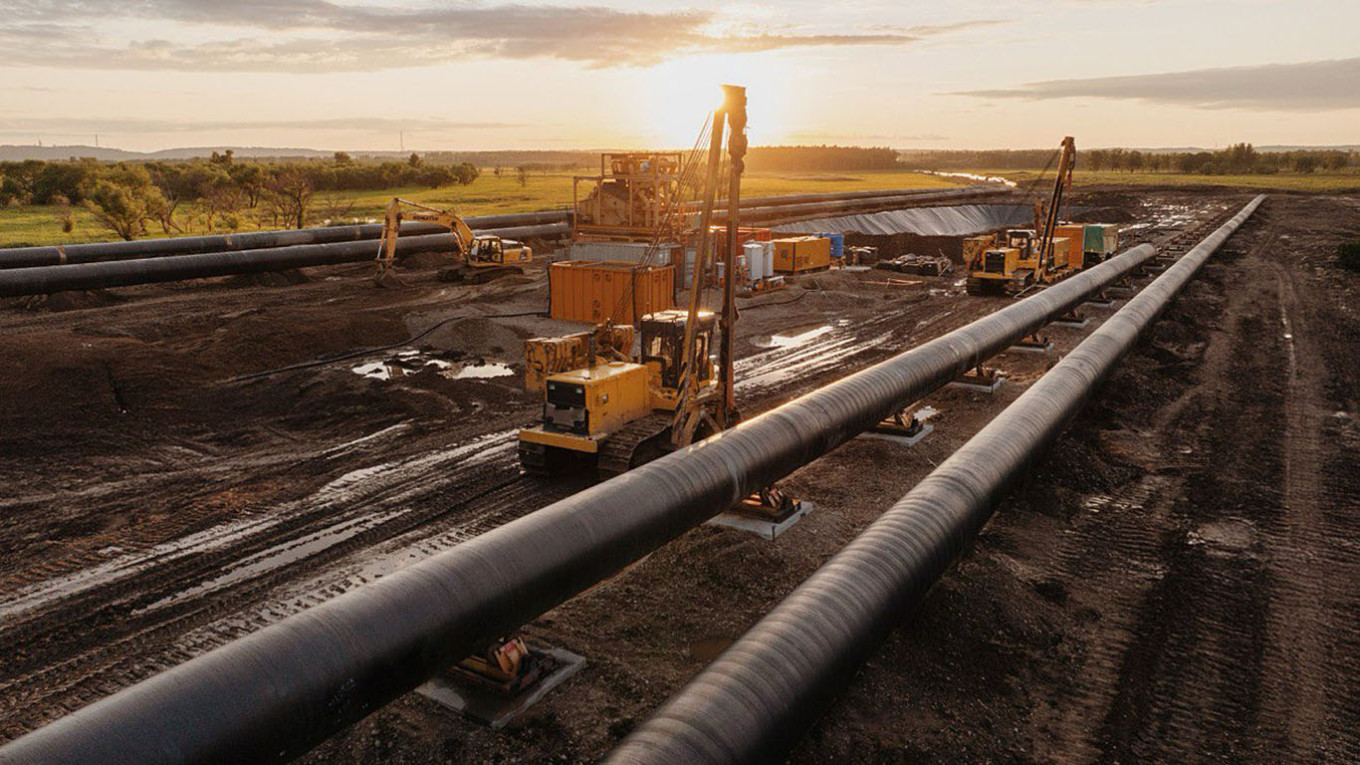
Before the Ukraine war, European industries benefited from substantial supplies of comparatively inexpensive Russian pipeline gas.
That relationship has largely disappeared.
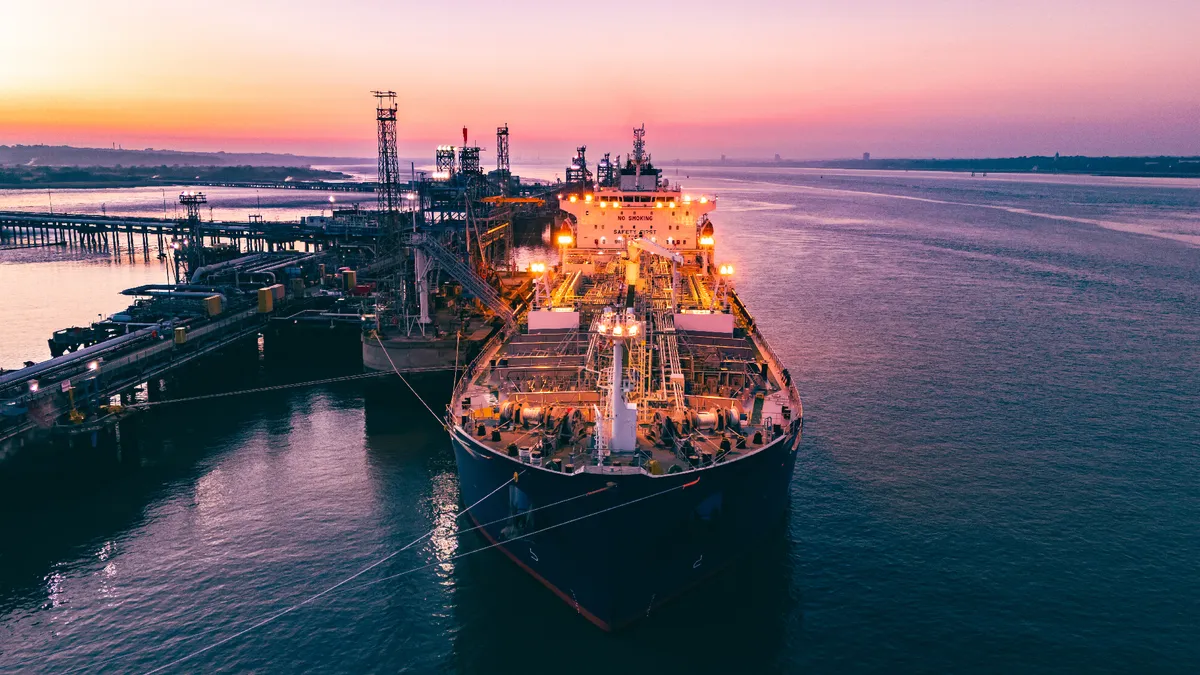
Europe now depends more heavily on liquefied natural gas transported by ship, exposing buyers to competition from Asian economies and disruptions in international shipping. The supposedly bad Russian but cheap gas dependency now is an international expensive gas dependency.
The latest surge is connected to instability in the Middle East, reduced LNG exports from Qatar and the United Arab Emirates, and concerns about insufficient European gas reserves.
European storage facilities are approximately 73–74% full, significantly below the normal level for this time of year.
With winter approaching, the combination of low reserves, uncertain supply and international competition is pushing prices higher.
Can European Industry Still Compete?
Energy-intensive industries face the greatest difficulties.
Chemical production, fertilisers, glass manufacturing, ceramics, steel and numerous other industrial sectors require large quantities of gas or electricity.
When gas becomes significantly more expensive, production costs rise immediately for companies buying at market-linked prices.
Manufacturers in the United States, the Middle East and parts of Asia may operate with substantially lower energy expenses.
European companies must therefore either absorb lower profit margins, increase selling prices or reduce production.
Each option carries consequences.
Higher prices weaken competitiveness, reduced margins discourage investment, and production cuts threaten employment.
The longer elevated energy prices persist, the greater the risk that companies shift future investment towards regions offering more predictable and affordable energy.
Industrial capacity that disappears can take years to rebuild.
Households Will Also Pay
The consequences will not remain confined to factories.
Wholesale gas prices influence household heating bills, although the effect depends on national tariffs, taxes, government support and individual contracts.
Households on fixed-price agreements may initially be protected, while consumers with variable tariffs can face increases more quickly.
Electricity prices can also rise because gas-fired power plants frequently influence wholesale electricity market prices.
Higher energy costs then spread through the wider economy.
Food production, transport, manufacturing and services all depend on energy.
The result can be renewed inflationary pressure at a time when many European households are still recovering from previous increases in living costs.
Germany is already considering an additional consumer levy to finance emergency gas reserves, although the proposed annual household charge is relatively small.
Russian LNG Ban Approaching
Europe faces another important decision at the beginning of 2027.
Under legislation adopted in January 2026, the EU will end imports of Russian LNG under existing long-term contracts from 1 January 2027.
Russian pipeline gas imports under eligible long-term contracts will be phased out later, generally by 30 September 2027.
The European Commission argues that ending Russian energy dependence is essential for security and prevents energy payments from supporting Moscow's war effort.
Critics, however, question whether Europe is sufficiently prepared to replace remaining Russian supplies at competitive prices.
The timing is particularly sensitive.
The LNG prohibition arrives during the heating season, when European gas demand is normally elevated.
Removing one source of supply from an already tight international market could increase pressure on alternative suppliers.
The impact will depend on available LNG cargoes, storage levels, weather and global demand. A price increase caused specifically by the January ban is not inevitable.
The Cost of Energy Diversication
Energy security and economic competitiveness are not necessarily conflicting objectives.
Reducing dependence on one supplier can improve resilience and reduce geopolitical vulnerabilities.
But diversification also needs sufficient infrastructure, competitive prices and reliable long-term supply contracts.
Europe must compete internationally for LNG while pursuing industrial decarbonisation and economic growth.
The risk is that expensive energy undermines the very industrial base required to finance Europe's energy transition.
The European Union therefore faces a difficult balancing act: protecting its security interests without allowing energy costs to permanently weaken manufacturing.
Another Winter, the Same Questions
The return of gas prices to levels unseen since 2022 demonstrates that Europe's energy difficulties have not disappeared.
For industry, the urgent issue is whether production can remain commercially viable.
For households, it is whether winter heating will again consume a growing share of family budgets.
For policymakers, the challenge is to demonstrate that replacing Russian energy can deliver diversity without sacrificing affordability.
Europe cannot build a competitive industrial future on permanently expensive and unpredictable energy.
As the Russian LNG deadline approaches, Brussels must show that its energy strategy can deliver not only political desires, but also the reliable and affordable supplies on which European prosperity depends.