Europe’s summer of 2026 is becoming an agricultural and industrial emergency. Repeated heatwaves, prolonged drought and rapidly evaporating soil moisture are damaging crops from Spain and France to Austria and Hungary. Almost nine million tons have reportedly been removed from European grain forecasts, representing losses of around €2 billion.
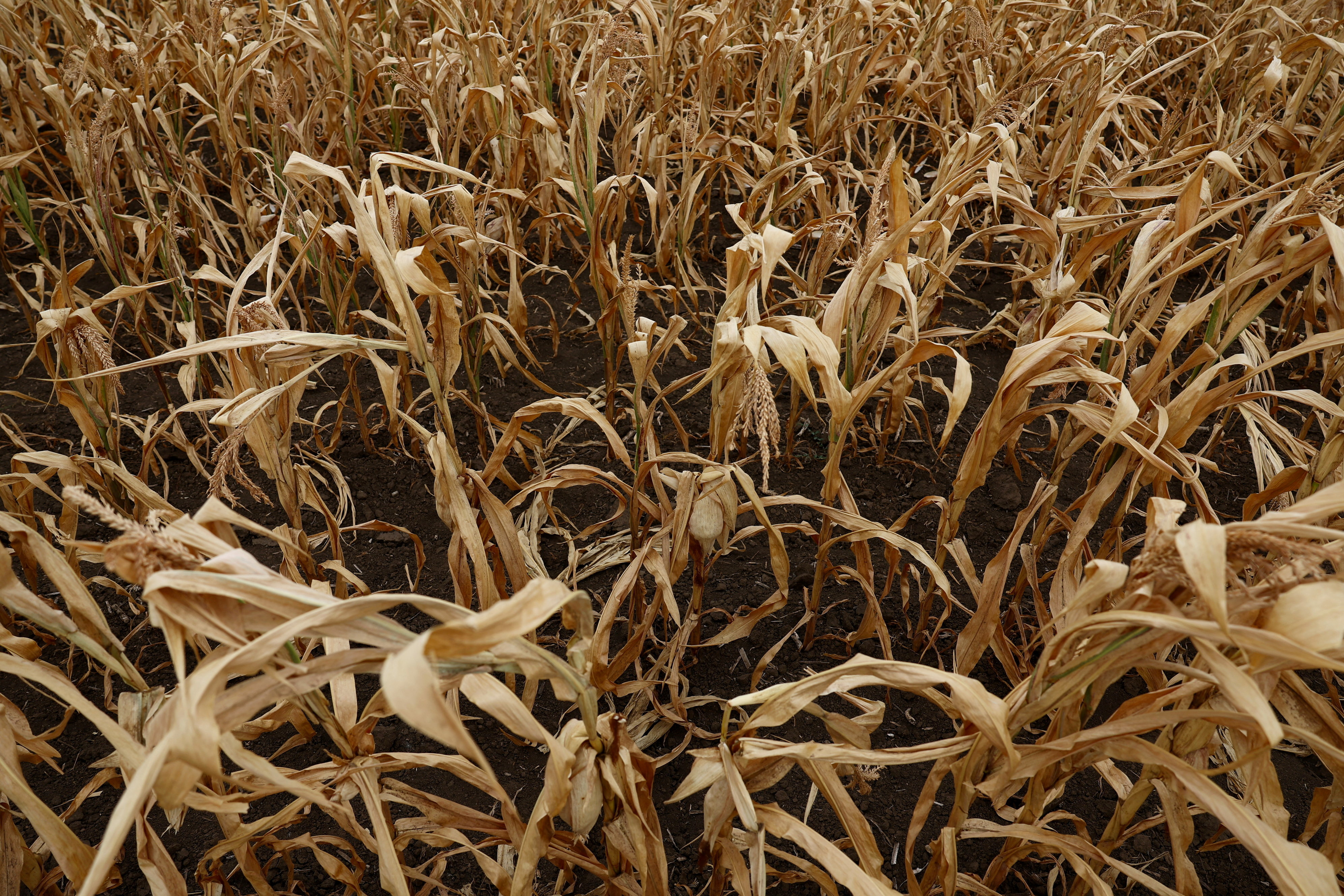
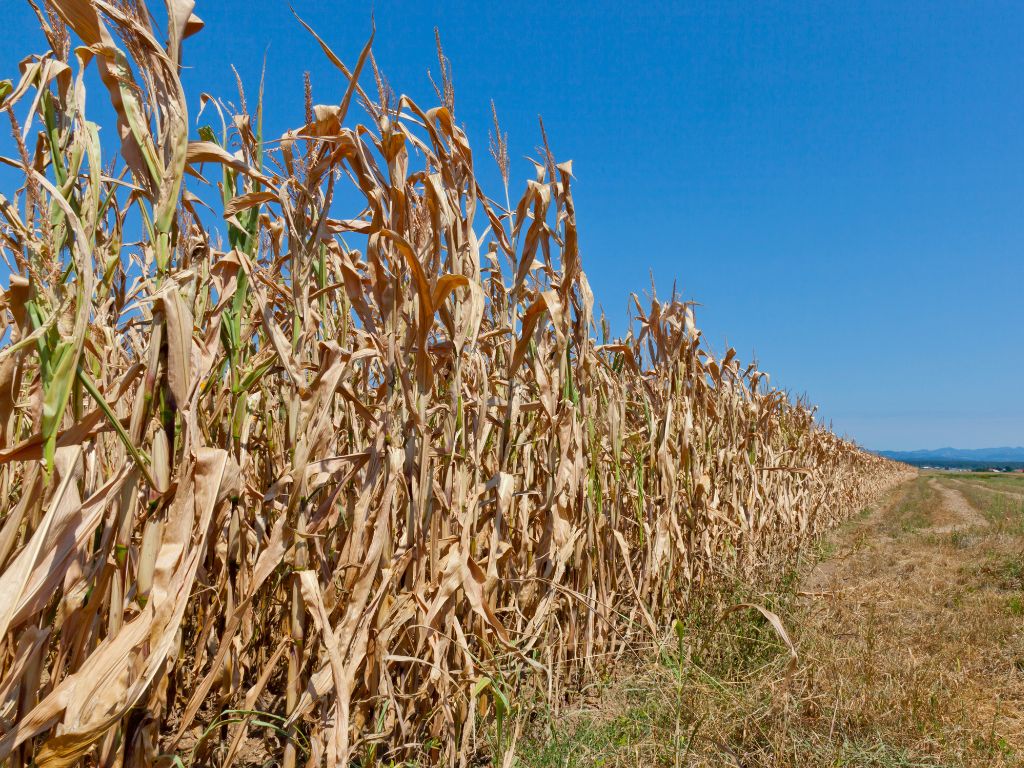
In Spain, extreme temperatures shortened the grain-filling period for wheat and barley, particularly in Castilla y León. French maize has suffered during flowering, with the country facing its weakest maize harvest in decades. In Austria, exceptional heat exhausted already-low soil moisture, forcing premature harvesting and raising concerns about grain size and quality. Hungary is among the worst affected: severe drought is damaging both winter cereals and summer crops, especially maize and sunflower.
Maize and sunflower expectations are down by 6–7%, while even winter-crop projections have been cut by 1–4%.
“The European Commission’s Joint Research Centre has reduced yield forecasts for all spring and summer crops.”
EuroAsia.News Editorial, reporting from Brussels
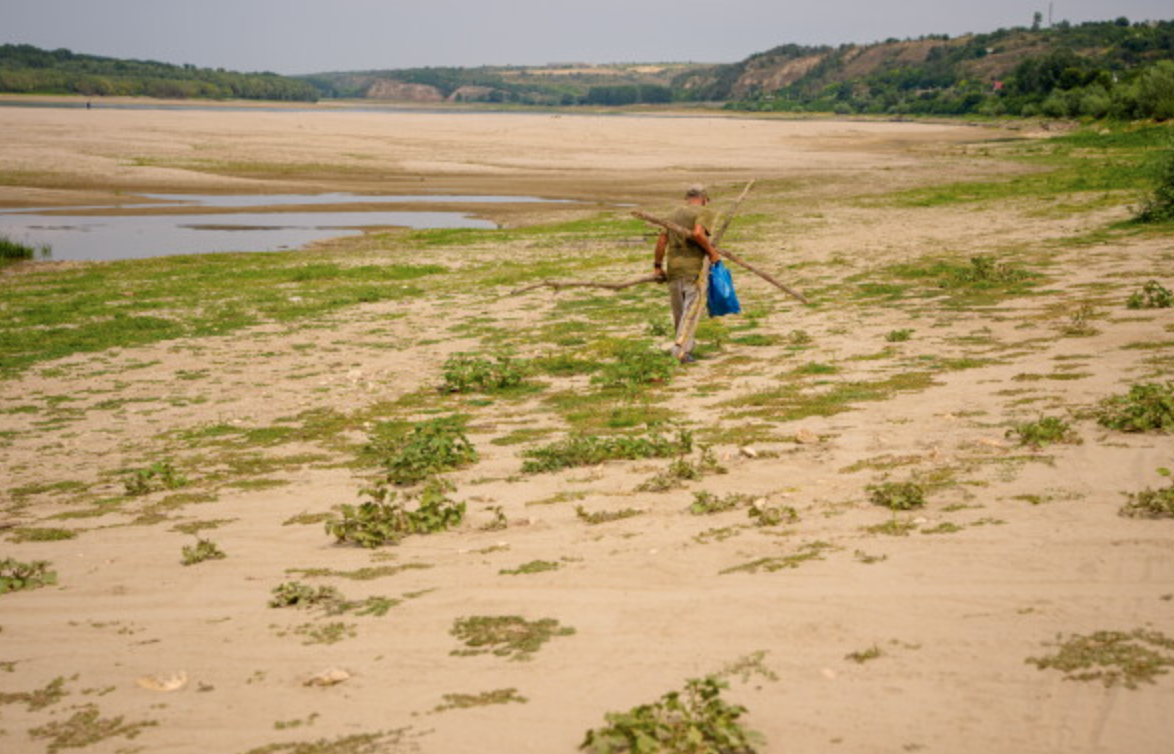
Hungary’s crisis now reaches far beyond farming. Record-low Danube levels have left insufficient cooling water for the Paks nuclear power station, which normally generates nearly half of the country’s electricity. Output has fallen below 50%, and the plant is scheduled to shut completely, possibly for several weeks. France has also reduced nuclear generation because rivers are too warm or too low.
Industry is being hit from several directions. Electricity demand is rising because of air conditioning while nuclear and hydropower production falls. Hungary has asked car, battery and oil companies to reduce consumption. Shallow rivers are preventing fully loaded barges from transporting grain, oil and chemicals, increasing dependence on more expensive road transport. Austria’s Verbund reported that poor hydrological conditions reduced first-half earnings by approximately €370 million.
The consequences will continue after temperatures fall. Smaller harvests mean higher food prices, greater import dependence and declining farm income. Food processors, livestock producers and retailers will face more expensive and less predictable supplies.
Traditional European agriculture will not disappear, but growing the same crops according to the same calendar is becoming unsustainable. Farmers are likely to reduce water-intensive spring and summer crops such as maize and move toward winter wheat, barley and other varieties that develop during cooler, wetter months and mature before the worst summer heat. Yet even winter crops are now vulnerable.
Europe must invest in drought-resistant seeds, efficient irrigation, soil restoration, water storage and redesigned energy systems. Otherwise, today’s exceptional harvest failure may become the normal European summer.