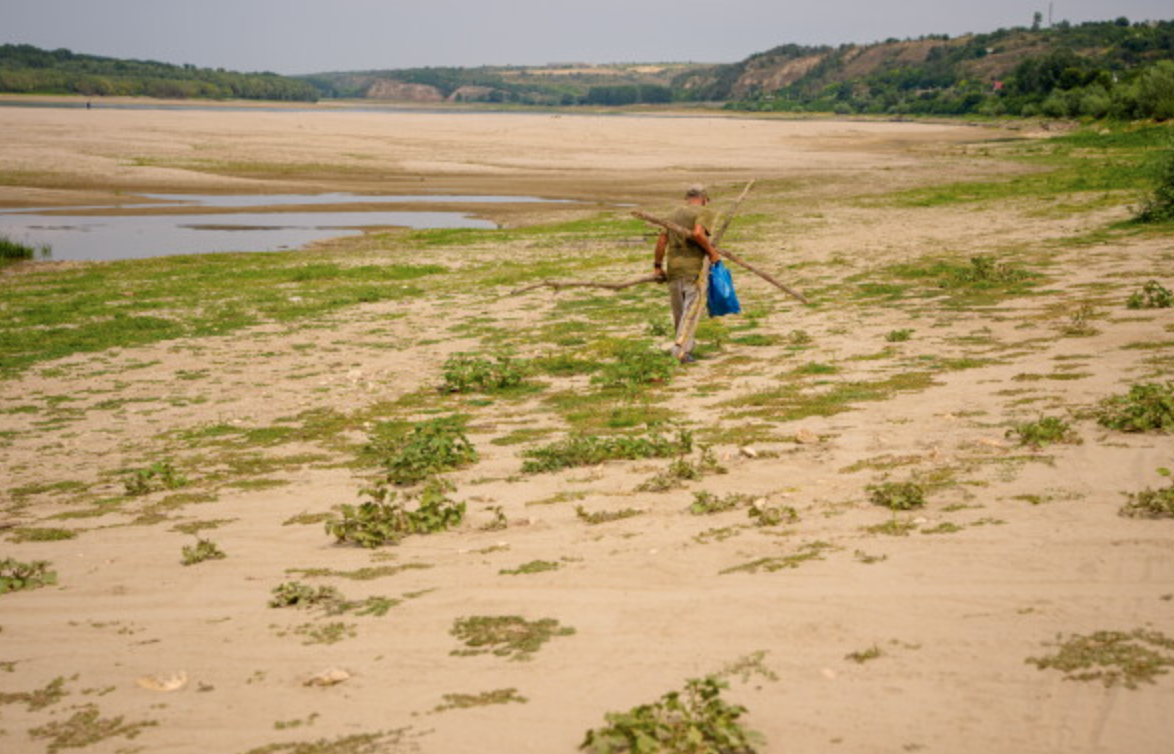
The EU itself has now put water security much higher on the political agenda. Its Water Resilience Strategy calls for at least a 10% improvement in water efficiency by 2030, with more than 50 actions covering infrastructure, digital monitoring, reuse and restoration of natural water systems. Brussels’ principle is significant: first reduce unnecessary demand and over-abstraction, then improve efficiency and reuse water; creating new supply should come later.
Spain: irrigation, recycling and desalination
Spain is already furthest down the road of adapting agriculture to permanent water scarcity. Around 22% of Spanish farmland is irrigated but produces roughly 70% of the value of vegetable production, making water security an economic necessity. Madrid is mobilising more than €2.5 billion through 2027 to modernise irrigation, introducing precision watering, automation, digital controls and lower-energy systems. The government is also expanding the use of treated wastewater and desalinated water; more than €216 million is being invested in 19 projects using non-conventional water in particularly dry regions. Spain also adopted revised special drought-management plans for its major interstate river basins in June 2026.
“Spain’s approach is therefore the most technology- and supply-oriented of the six: make each cubic metre more productive while adding recycled and desalinated water where natural rainfall can no longer be relied upon.”
EuroAsia.News
France: consume less before building more
France has chosen a noticeably different emphasis. Its 53-measure Plan Eau aims to reduce national water withdrawals by 10% by 2030, repair leaking networks, develop 1,000 water-reuse projects by 2027, improve storage in soils and aquifers and prepare authorities for drought restrictions earlier. By April 2026, the government said all measures had been initiated and 77% were already being implemented.
France is essentially betting that a large part of future scarcity can be managed through lower consumption, reuse and better allocation, rather than simply constructing more reservoirs.
Italy: billions for pipes, reservoirs and irrigation
Italy faces perhaps the biggest infrastructure problem. More than 40% of public water can be lost through ageing networks, according to the European Commission. Rome is therefore pursuing a heavily infrastructure-based strategy. The national programme currently contains 733 water projects worth more than €6 billion, with another roughly €1.7 billion being prepared for drinking-water and irrigation projects. Around €1 billion of recovery funding has already financed 124 interventions involving reservoirs and water-supply systems.
Italy is also expanding wastewater reuse and modern irrigation. Its basic challenge is straightforward: before finding new water, it must stop losing so much of what it already has.
Austria: protect drinking water before shortages arrive
Austria remains comparatively water-rich, but 2026 demonstrated that this advantage cannot be taken for granted. The country’s Drinking Water Security Plan focuses on interconnected supply systems, additional storage and extraction capacity, groundwater monitoring and regional emergency planning.
In 2025 alone, municipal water investment of about €898 million supported 330 kilometres of new pipelines, 376 kilometres of rehabilitation, 81 new extraction facilities and additional reservoir capacity. More than 3,800 groundwater monitoring points provide early warning of regional shortages.
Austria’s strategy is therefore primarily preventive resilience: strengthen networks before local wells and springs become unreliable.
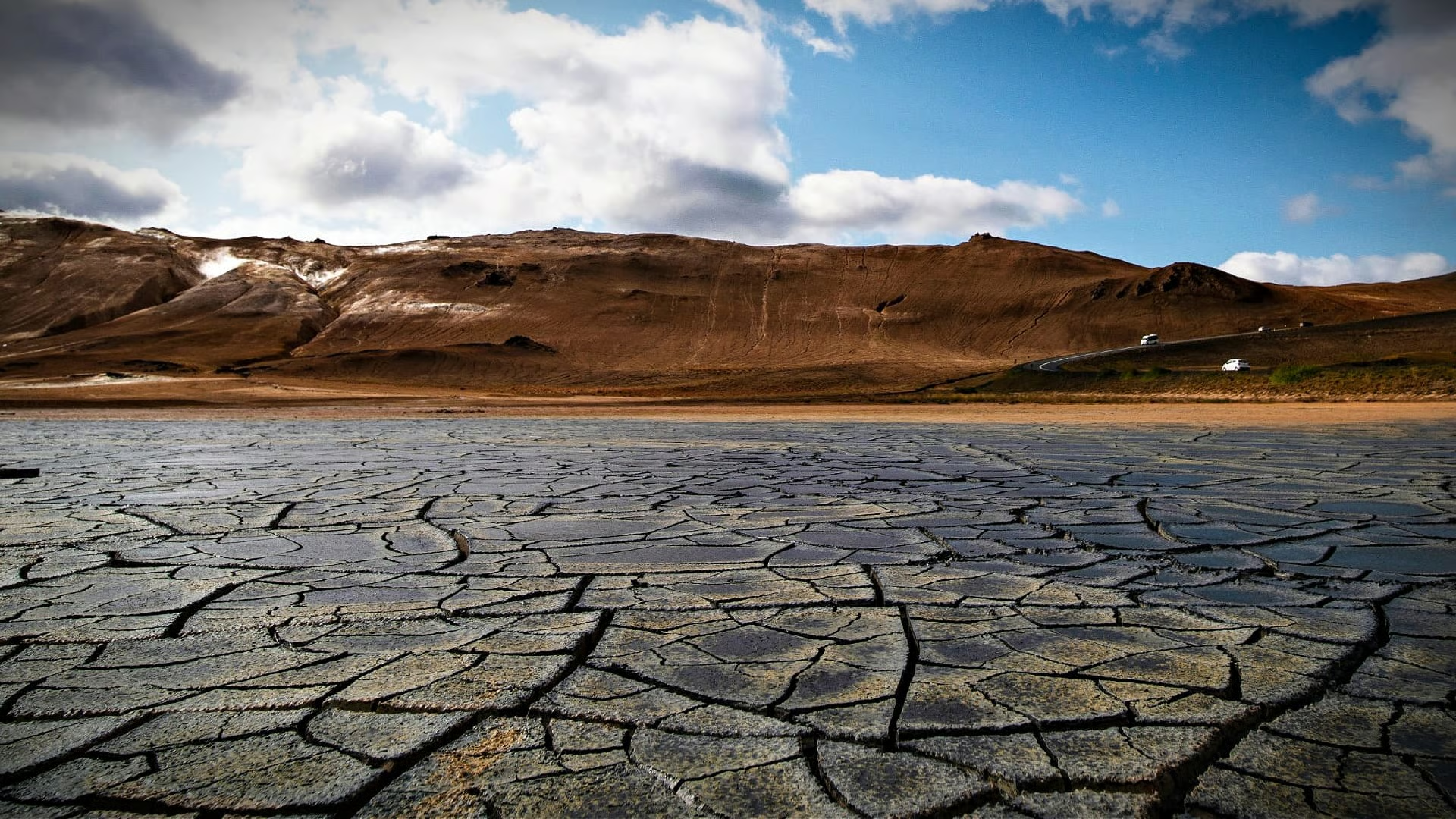
Germany: turn cities and landscapes into sponges
Germany’s National Water Strategy runs to 2050 and contains 78 individual actions. Instead of concentrating on large reservoirs, Berlin increasingly wants water stored across the landscape: restored wetlands, rewetted peatlands, natural floodplains, healthier forests and “sponge cities” with less sealed ground, more vegetation and rainwater storage. The government is also considering more consistent water-abstraction charges and stronger regional water networks where shortages develop.
Germany’s central idea is to stop treating rainwater as something that must be drained away rapidly and instead retain it for the next dry period.
Hungary: from draining water away to keeping it
Hungary is making perhaps the most dramatic philosophical change. Its new Sustainable Water Management Action Plan, adopted in August 2026, explicitly shifts policy from rapid drainage toward natural water retention. The government wants floodwater, rainfall and river water held in floodplains, former riverbeds, oxbow lakes, soils and groundwater. It says that during major floods the Great Plain could potentially retain 2–4 billion cubic metres of additional water.
The urgency is clear: by July 2026 Hungary’s accumulated rainfall deficit since 2021 had reached 554 millimetres nationally and more than 900 millimetres in parts of the Great Plain and Tisza basin. During the summer, water authorities were already retaining around 695 million cubic metres in reservoirs, channels and oxbows.
The six countries are therefore moving toward the same conclusion by different routes. Spain and Italy are investing heavily in engineering; France concentrates on efficiency and reuse; Austria on secure drinking-water networks; Germany on sponge landscapes; Hungary on keeping water inside the country rather than draining it away.
The next European water crisis will still depend on rainfall. But whether drought becomes an economic disaster will increasingly depend on what governments build — and what water they manage to save — before the rain stops.