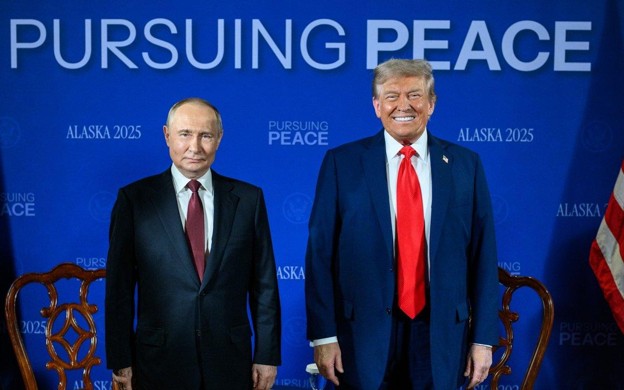
President Donald Trump’s October 9 agreement with Vladimir Putin to release Russian diesel onto American and global markets marks a significant reversal in US energy policy. Just weeks before the November 3 congressional midterm elections, Washington is relaxing restrictions designed to deprive Moscow of revenue for its war in Ukraine.
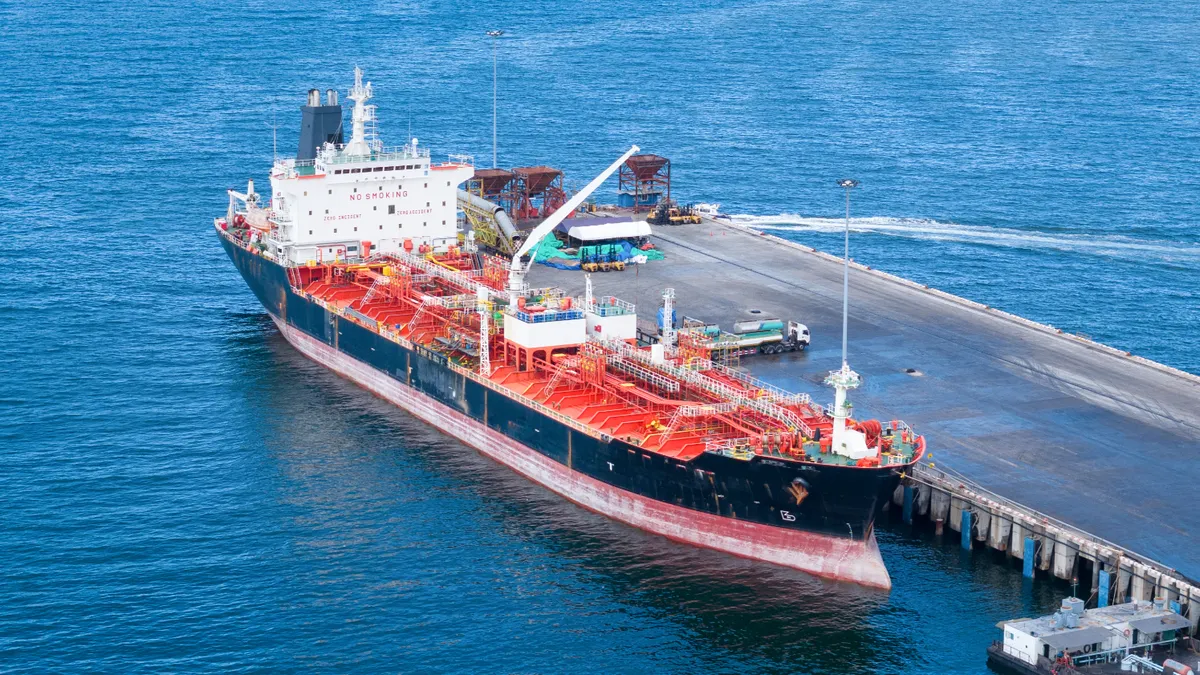
The agreement initially covers 300,000 metric tons of diesel, followed by 500,000 tons in November and another million tons thereafter. Trump also announced the possibility of an additional three million tons. The US Treasury has authorized Russian diesel transactions through April 7, 2027.
American fuel prices become an election issue
American diesel prices have reached approximately $6.28 per gallon, compared with $3.68 a year earlier. Higher transportation, agricultural and distribution costs are putting pressure on businesses and consumers.
Diesel is particularly important for trucking, farming and freight transportation. Rising costs ultimately affect supermarket prices and household budgets, making energy inflation a politically sensitive issue before the midterms.
Following Trump's announcement, diesel futures declined by approximately 5%. However, analysts question whether the relatively limited additional Russian supply can produce lasting price reductions.
“The immediate motivation is economic.”
EuroAsia.News, reporting from Washington
The agreement also creates a contradiction in Washington's policy: the administration recently approved stronger sanctions against Russian energy revenues but is now granting exemptions to ease domestic economic pressure.
Europe faces a new strategic dilemma
For Europe, the consequences extend beyond fuel prices.
Since Russia's 2022 invasion of Ukraine, European governments have invested heavily in reducing dependence on Russian energy. The new American arrangement raises questions about whether Washington and Brussels can maintain a coordinated sanctions strategy.
European countries may face increasing pressure from businesses and consumers asking why Russian energy should remain restricted in Europe while the United States authorizes additional Russian diesel trade.
Yet reopening energy relationships with Moscow would involve significant political and security considerations. Europe's objective has been not only to diversify suppliers but also to reduce Russia's ability to use energy exports as geopolitical leverage.
The US decision could therefore complicate European sanctions diplomacy without necessarily changing EU restrictions.
Ukraine risks losing economic leverage
For Kyiv, the timing is especially difficult. Ukrainian and European representatives were meeting American negotiators in Miami to discuss peace proposals when the diesel agreement was announced.
President Volodymyr Zelenskyy condemned the decision, arguing that additional Russian export revenues could finance further military operations.
Ukraine has repeatedly attacked Russian refineries to disrupt fuel production and weaken Moscow's war economy. Russia's refining capacity has suffered significant damage, contributing to shortages and export restrictions.
Kyiv has proposed reciprocal restraint: Ukraine would stop attacking Russian refineries if Moscow stopped striking Ukrainian energy infrastructure. No such agreement has been reached.
The broader concern is that sanctions relief without corresponding Russian concessions could weaken Ukraine's negotiating position.
Putin gains a diplomatic opening
For Moscow, the agreement offers more than potential export revenue.
Direct energy cooperation with Washington creates an opportunity to rebuild economic contacts while the war continues. It also demonstrates that Russian petroleum products remain relevant to global energy security despite Western sanctions.
However, the commercial details remain unclear, and Russia's damaged refineries may limit its ability to deliver the announced volumes.
What happens after November 3?
The midterm elections will determine the composition of Congress and influence the administration's ability to pursue its legislative agenda.
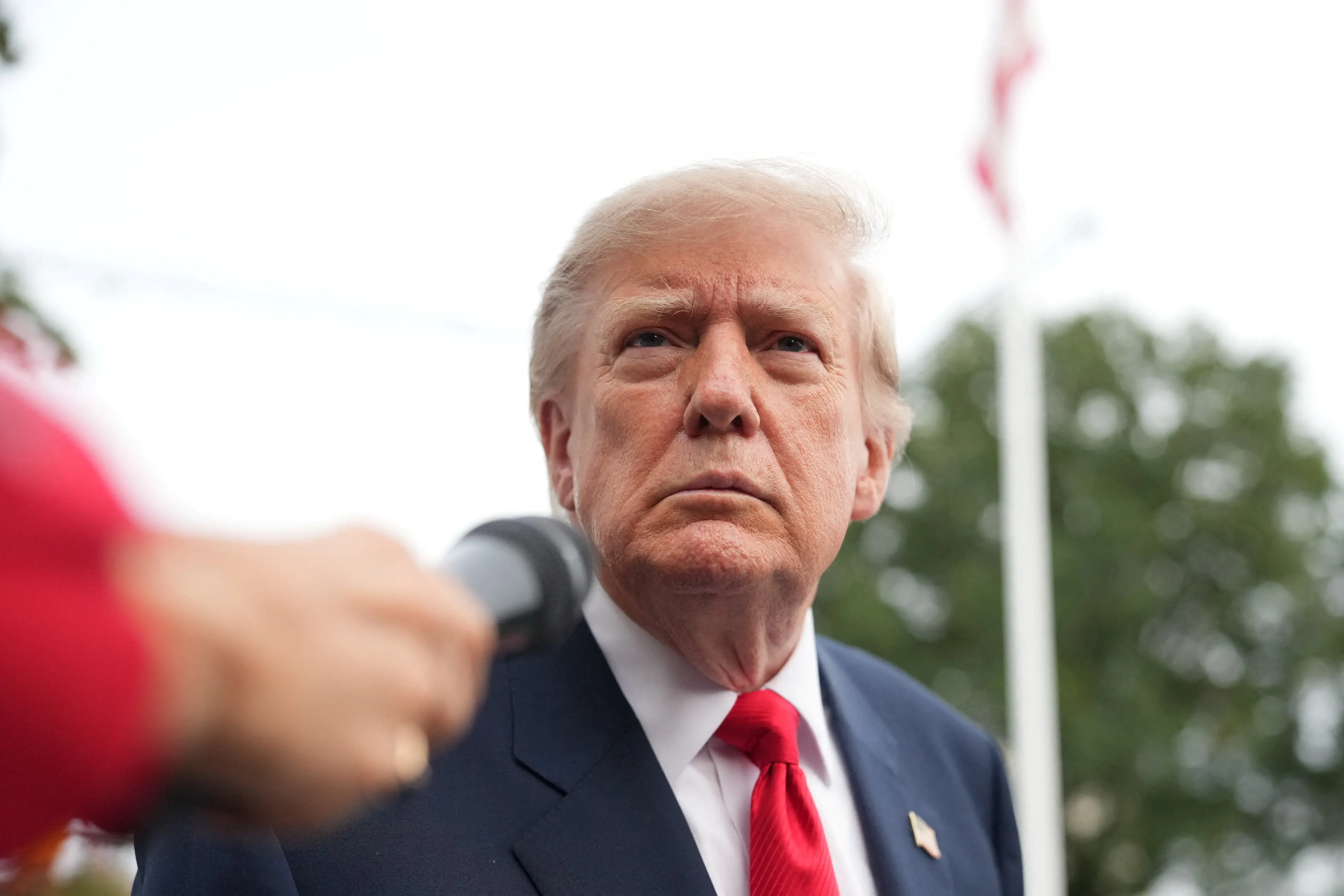
Democrats and some Republicans have criticized the diesel agreement, while Trump argues that lowering energy costs must remain a priority.
After the elections, Congress could increase scrutiny of sanctions exemptions, Russian energy transactions and assistance to Ukraine. The administration will also face questions about whether Moscow has offered meaningful concessions in return.
For Europe and Ukraine, the central uncertainty is whether Washington's temporary energy arrangement becomes part of a broader diplomatic settlement or remains a short-term response to high fuel prices.
The agreement highlights a difficult reality: American domestic energy needs, European security priorities and Ukraine's wartime objectives do not always align. How Washington manages those competing interests after November 3 may prove more consequential than the diesel shipments themselves.