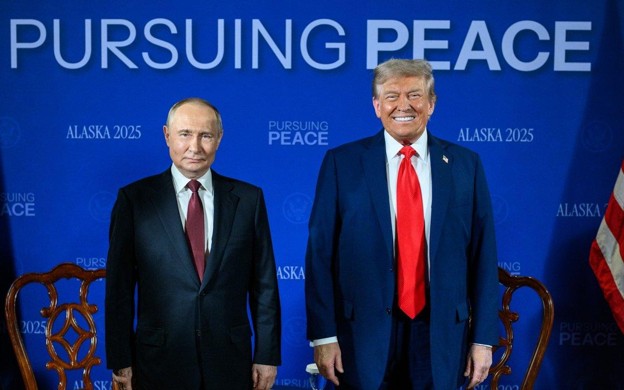
US President Donald Trump is accelerating diplomatic efforts to reach an agreement with Russia before the November 3 midterm elections. The emerging initiative combines a possible partial ceasefire, discussions about economic sanctions and increasingly direct pressure on Ukrainian President Volodymyr Zelenskyy.
American envoys Steve Witkoff and Jared Kushner met Ukrainian and European representatives in Miami on October 9 to discuss new proposals. One option involves suspending attacks on energy infrastructure and grain transportation without immediately ending ground combat.
This could reduce civilian suffering and stabilize energy and food markets.
However, a partial ceasefire would leave unresolved territorial disputes, security guarantees and the future military position of both countries.
Moscow has previously insisted that any settlement address the underlying causes of the conflict, while Kyiv demands enforceable security guarantees.
An agreement protecting infrastructure could provide breathing space for negotiations, but critics fear Russia could use a pause to consolidate military positions without withdrawing from occupied territory.
“A limited ceasefire instead of comprehensive peace The proposed arrangement would initially protect oil refineries, electricity infrastructure and agricultural export routes.”
EuroAsia.News, reporting from Washington
The frozen Russian assets question
Financial sanctions represent another potential bargaining instrument.
Approximately €260–300 billion in Russian sovereign assets have been immobilized internationally, with the majority held in Europe. Belgium-based Euroclear alone reported €202 billion in sanctioned Russian assets at the end of June 2026.
About $1 trillion in frozen Russian funds could be released under this propoposal.
Russia is seeking sanctions relief in connection with ceasefire discussions, but the scope of any potential concessions remains uncertain.
For Europe, the financial implications are substantial. Revenue generated from immobilized Russian assets has helped finance Ukrainian assistance. Releasing the underlying assets would require difficult legal and political decisions, particularly within the European Union.
Trump demands new Ukrainian leadership
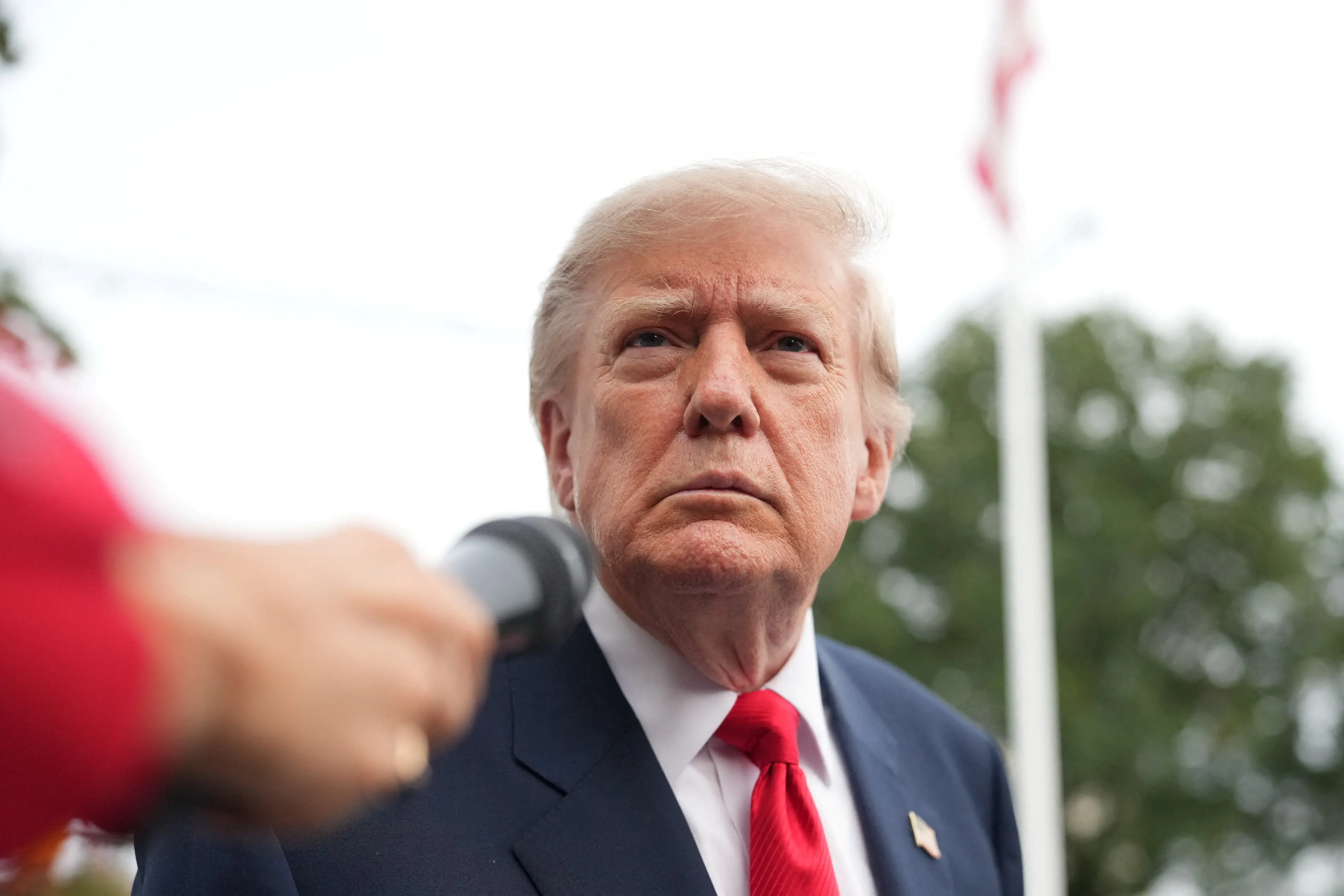
On October 10, Trump publicly suggested Ukraine should replace Zelenskyy with a president willing to negotiate an agreement with Russia.
His remarks followed a separate deal with Putin to supply Russian diesel to international markets, despite existing sanctions.
Trump also demanded that Ukraine stop attacking Russian refineries, warning that continued strikes could endanger American support.
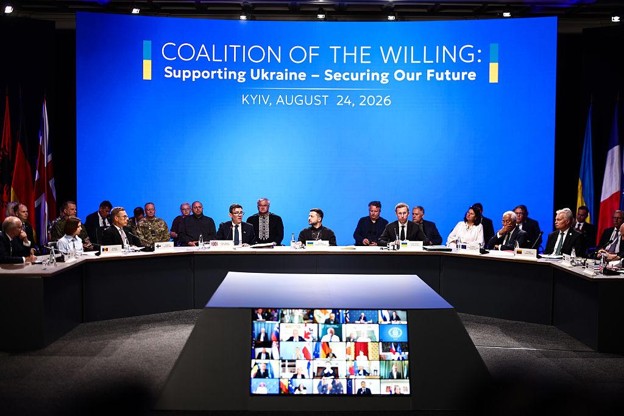
Ukraine remains under martial law, which prohibits national elections under existing legislation. Organizing a presidential vote during continuing military operations would raise major security and logistical challenges, particularly for soldiers, displaced citizens and millions of Ukrainians living abroad.
Kyiv argues that its leadership must be determined by Ukrainian voters rather than external diplomatic pressure.
Europe faces a costly strategic choice
European governments now confront three interconnected challenges: maintaining assistance to Ukraine, financing reconstruction and preserving transatlantic cooperation.
A US-Russia arrangement involving sanctions relief could undermine Europe's economic pressure on Moscow if implemented without European agreement.
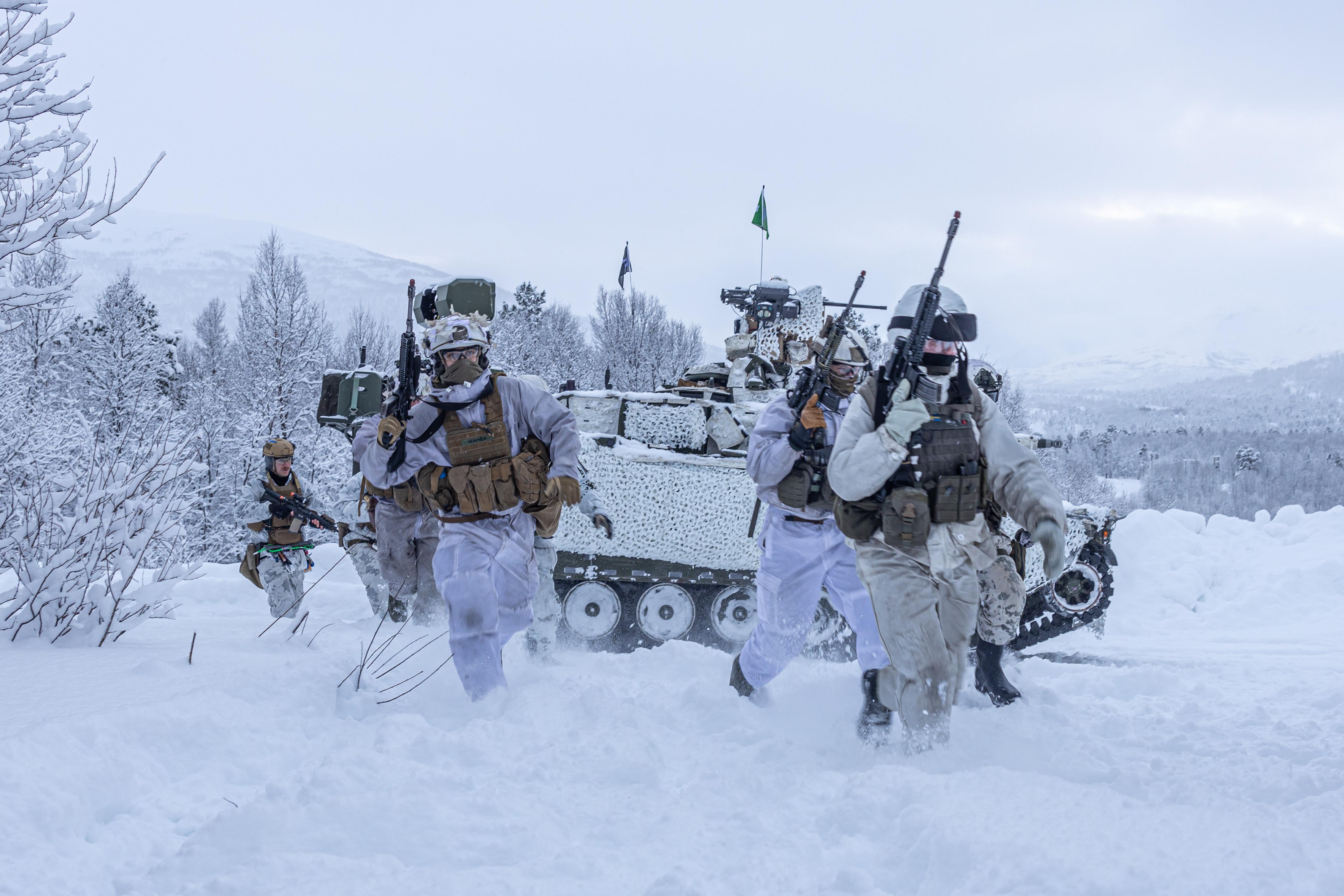
Germany, France, Poland and the Baltic countries have repeatedly stressed the need for credible guarantees preventing renewed Russian attacks.
Britain has reaffirmed its commitment to sanctions, while European governments continue debating how frozen Russian assets should support Ukraine.
Europe also faces growing defense expenditure and the possibility that Washington could reduce its financial and intelligence commitments.
Midterm elections accelerate diplomacy
The approaching American elections add urgency to Trump's initiative.
High diesel prices have become a domestic economic concern. The administration hopes that increased energy supplies and visible diplomatic progress will demonstrate its ability to address inflation and international conflicts.
Yet a quick agreement would not necessarily resolve the underlying security problems.
The central question is whether a partial ceasefire becomes the first stage of a durable settlement or institutionalizes a prolonged conflict along existing front lines. So far Europe has always pushed to continue war.