“Made in Russia” is a national export-promotion programme operated by REC. Over the past two years it has held festival-fairs in several Chinese regions, combining tastings, business meetings and retail sales. REC chief Veronika Nikishina told Kommersant that the programme was substantially rebuilt in 2023–2024: certification and trade fairs were supplemented by national pavilions, branded marketplace shelves, advertising and an online catalogue.
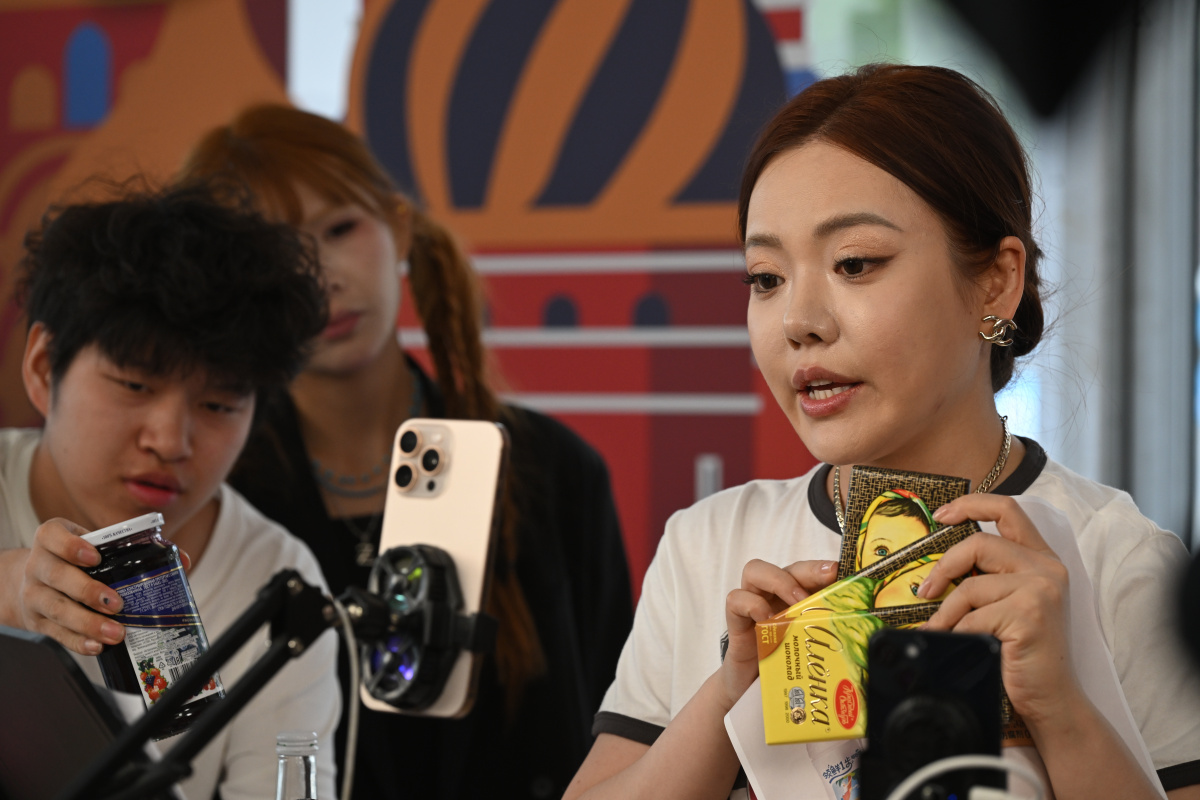
In China, “Made in Russia. Export Online” works through national stores on local e-commerce sites and Chinese partners familiar with payments, customs, warehousing and delivery. The digital sales system is a network, with 100 million subscribers. Especially for this event Yang Runxin, better known as Dandan, one of Kuaishou’s leading e-commerce influencers has been invited to present the Made in Russia online sales show..
Chinese viewers could order on Kuaishou with one click, while stock had been imported into China in advance. The broadcast drew 11.3 million views and, according to REC and Russian media, generated orders worth more than RUB 1 billion. Honey, chocolates and Medovik cake were among the strongest sellers.
“During a 5 hours livestream, she presented more than 100 Russian products, including chocolate, honey, seafood, waffles, jam and birch sap.”
EuroAsia.News
Food is a natural test category. It is easy to demonstrate, carries a connection to place and culture, and encourages repeat purchases. China is already Russia’s largest agricultural customer: Russian agricultural exports there were valued at $6.4 billion in 2024, led by seafood, vegetable oils, grains, oilseeds, meat and processed foods. Yet entry remains demanding. Producers must adapt labels and packaging, meet sanitary rules, maintain local inventory and protect brands from imitation.
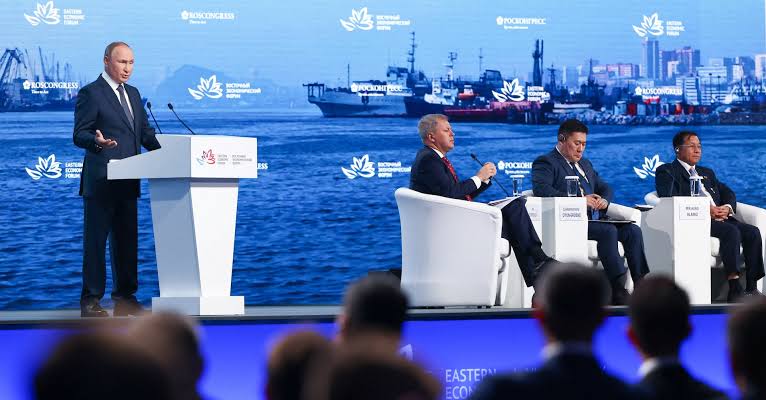
This is where the Eastern Economic Forum matters. Vladivostok is both a meeting place and Russia’s commercial gateway to Northeast Asia. By bringing exporters, REC, logistics operators, marketplaces and Chinese influencers together, the forum turns goodwill into a route to market. A livestream can create demand, but repeat sales require warehouses, reliable delivery, recognised certification and trusted local partners.
The billion-ruble broadcast was therefore less a one-off spectacle than proof of concept. If repeated responsibly, “Made in Russia” can help smaller food producers enter China without building a retail system alone.