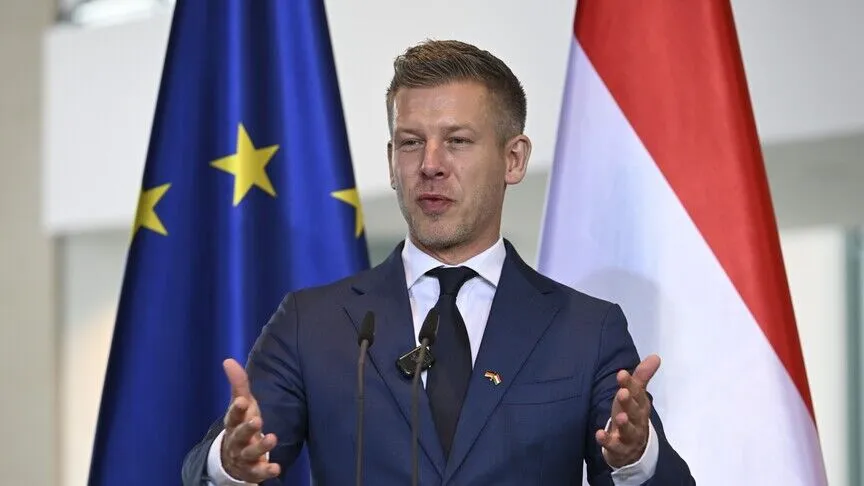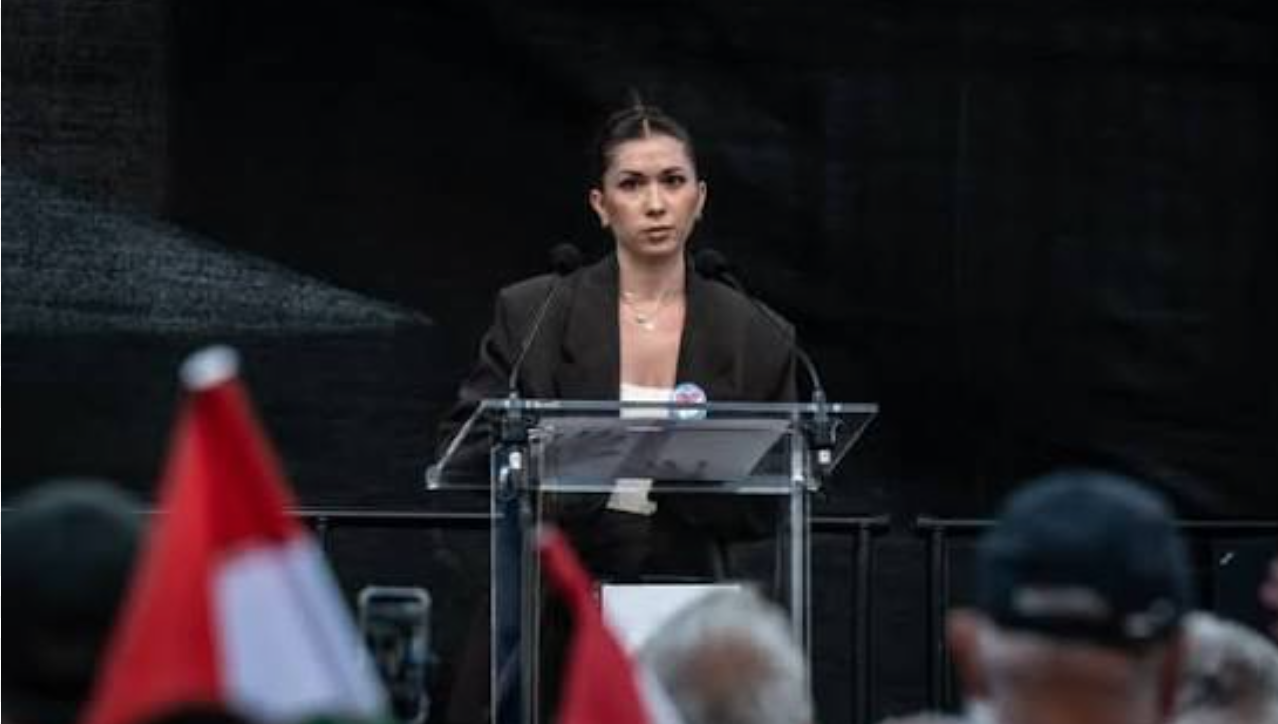
Nearly three months have passed since Hungary’s 2026 election, and the Tisza government took office. Péter Magyar promised systemic change, accountability and the rapid release of frozen EU funds. The new cabinet has indeed begun working at great speed, but a growing number of people are asking whether Hungary is experiencing genuine democratic renewal—or merely a radical change to dictatorship.
One of the government’s most controversial moves was an amendment to the Fundamental Law that made it possible to remove President Tamás Sulyok. According to the president, the tailor-made amendment had no constitutional basis and threatened the rule of law. The prime minister, however, warned that if Sulyok refused to sign the amendment, proceedings could be initiated to remove him from office. After the removal it turned out that the government even doesn’t have a plan who will replace the president. Because of the way how he was removed potential candidates are politely declining.
Ministers, former MPs and senior state officials have been detained including their secretaries and staff members. Beginning August a new Super Authority will start, which has been put above police, court and judges and directly responses to prime minster Magyar without any juridical control.
“Meanwhile, efforts to hold former government officials “accountable” have begun.”
EuroAsia.News Editorial, reporting from Budapest
The tone inside Parliament has also become troubling. Péter Magyar personally threatened opposition MPs with imprisonment and, during a parliamentary recess, removed documents from Péter Takács’s desk. The prime minister claimed that he was merely taking back examination materials he had previously handed over, while the opposition politician described it as the unauthorised removal of his papers and not examination materials.
One supposedly positive development is that the way has opened for Hungary to access approximately €10 billion in EU grants and loans. The money has not yet arrived, however, and further reforms must be completed by the end of August. But these reforms are not being disclosed neither to parliament nor the public. And despite their assurances before elections that the new government will run an open government and be open to the press, exactly the opposite is happening. Communication mostly occurs only through Facebook posts and selected press conferences. Meanwhile ministers and parliament representatives are hiding or even running away from journalists when being asked in parliament.
Voters demanded change. After three months, however, the decisive question is no longer who is investigated, but whether the new government will respect the rule-of-law principles it promised. Or fulfill a political and personal vendetta with all possible means, while the EU is looking away, because most important was just the removal of Viktor Orban.