The EU's decision to remove Canada's proposed associate membership from its summit declaration exposes a fundamental contradiction in Europe's geopolitical ambitions.
The European Union has stepped back from a groundbreaking proposal to make Canada its first associate member. Ahead of the EU–Canada summit in Montreal on 29–30 October 2026, several European governments, led by Germany, opposed the designation, forcing it out of the draft joint declaration.
Instead, Brussels and Ottawa are pursuing an "ever closer association", without creating a formal membership category.
The distinction is important: Canada was never an EU associate member, and the proposed status does not exist under current EU treaties. The dispute concerns a new political framework, not the withdrawal of existing rights.
Germany Challenges von der Leyen
European Commission President Ursula von der Leyen introduced the associate membership concept in September, envisioning a new relationship that would bring Canada closer to the EU than any previous non-member partnership.
Germany, France, Italy and Greece raised objections. Their concern was not primarily Canada itself but the legal and political consequences of introducing an undefined membership category.
Would Canada obtain access to EU programmes without the obligations of full membership? Could it participate in European decision-making? And what precedent would this establish for Ukraine, Norway, Switzerland or other partners?
German Chancellor Friedrich Merz's government argued that the practical substance of cooperation should be negotiated before creating a new institutional label.
Nevertheless, von der Leyen continued advocating the concept during the Montreal summit, demonstrating that the political dispute remains unresolved.
A €130 Billion Partnership Already Exists
The disagreement contrasts sharply with the impressive expansion of EU–Canada economic relations.
According to European Commission figures, bilateral trade in goods and services reached €130 billion in 2025, compared with €72.1 billion in 2016—an increase of approximately 80%.
Merchandise trade amounted to €81.5 billion, while services contributed approximately €49 billion.
European goods exports to Canada reached €48.8 billion in 2025, against imports of around €33 billion, producing a European trade surplus approaching €16 billion.
Under the Comprehensive Economic and Trade Agreement (CETA), provisionally implemented in September 2017, the two economies eliminated tariffs on approximately 98% of tariff lines.
Together, Canada and the EU represent approximately 490 million people, almost one-fifth of global GDP and around 19% of international trade in goods and services.
Yet CETA itself has still not received full ratification across the entire EU, illustrating the institutional challenges facing deeper integration.
Canada Wants to Reduce Dependence on Washington
For Canadian Prime Minister Mark Carney, closer European cooperation has become increasingly important amid trade tensions with the United States.
Approximately 72% of Canada's merchandise exports went to the American market in 2025, making the country exceptionally exposed to US tariff policies and political decisions.
The EU, although Canada's second-largest trading partner, accounts for less than one-tenth of its merchandise trade.
Diversification therefore represents a strategic objective rather than a short-term commercial adjustment.
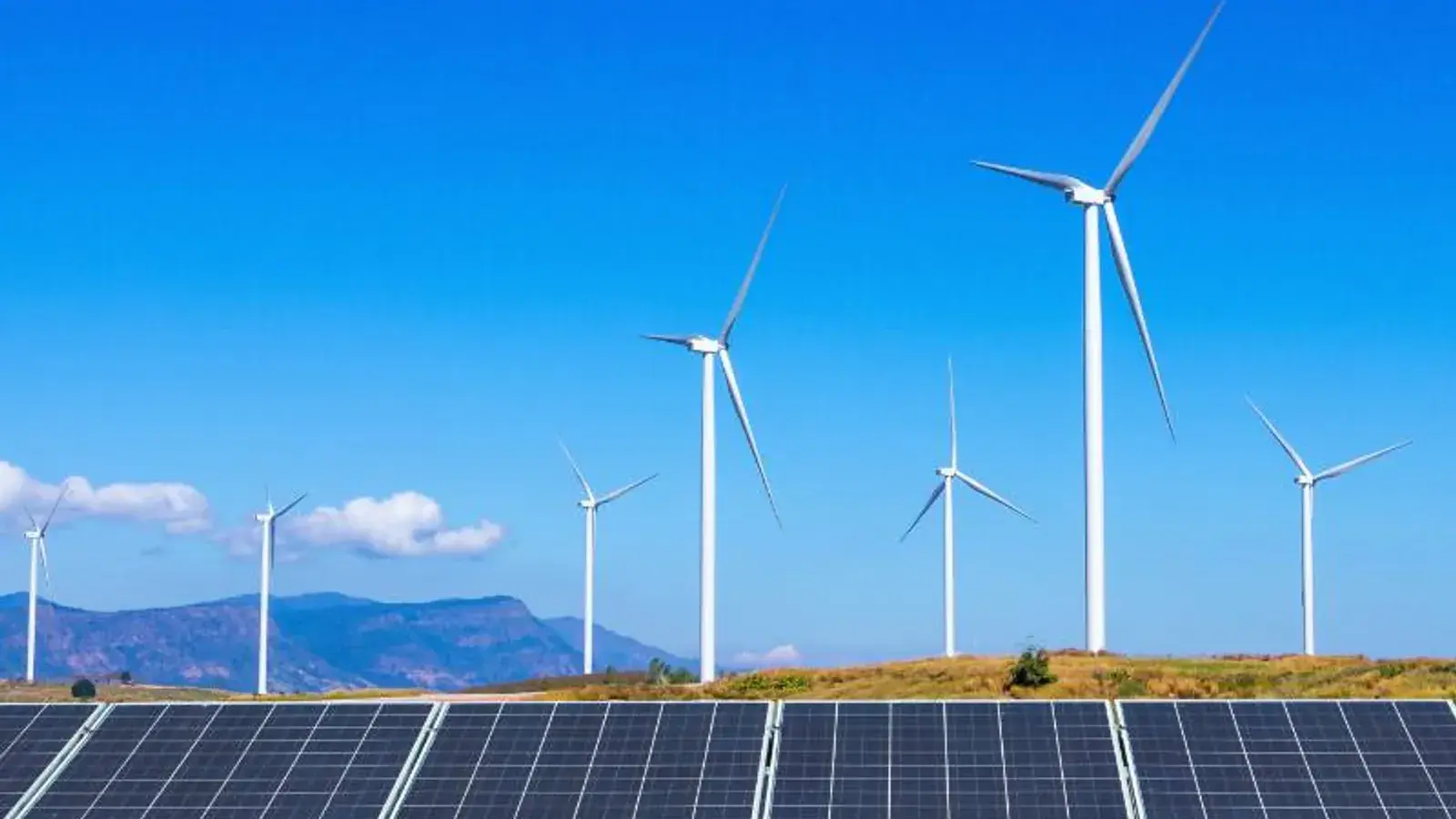
Closer European integration could provide Canadian companies with new opportunities in advanced manufacturing, defence, energy, artificial intelligence and critical minerals.
However, replacing the advantages of geographic proximity to the United States would require substantial investment and many years of industrial restructuring.
Defence, Energy and Critical Minerals
The partnership also has an increasingly important security dimension.
Canada possesses major resources of uranium, nickel and other strategically important minerals, while Europe is seeking to reduce dependence on concentrated foreign supply chains.
Defence cooperation is expanding, supported by the EU–Canada Security and Defence Partnership signed in June 2025 and Canada's participation in European defence financing arrangements.
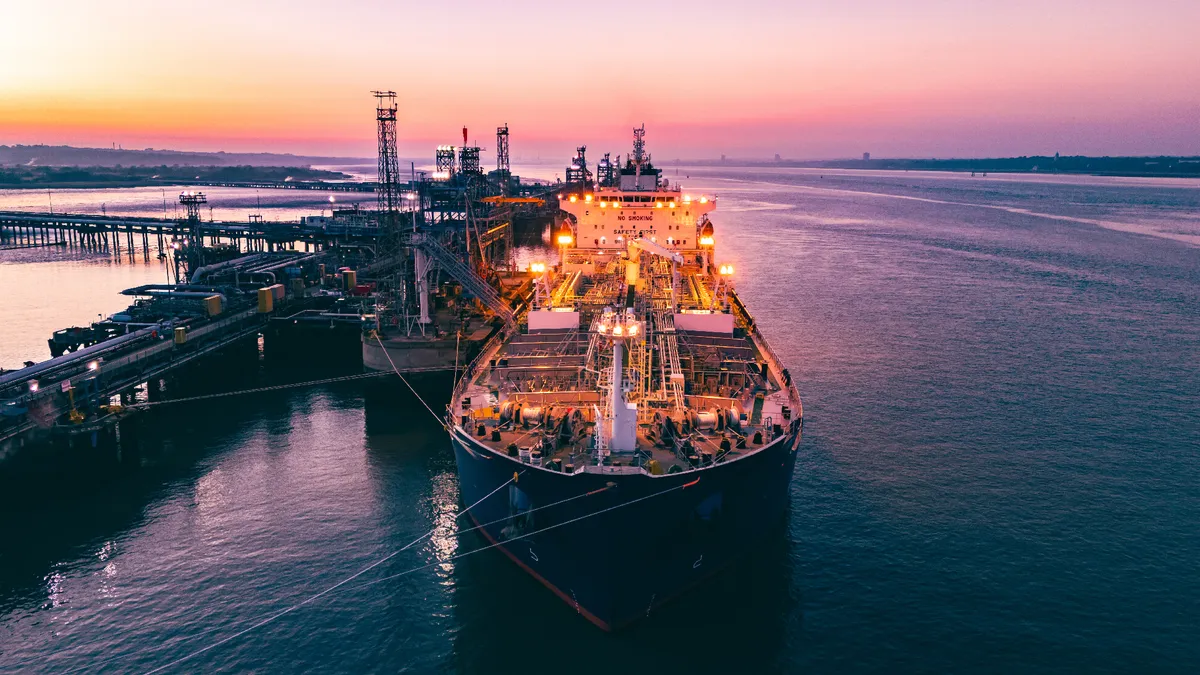
Both sides are also discussing energy cooperation, including the feasibility of additional Canadian liquefied natural gas exports to Europe.
Digital infrastructure, artificial intelligence, research and transatlantic connectivity provide further opportunities for integration.
The economic and security agenda therefore remains substantial even without associate membership.
Europe's Strategic Contradiction
The dispute highlights a persistent weakness in European foreign policy.
Brussels wants the EU to become an independent geopolitical power, capable of forming strategic partnerships beyond its traditional regional boundaries.
Yet major initiatives require agreement among 27 governments with different national interests, legal concerns and political priorities.
Creating a privileged relationship with Canada could also raise difficult questions about European countries still awaiting EU accession or seeking closer institutional ties.
The problem is not whether Canada is a desirable partner. It is whether Europe can establish new forms of international integration without undermining its existing institutional structure.
What Happens Next?
The Montreal summit is intended to establish an ambitious "Alliance for the Future", covering trade, defence, technological cooperation and economic security. The precise institutional arrangements are expected to be developed further ahead of the 2027 summit.
Canada's government has emphasised practical cooperation over political terminology, while von der Leyen continues to promote her original vision.
Europe's strategic dilemma is clear: it wants to build a global network of powerful partners, but its member states have yet to agree how far political integration beyond the EU's borders should extend.
For Canada, the immediate priority is achieving concrete economic and security benefits. For Europe, the controversy raises a more fundamental question: can the EU become a global strategic power while remaining constrained by its own internal divisions?