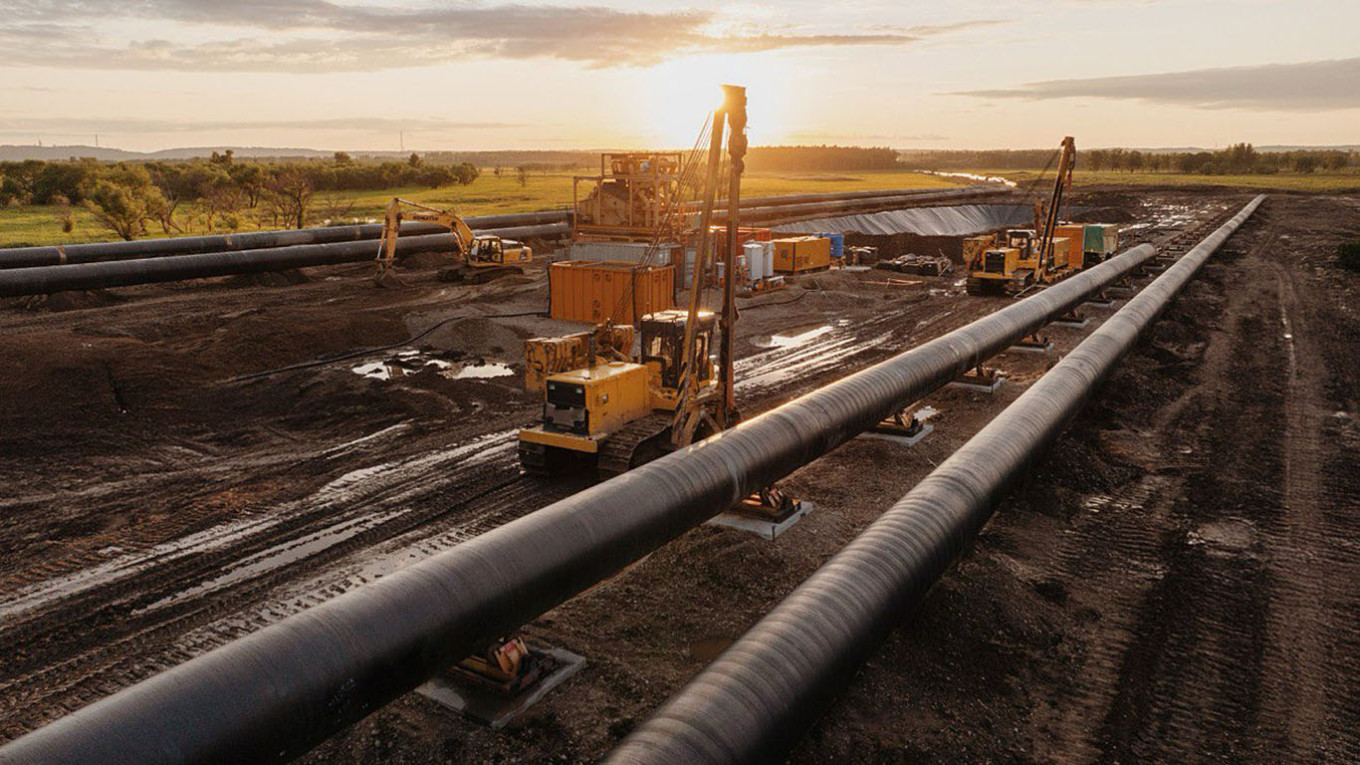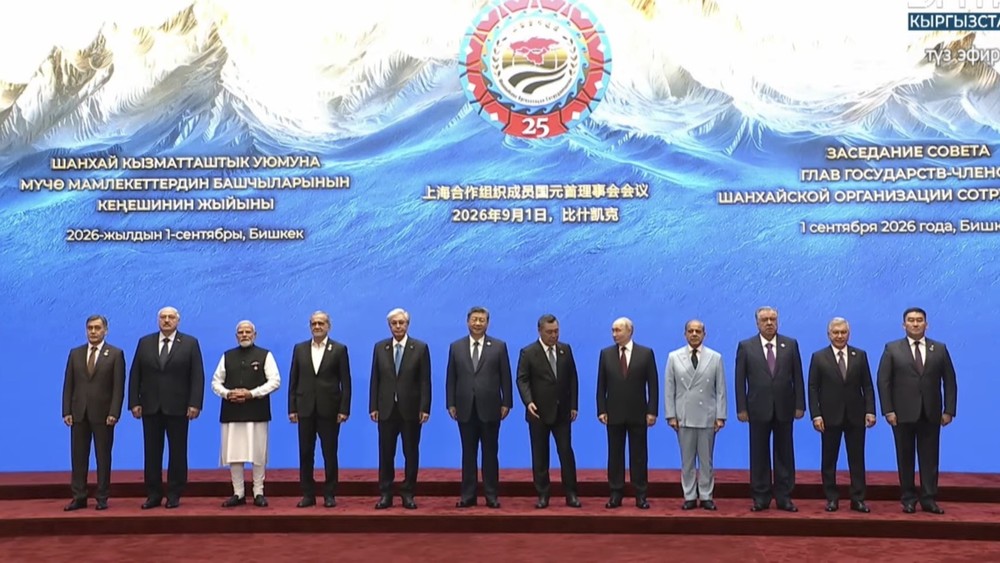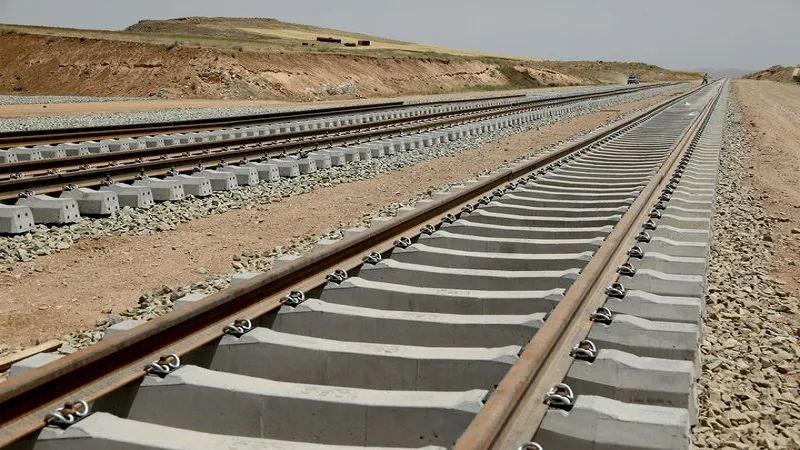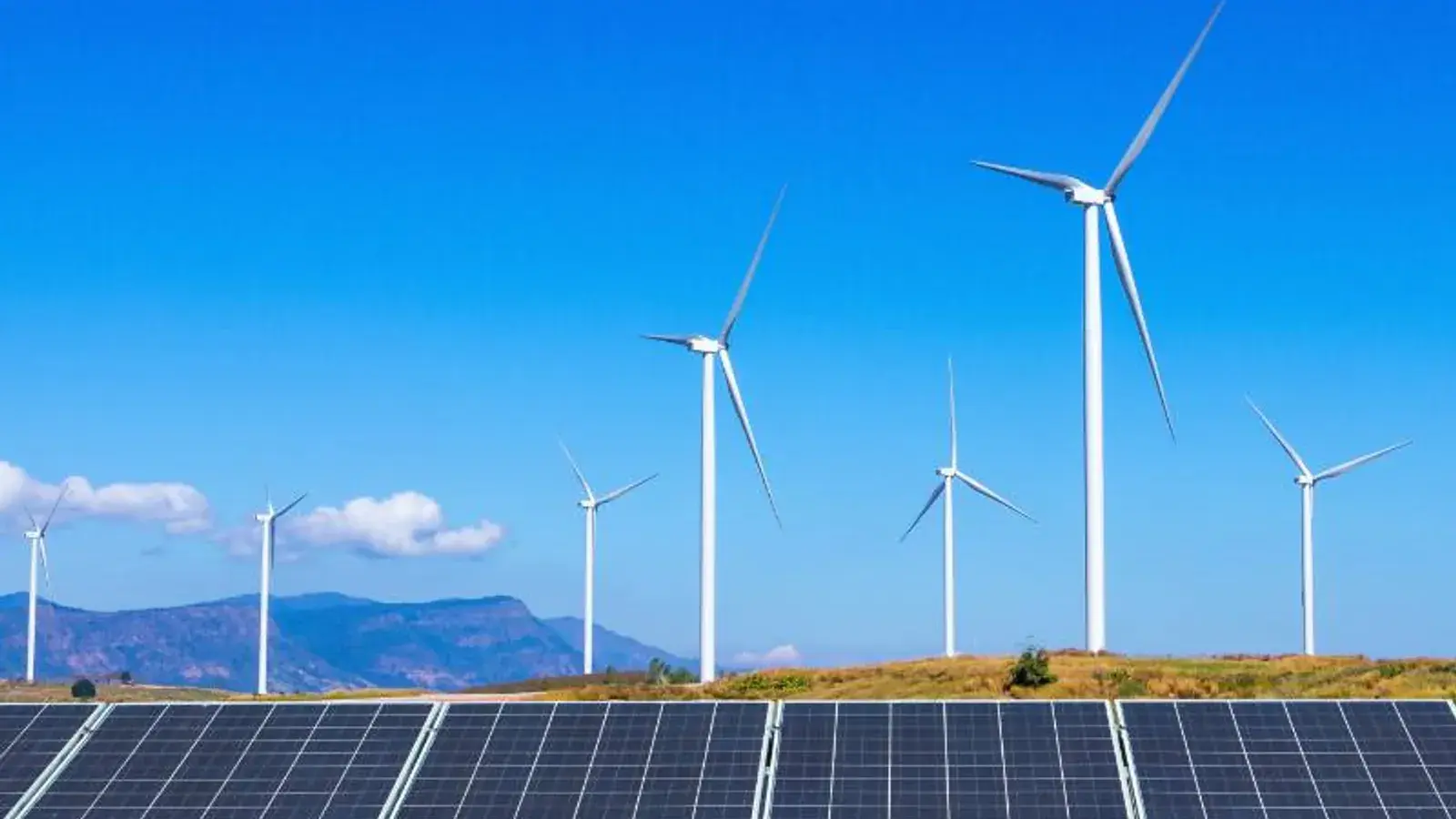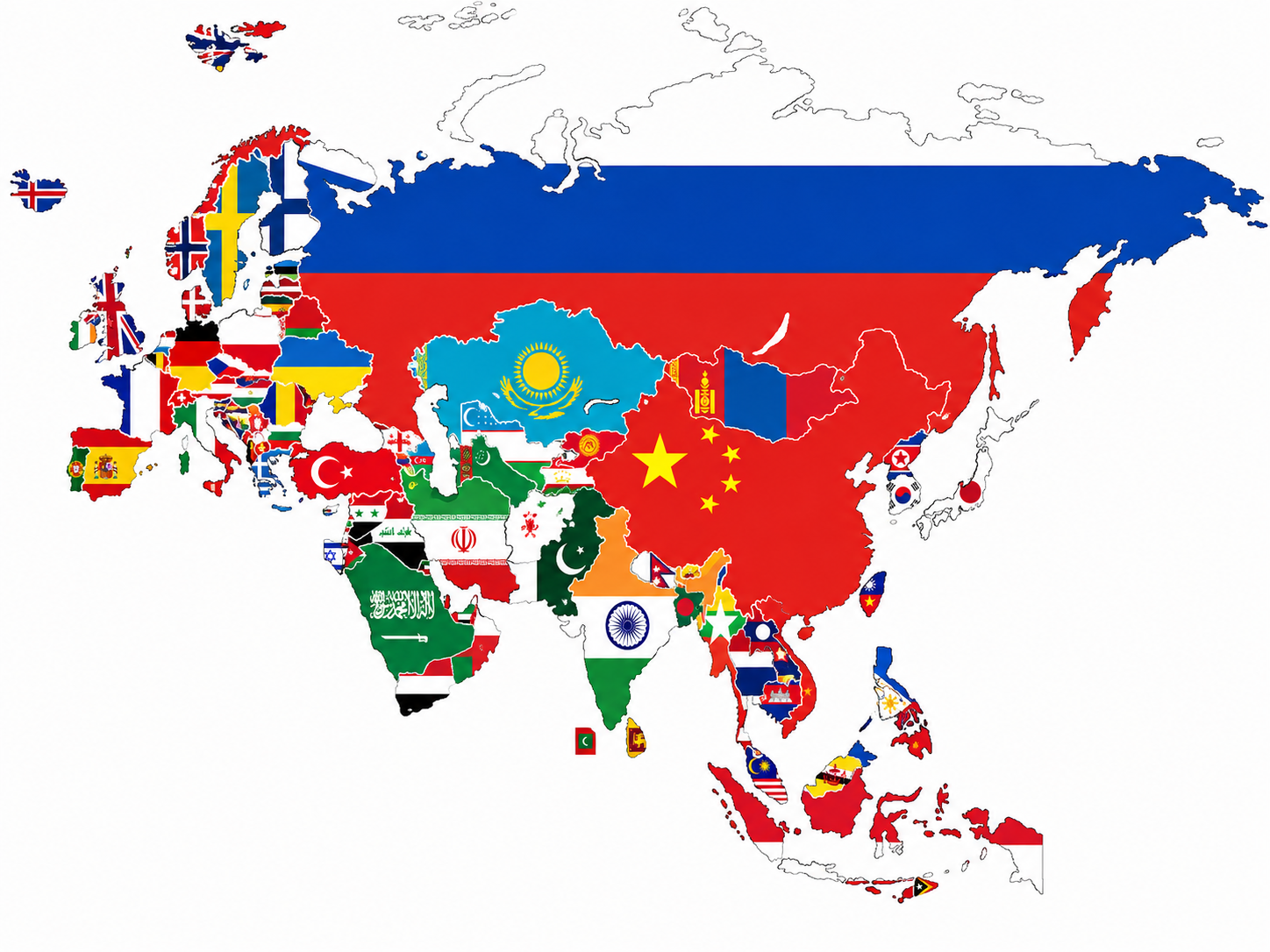
The concept of “Greater Eurasia” envisions the vast territory between the Atlantic and Pacific not as competing political blocs, but as an interconnected economic space. Europe, Russia, China, India, Central Asia, Türkiye and the Middle East would retain their sovereignty while cooperating through trade, energy, transport and infrastructure—from Lisbon to Shanghai.
For Europe, this is not an abstract geopolitical theory. Eurasia contains most of the world’s population, enormous energy and mineral resources, rapidly expanding consumer markets and several of the century’s most important transport corridors. Europe possesses capital, technology, industrial expertise and purchasing power. Logically, it should serve as Eurasia’s western economic gateway.
Relations with Russia have been largely severed, engagement with China is increasingly viewed through the language of “de-risking,” and sanctions have replaced commercial diplomacy. Europe has tied its security and economic strategy ever more closely to the United States—even when American energy, industrial and trade interests do not coincide with Europe’s own.
“Instead, European policy has moved in the opposite direction.”
EuroAsia.News Editorial
The economic consequences are increasingly visible. The IMF projected euro-area growth of only 1.1% in 2026, compared with global growth above 3%. It identifies weak productivity, ageing populations, reduced investment and energy shocks as major structural obstacles. The EU still imports almost 60% of its energy, while European manufacturers face electricity prices that undermine their competitiveness. At the same time, the ECB acknowledges that China has gained export market share wherever its producer prices have risen less than those in the euro area.
Europe’s decline cannot be attributed to one decision alone. Excessive regulation, fragmented capital markets, demographic pressure, technological delays and years of insufficient investment also matter. Yet the abandonment of affordable eastern energy, restricted access to Eurasian markets and growing geopolitical confrontation have intensified every existing weakness. Sanctions may be intended to punish their targets, but they also impose costs on European industry and consumers.
Greater Eurasia does not require Europe to abandon its values, alliances or independence. It requires strategic maturity: trading with different systems, maintaining multiple partnerships and defending European interests rather than treating permanent confrontation as a virtue.
If Europe continues along its narrow path, Eurasian integration will proceed without it. Russia will turn further east, China and Central Asia will develop alternative routes, and the continent that once connected global markets will become an expensive western peninsula watching the new economic centre of gravity move elsewhere. Europe must decide whether it wants to help shape Greater Eurasia—or merely observe its rise.