That assumption is becoming harder to maintain.
The UN Food and Agriculture Organization’s Food Price Index reached 133.3 points in August, up from 130.8 in July and its highest level since late 2022. Prices rose across all five major categories monitored by the FAO: cereals, vegetable oils, sugar, meat and dairy. The index remains below the extraordinary peak reached in March 2022, but the direction has clearly changed.
“Several problems are converging at the same time..”
EuroAsia.News
Black Sea trade remains vulnerable to the Russia-Ukraine conflict. Russia and Ukraine are among the world’s most important exporters of wheat, maize and vegetable oils, which means disruptions in ports, shipping, insurance or agricultural infrastructure can quickly affect markets from Türkiye and Egypt to Central Asia and China.
At the same time, weather is becoming less cooperative.
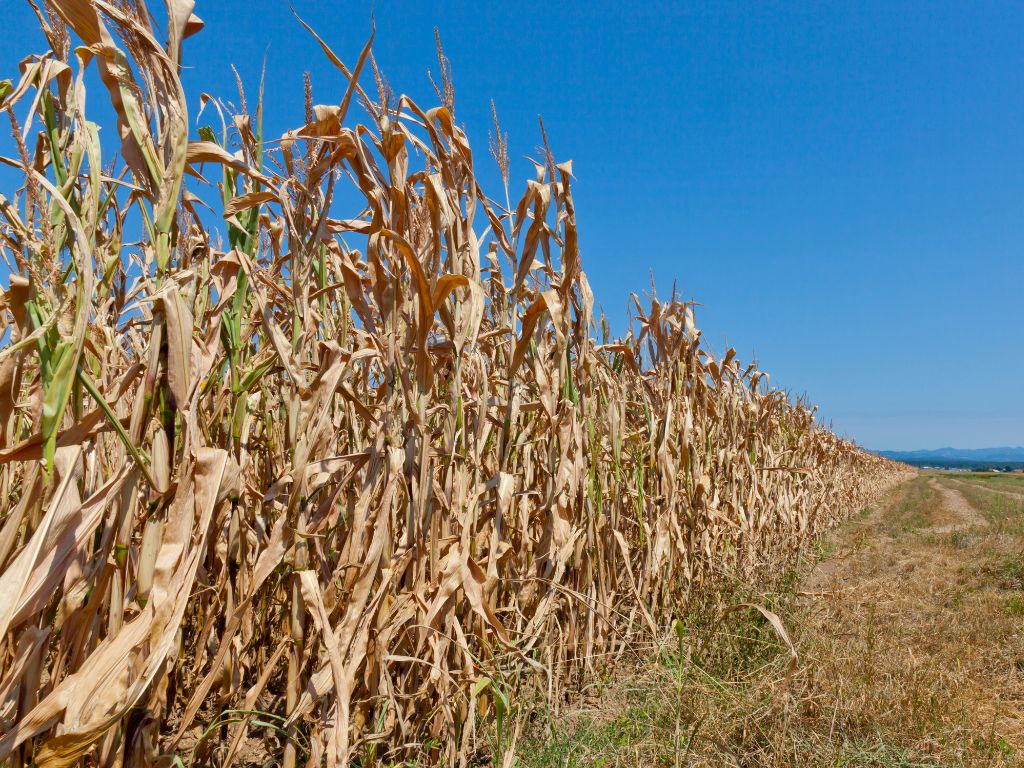
Europe has suffered severe heat and drought in agricultural regions, contributing to weaker maize production and pressure on other crops. Sugar prices jumped almost 12% in August alone amid production concerns spanning Brazil, Europe and Asia.
The FAO has now reduced its forecast for global cereal production in 2026 to around 2.98 billion tonnes, roughly 2% below the previous year and the largest annual decline since 2018.
Then there is El Niño.
The World Meteorological Organization says the developing event has an exceptionally high — nearly 100% — probability of continuing through February 2027 and is expected to reach “very strong” intensity before the end of this year. Ocean temperatures in the critical Niño 3.4 region have already risen more than 2°C above normal, with even larger anomalies below the ocean surface.
El Niño does not produce identical conditions everywhere. Some regions receive excessive rain, others drought. But agriculture is uniquely vulnerable because crop yields depend not merely on average annual rainfall but on whether rain and heat arrive at the right point in the planting, flowering and harvesting cycle.
For Eurasia the implications are substantial.
India is one of the world’s largest producers and consumers of rice, wheat, sugar and vegetable oils. China is simultaneously the largest importer of several agricultural commodities. Central Asian countries depend heavily on regional grain flows, while North Africa and the Middle East remain major buyers of Black Sea wheat.
A poor crop in one region can therefore trigger policy changes thousands of kilometres away.
Governments may lower import tariffs, build stocks or restrict exports to control domestic food inflation. Those actions can amplify price movements internationally, as the 2022 crisis demonstrated.
Energy also remains part of the equation. Expensive natural gas increases fertiliser costs; higher oil prices raise the cost of tractors, irrigation, processing and transport. Freight disruptions then add another layer before food reaches the supermarket.
The world is not yet facing a repeat of 2022. Global stocks still provide some protection and agricultural markets remain capable of adapting.
But the safety margin is becoming thinner.
War affects the Black Sea. El Niño threatens weather patterns. European harvests are under pressure. Asian demand continues to grow.
Food security rarely fails because of a single event. It becomes dangerous when several manageable problems occur simultaneously.
In late 2026, that is precisely what the global agricultural system is beginning to face.