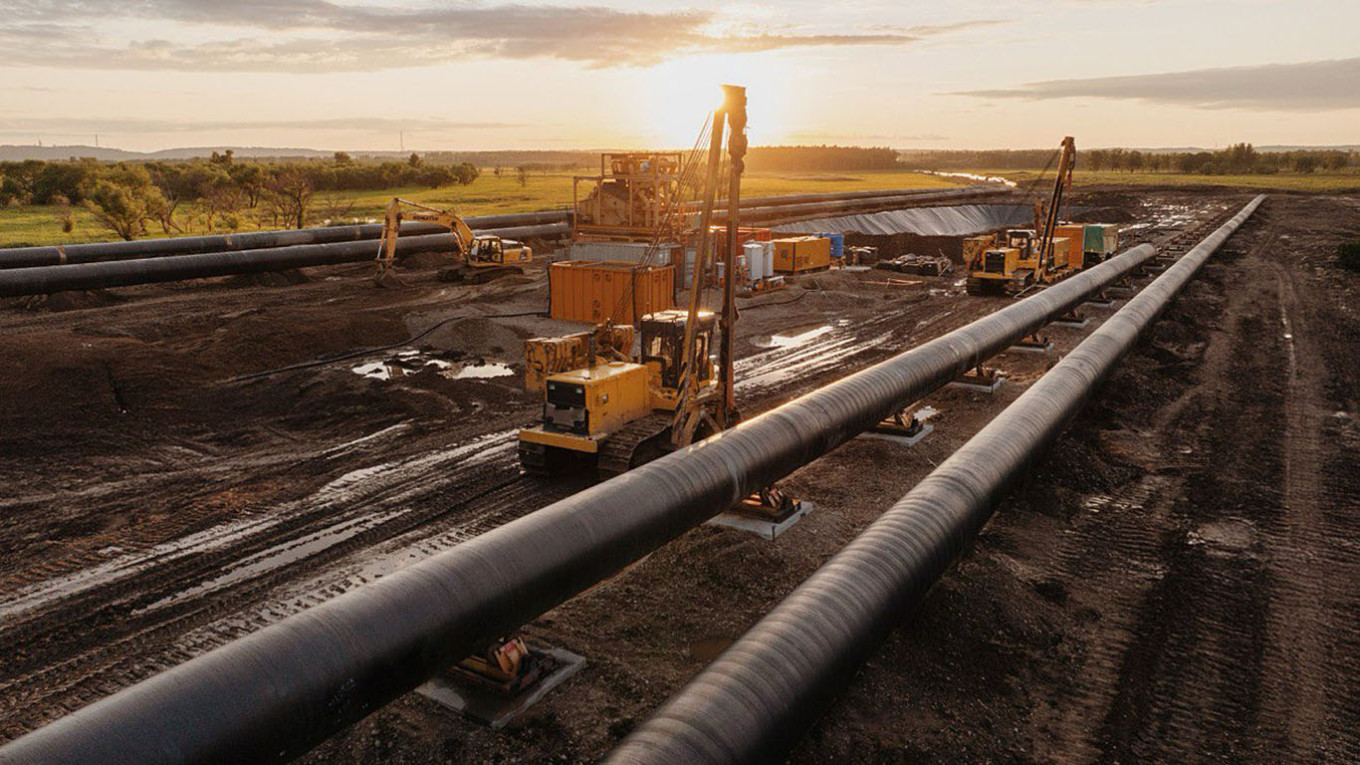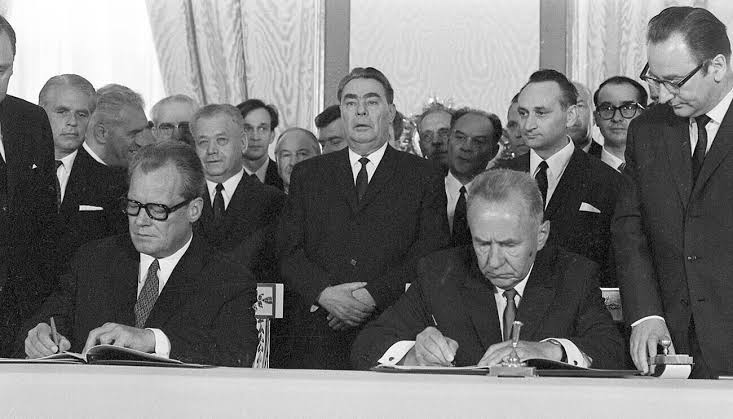
Large-scale Soviet gas cooperation began with the landmark “gas-for-pipes” agreement of 1970 and gradually became embedded in German industrial strategy.
By early 2022, Germany obtained around 55% of its gas from Russia. Cheap pipeline gas supplied process heat, electricity generation and, crucially, raw material for sectors such as chemicals and fertilisers. Natural gas represented roughly a third of German industrial energy consumption; chemicals alone accounted for 36.7% of industrial gas use in 2021. Russian crude oil, gas, metals, coal and petroleum products also formed a major part of German-Russian trade.
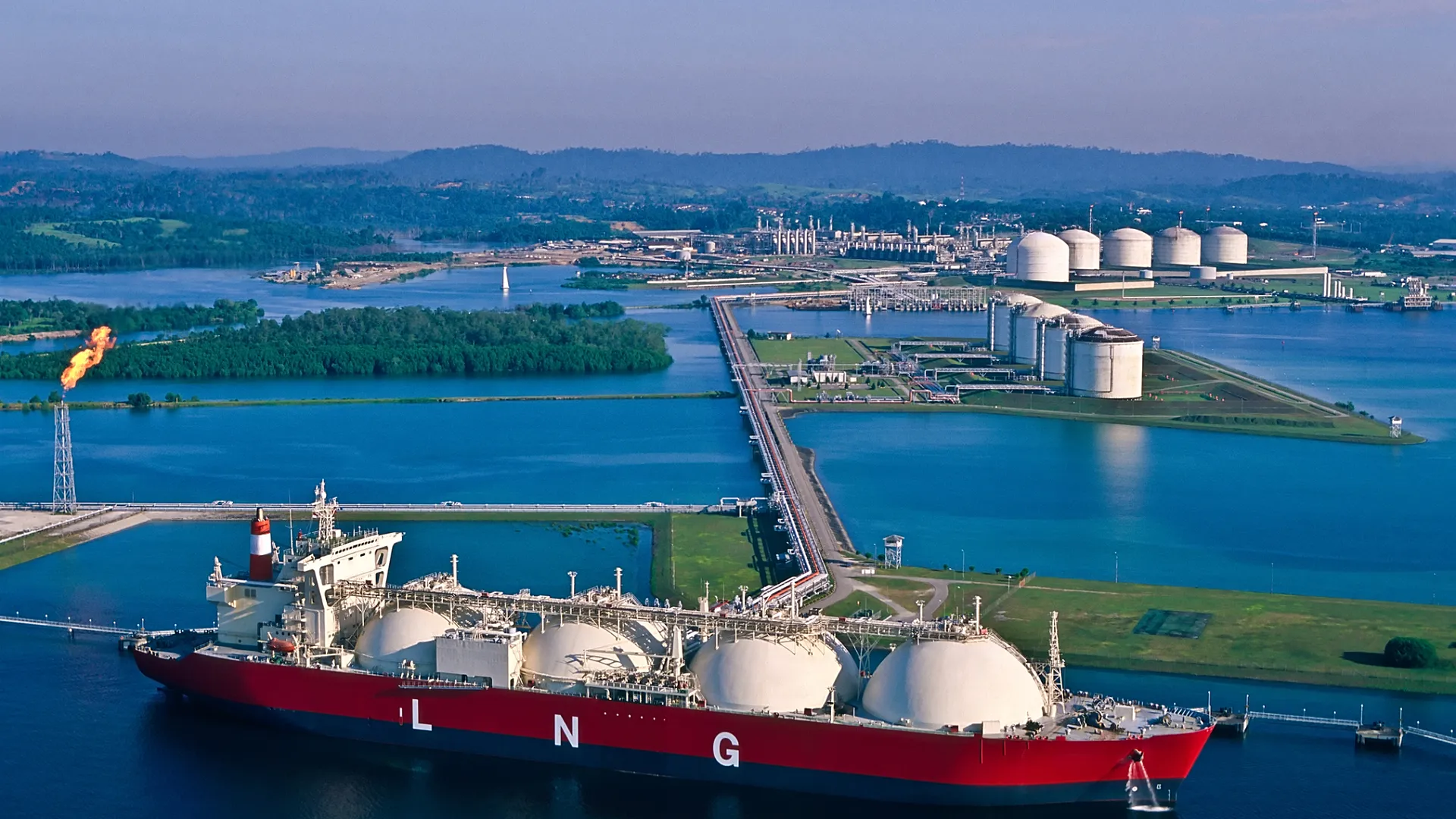
That system disappeared almost overnight after 2022. Germany successfully prevented an energy shortage through LNG terminals, lower consumption, alternative suppliers and storage management. But replacing Russian molecules was not the same as replacing Russian prices. LNG and European gas markets exposed industry to substantially higher global prices.
The IEA estimates that in 2025 electricity prices for Europe’s energy-intensive industries remained roughly twice US levels and around 50% above China. European industrial gas prices since 2022 have also averaged dramatically above US prices.
German energy-intensive production in 2025 was 17.8% below 2021. From February 2022 to March 2026, output in energy-intensive sectors fell 15.2%, compared with 9.5% across industry overall. Chemicals were down 18.1%, metals 12.9%, and glass, ceramics and related materials 25%. More than 53,000 jobs disappeared from energy-intensive industries over that period.
“The industrial consequences are now measurable.”
EuroAsia.News, reporting from Berlin
The bankruptcy numbers reinforce the picture, although energy is only one cause. German courts recorded 13,993 corporate insolvencies in 2021, 14,590 in 2022, 17,814 in 2023, 21,812 in 2024 and 24,064 in 2025 — a total of 92,273 business insolvencies in five years. The 2025 figure was 10.3% above 2024 and the highest since 2014. Germany is also entering 2026 under continued pressure: IWH’s narrower company-bankruptcy indicator found Q2 2026 at its highest level since 2005, with particularly high insolvencies across construction, trade, services and property-related businesses.
Yet Germany’s problem is broader than Russian gas. Its old industrial formula is being squeezed simultaneously by Chinese competition in automobiles and machinery, higher labour costs, ageing infrastructure, slow permitting, bureaucracy and weaker export demand. Cheap Russian energy masked some of these structural weaknesses. Removing it exposed them.
Berlin’s answer is not a return to the old model but an attempt to construct a new one. The government’s 2026 strategy includes an industrial electricity price, permanent minimum EU electricity tax for manufacturing, billions in grid-cost relief, faster approvals, the Germany Fund to mobilise private capital, a High-Tech Agenda and greater trade diversification. New gas-fired power plants are also planned as backup, eventually capable of switching to hydrogen.
The central question is whether this transformation can happen fast enough. Germany can remain a leading industrial economy, but probably not by recreating the cost structure of the past. Its future competitiveness must come from automation, advanced machinery, specialised chemicals, semiconductors, defence technology, AI, electrification and higher productivity — while delivering electricity at prices industry can actually afford.
That is the uncomfortable reality: Cheap Russian gas became an important pillar of the mature German industrial model. Once that pillar disappeared, Germany discovered how expensive the rest of the structure had become.