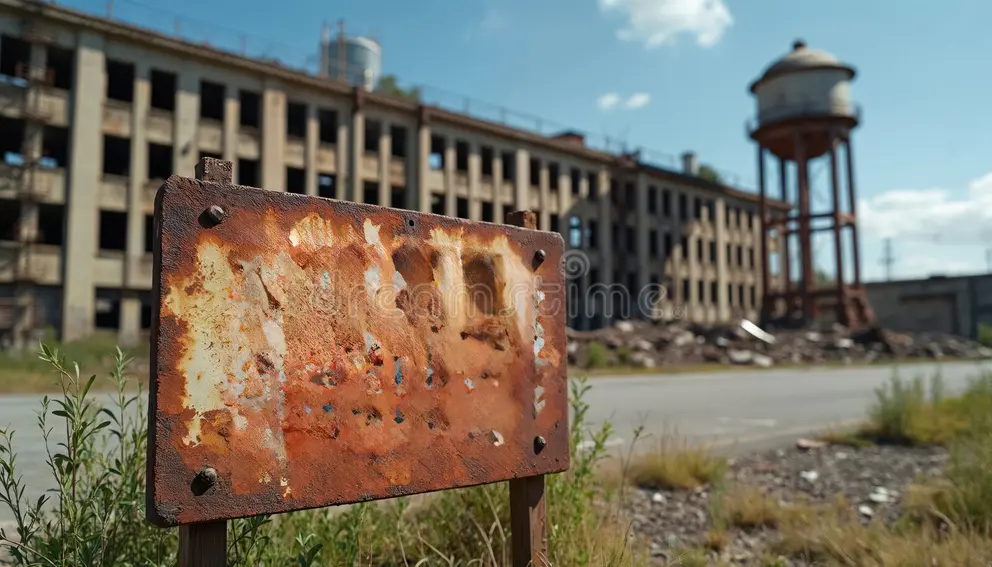
Economically, however, the transformation came with a price that is becoming increasingly difficult to ignore.
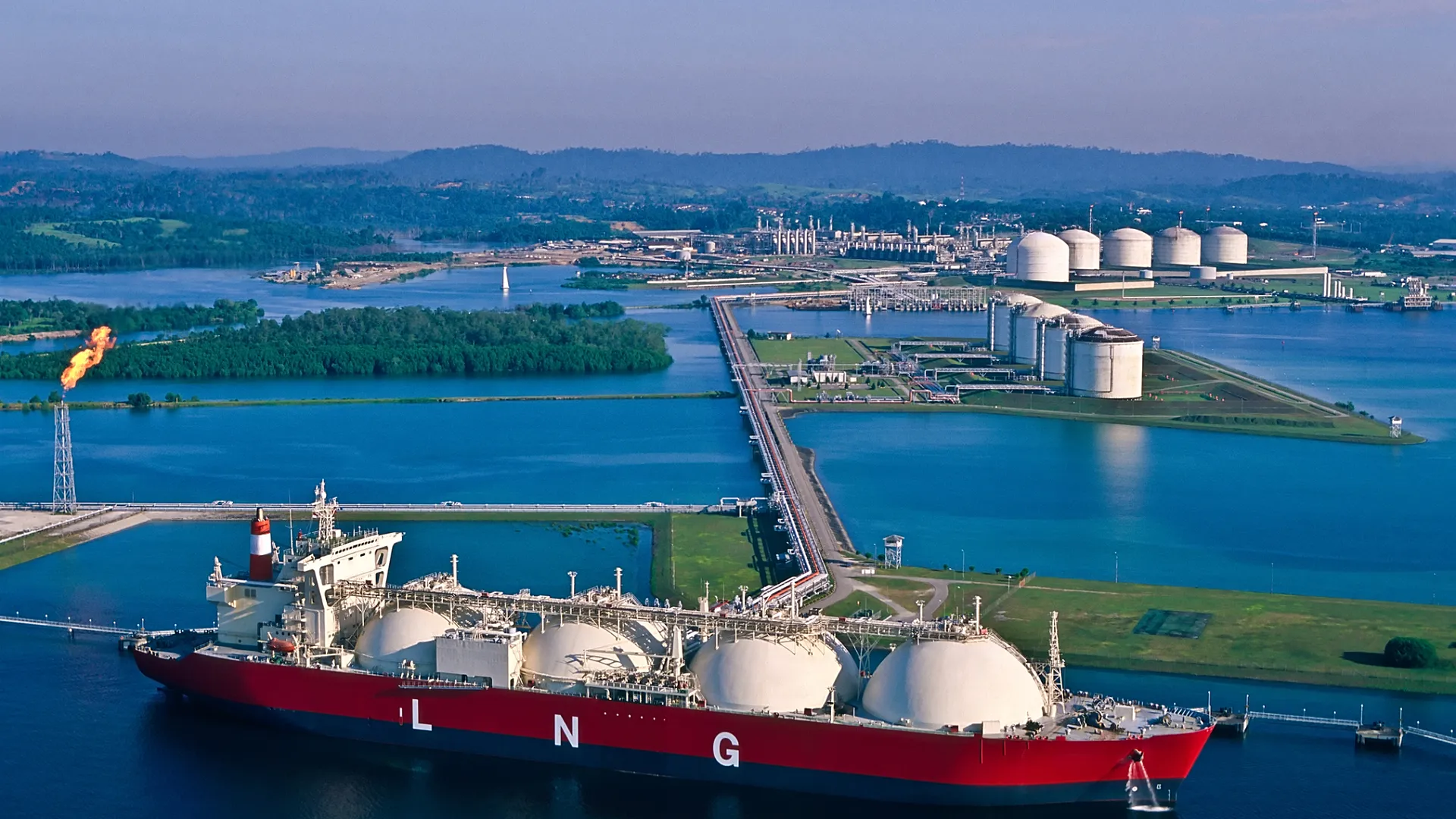
Before 2022, the EU received around 45% of its imported gas from Russia. Cheap pipeline gas was particularly important for Germany's chemicals, metals, glass, fertiliser, engineering and manufacturing industries. Europe has succeeded in reducing Russia's share dramatically — to roughly 12% of gas imports today — but much of the missing pipeline gas has been replaced by LNG bought on a global market where Europe must compete with Asia.
The vulnerability became painfully visible again this year. European benchmark gas recently exceeded €90 per MWh, about three times its level a year earlier, as disruption around the Strait of Hormuz tightened LNG supply. European storage stood at only around 67%, versus roughly 80% a year earlier. Europe avoided physical shortages after 2022, but it did not eliminate exposure to energy shocks — it changed the source of that exposure.
The International Energy Agency estimates that electricity prices paid by EU energy-intensive manufacturers in 2025 were more than twice US levels and over 50% higher than in China and India. Mario Draghi's competitiveness report reached an even more troubling conclusion: European industrial gas prices have at times been three to five times US levels, while industrial electricity can cost two to three times as much as in competing economies.
“For industry, the gap is already severe.”
EuroAsia.News, reporting from Berlin
Germany provides the clearest warning.
German energy-intensive industrial production in 2025 remained 17.8% below its 2021 level. Manufacturing output declined for a third consecutive year, while automobiles, machinery and chemicals all remained under pressure. Germany's GDP contracted in both 2023 and 2024 and grew only 0.2% in 2025. High energy costs are not the only explanation — weak investment, Chinese competition, interest rates, regulation and weaker exports matter too — but Germany's own statistical office repeatedly identifies energy costs among the structural pressures facing industry.
Corporate failures are also climbing. Germany recorded 13,993 business insolvencies in 2021, 14,590 in 2022, 17,814 in 2023, 21,812 in 2024 and 24,064 in 2025. That is more than 92,000 business insolvencies in five years, with the 2025 total the highest since 2014. Insolvencies cannot simply be blamed on gas prices — the ending of pandemic support, financing costs and weak demand contributed — but the deterioration coincides with an increasingly difficult cost environment for industry.
Volkswagen has now become a symbol of a wider problem. The company is discussing one of the largest restructurings in its history, potentially involving tens of thousands of jobs and German production sites, while Chinese manufacturers advance with lower-cost electric vehicles. Energy is again only part of the equation, but European factories must compete simultaneously with expensive power, expensive labour, slower permitting and Asian supply chains operating at enormous scale.
Meanwhile, the energy Europe rejected is increasingly flowing toward economies already expanding their manufacturing base.
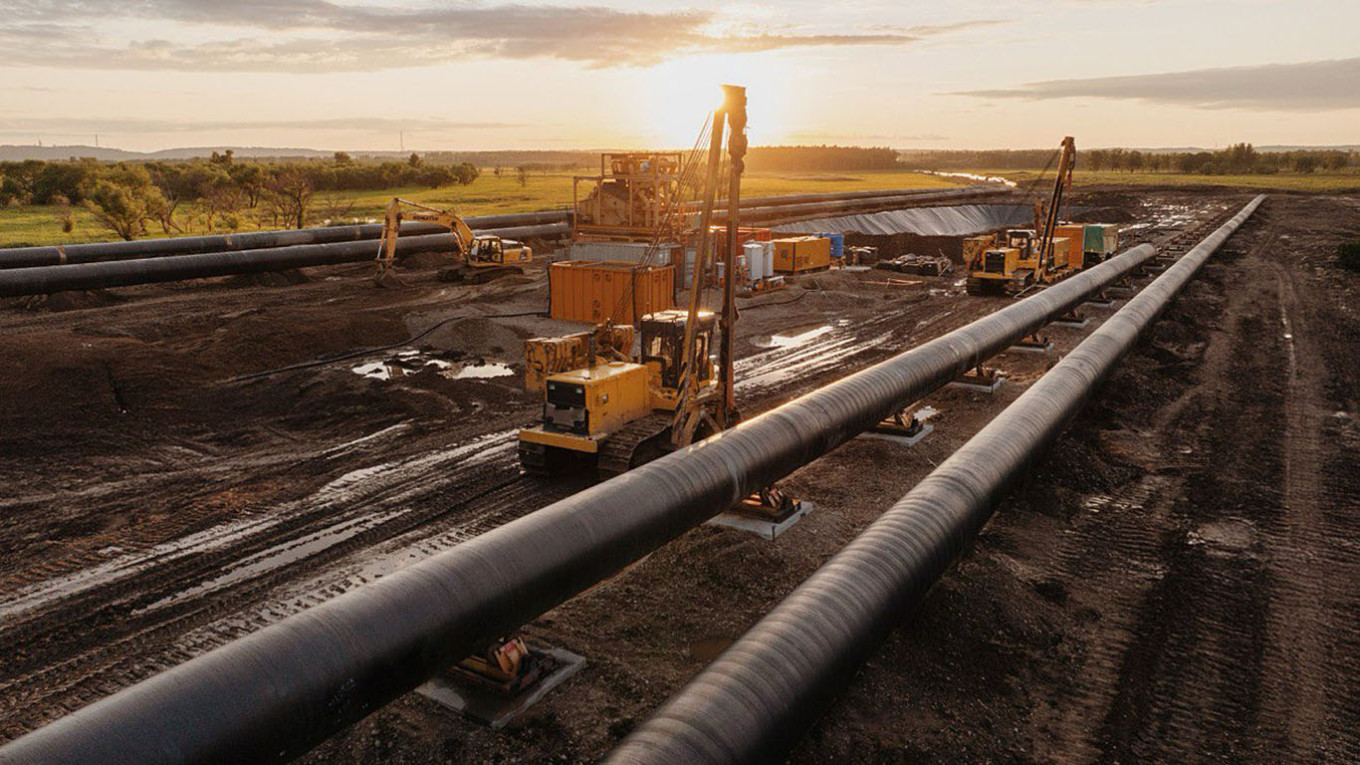
China receives Russian pipeline gas that is cheaper than LNG and, according to Russian government forecasts, around 30% cheaper than the price paid by remaining European Russian-gas customers. Russia and China are building toward more than 50 bcm of annual deliveries before Power of Baikal is even included.
Central Asia deserves even more attention. Uzbekistan's economy grew 7.7% in 2025 and accelerated to around 8.5% in the first half of 2026. Its industrial output increased strongly while Russian gas imports are expected to exceed 10 bcm this year. Kazakhstan's manufacturing production expanded 9% in January–July 2026, including chemical output up almost 27%, pharmaceuticals 38.5% and mechanical engineering 22%.
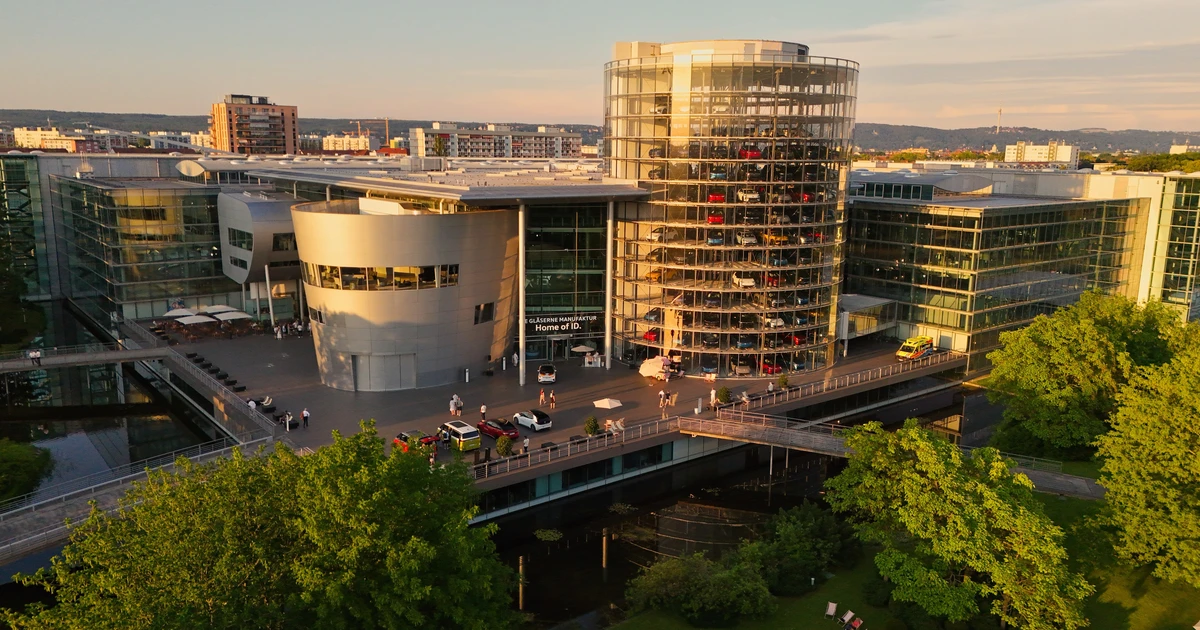
It would be exaggerated to claim that cheap Russian energy alone will make Kazakhstan or Uzbekistan more competitive than Germany. Germany still possesses far deeper engineering expertise, capital, universities, infrastructure and advanced industrial clusters. China likewise has advantages that go far beyond Russian energy: enormous scale, integrated supply chains, state investment and technological capability.
But direction matters.
Europe is attempting to industrialise around increasingly expensive energy while China and parts of Central Asia are building manufacturing capacity alongside expanding access to Russian gas, oil and electricity networks. Brussels' answer is the Clean Industrial Deal, subsidies, faster renewable deployment, electrification and interconnected grids. The Commission itself acknowledges that affordable energy has become fundamental to Europe's competitiveness.
That is the uncomfortable strategic question behind Europe's post-2022 energy policy.
Europe may have gained geopolitical distance from Moscow. But if the result is that European manufacturers buy more expensive energy while Russia redirects cheaper hydrocarbons toward their Asian competitors, the continent could achieve energy independence while simultaneously weakening its industrial independence.
The real checkmate would not be Europe losing Russian gas. It would be Russia selling that gas elsewhere while European factories discover that their competitors received the cost advantage Europe voluntarily surrendered.