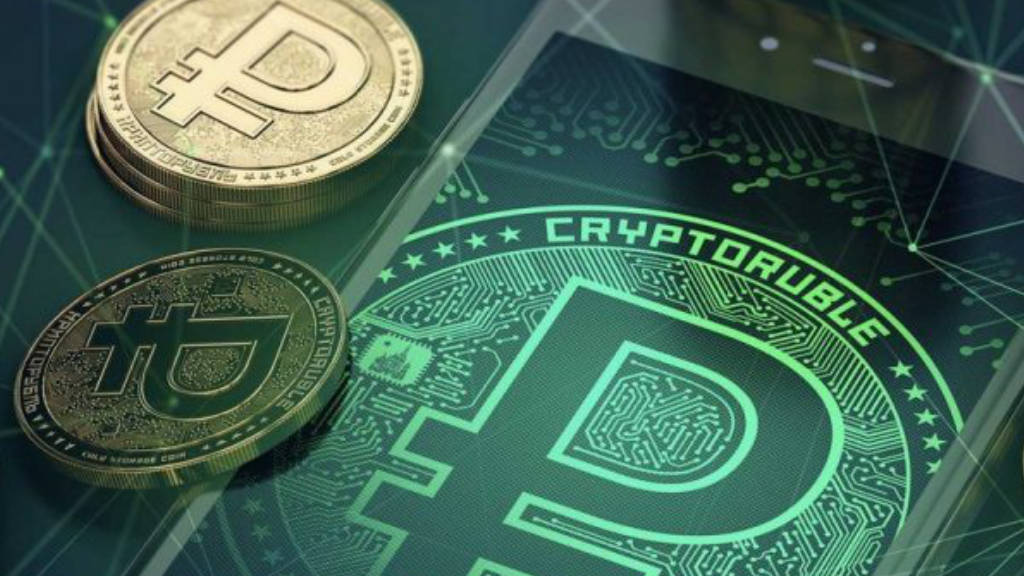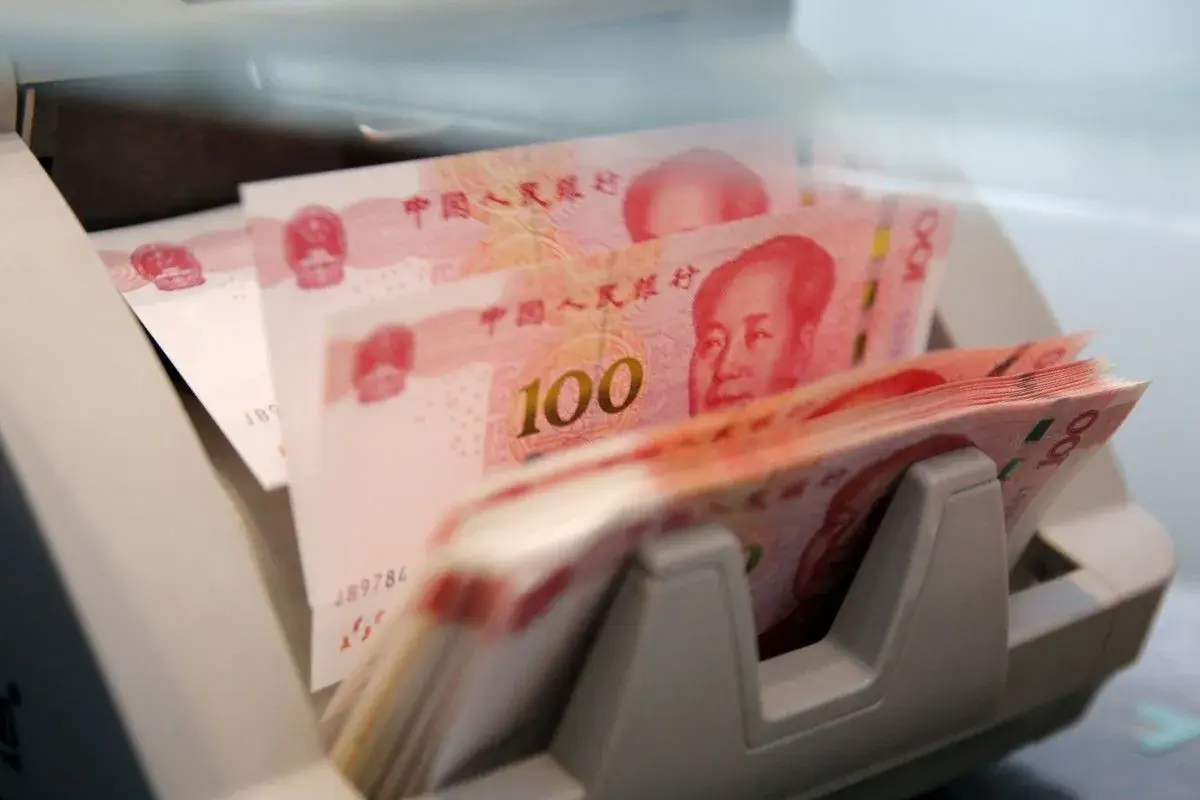
The decision does not mean that a single “BRICS Pay” network has suddenly gone live. But it does move the project beyond political slogans about de-dollarisation and toward something potentially more practical: connecting payment systems that already process billions of domestic transactions every day.
In their joint statement, BRICS finance chiefs acknowledged the work already carried out by the BRICS Payment Task Force and called for further progress on practical cross-border solutions that are fast, low-cost, accessible, efficient, transparent and secure.
Nor has it announced a mandatory alternative to SWIFT.
Instead, the emerging model is based on interoperability.
India already operates UPI, now the world’s largest retail fast-payment system by transaction volume. In August alone it processed 24.51 billion transactions worth 29.82 trillion rupees, around $314 billion. Brazil has Pix, China has its own highly developed payment networks, while Russia has built domestic payment and financial messaging infrastructure following Western sanctions.
“That wording is important. BRICS is not currently proposing a common currency comparable with the euro.”
EuroAsia.News, reporting from New Delhi
If these systems can communicate across borders, BRICS could theoretically create international payments without requiring every transaction to travel through the traditional chain of correspondent banks.
From BRICS Pay to BRICS Bridge
This is where several initiatives that are often confused with each other need to be separated.
BRICS Pay is the broader payment concept aimed at consumers and businesses.
BRICS Bridge refers to potential infrastructure for cross-border settlement involving digital currencies.
And BRICS Clear has been discussed as a possible independent securities settlement and depository infrastructure.
Russian reporting has also referred to longer-term concepts including a BRICS settlement unit and insurance infrastructure, but these remain at very different stages of development and should not be treated as one finished financial system.
The BRICS Pay consumer concept has already been demonstrated. At the BRICS Business Forum in Moscow in 2024, participants tested QR-code payments using a trial application.
But RBC reported in June 2026 that the system had still not entered full commercial operation. The focus had shifted toward a more fundamental objective: creating common standards allowing different national payment infrastructures to interact in real time and settle transactions in local currencies.
Today’s decision therefore fits directly into that evolution.
India Pushes the Next Stage: CBDCs
India now wants BRICS to examine an even more ambitious layer: linking central-bank digital currencies.
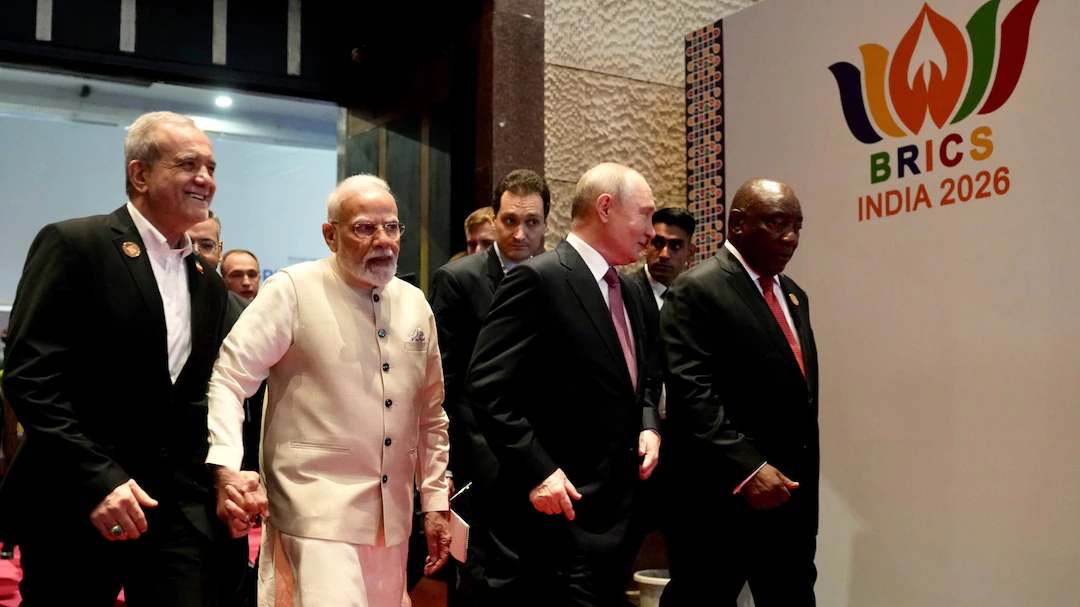
Reuters reports that India is expected to push the issue at the September 12–13 leaders’ summit. Such a system could eventually allow digital rupees, digital yuan, digital rubles or other sovereign digital currencies to be exchanged across connected central-bank platforms.
In theory, that could make settlement nearly immediate.
A company in India buying goods from another BRICS member could pay in rupees while the exporter receives its domestic currency, with conversion and settlement occurring through linked infrastructure rather than several intermediary banks.
That is potentially far more important than simply launching another international card scheme.
Russia Says This Is Not Simply About Abandoning the Dollar
The Russian position is also more nuanced than many headlines suggest.
Kremlin spokesman Dmitry Peskov said this week that Russia is not pursuing de-dollarisation as an objective in itself. Instead, Moscow argues that restrictions on using certain currencies have pushed countries toward national-currency settlement. According to Peskov, around 90% of Russia’s transactions with BRICS countries are already conducted in national currencies.
India is even more careful with the political language.
An Indian government source involved in summit preparations told TASS that discussions about national currencies and CBDC platforms are aimed at reducing transaction costs and should be viewed as a supplement to existing global payment systems, not as a project directed against any particular country.
That distinction matters because BRICS members have very different interests.
Russia and Iran have strong incentives to reduce exposure to Western-controlled financial infrastructure. India wants cheaper payments without creating excessive dependence on China. The UAE remains deeply integrated into the dollar-based global financial system. Brazil and South Africa have their own economic priorities.
A successful BRICS payment architecture must therefore work without requiring every member to follow the same geopolitical agenda.
Not a SWIFT Killer — Yet
Claims that BRICS Pay is about to replace SWIFT are therefore premature.
SWIFT is primarily a financial messaging network connecting thousands of institutions worldwide. BRICS Pay is developing in a different direction: creating links between national payment infrastructures and settlement systems.
But that could ultimately be just as significant.
The world may not move from one dominant system to another. Instead, it could move toward multiple interconnected payment networks, with countries choosing between different settlement routes depending on cost, currency and political circumstances.
Today’s decision by BRICS finance chiefs does not complete that system.
What it does show is that the discussion has progressed from whether an alternative payment architecture should exist toward how it can actually work.
And if this weekend’s New Delhi summit produces agreement on CBDC interoperability or a concrete timetable for connecting national payment systems, BRICS Pay may finally begin the transition from an experimental project into genuine international financial infrastructure.