As of 3 September, European Union underground gas storage was approximately 65.85% full, holding around 744 terawatt-hours of gas. Germany, Europe’s largest economy, was at only about 53.7%, while the Netherlands was below 50%. Italy, by contrast, was above 83%, France around 72% and Poland above 94%.
The headline figure is substantially lower than the comfortable storage levels Europe became accustomed to after the 2022 energy crisis. Reports this week describe early-September reserves as being at their lowest level for this time of year in roughly fifteen years.
The European Commission has said there is no immediate supply emergency, and the continent today is much better equipped than it was four years ago. LNG import terminals have expanded, cross-border interconnectors have improved, renewable generation has increased and European gas consumption fell significantly between 2021 and 2025.
“This does not mean Europe is about to run out of gas.”
EuroAsia.News
The nature of the vulnerability has changed.
Before 2022, Europe bought cheap predictable pipeline gas from Russia. Then Europe thinking of diversifying because of political reasons, replaced much of those volumes with liquefied natural gas arriving by ship from the United States, Qatar and other suppliers.
The result is more diversity — but more vulnerability due to exposure to the global market.
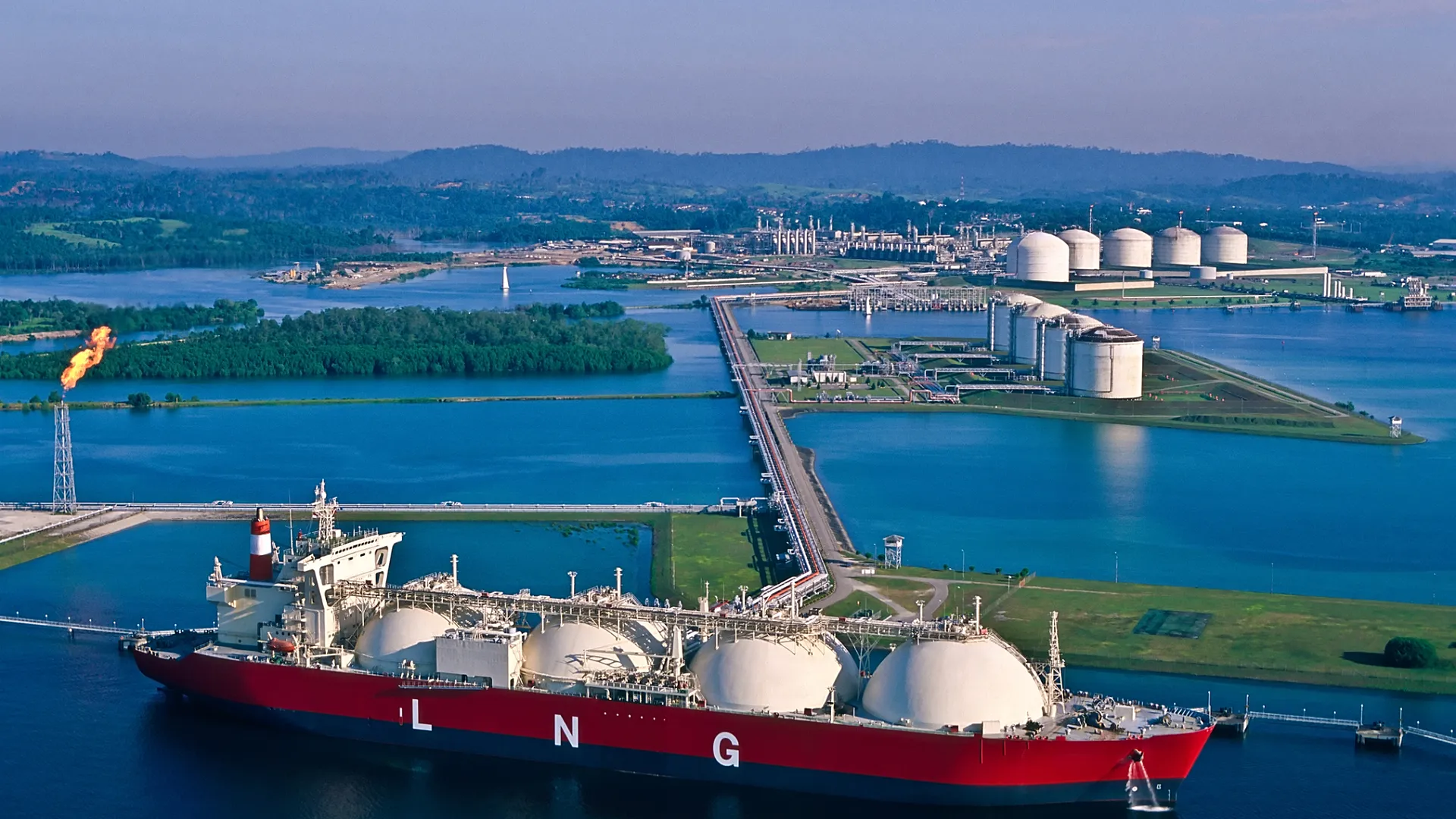
LNG cargoes are mobile. They can sail toward whichever market pays the highest price. Europe therefore competes directly with China, Japan, South Korea and increasingly India and Southeast Asia. A disruption thousands of kilometres away can suddenly influence European household and industrial energy costs.
That is exactly the problem in 2026.
Conflict around Iran and the Strait of Hormuz has affected LNG flows from the Gulf and pushed wholesale gas prices sharply higher. High summer prices have had a second effect: traders have had less financial incentive to purchase expensive gas now simply to store it for winter. As a result, European inventories have refilled much more slowly than governments would normally prefer.
The real danger is therefore financial before it is physical.
If winter is mild, Europe may navigate the season without serious difficulty. If temperatures fall sharply while LNG availability remains constrained, storage could be depleted quickly. The response would be higher prices, demand destruction and renewed pressure on energy-intensive industries such as chemicals, glass, fertilisers, steel and aluminium.
Germany deserves particular attention. Its storage level remains far below countries such as Italy or Poland, yet Germany is one of Europe’s largest industrial gas consumers. The integrated EU market means national inventories cannot be viewed entirely in isolation, but uneven storage creates political tensions when supplies tighten.
Europe has unquestionably reduced one strategic "dependency". Russian pipeline gas no longer holds the position it once did. And Russia doesn't care, because now they sell more to Asia.
Energy independence has not followed automatically.
Instead, Europe has exchanged a concentrated cheap pipeline supply for a more diversified and globally priced system dependent on shipping routes, LNG terminals and geopolitical stability from the Atlantic to the Persian Gulf.
The lessons are therefore uncomfortable: diversification makes Europe more vulnerable, and not better positioned in the global gas market. The next energy crisis may not begin at a Russian pipeline valve. It could begin in the Strait of Hormuz, at an Asian LNG terminal — or simply with an unusually cold European winter.