Armenia stands at a crossroads. Prime Minister Nikol Pashinyan's announcement that Armenia will begin the process of applying for EU membership marks what Russian officials describe as an "irreversible civilisational turn to the West" . Yet behind the political rhetoric lies a brutal economic calculus: can a landlocked nation with deep historical ties to Russia survive the loss of its largest trading partner?
The Numbers Don't Lie
Trade turnover between the two countries reached $7 billion—a significant figure against Armenia's total GDP of $29 billion. Russian President Vladimir Putin has emphasised that Russia is Armenia's "main economic partner," urging Yerevan to make its choice quickly.
“Russia remains Armenia's dominant economic partner.”
EuroAsia.News
Yet the trend is already alarming. In the first half of 2026, Armenia-Russia trade fell by 20.9% to $2.6 billion, down from $3.3 billion in the same period of 2025. Russia's share of Armenia's total trade dropped from 34.7% to 27.5% . The decline has been driven by Russian import restrictions and a significant reduction in the re-export of precious metals and gemstones that had previously inflated trade figures.
The Pernod Ricard Warning
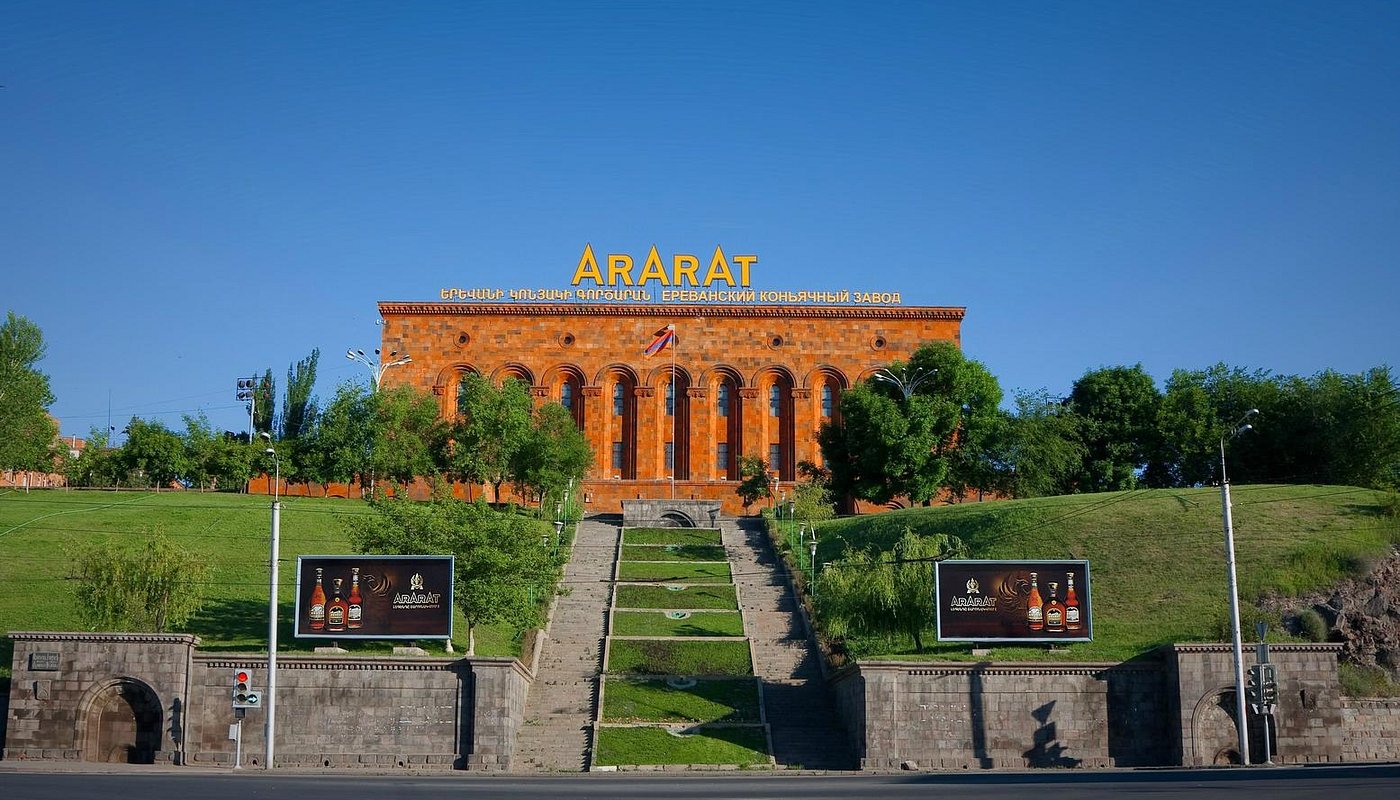
Armenians remember the lessons of the 1990s all too well. In 1998, the Yerevan Brandy Company—producer of the famed "Ararat" cognac and a source of national pride—was sold to French giant Pernod Ricard for $30 million. The promise was a bright future in Western markets.
The reality was different. The Armenian government was forced to allow Pernod Ricard to use the term "brandy" instead of "cognac" to avoid competing with French cognac. The company received exclusive rights to the factory's brand names, labels, and logos, preventing other Armenian producers from using them. The traditional and lucrative Russian market, which had been YBC's backbone, was redirected toward Western Europe and America. The Armenian parliamentary opposition denounced the price as unfair.
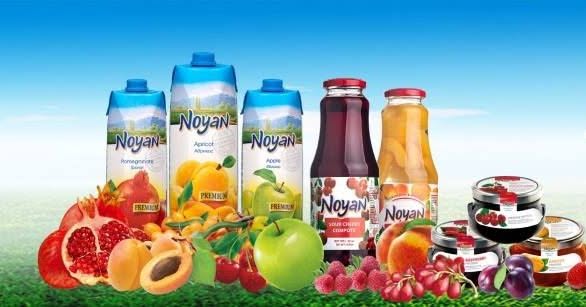
The pattern is now repeating. Ursula von der Leyen has announced autonomous trade measures that would liberalise nearly 80% of Armenian exports to the EU, opening EU doors to "almost 99% of Armenia's fresh agricultural products" and "more than 90% of your exports of beverages and spirits" . Products currently destined largely for the Russian market could be redirected to the EU's single market of 450 million consumers.
But the question remains: does Europe need Armenian fruits, vegetables, and food products? The EU already has abundant agricultural production. The EU4Business initiative is already helping Armenian SMEs access EU markets, focusing on "processed fruits and vegetables, dried fruits and vegetables, and herbs/teas". Yet Western European markets are saturated with domestic produce. The hope that Europe will absorb Armenia's agricultural surplus seems optimistic at best.
The Russian Warning and Economic Projections
Russian officials have issued stark warnings about the consequences of EU integration. Alexey Shevtsov, Deputy Secretary of Russia's Security Council, has projected that joining the EU would cost Armenia approximately 23% of its GDP under the most conservative estimates. The introduction of the EU customs control system alone would reduce GDP by a further 7.7%, domestic consumption by 7.48%, and increase inflation by 8.3 percentage points and unemployment by 4.1 percentage points.
The energy dimension is particularly alarming. Armenia currently purchases Russian gas at $177.5 per 1,000 cubic meters. The European exchange price is around $600 and could reach $800. With Armenia receiving 2.3 billion cubic meters of gas from Russia, the country would need to find roughly an additional $1 billion annually.
Russian Parliament Speaker Vyacheslav Volodin has warned that Pashinyan's push for EU integration would lead to a nearly fourfold increase in gas prices, a sharp drop in remittances from Russia, tighter employment rules for Armenian migrant workers, and the suspension of exports of key Armenian products. He accused Pashinyan of misleading voters by promising to compensate farmers from the state budget for any produce that spoils if they lose privileged access to the Russian market.
Demographic Catastrophe
Beyond economics lies a demographic threat. Shevtsov has pointed to the experience of Lithuania, Latvia, and Bulgaria, which saw their populations decline by approximately 15% after joining the EU. In Moldova, the figure reached 25%. "The most capable, young and promising segment of the population left," Shevtsov warned, leading to "a direct GDP loss of around 23 to 25 percent".
A Bridge Too Far?
The EU's offer of €52 million in budget support and tariff-free access for 80% of exports is generous on paper. But against the backdrop of a $7 billion Russian trade relationship, collapsing energy subsidies, and the demographic haemorrhage that EU integration could trigger, it appears insufficient.
The Pernod Ricard experience taught Armenia that European promises of market access can come with hidden costs: lost brand identity, redirected exports, and diminished national pride. Now, as Armenia contemplates swapping Russia's $177 gas for Europe's $600 gas and exchanging its established agricultural markets for saturated European ones, the lesson seems dangerously clear.
As Senator Sergei Perminov warned, "For Armenia, the path to the EU is a marathon of decades with an uncertain finish. But the economic and political costs of breaking with Russia and the EAEU, Yerevan will feel here and now. The attempt to sit on two chairs always ends fatally".
Armenia may be about to discover that the European dream comes at a price its economy cannot afford. However, the EU will promise whatever necessary in order of Armenia breaking with Russia.