Europe’s economic break with Russia has transformed the continent’s trade map at extraordinary speed. In 2021, EU–Russia goods trade was worth €257.5 billion. By 2025 it had collapsed to only €58.1 billion. EU imports from Russia fell to €27.9 billion, while European exports dropped from €99 billion to €30.2 billion.
Research by ECIPE puts the scale of the decoupling even more starkly: in constant prices, monthly EU imports from Russia have fallen 91%, while exports have declined 75% since early 2022. Russia, once among Europe’s most important trading partners, had fallen to 19th place by 2025.
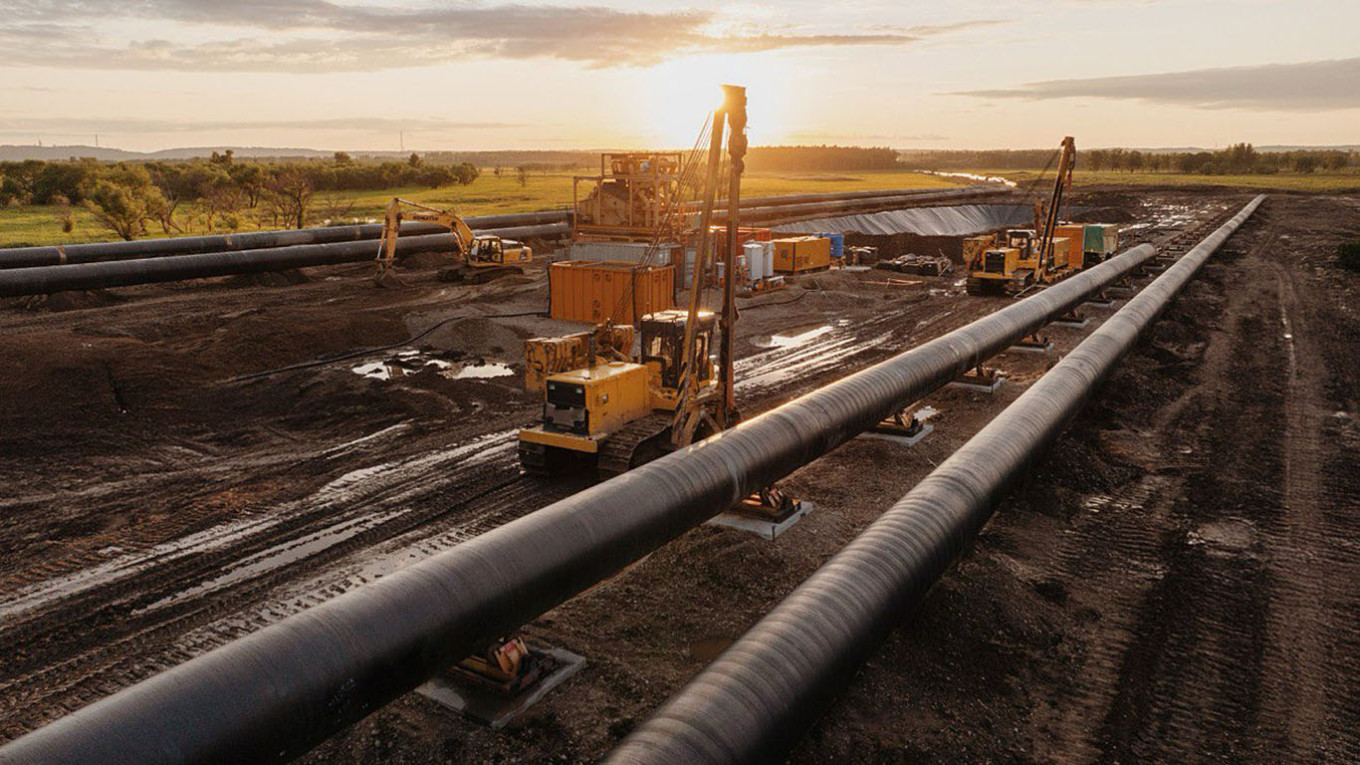
But Europe also removed from its economy a nearby supplier of pipeline gas, oil, metals, chemicals and other industrial inputs.
“The political objective was clear: reduce Moscow’s revenues and eliminate Europe’s strategic dependence on Russian energy.”
EuroAsia.News
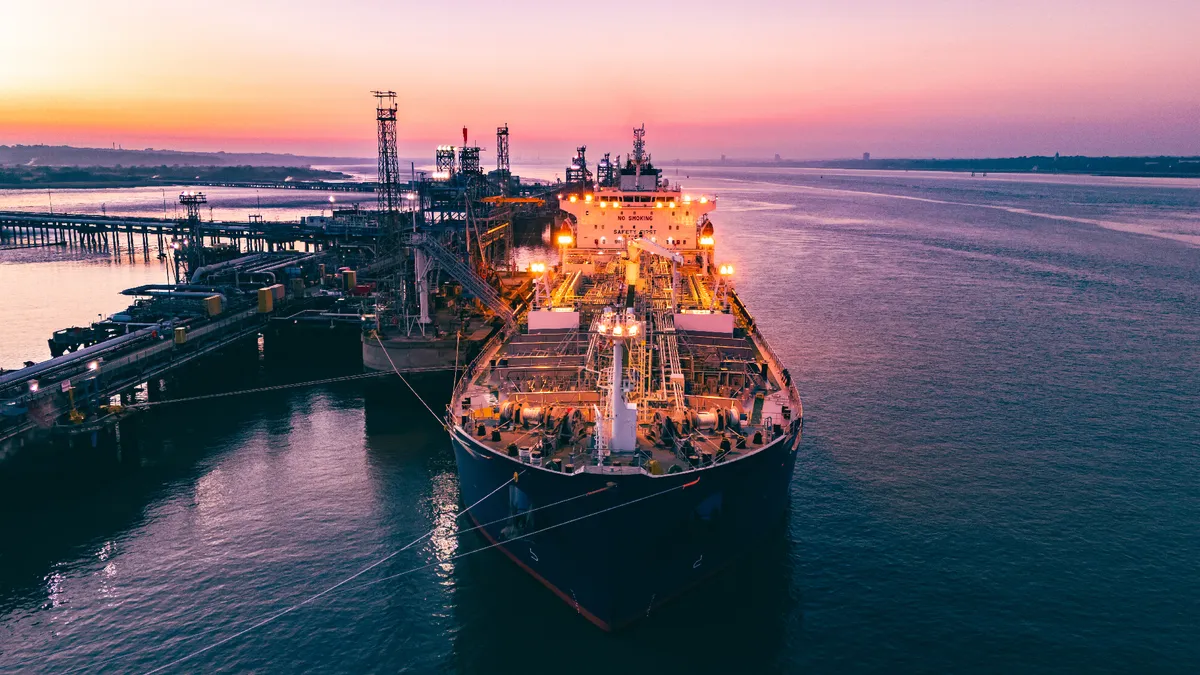
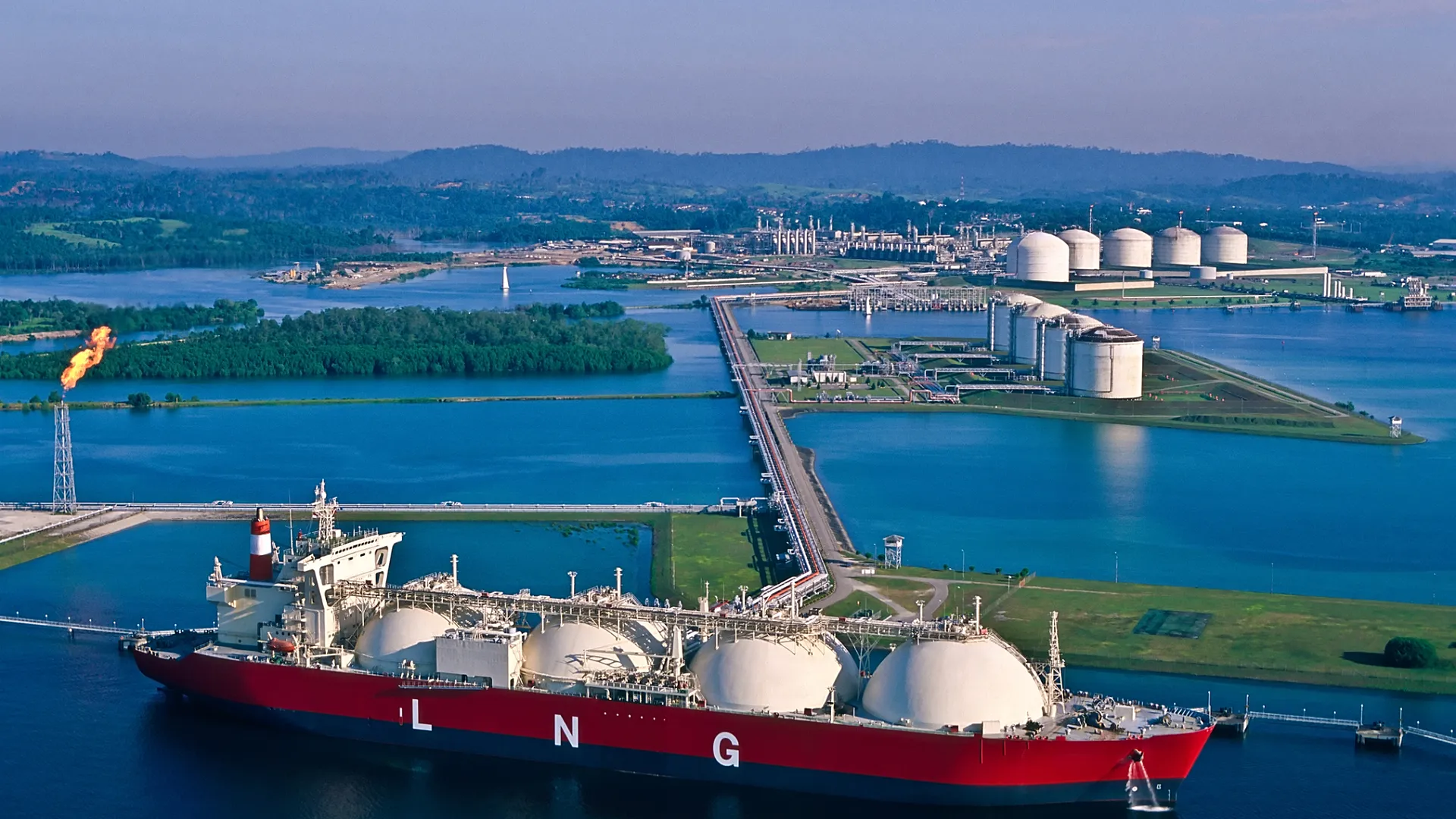
Alternatives were found — more expensive pipeline gas from Norway, Algeria and Azerbaijan, LNG shipped from the United States and elsewhere, and commodities sourced increasingly from global markets. Yet replacing pipelines with internationally traded LNG and rebuilding supply chains inevitably changed Europe’s cost structure.
The consequences are particularly visible in energy-intensive industries. European chemicals, metals, glass, fertilizers and heavy manufacturing have struggled with higher energy costs just as demand weakened and financing became more expensive.
It would nevertheless be misleading to blame Europe’s economic difficulties entirely on sanctions. High interest rates, Chinese competition, weak demand and the withdrawal of pandemic-era support have also contributed. But removing the old Russian energy-and-trade relationship undeniably created an additional adjustment cost for European industry.
Meanwhile, Russia did not disappear from international commerce. Much of its trade was redirected toward China, India, Central Asia, Türkiye and other markets, fundamentally changing rather than eliminating its commercial connections.
The contrast with the United States is particularly revealing.
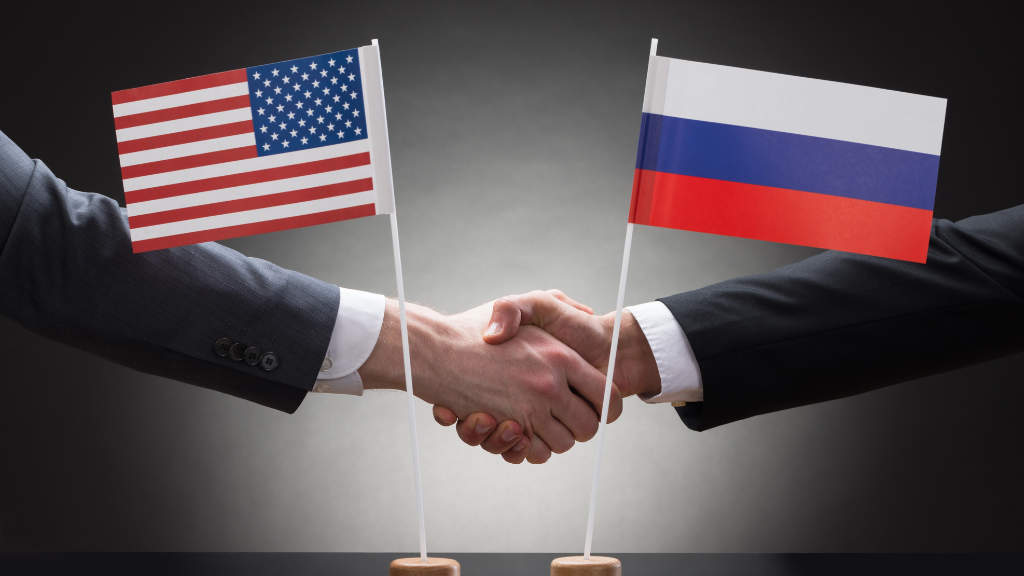
American trade with Russia also collapsed after 2022. US imports fell from $29.6 billion in 2021 to roughly $3 billion by 2024. But in 2025 imports rose again to $3.8 billion — up about 26% in one year. US exports to Russia also increased to approximately $593 million.
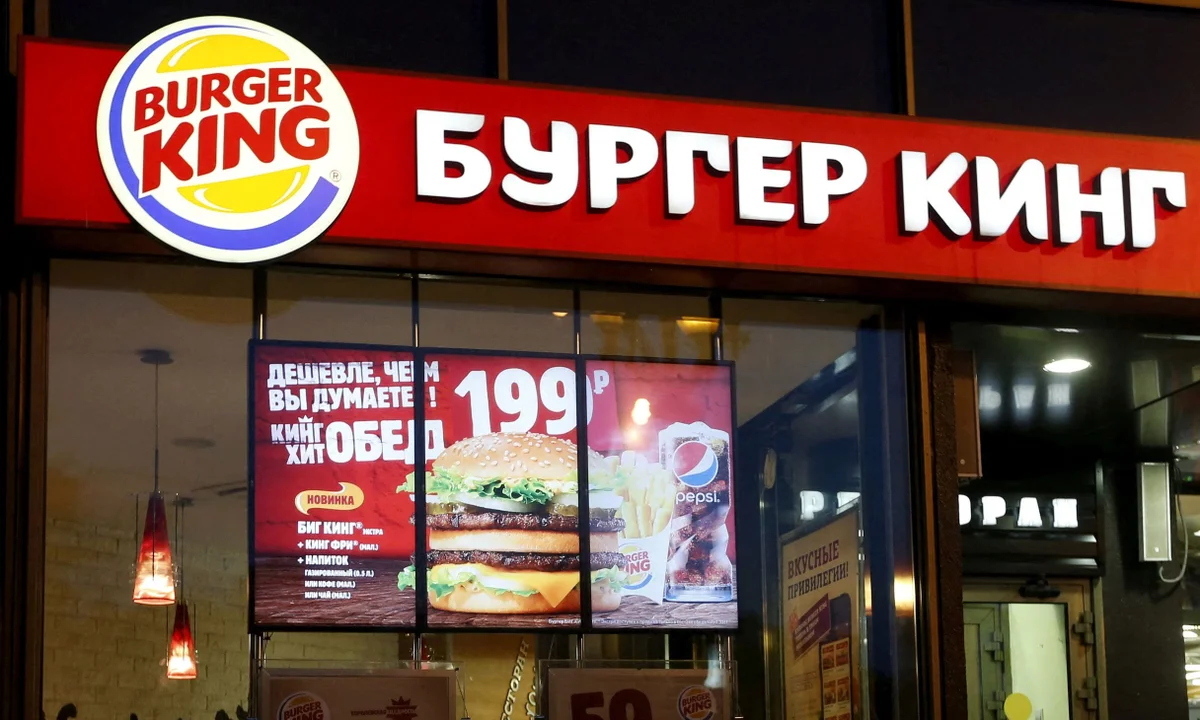
The numbers remain tiny compared with pre-war trade, but the direction is notable. Washington has continued allowing imports where American industry still needs Russian products, including fertilizers and selected strategic metals and raw materials.
Europe itself has not completely stopped buying Russian products either. Of its €27.9 billion of Russian imports in 2025, around €20 billion was still mineral fuels, alongside chemicals and other raw materials.
The result is therefore more complicated than the political slogans.
Russia lost its largest and most lucrative neighbouring market, but Europe simultaneously surrendered a major source of inexpensive energy, raw materials and export demand. Russia redirected much of that trade eastwards.
And while Europe continues pursuing broad economic separation, Washington appears increasingly selective: restrict Russian trade where geopolitically necessary, while maintaining it where American economic interests still make it useful.