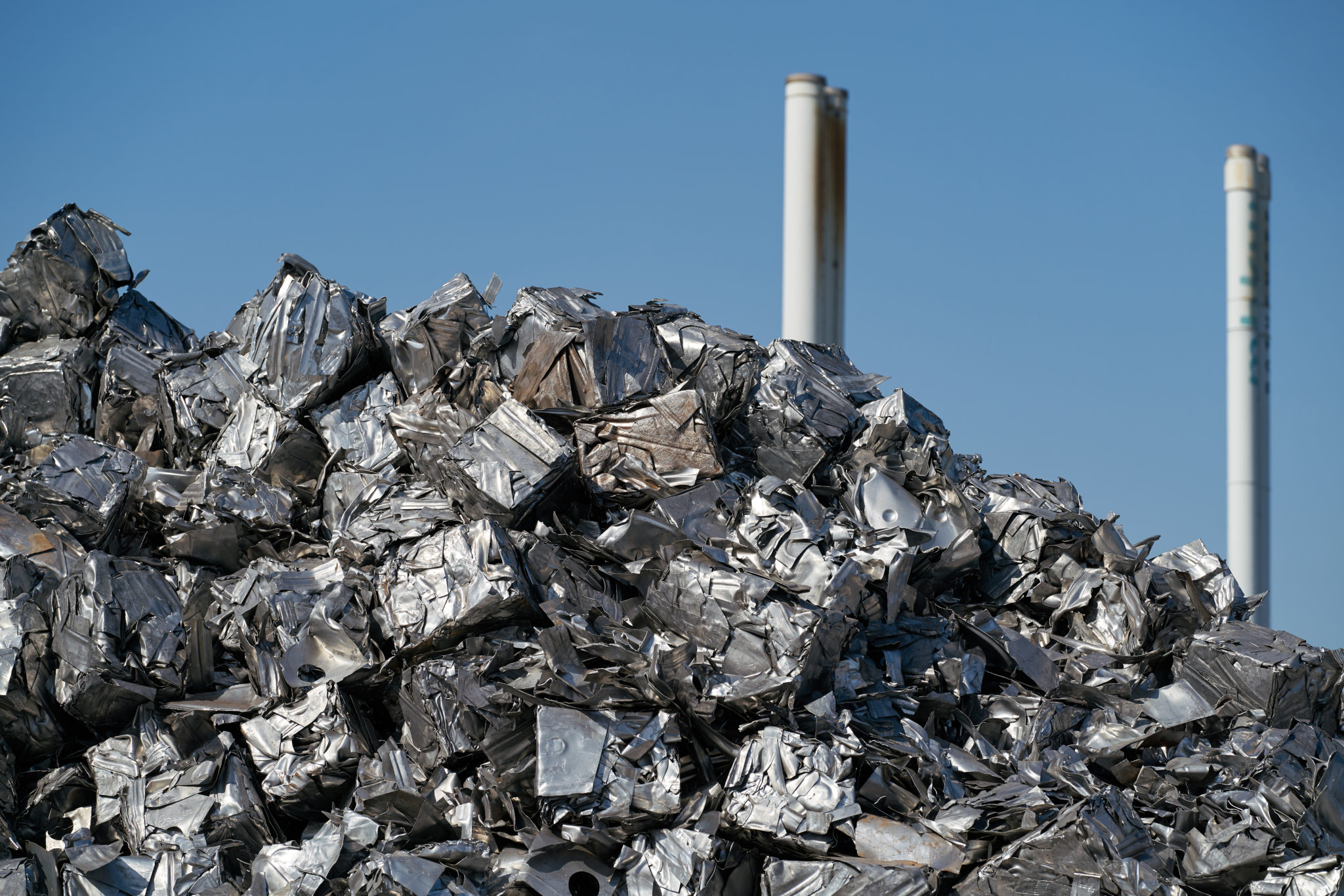
The European Commission is preparing a broad restriction on exports of waste, including aluminium scrap, to non-OECD countries. The measure is expected to be introduced through a delegated act under the EU Waste Shipment Regulation, with public consultation planned before possible adoption by the end of 2026. Certain EU candidate countries may be exempted.
At first sight this looks like an environmental regulation. In reality it is becoming an industrial-policy weapon.
European recyclers and metal producers would instead gain access to a larger pool of secondary raw material inside the EU.
“China and India, both major consumers of scrap metals and neither members of the OECD, would be among the countries potentially affected.”
EuroAsia.News
The economic logic is powerful. Producing aluminium from recycled metal requires roughly 95% less energy than producing primary aluminium from bauxite. In a region where industrial electricity prices remain a major competitive disadvantage, scrap has therefore become enormously valuable.
European producers face a difficult equation. Smelting primary aluminium requires huge quantities of electricity, while competitors in regions with cheaper power can often operate at lower cost. Foreign recyclers can also pay attractive prices for European scrap, process it abroad and potentially sell finished metal back into Europe.
From the perspective of Brussels, Europe is effectively exporting part of its industrial energy advantage.
The planned restrictions therefore fit into a much larger shift taking place in European policy.
The EU increasingly treats lithium, copper, nickel, rare earths, batteries, steel scrap and aluminium scrap not merely as products traded on open markets but as strategic materials. The lesson learned from dependence on Russian gas, Chinese rare-earth processing and Asian battery supply chains is that access to raw materials can become a geopolitical vulnerability.
“Waste” is consequently being redefined as a resource.
The policy will inevitably create winners and losers. European aluminium recyclers and downstream manufacturers could benefit from improved scrap availability and potentially lower input costs. The measure may also support Europe’s decarbonisation ambitions because recycled aluminium has such a dramatically lower energy footprint.
Scrap exporters may see the situation differently. Restricting access to international buyers could reduce competition for material and depress European scrap prices. Trading partners may also accuse Brussels of environmental protectionism — using green regulations to retain valuable industrial inputs.
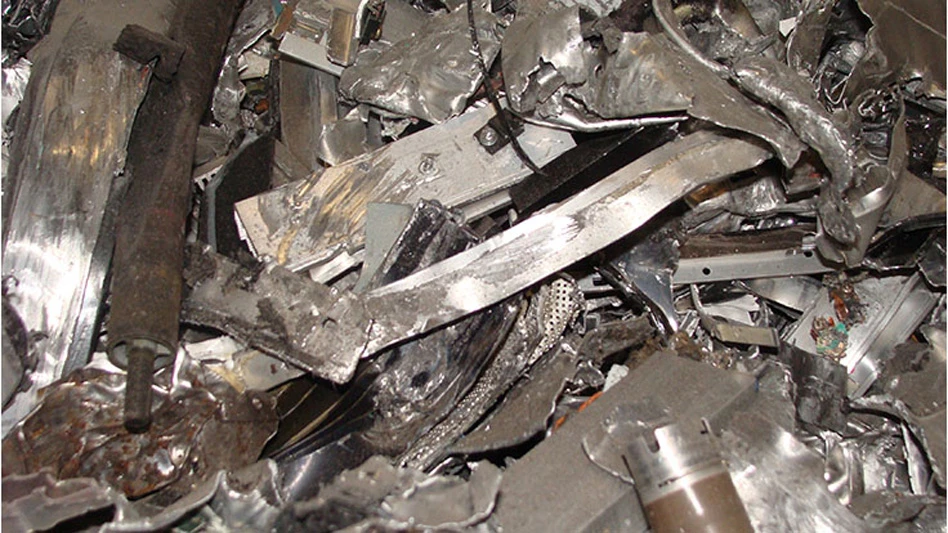
For China and India the consequences extend beyond lost tonnes of European metal.
Both economies are expanding manufacturing while simultaneously trying to increase recycled-material use. India in particular is entering a period of enormous infrastructure and industrial demand, from transport and construction to electric vehicles and renewable energy. Aluminium is essential to all of them.
Europe’s decision therefore represents another small step toward a more fragmented global commodities system.
Governments once argued that globalisation would send raw materials to whichever factory could use them most efficiently. Today the question is increasingly whether strategic materials should leave national or regional borders at all.
The same logic can already be seen in export controls on critical minerals, semiconductor technology, food commodities and energy.
Europe’s emerging aluminium wall is therefore about far more than scrap metal.
It reflects a broader economic doctrine taking shape across Eurasia: in an age of geopolitical competition, industrial capacity begins with control over the materials required to build it.