Yet Budapest still appears to be treating each case as an isolated corporate problem rather than symptoms of a wider competitiveness crisis.
The latest blow came from Győr. German automotive supplier WKW confirmed that its Hungarian factory will close completely by December 31. All 470 jobs will disappear and WKW Hungaria Kft. will cease to exist. The company said cancelled customer orders meant Hungarian production could no longer be operated economically.
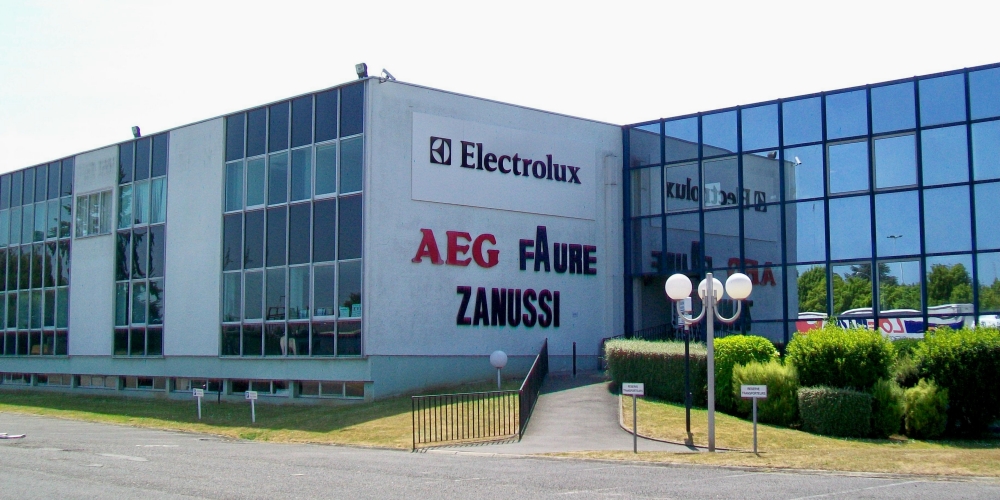
Around 600 employees will lose their jobs by the end of 2026. Electrolux explicitly cited stagnant demand, price pressure and increasingly difficult cost competitiveness.
“This follows Electrolux's decision to terminate refrigerator production in Jászberény.”
EuroAsia.News, reporting from Budapest
Then there is Bayer Construct, one of Hungary's largest construction groups. It has entered bankruptcy protection following severe financial difficulties and the Tisza government's withdrawal from the enormous Zugló office transaction negotiated under the previous government. Bayer continues operating and bankruptcy protection is not liquidation, but the case exposes just how fragile parts of Hungary's construction sector have become. The government maintains that contractual conditions were not fulfilled; the developer disputes this and is pursuing legal remedies.
Three different sectors. Three different stories. One increasingly uncomfortable question:
Where is the government's economic response?
Péter Magyar cannot reasonably be blamed for every weakness inherited after sixteen years of Fidesz government. Germany's automotive crisis was not created in Budapest, nor can Hungary dictate European consumer demand or global oil prices.
But Magyar is Prime Minister now.
At some point, repeatedly explaining what Orbán left behind stops being an economic policy.
Hungary's own statistics should be ringing alarm bells. In May–July, employment was 29,000 lower than one year earlier, while the domestic primary labour market had 47,000 fewer workers. July unemployment stood at 222,000 people, or 4.5%.
Nevertheless, there has been no highly visible national industrial-employment programme corresponding to the seriousness of these developments: no announced emergency strategy for regions suffering mass redundancies, no major programme to replace departing manufacturers, and no clearly communicated roadmap explaining how Hungary intends to restore its cost competitiveness.
The institutional setup hardly inspires confidence either. Hungary has a Social and Family Minister, Kátai-Németh Vilmos, and employment-policy responsibilities exist within government. What Hungary does not have is a powerful, politically visible Labour Ministry whose minister wakes up every morning responsible for one question: where will Hungarians work tomorrow?
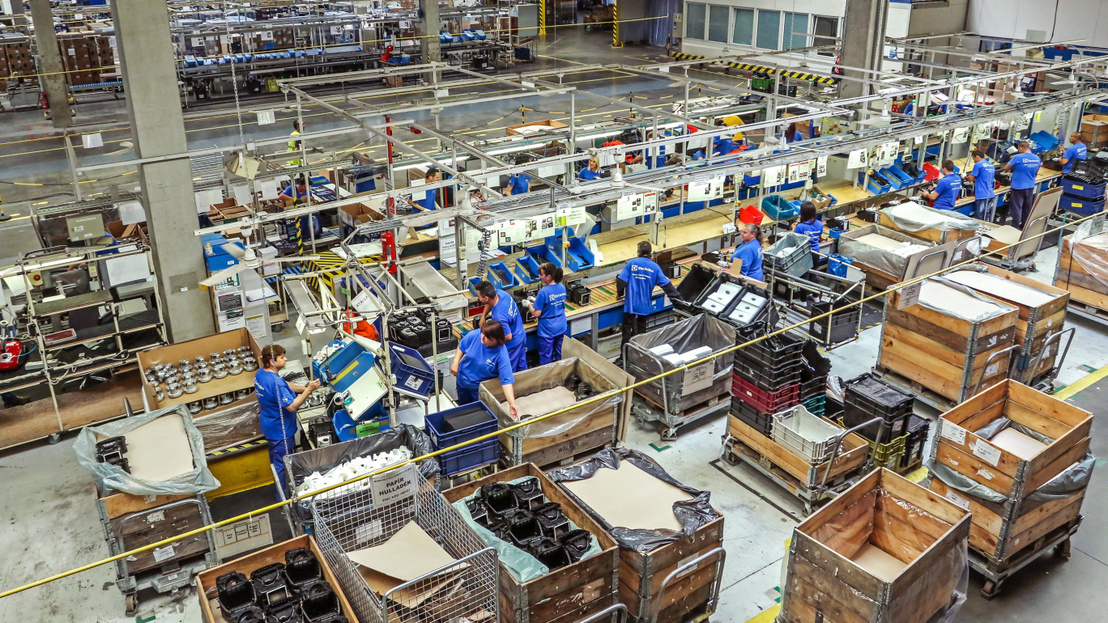
Instead, recent government headlines have concentrated on social-sector wages, environmental authorities, tobacco and casino concessions and investigations into the previous administration. Some of these issues may be justified. But meanwhile factories are shutting their gates.
And businesses face another problem: energy and transport costs.
NAV's September market-based reference price for 95 petrol increased from HUF 580 (€1.59) per litre in August to HUF 604 (€1.66) in September, while diesel jumped from HUF 592 (€1.63) to HUF 667 (€1.83) per litre.
For a logistics company, farmer, construction contractor or manufacturer, diesel is not a luxury purchase. It is a production cost.
Hungary therefore needs more than another press conference telling voters whom to blame.
It needs an industrial survival programme: incentives for companies taking over redundant workers, rapid retraining tied to actual vacancies, aggressive efforts to attract replacement manufacturing, cheaper financing for productive SMEs, competitive energy policies and direct intervention when hundreds of jobs disappear from a single town.
The Tisza government was elected promising competence and a break with the old political system. That standard now applies to Tisza itself.
Electrolux is leaving. WKW is closing. Bayer Construct is fighting for survival. Employment is declining. Fuel costs are climbing.
Investigating the past may explain yesterday.
It will not create tomorrow's jobs.