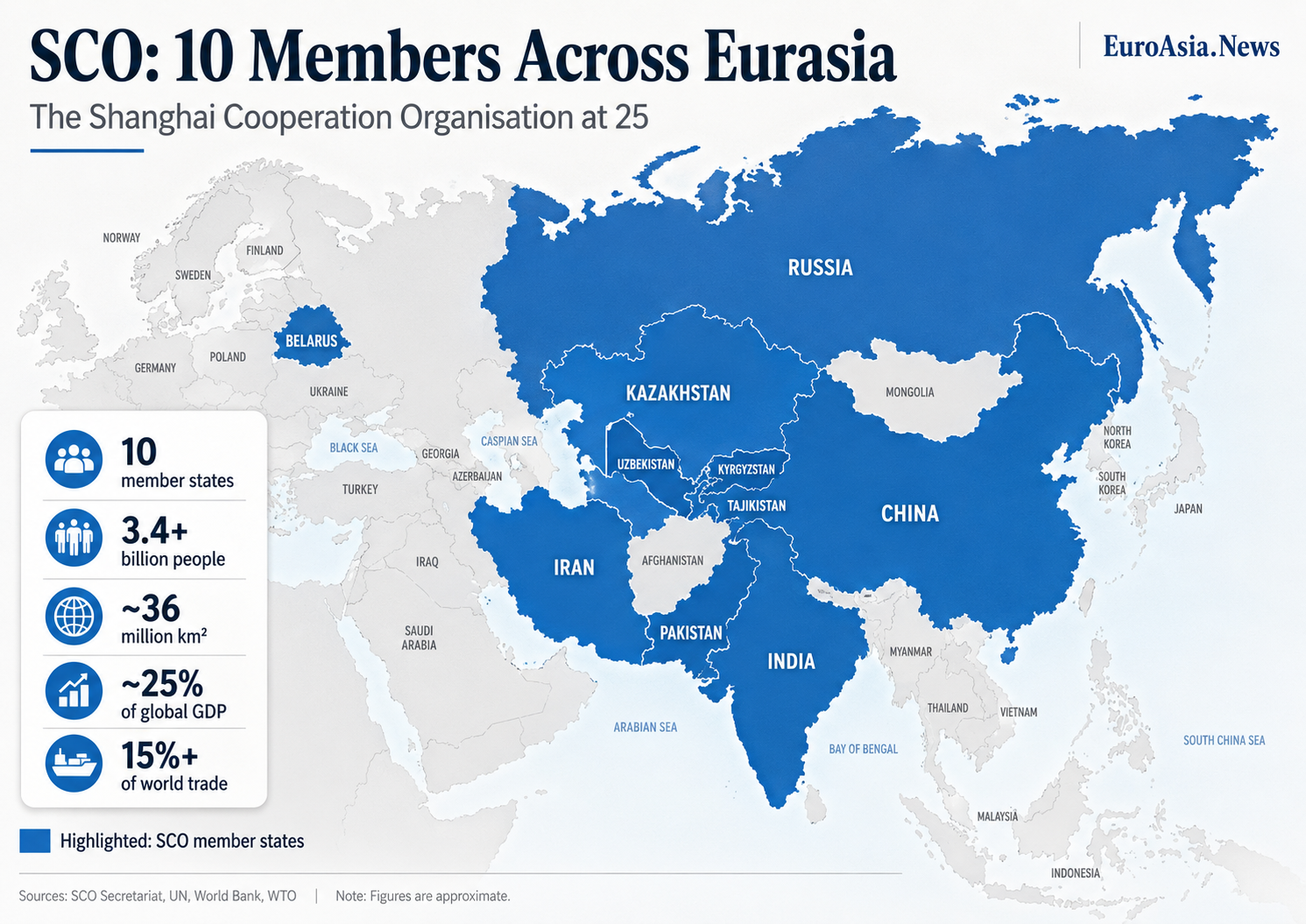
The contrast begins with population.
The ten SCO members — China, India, Russia, Pakistan, Iran, Kazakhstan, Uzbekistan, Belarus, Kyrgyzstan and Tajikistan — have a combined population exceeding 3.4 billion, or more than 40% of humanity. The organisation itself describes its territory as covering around 36 million square kilometres and generating approximately 25% of global GDP and more than 15% of international trade.
The seven G7 economies — United States, Germany, Japan, United Kingdom, France, Italy and Canada — together contain only around 800 million people, less than 10% of the global population.
“That demographic difference is one of the most important long-term advantages of the SCO..”
EuroAsia.News
G7 Wins in Dollars — SCO Wins in Purchasing Power
Measured using conventional nominal GDP converted into US dollars, the G7 remains clearly ahead.
Aggregating current IMF projections puts the seven G7 economies at roughly $50–55 trillion in nominal GDP, compared with approximately $28–30 trillion for the ten SCO members.
The United States alone accounts for more than $30 trillion, while exchange rates substantially reduce the dollar value attributed to economies such as China, India and Russia.
But the picture changes dramatically when GDP is measured by purchasing-power parity, or PPP.
PPP adjusts for what money can actually purchase within each economy. By this measure, China is already larger than the United States, India is the world's third-largest economy and Russia remains among the world's largest. Combined, the SCO economies represent roughly one-third of global economic output on a PPP basis, putting them ahead of the G7.
This distinction matters because nominal GDP measures international financial power particularly well, while PPP gives a better indication of domestic production capacity, consumption and the real scale of an economy.
The G7 therefore remains financially richer; the SCO increasingly represents greater physical economic scale. IMF data also show emerging and developing economies collectively accounting for more than 61% of global GDP measured by PPP in 2026.
Energy: The SCO's Extraordinary Advantage
Nowhere is the difference more striking than in energy.
SCO countries collectively control around 18% of global proven oil reserves and approximately 44% of natural-gas reserves, according to recent research.
Russia, Iran and Kazakhstan are major oil and gas producers. China is simultaneously the world's largest energy consumer, coal producer and renewable-energy investor, while India is one of the fastest-growing large energy markets.
This means that within one organisation are some of the world's biggest energy producers, consumers and transit states.
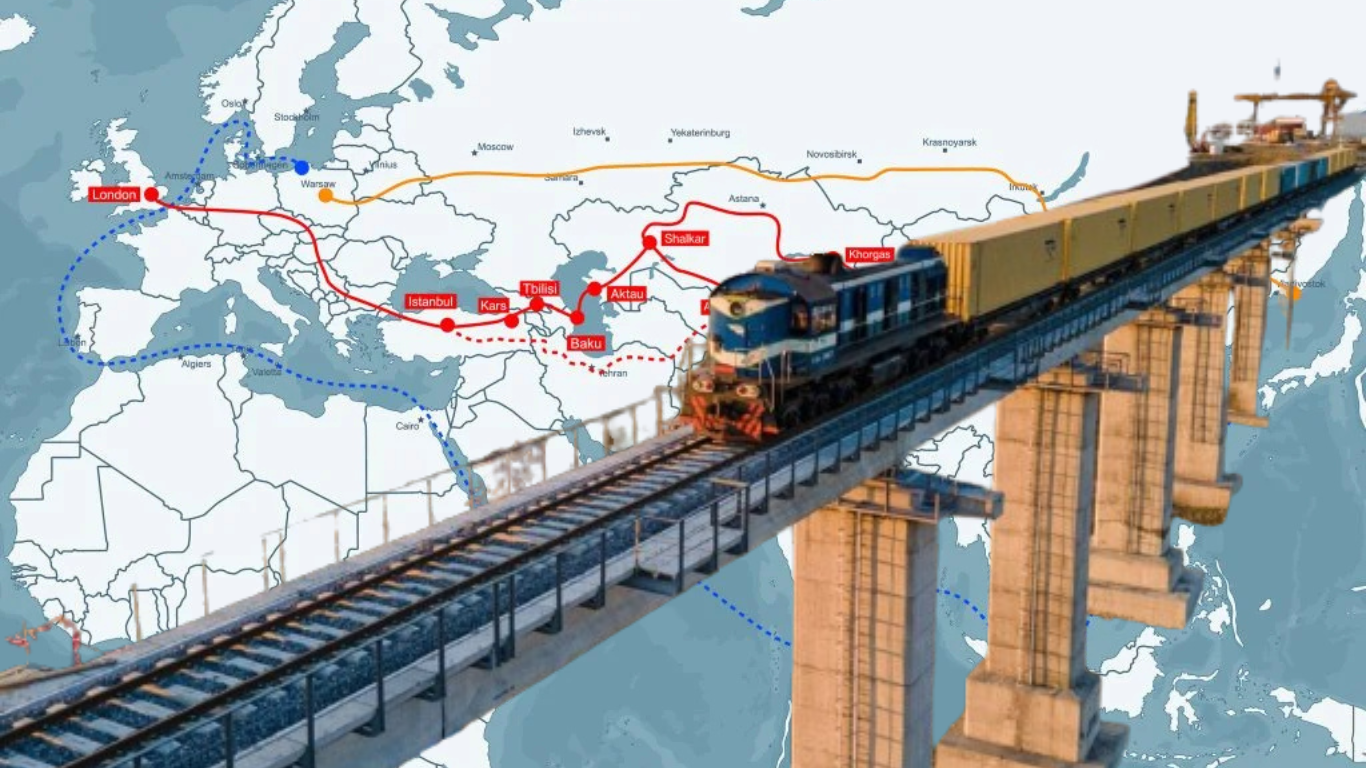
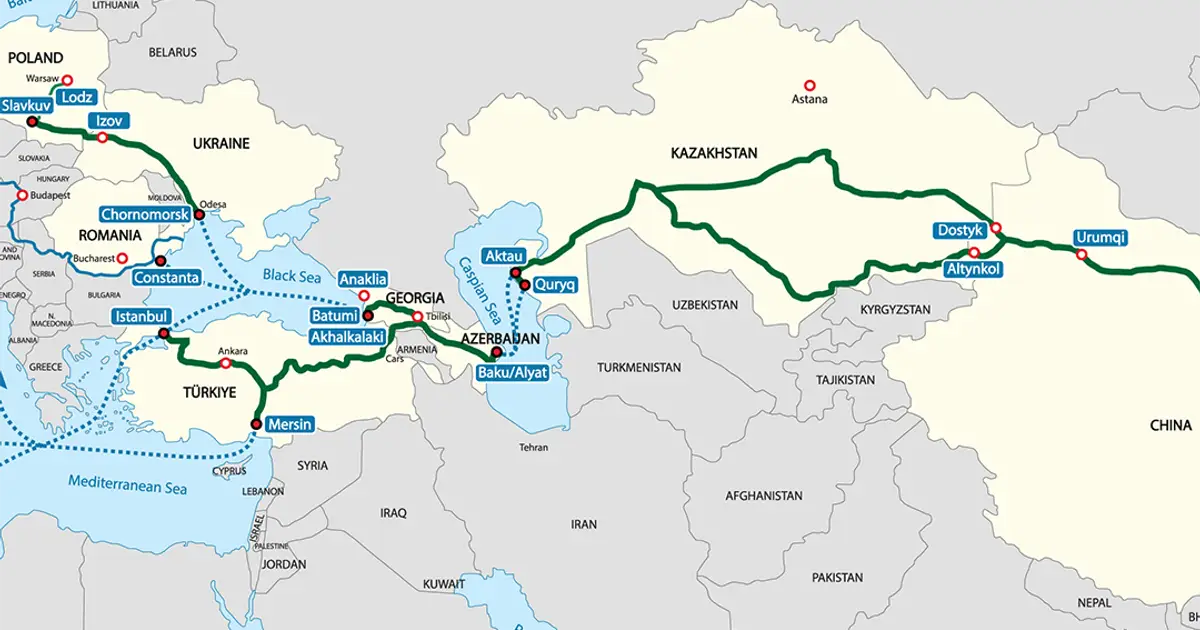
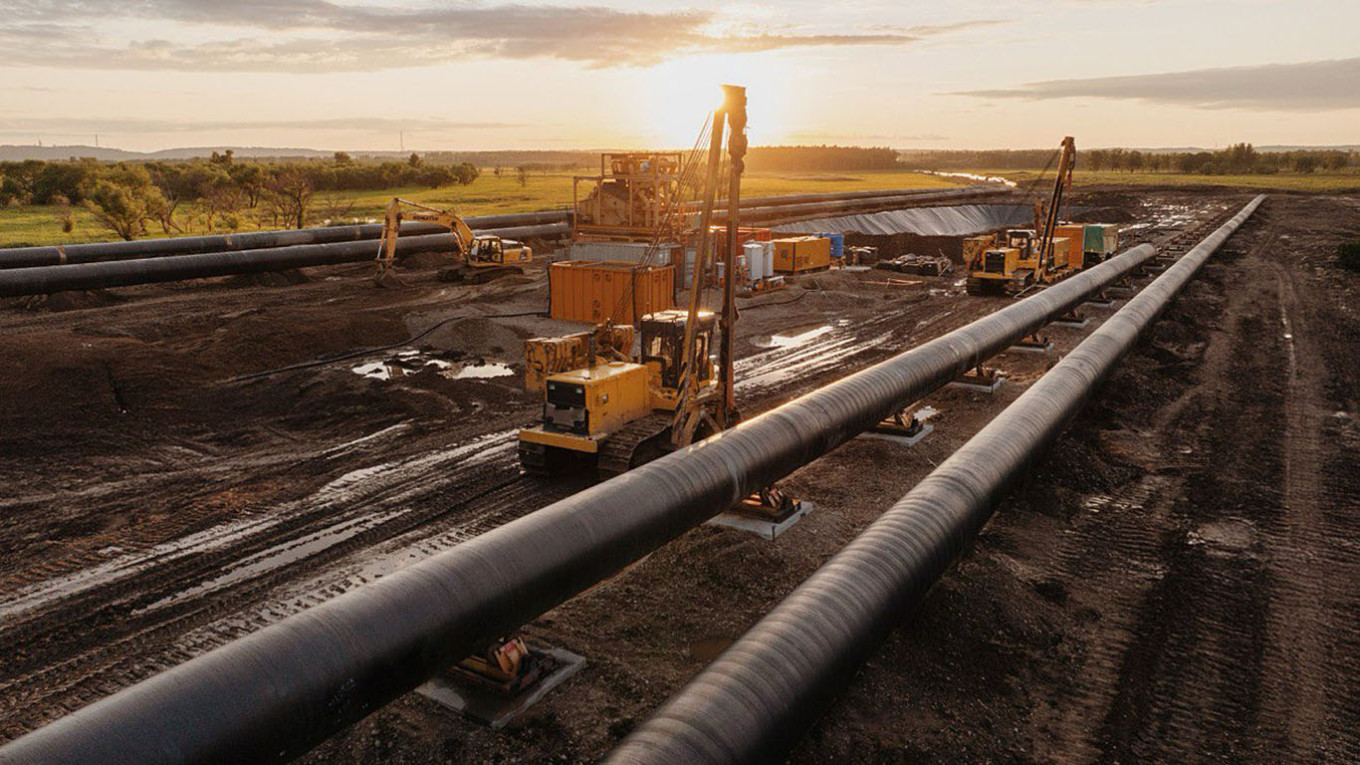
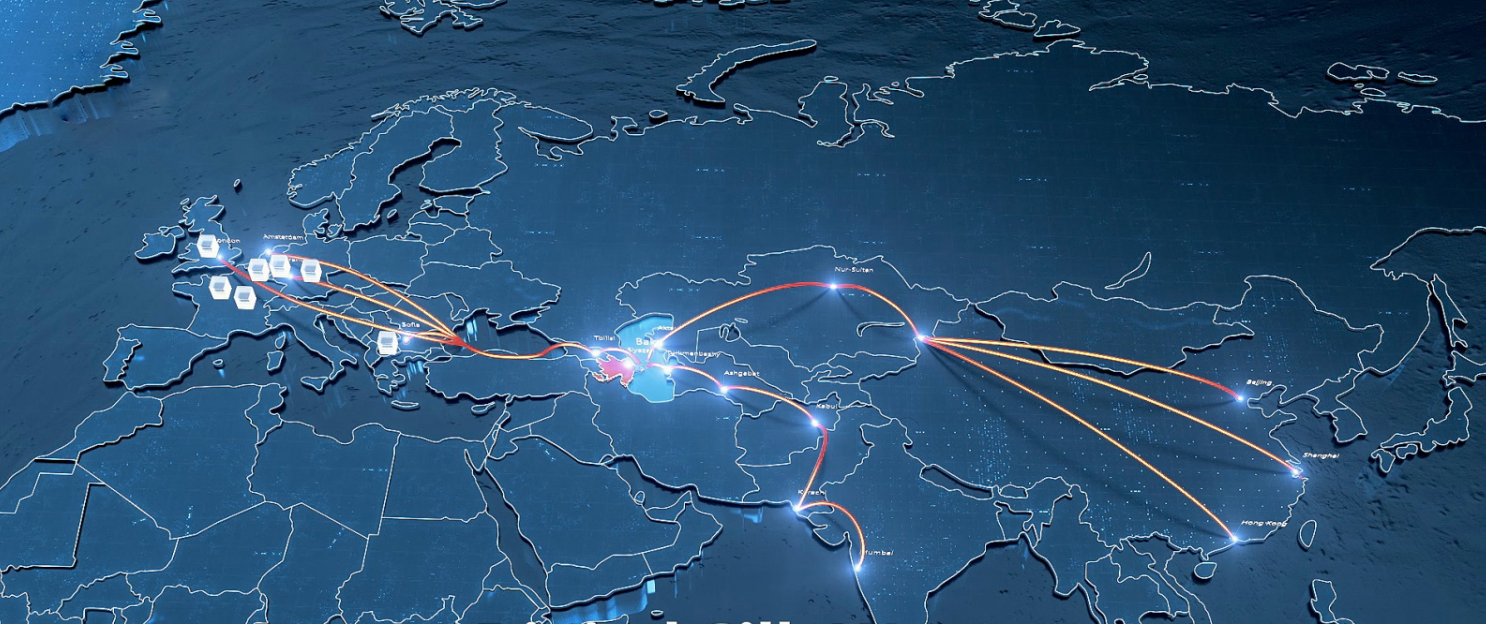
The geography is equally important. Pipelines can connect Russia and Central Asia directly with China. Iran opens access toward the Persian Gulf and Indian Ocean. Kazakhstan links China, Russia and the Caspian. New north–south and east–west railways increasingly connect India, Central Asia, China, Russia and Europe.
The SCO is consequently discussing an Energy Association while implementing its Energy Cooperation Strategy to 2030.
Manufacturing Versus Finance
The economic strengths of the two groups are very different.
The G7 retains commanding positions in global banking, capital markets, reserve currencies, aerospace, pharmaceuticals, advanced machinery, semiconductor technology and intellectual property.
New York, London, Tokyo, Frankfurt and Paris remain central nodes of global finance. The US dollar, euro, pound and yen dominate international reserves and settlements.
The SCO's strength is increasingly concentrated in the physical economy.
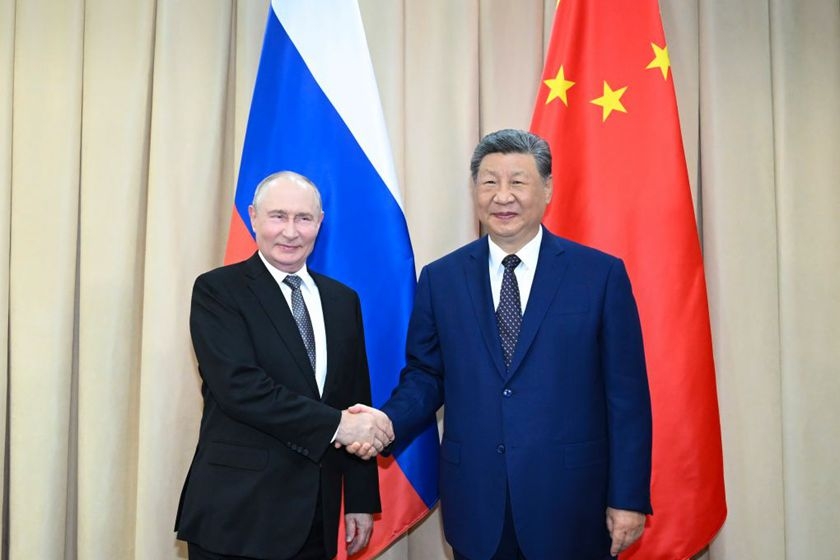
It contains China, the world's largest manufacturing economy; India, one of the fastest-growing major economies; Russia, a leading commodity and nuclear-energy power; and Central Asia, with major reserves of uranium, copper, rare metals, oil and gas.
This creates the possibility of an unusually complete economic chain: resources in Russia, Iran and Central Asia; manufacturing in China and increasingly India; enormous consumer markets in China, India and Pakistan; and overland transport networks connecting them.
Trade Is Moving East
The G7 remains enormously important to world commerce, but Asia has become the principal engine of trade growth.
The WTO reported that 71% of the increase in global merchandise trade in 2025 came from Asia. China is at the centre of that system, while trade between developing economies — so-called South-South trade — has been growing faster than overall world trade.
The SCO's challenge is that its internal economic integration remains surprisingly weak.
There is no SCO common market, customs union or common currency. India and China remain strategic competitors. India and Pakistan have longstanding tensions. Transport links across Central Asia remain incomplete.
That is why discussions about an SCO Development Bank, greater settlement in national currencies, digital payments and new railway corridors could prove more important than political declarations. SCO finance ministers were still discussing the Development Bank and increased use of national currencies during their May 2026 meeting.
Two Different Types of Power
The SCO is not simply an eastern version of the G7.
The G7 is a compact group of wealthy industrial democracies with deeply interconnected financial systems and decades of institutional cooperation. The SCO is vastly larger, more diverse and much less integrated.
But its potential is correspondingly enormous.
Population: SCO 3.4+ billion versus G7 roughly 800 million.
Nominal GDP: G7 approximately $50–55 trillion versus SCO roughly $28–30 trillion.
PPP economy: SCO already larger.
Energy resources: decisive SCO advantage.
Global finance and reserve currencies: decisive G7 advantage.
Manufacturing scale: increasingly concentrated in the SCO, principally because of China.
Future demographic market: strongly in the SCO's favour, particularly through India, Pakistan and Central Asia.
The important question is therefore not whether the SCO can replace the G7.
It is whether its members can transform their extraordinary combination of population, industrial capacity, resources, energy and geography into a sufficiently integrated economic system.
If the railways, energy networks, financial institutions and trade corridors now being discussed become reality, the next 25 years of the SCO may look very different from the first.
The G7 built much of the economic architecture of the 20th century. The increasingly important question is whether Eurasia is now beginning to build another architecture for the 21st.