With corruption allegations surrounding his political circle and parliament unable to deliver major reforms, Prime Minister Pedro Sánchez has called an early election for 29 November.
Spain is entering another period of political uncertainty as Prime Minister Pedro Sánchez attempts to regain control of a government increasingly constrained by parliamentary divisions, corruption allegations and public anger over housing affordability.
The decision was formalised by Royal Decree 806/2026, dissolving both chambers of parliament. It followed growing public protests and the defeat of government-backed housing measures.
“On 5 October, Sánchez announced that Spain would hold an early general election on 29 November 2026.”
EuroAsia.News, reporting from Madrid
A Housing Crisis Becoming a Political Crisis
Spain’s property market has become one of the country’s most serious social and economic problems.
According to the National Statistics Institute (INE), residential property prices increased by 12.2% in the second quarter of 2026 compared with the same period a year earlier.
Prices for existing homes rose 12.9%, while new housing increased by 7.4%. The overall property index gained another 3.4% in just three months.
These figures illustrate the growing distance between the purchasing power of ordinary households and property values.
For young Spaniards, the problem is particularly acute. Many face expensive rental markets, limited opportunities to save and difficulty obtaining mortgages.
The situation has intensified in Madrid, Barcelona and other economically attractive cities.
The Eviction That Triggered National Anger
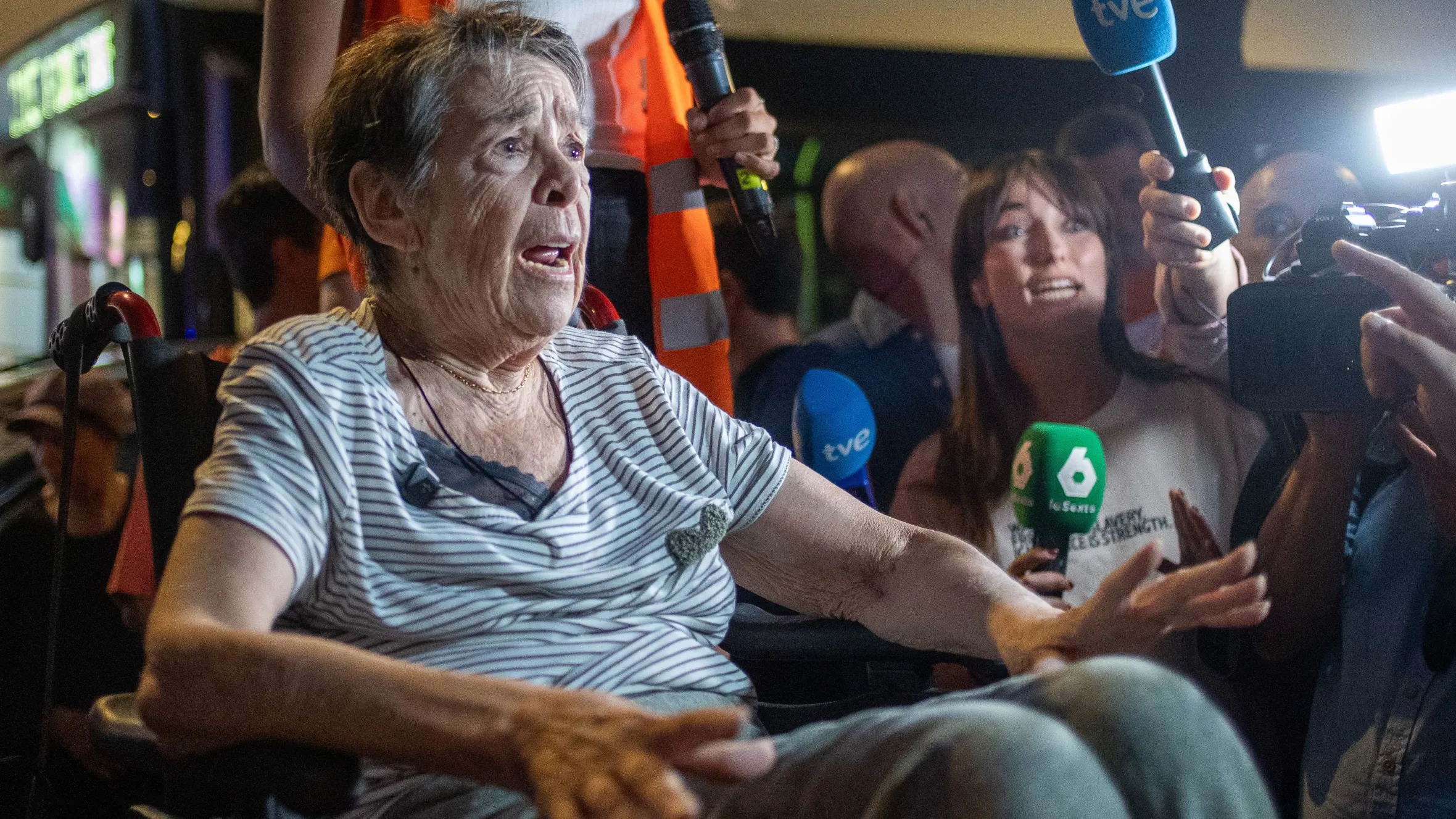
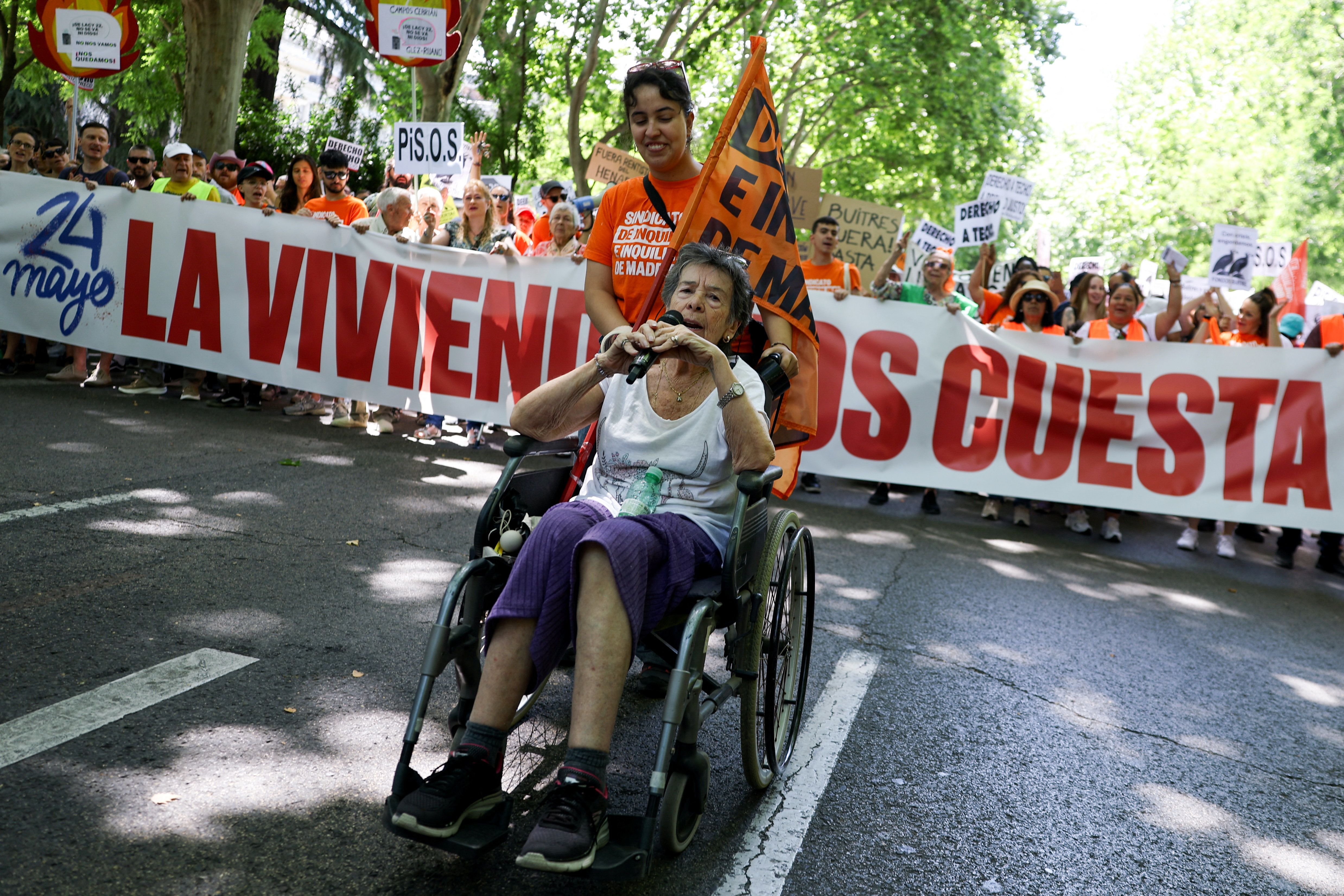
Public frustration escalated following the eviction of 87-year-old María del Carmen Abascal, whose death shortly afterwards intensified debate about tenant protections and the vulnerability of elderly residents.
Demonstrations spread, bringing housing affordability and eviction policies to the centre of national politics.
The Sánchez government proposed emergency measures including additional protections for vulnerable tenants and restrictions on speculative housing activity.
However, political opposition prevented key proposals from securing the necessary parliamentary support.
Critics argue that Sánchez had years to tackle structural housing shortages. Government supporters counter that conservative parties have blocked policies intended to protect renters.
Corruption Allegations and Political Distrust
Housing is not the only problem confronting the prime minister.
Investigations and allegations concerning people close to Sánchez, including members of his political circle and family, have dominated Spanish political debate.
Opposition parties argue that these controversies demonstrate serious weaknesses in government accountability.
Sánchez and his supporters reject attempts to treat allegations against associates as proof of personal wrongdoing by the prime minister.
The distinction matters: investigations, accusations and political responsibility are not equivalent to criminal convictions.
Nevertheless, the continuing controversies have made it more difficult for Sánchez to focus public attention on his government's economic achievements.
Strong Economic Growth, but Who Benefits?
Spain presents an unusual European contradiction.
While Germany and several other major economies have struggled with weak growth, Spain has expanded significantly faster.
According to Reuters analysis, Spanish GDP has increased approximately 15% since late 2021, supported partly by immigration, employment growth and domestic demand.
Yet expanding economic activity has not translated into affordable housing.
Spain gained approximately two million residents and one million households since 2020, increasing demand for residential property.
Construction has not expanded sufficiently to absorb that pressure.
House prices have risen roughly 26% in two years, creating a situation where economic success at the national level coexists with financial insecurity for substantial sections of the population.
An Election With European Consequences
Sánchez’s Socialist Party will face the conservative People's Party under Alberto Núñez Feijóo and the right-wing Vox party.
A Reuters report published on 9 October cited polling that placed the PP ahead of the Socialists, with surveys also indicating substantial combined support for PP and Vox.
These are polling measurements, not election results. Voting remains scheduled for 29 November.
The campaign is expected to address housing, migration, corruption allegations, public spending and the role of regional parties.
For Spain’s European partners, the election also matters because Madrid has become an influential voice on migration, EU economic policy and foreign affairs.
A Test of Trust
Sánchez wants voters to focus on social reform and the need for stronger protections against escalating housing costs.
His opponents want the election to become a judgment on his administration, its governing alliances and the controversies surrounding it.
But the deeper question extends beyond party politics.
How can a country report strong economic growth while growing numbers of citizens feel unable to afford a home or establish an independent household?
Spain’s November election will offer voters competing answers to that question, at a moment when the gap between economic statistics and everyday living conditions has become politically impossible to ignore.