His interrogation raises uncomfortable questions about political leadership, personal conduct and the standards expected of Hungary’s highest public official.
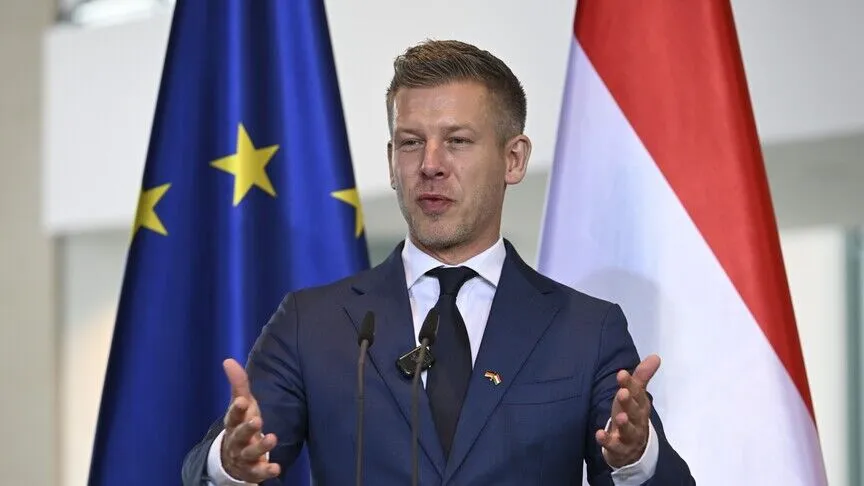
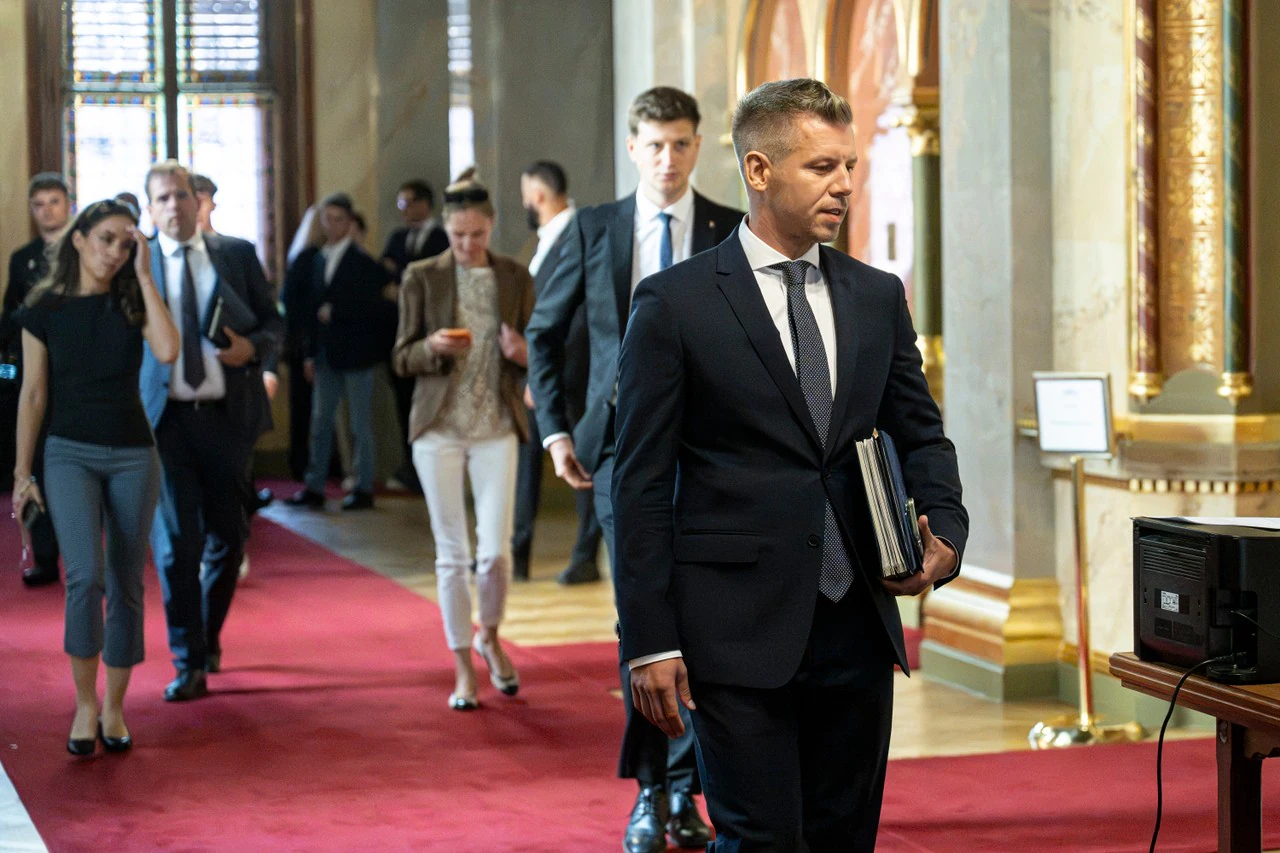
Hungary has witnessed an extraordinary political spectacle: its sitting prime minister, Péter Magyar, has been formally questioned as a criminal suspect in an alleged theft case originating from a Budapest nightclub incident in June 2024.
Prosecutors confirmed that he was questioned on suspicion of theft. Magyar denied committing a crime and submitted a defence.
“On October 7, Magyar appeared before the Central Investigative Prosecutor’s Office following parliament’s September 28 decision to suspend his parliamentary immunity.”
EuroAsia.News, reporting from Budapest
From Nightclub to Criminal Investigation
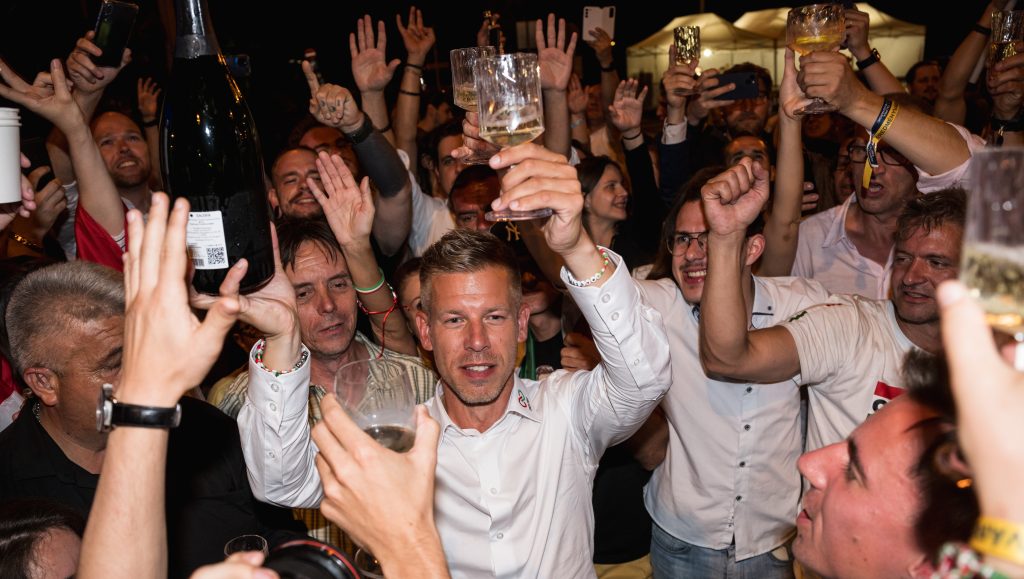
The allegations concern events at Budapest’s Ötkert nightclub on June 21, 2024. According to prosecutors, Magyar confronted a man filming him, took the man's mobile phone, refused repeated requests to return it and subsequently deliberately dropped it into the Danube.
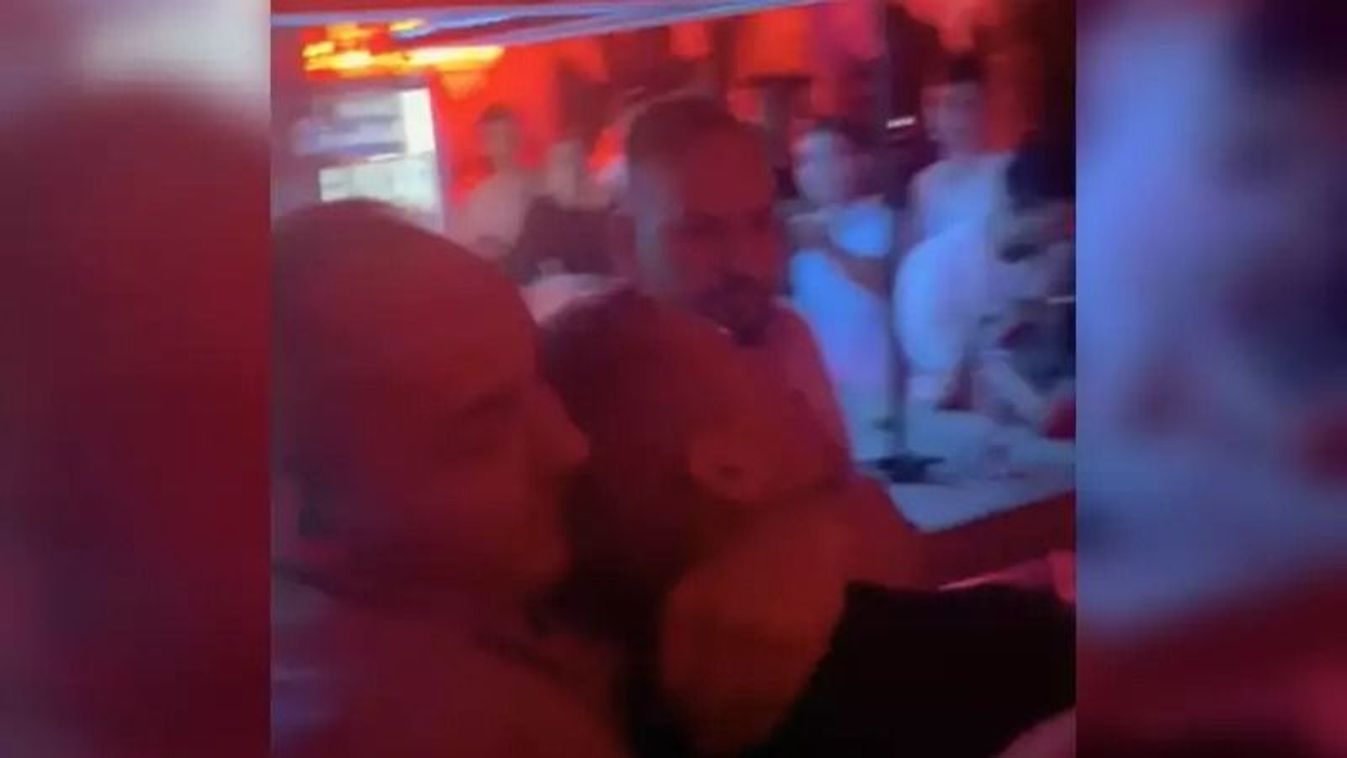
He was later thrown out of the nightclub due to further misconduct; security guards grabbed him by the neck and hauled him out onto the street.
What might initially appear to be an embarrassing nightclub dispute has consequently developed into a criminal investigation involving the country's head of government.
The case also includes ordinary criminal identification procedures, suspects being photographed and have fingerprints or palm prints recorded.
“I Would Do It Again”
Perhaps more troubling than the investigation itself is Magyar's public attitude toward the incident.
Speaking before his interrogation, the prime minister insisted that he remembered the night clearly and would act similarly again.
Magyar presents his conduct as a justified response to provocation, rather than an admission of theft. Nevertheless, the statement raises an important question: should a prime minister defend confrontational behaviour that has resulted in criminal proceedings, rather than acknowledge that public officials have a particular responsibility to exercise restraint?
Leadership Demands Higher Standards
A prime minister is not merely another private citizen. The office carries obligations extending beyond compliance with criminal law. Personal discipline, respect for others and the ability to manage conflict without escalation are fundamental expectations of political leadership.
Magyar has repeatedly presented himself as the representative of a new political culture in Hungary. Yet the contrast between that promise and the circumstances surrounding this investigation and his behaviour in parliament is difficult to overlook.
His supporters describe the proceedings as politically motivated. Magyar himself has accused his opponents of attempting to distract attention from alleged corruption involving the previous government.
Those allegations deserve proper examination. But investigating potential wrongdoing by former officials does not eliminate the obligation to scrutinise the current prime minister.
Political Responsibility Beyond the Courtroom
No court has established Magyar's guilt, and the presumption of innocence must be respected. An interrogation is not a conviction.
Yet criminal responsibility and political accountability are different questions.
Even if the case ultimately ends without a conviction, the incident and Magyar's subsequent public statements remain legitimate subjects of criticism.
Hungarian citizens are entitled to expect their prime minister to demonstrate self-control, maturity and respect for the standards he demands from others.
A country's highest office should represent dignity, not merely political victory.
The central issue is therefore larger than a mobile phone allegedly thrown into a river. It concerns whether Hungary's prime minister understands that holding public office requires a higher standard of personal conduct.