Relations between Poland and Ukraine are again being strained by one of the darkest chapters of their shared history: the wartime massacres of Polish civilians in Volhynia and Eastern Galicia and Ukraine’s increasingly official commemoration of the nationalist movements associated with that period.
Between 1943 and 1945, units of the Ukrainian Insurgent Army (UPA) and structures associated with the OUN-B carried out a campaign intended to remove the Polish population from territories claimed for a future Ukrainian state. Poland’s Institute of National Remembrance estimates that around 100,000 Polish civilians were murdered, predominantly women, children and elderly people. Villages were attacked simultaneously, houses burned and inhabitants killed with firearms, axes, knives and agricultural tools. On 11 July 1943 alone—the so-called “Bloody Sunday”—UPA units attacked around 100 Polish settlements. Polish retaliatory actions subsequently killed thousands of Ukrainians. Poland officially classifies the campaign against its civilian population as genocide.
“The issue has now become an immediate diplomatic problem rather than simply a historical argument.”
EuroAsia.News Editorial
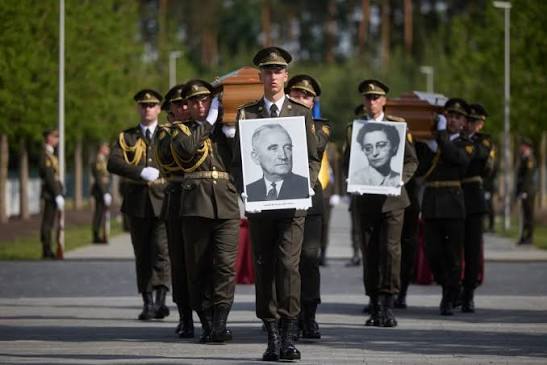
On 25 May 2026, President Volodymyr Zelenskyy participated in the ceremonial reburial of Andriy Melnyk, wartime leader of one faction of the Organization of Ukrainian Nationalists, at Ukraine’s new National Military Memorial Cemetery. Zelenskyy described those being returned from exile within the broader project as Ukrainian heroes and announced the creation of a Pantheon of Ukrainian Heroes. Melnyk’s OUN faction had sought cooperation with Nazi Germany during the war, although responsibility for the Volhynia massacres is associated primarily with the rival OUN-B and the UPA.
The controversy escalated the following day. On 26 May, Zelenskyy signed Decree No. 440/2026 granting a Ukrainian Special Operations Forces unit the honorary designation “Named After the Heroes of the UPA.” Poland’s Foreign Ministry formally protested, saying the decision had caused indignation and damaged relations between the two countries.
For Warsaw, the fundamental contradiction is difficult to ignore: while Ukrainian authorities permit the gradual exhumation and identification of Polish massacre victims, the same state increasingly presents the UPA tradition as part of its official national heroic narrative. Recent excavations in Volhynia have continued to uncover civilian remains; in July and August 2026, Polish-Ukrainian teams recovered 55 victims, including 26 children, from two former villages.
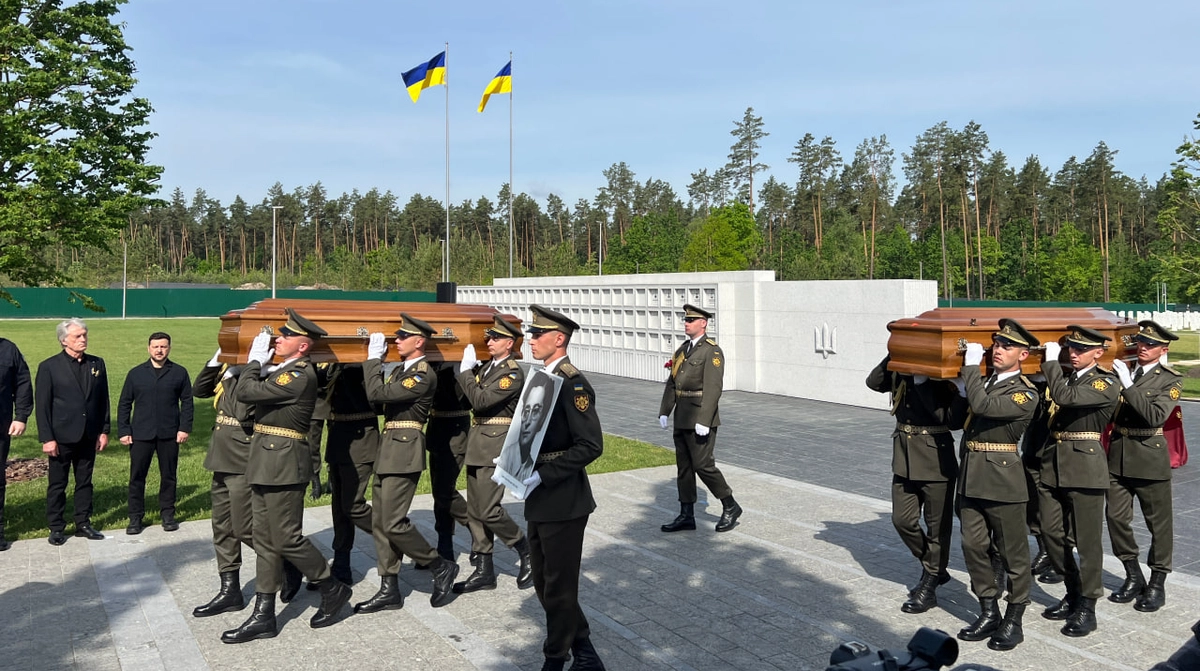
Now a new Pantheon is being established for historical nationalist figures like Yevhen Konovalets and Andriy Melnyk and others to rebury them. In most cases bringing them from Europe, where they have been in exile after WW2.
Ukraine increasingly celebrates UPA and OUN, while Poland remembers the same organisation through destroyed villages and tens of thousands of murdered civilians.
Those two narratives are now colliding at state level. Poland has remained one of Ukraine’s most important military and political supporters, but Warsaw is making increasingly clear that strategic partnership cannot require silence about Volhynia. For Polish society, reconciliation begins not with rewriting the perpetrators as heroes, but with exhumation, identification of the victims, acknowledgement of responsibility and dignified burial of the dead.