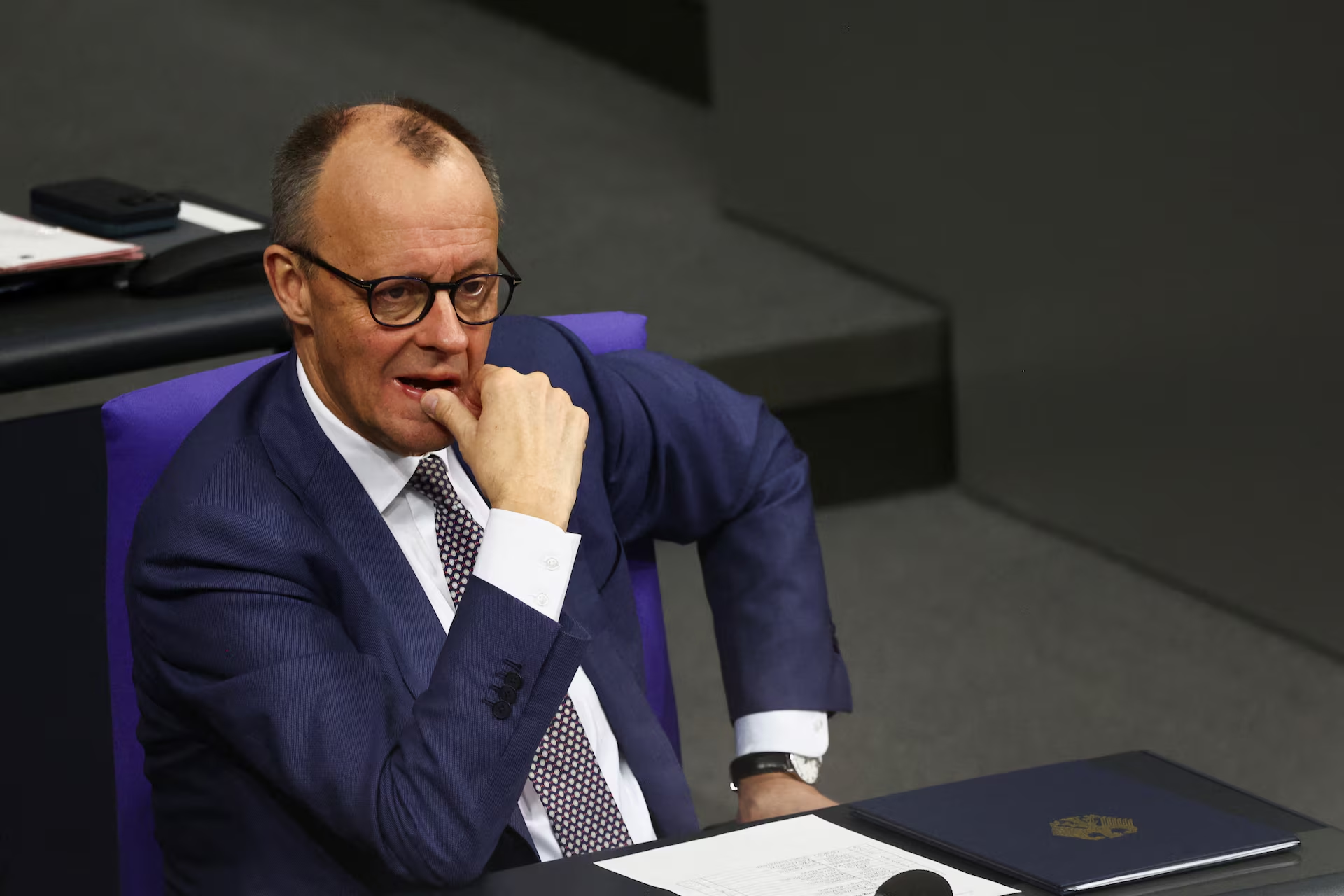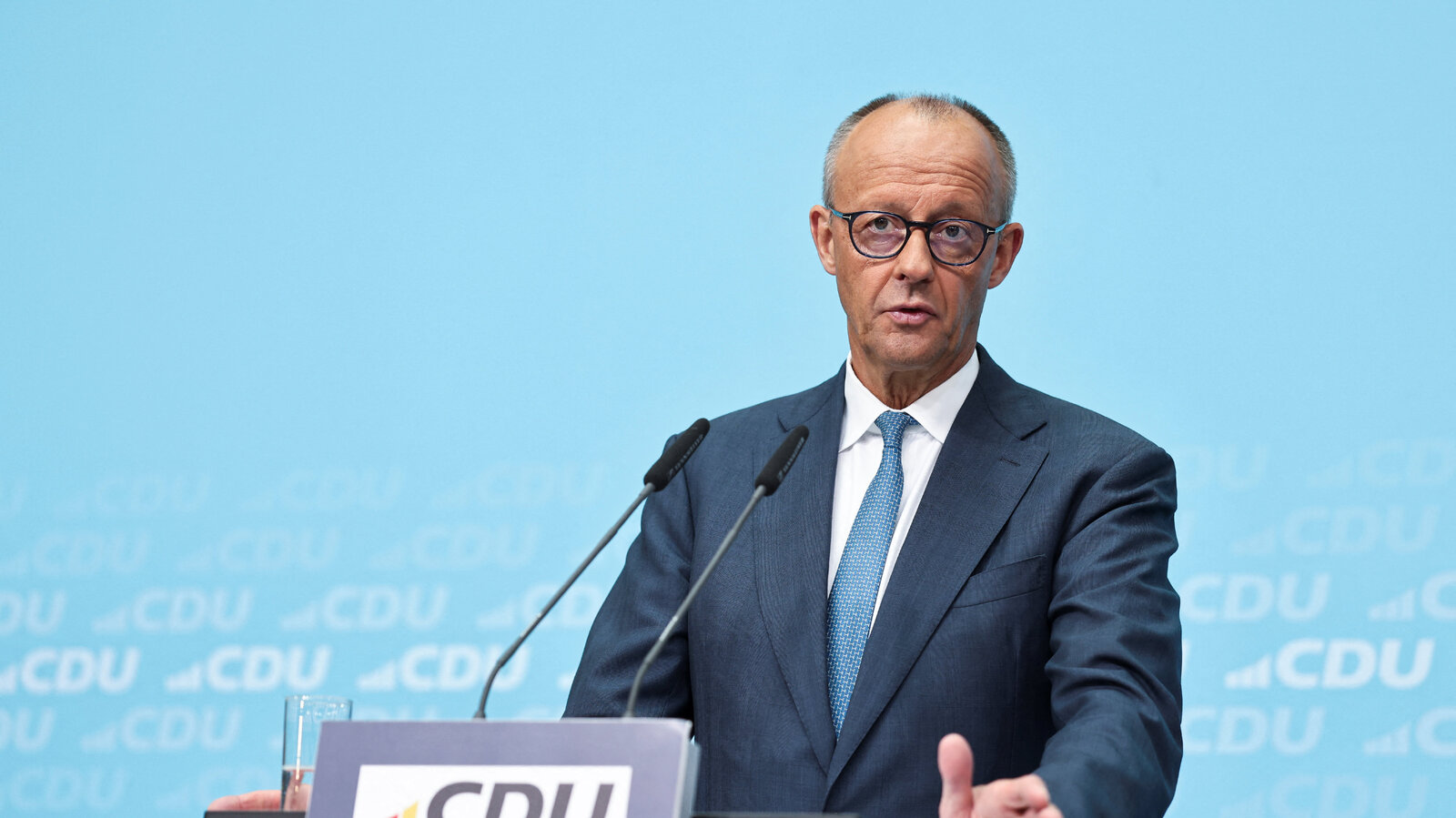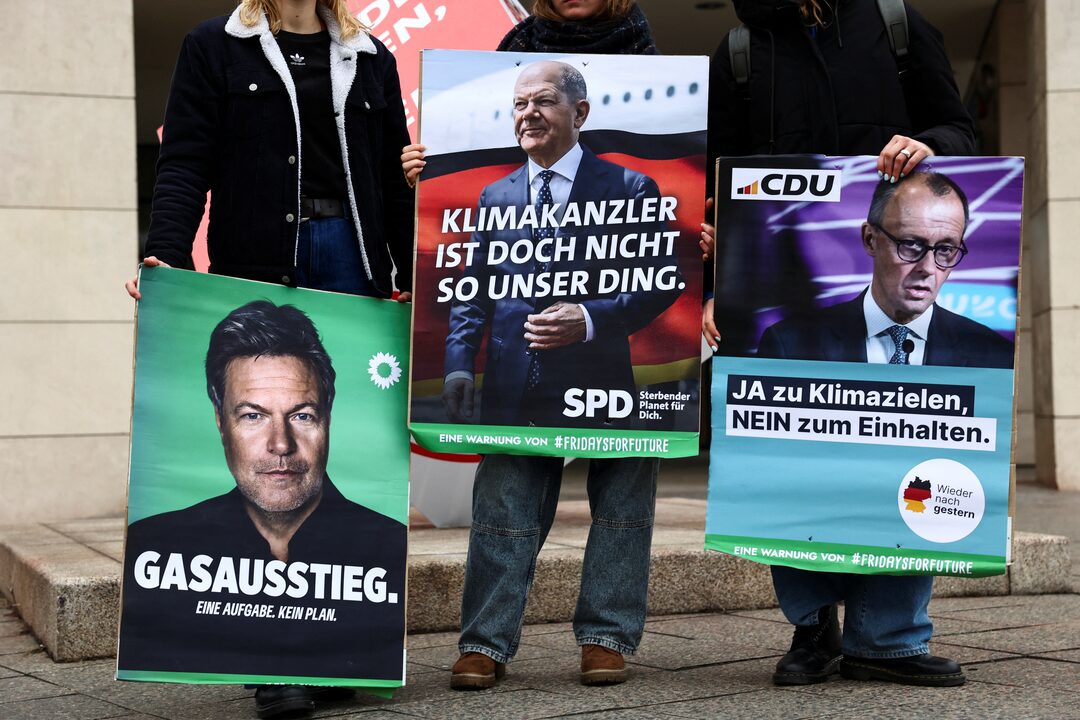
An Infratest dimap poll for ARD put the CDU at 7%, behind the AfD on 38%, the governing SPD on 33% and the Left on 9%. An INSA poll subsequently also showed the CDU at 7%. The very latest ZDF/Forschungsgruppe Wahlen survey, published on 17 September, is even lower: CDU 6%, SPD 37%, AfD 36%, Left 9%, Greens 5% and BSW 4%. Polls are not election results, and with several smaller parties close to the 5% threshold the final parliamentary arithmetic remains uncertain. But the direction for the CDU is unmistakable.
The scale of the decline becomes clearer when compared with previous elections. The CDU won 13.3% in Mecklenburg-Vorpommern in 2021, itself already a weak result. In 2016 it received 19%. In the early 2000s the party regularly competed for government. A result near 7% would roughly halve even its 2021 vote and, according to NDR, would be the CDU’s worst result in any German state election since the creation of the Federal Republic.
Germany’s state parliaments generally require parties to clear a 5% threshold. At 6 or 7%, the CDU is close enough that normal polling error matters. ZDF notes that its surveys carry an uncertainty of around two percentage points for parties polling near 10%. That means the question is no longer merely whether the CDU finishes fourth: party officials are openly discussing the possibility that it could fail to enter the Schwerin parliament at all. CDU lead candidate Daniel Peters has described the campaign as an existential struggle for the party in the state.
“The immediate danger is mathematical.”
EuroAsia.News, reporting from Berlin
The collapse cannot be explained by one factor alone. Mecklenburg-Vorpommern has long been difficult terrain for the CDU, while SPD premier Manuela Schwesig remains personally popular. In the latest polling, the SPD has recovered sharply as the election approaches, increasingly turning the contest into a direct choice between Schwesig and AfD lead candidate Leif-Erik Holm. Smaller parties risk being squeezed as voters concentrate on the two leading camps.
But national politics is also hanging over the campaign. Reuters reports that CDU officials are worried dissatisfaction with Chancellor Friedrich Merz’s federal government is damaging the party in the state. Nationally, CDU/CSU support has fallen to around 18–20% in several recent polls, while the AfD has been measured at 27–29%. Merz has rejected attempts to tie his future directly to individual state elections, but the Mecklenburg-Vorpommern result comes immediately after the CDU’s severe defeat in Saxony-Anhalt and on the same day as the Berlin election.
The situation is particularly symbolic because Mecklenburg-Vorpommern was Angela Merkel’s political home for decades. The CDU once had one of Germany’s most powerful political figures representing the state at federal level; today it is fighting merely to remain securely above the parliamentary threshold.
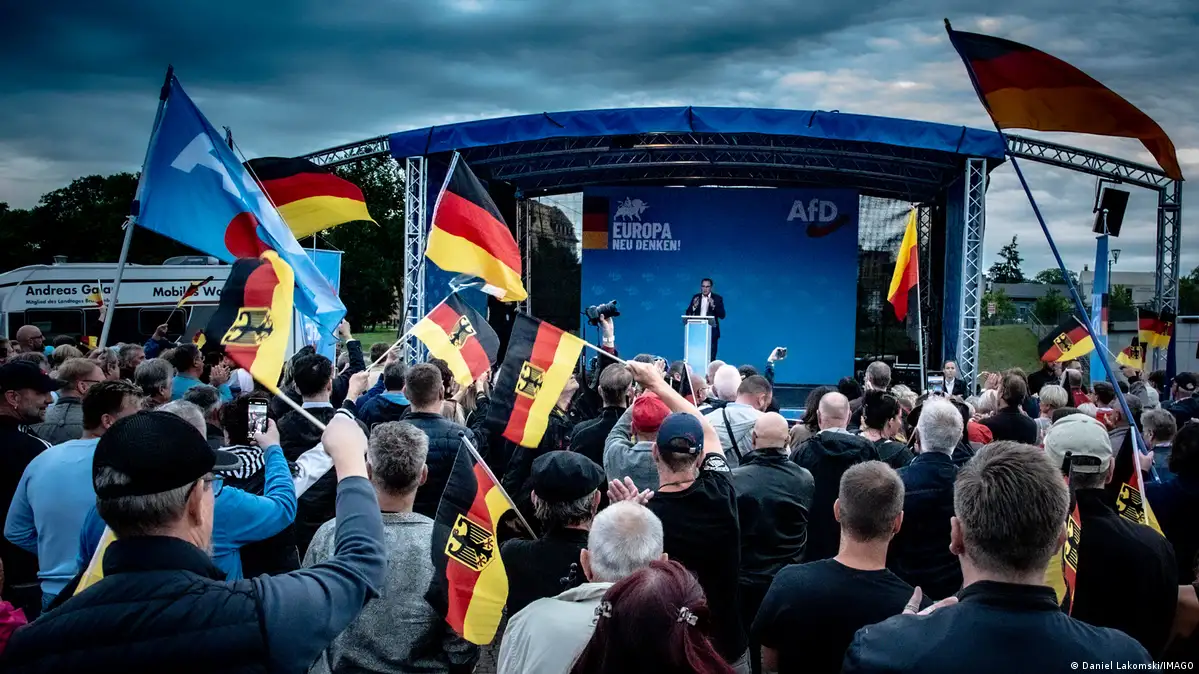
The economic backdrop also matters. Mecklenburg-Vorpommern remains one of Germany’s weaker states economically, with concerns over wages, healthcare provision, rural infrastructure, fuel prices and demographic decline. Reuters reports that these bread-and-butter issues have dominated much of the campaign alongside migration and dissatisfaction with Berlin.
For the AfD, the state offers another opportunity to demonstrate that its eastern German strength is becoming structurally entrenched. For the SPD, Schwesig’s personal standing offers a chance to retain control of the state government despite the party’s much weaker national position. For the CDU, however, the objective has become considerably more basic.
It first has to prove that it can still command a significant political base in a state where it once expected to compete for power.
Sunday will determine whether 6–7% was merely a polling low — or the beginning of a much deeper argument inside the CDU about why one of Germany’s traditional governing parties is disappearing from parts of the east.