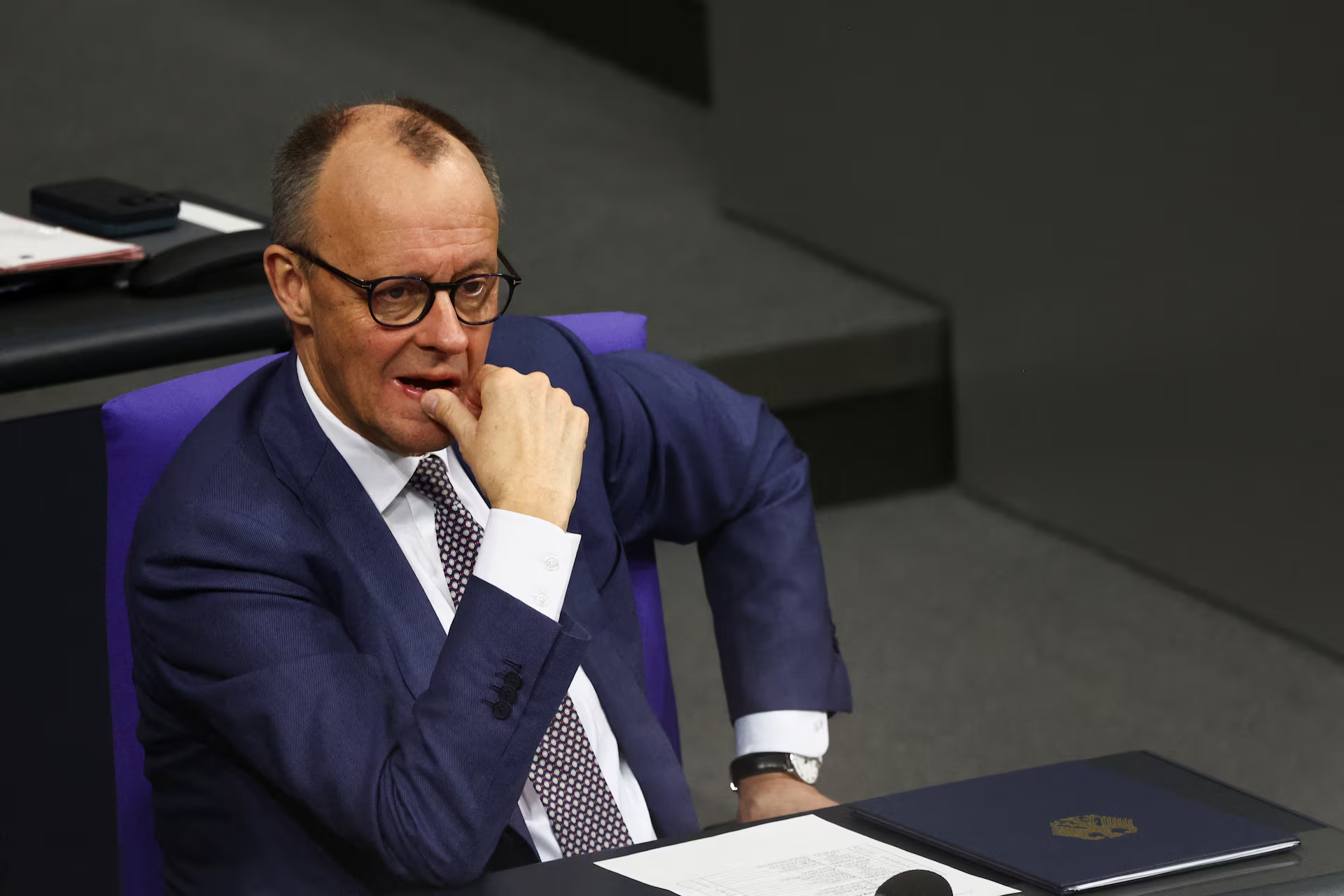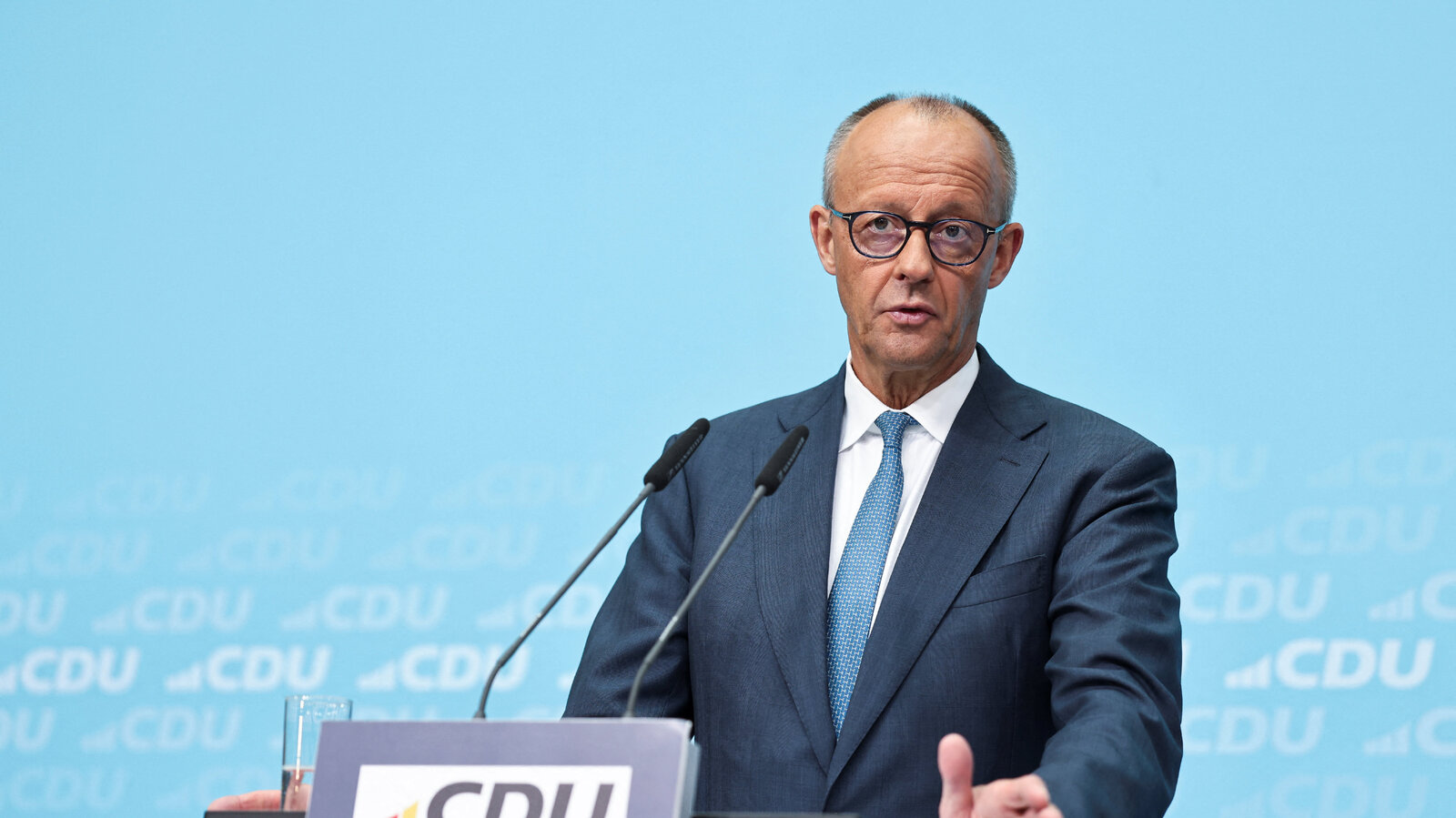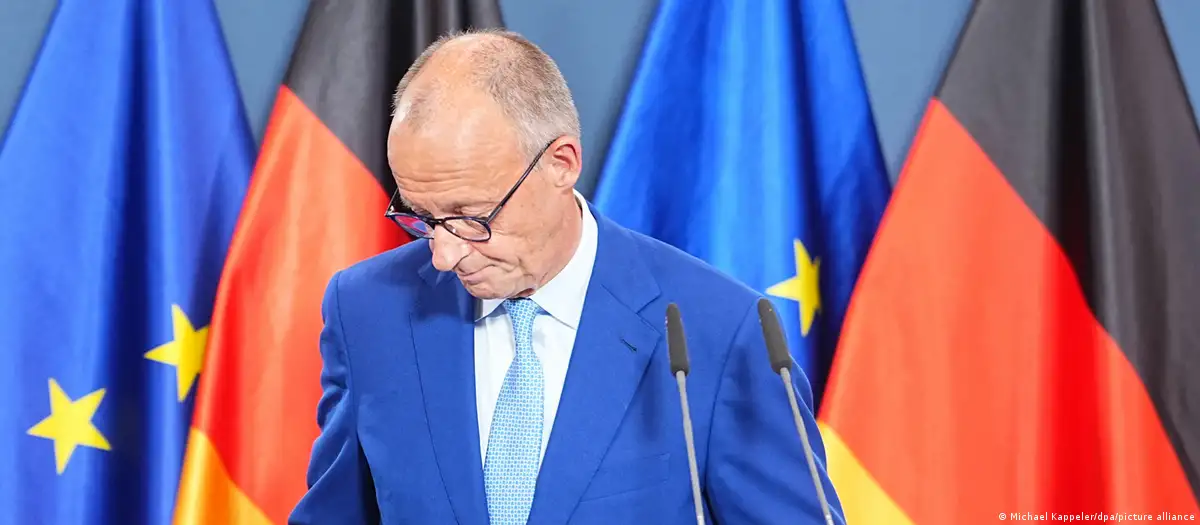
Yet despite describing the result himself as a “disaster,” Merz made clear that he has no intention of stepping down.
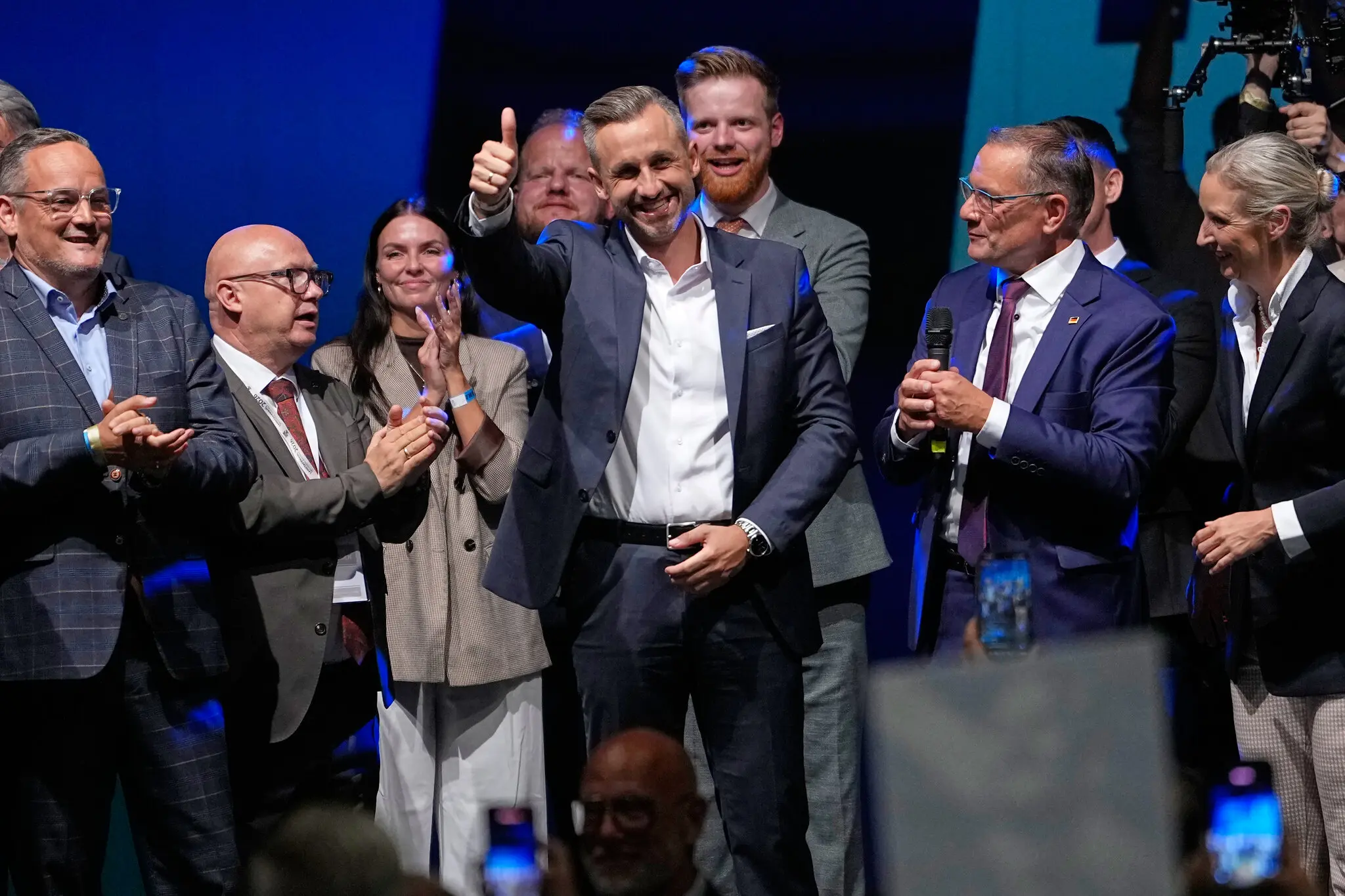
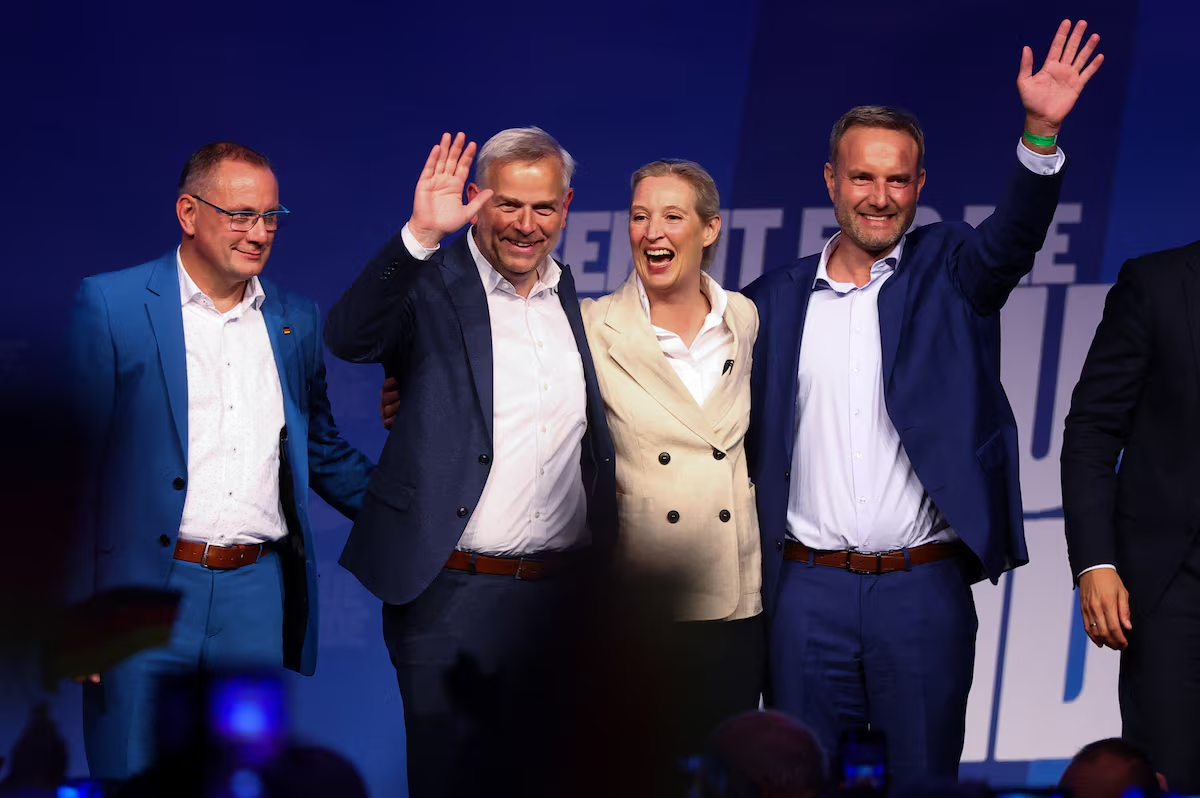
In Mecklenburg-Western Pomerania, the CDU received only around 4.9% of the vote — its worst result in any German state since 1949 and potentially not enough even to enter the state parliament. The AfD finished first with about 38.3%, ahead of the governing SPD on 35.4%. In Berlin, the CDU also lost heavily, falling to around 19%, while the Left Party came first with 25.3%.
“It’s a disaster,” he acknowledged after the first projections appeared. But rather than interpreting the result as a demand for political change at federal level, the chancellor promised to continue. “What needs to be done now requires backbone, steadfastness, and patience,” he said, adding that he intended to demonstrate those qualities both as CDU chairman and as chancellor.
“Merz’s reaction was remarkable.”
EuroAsia.News, reporting from BERLIN
The problem for Merz is that Germany’s difficulties are no longer confined to opinion polls.
The latest Economy Ministry report shows industrial production weakening again. Output in the goods-producing sector fell 1.1% between June and July, while industrial production dropped 2.2% in a single month and was 3.3% below its level a year earlier. Automobile production fell 9.2% in July, chemicals declined 2.9%, and energy-intensive industries contracted for a second consecutive month.
Consumers are under pressure as well. Inflation reached 2.9% in August, while energy prices were 10.5% higher than a year earlier. Retail sales fell 3.4% between June and July. Unemployment remains above three million, employment has declined, and corporate insolvencies remain elevated: almost 24,900 business insolvencies were recorded in the twelve months to June, 7.6% more than in the preceding year.
These figures do not mean that Germany is currently experiencing an economic collapse. The ifo Institute still expects GDP to grow by 1.4% in 2026, supported partly by government spending, exports and major infrastructure and defence programmes. But ifo expects growth to slow again to 1.2% in 2027 and just 0.8% in 2028. Germany therefore remains far from the dynamic industrial expansion that once made it Europe’s unquestioned economic engine.
That makes Sunday’s elections economically relevant far beyond Mecklenburg-Western Pomerania and Berlin. Merz needs political authority to push through tax, pension, healthcare and deregulation reforms. Instead, every major electoral defeat reduces his leverage inside the CDU, inside the governing coalition and with the German public.
DIW president Marcel Fratzscher warned after the vote that it would become even harder for the federal government to assemble sufficient political support for fundamental reform. If the governing parties remain trapped behind their existing political red lines, he argued, paralysis could become entrenched while economic weakness persists.
This is the central contradiction facing Germany. Merz argues that the deteriorating political environment proves that his reforms must continue. His opponents can point to repeated electoral defeats as evidence that voters increasingly reject either those policies, their implementation, or the broader direction of the federal government.
Energy costs, industrial competitiveness, migration, pensions, taxation, bureaucracy and Germany’s relationship with Russia and Ukraine have increasingly merged into one political argument. In Mecklenburg-Western Pomerania, SPD state premier Manuela Schwesig explicitly acknowledged voter opposition to support for Ukraine and said many residents would like to see energy once again flowing through Nord Stream.
Merz can legally remain chancellor.
The more important question is whether he still possesses enough political capital to govern effectively.
Germany is not yet facing economic collapse according to the available data. But an industrial economy suffering weak investment, high energy costs, rising insolvencies and political fragmentation has increasingly little room for policy mistakes. Sunday’s election has not created those problems. It has demonstrated how deeply voters believe they remain unresolved.
Merz called the result catastrophic.
It's remarkable that despite the failure of his predecessor and now his own by continuing the same failed political and economic program, he stubbornly refuses to acknowledge that not in continuing these is the way out of the crisis.
But on the other hand the same is happening in France. Macron, with one of the lowest rankings as president is desperately clinching to his power, while France is even more sinking in economic, social and political turmoil.
For Merz deciding that the answer is nevertheless to continue largely on the same course, he is making the next stage of Germany’s economic and political future increasingly fateful.