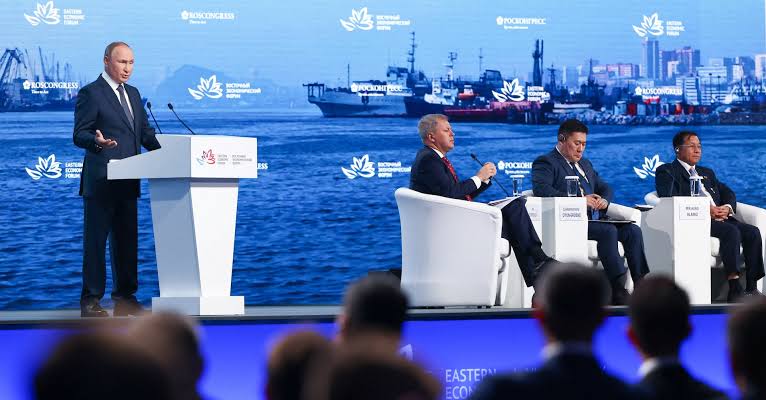
The Eastern Economic Forum (EEF) runs from 1–4 September 2026 at Far Eastern Federal University on Russky Island. This year’s theme, “The Far East: Development for the Benefit of People,” reflects a shift from simply attracting capital toward building a permanent economic ecosystem around ports, railways, energy, minerals, technology and new cities.
More than 80 countries are expected to be represented. Particularly substantial business delegations are coming from China, India, Indonesia, Mongolia, Myanmar, Laos and other ASEAN states, while dedicated business dialogues are planned with China, India, the UAE, Mongolia, Vietnam and ASEAN.
Indonesia's participation is significant: Jakarta is increasingly positioning itself as a major economy of the Global South and as a bridge between Russia and ASEAN. Russian officials have also indicated that new Russia–Indonesia agreements could be signed in Vladivostok.
“The most prominent international guest will be Indonesian President Prabowo Subianto, who is expected to meet Russian President Vladimir Putin on 3 September in a business-breakfast format.”
EuroAsia.News, reporting from Vladivostok
The main plenary session on 3 September will bring Putin together with Prabowo, Mongolian Prime Minister Nyam-Osoryn Uchral, Myanmar First Vice President Nyo Saw and Chinese Vice Premier Ding Xuexiang. Putin is also scheduled to hold several bilateral meetings with visiting delegation leaders.
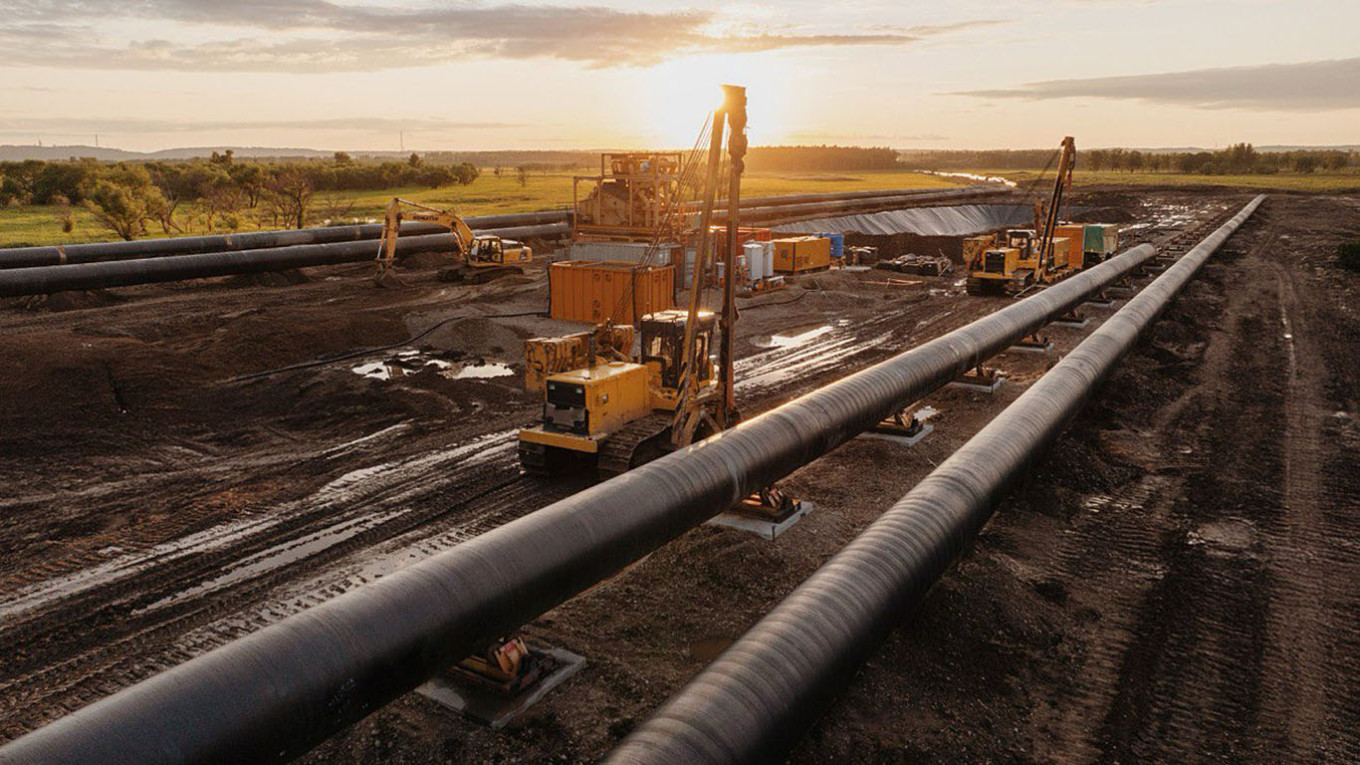
China will inevitably be central. Beyond the Russia–China business dialogue, Vladivostok will host the eighth Russia–China Energy Business Forum on 4 September, with Rosneft chief Igor Sechin due to deliver Putin's message to participants. Energy, cross-border infrastructure and the development of Greater Ussuriysky Island are expected to feature prominently.
Three Years of Rapidly Rising Investment
The numbers from recent forums explain why Vladivostok has become more than a diplomatic showcase.
In 2023, agreements worth about RUB 3.818 trillion were announced. In 2024, 313 agreements reached approximately RUB 5.57 trillion. The tenth-anniversary forum in 2025 produced another record: 358 agreements worth RUB 6.058 trillion, with more than 8,000 participants representing 75 countries and territories. China sent the largest foreign delegation, followed by Mongolia, India, Japan and Laos.
The 2025 deals included a RUB 1.1 trillion hydroelectric complex in Buryatia, a RUB 650 billion mining and processing project in Khabarovsk Territory, and a RUB 535.3 billion industrial cluster in Yakutia.
For 2026, Deputy Prime Minister Yury Trutnev has said organizers expect more than 380 agreements potentially worth around RUB 6.5 trillion.
The wider investment programme is considerably larger. More than 3,000 investment projects worth RUB 13.5 trillion are currently being implemented in the Russian Far East. Around RUB 6 trillion has already been invested, more than 1,000 enterprises have been opened and over 180,000 jobs created.
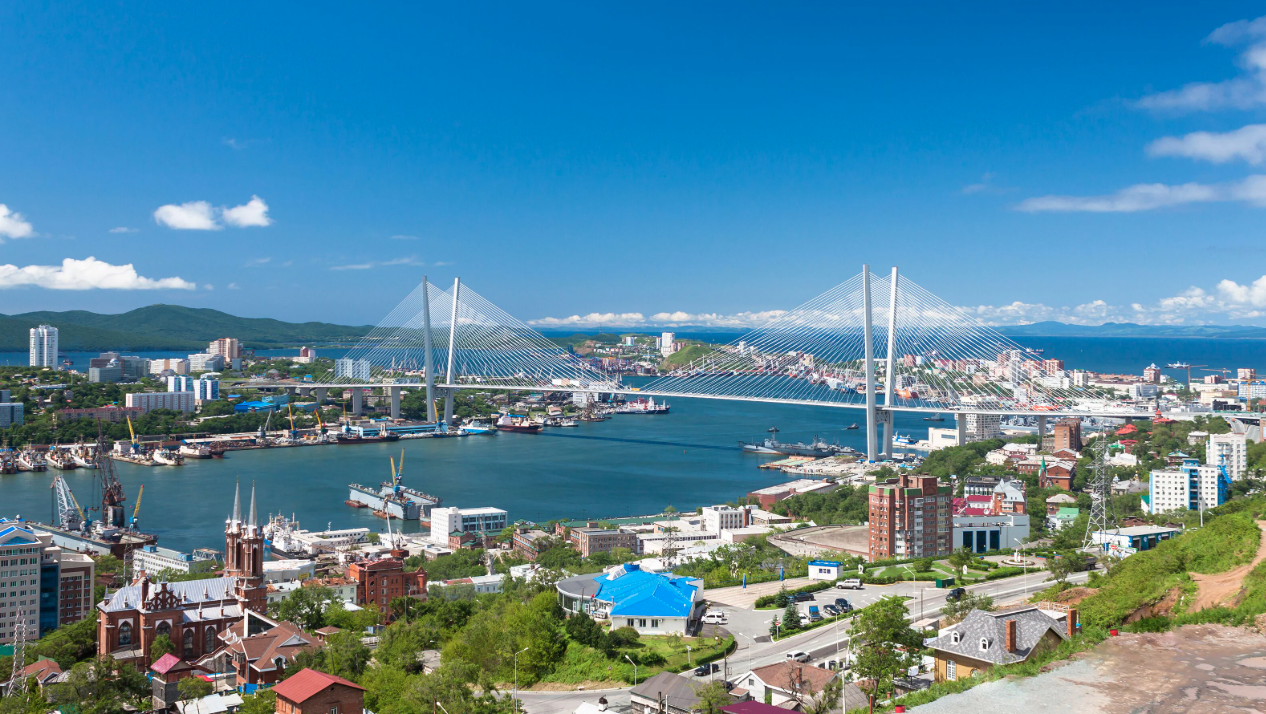
From Raw Materials to a Eurasian Gateway
Vladivostok 2026 is particularly important because the development model is changing.
The agenda includes an Eastern Financial Centre, digital financial assets and new mechanisms for private capital. Technology sessions will cover data centres, industrial robotics and autonomous transport. Infrastructure discussions will focus on ports, aviation, energy independence and northern supply routes.
The largest ambition, however, is geographical.
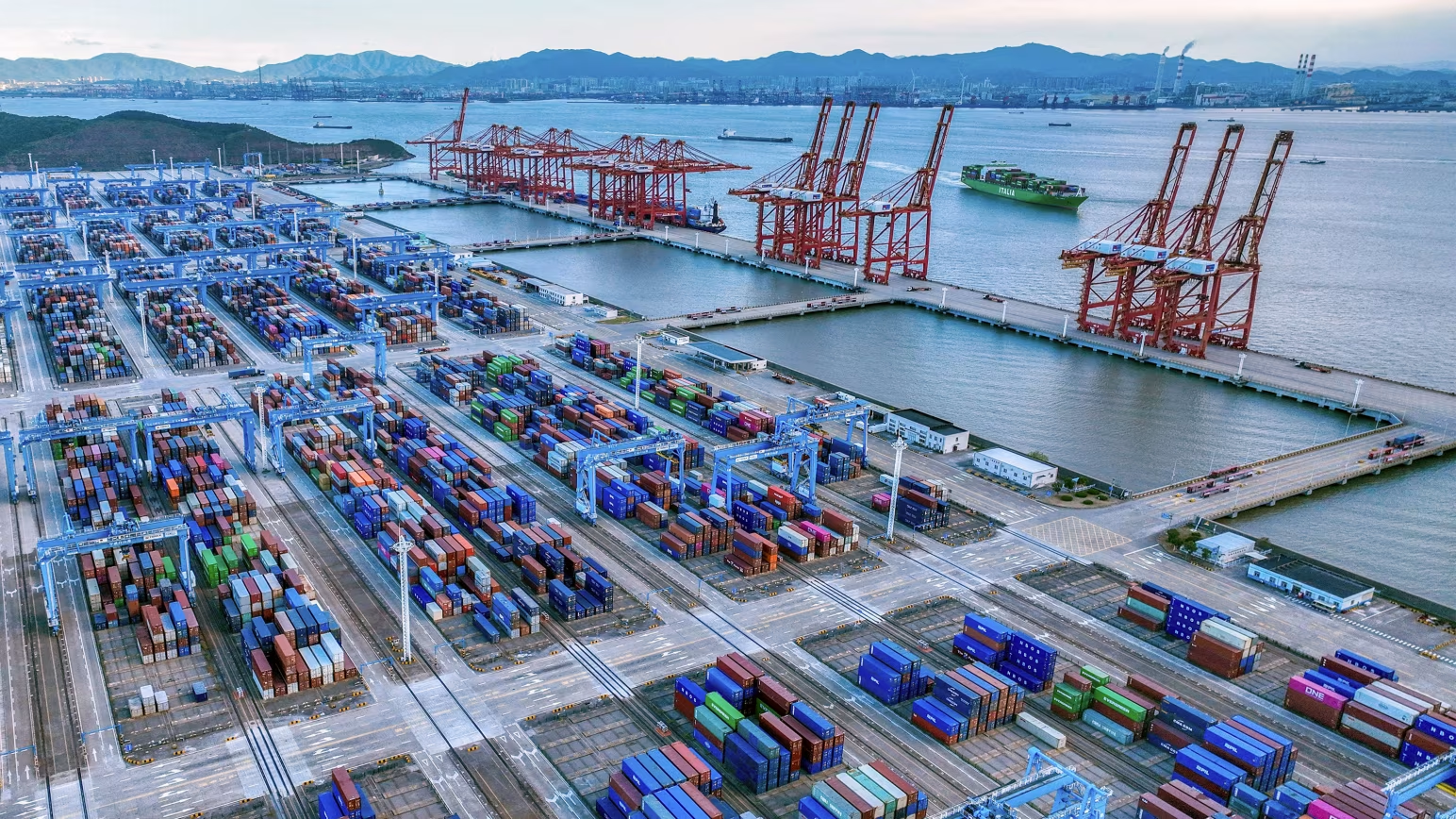
Russia wants the Far East to become the meeting point between the Trans-Siberian and Baikal–Amur railways, Pacific ports, China, Mongolia and the Northern Sea Route. Plans announced in recent years call for Far Eastern port capacity to expand by another 115 million tonnes by 2030, while capacity on the Trans-Siberian and BAM corridors is targeted to rise by roughly 50% by 2032. Moscow is simultaneously developing a Trans-Arctic Transport Corridor linking Vladivostok with St Petersburg through the Northern Sea Route.
A new unified preferential investment regime for the Far East and Arctic is due to begin on 1 January 2027, while at least ten new industrial, technology and business parks are planned for the region by 2030.
That makes this week's gathering more than another annual investment conference. Vladivostok increasingly represents Russia's long-term economic reorientation toward Asia.
For China it offers resources and transport corridors. For India and ASEAN it offers energy, minerals and access to northern Eurasia. For Russia it provides something even more important: an economic strategy in which the Pacific, the Arctic and the wider Eurasian continent increasingly replace Europe as the principal direction of future growth.