But behind the political success lies a question that is becoming harder to avoid: if Europe does not want Russian gas and increasingly does not want new European oil and gas production either, where exactly will its energy come from?
The numbers show how dramatic the transformation has been. In 2021, Russia supplied about 45% of EU gas imports, roughly 152 billion cubic metres. By 2025 Russian supplies had fallen to 36 bcm and 12% of imports. Russian crude oil's share fell from 27% around the beginning of the crisis to about 2% in 2025. Russian coal has effectively disappeared from the EU energy mix.
Domestic production therefore covered barely 10% of demand. Around 38% of EU gas consumption goes to industry and another 22% to electricity and heat generation. Gas remains embedded in Europe's factories, chemical plants, heating systems and power grid.
“But Europe's gas consumption has not disappeared. The EU still consumed 339 bcm of gas in 2025, while producing only 33 bcm itself.”
EuroAsia.News
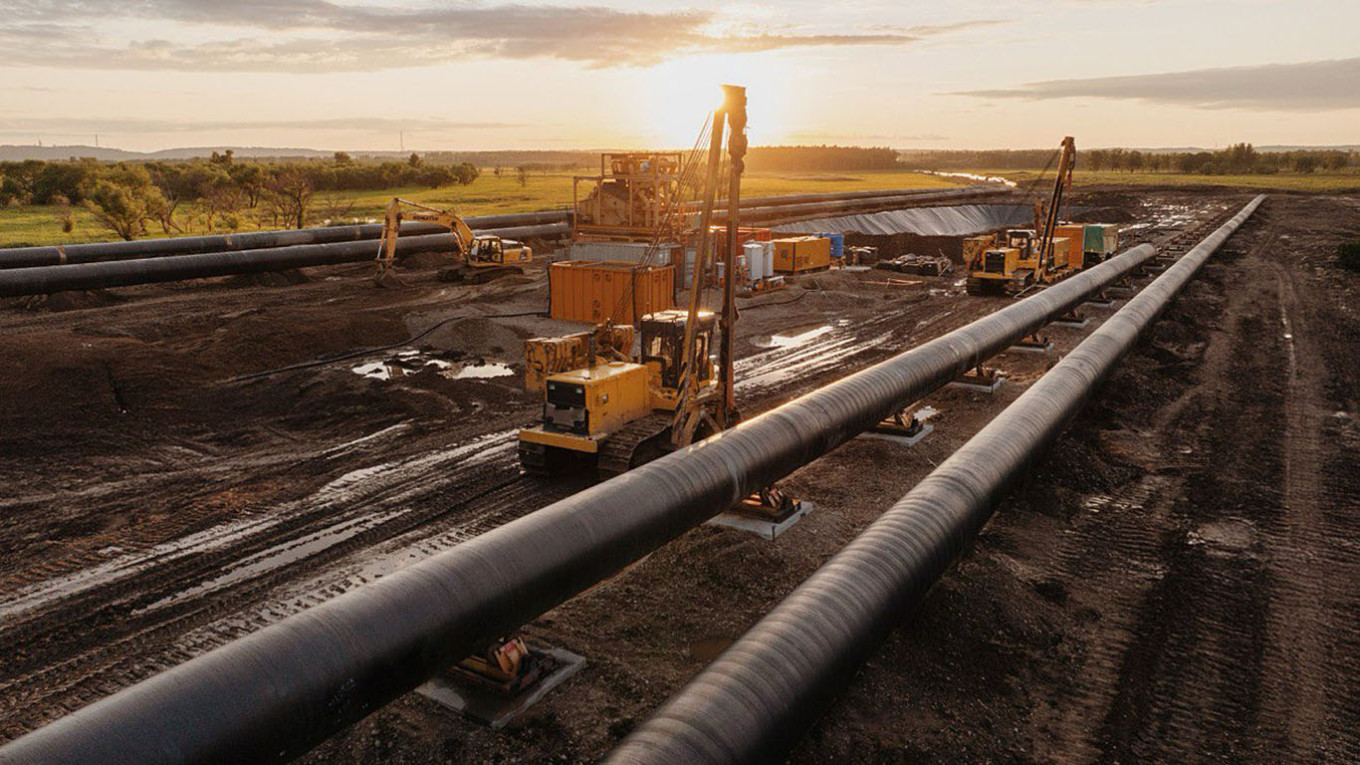
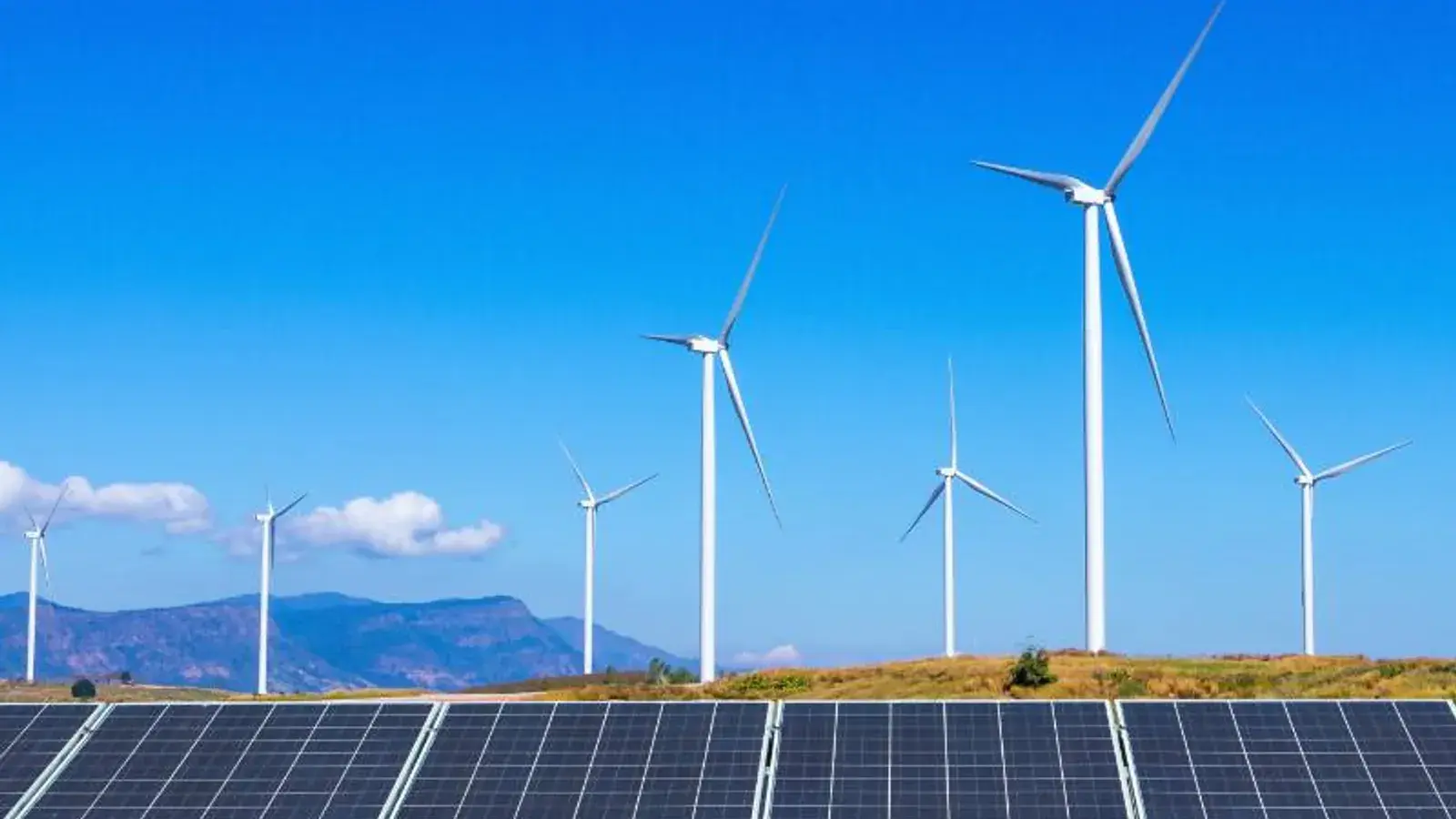
What replaced Russia was therefore not simply wind turbines and solar panels. It was, to a large extent, other imported gas.
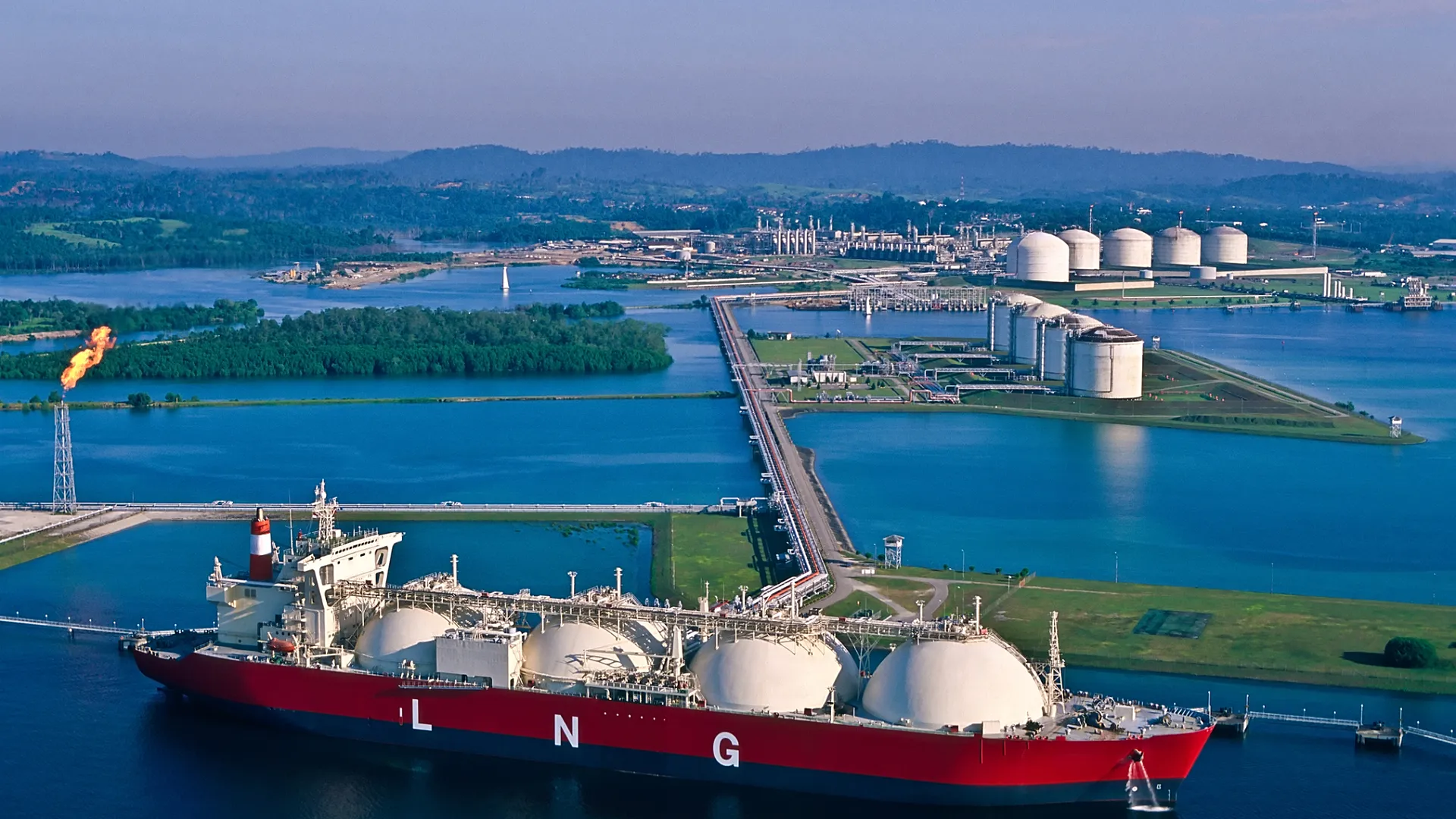
Norway supplied 89 bcm in 2025, making it the EU's largest gas supplier with 31% of imports. The United States supplied another 76 bcm, overwhelmingly as LNG. LNG's share of European gas imports has exploded from only 20% in 2021 to 45% in 2025. Europe has reduced one dependency, but simultaneously become much more exposed to the global market for gas transported by ship.
That brings Europe to its next contradiction.
Norway argues that Europe will need new production, particularly in the Barents Sea, as output from today's mature fields declines during the 2030s. Brussels disagrees. The EU intends to maintain its opposition to new Arctic oil and gas drilling when it publishes its revised Arctic policy on 20 October, arguing that new fields take too long to develop to solve today's energy-security problems.
Historically, the geography explains the dispute.
Norway's North Sea petroleum era began in 1965. After six decades of exploration, drilling and production, it is a mature basin. More than 57% of Norway's estimated recoverable petroleum resources have already been produced and sold. Norwegian gas production nevertheless reached extraordinary levels after Russia's withdrawal from the European market: 2024 was a record gas-production year, followed by sales of 121.8 bcm in 2025.
The future resource map looks very different.
According to the Norwegian Offshore Directorate, around 63% of Norway's estimated undiscovered petroleum resources lie in the Barents Sea. The region may contain approximately 1,090 bcm of undiscovered recoverable gas and 1.1 billion standard cubic metres of liquids. In the Barents Sea, an extraordinary 82% of remaining estimated petroleum resources have yet to be discovered.
This is not merely theoretical exploration territory. Goliat has produced oil there since 2016. Johan Castberg, discovered in 2011, began production in March 2025 after investments measured in tens of billions of Norwegian kroner. Norway sees such developments as the beginning of the next chapter of its continental shelf.
Brussels sees another problem: developing new Arctic fields could lock Europe into fossil-fuel infrastructure for decades precisely when EU policy calls for rapid decarbonisation.
Both arguments expose an uncomfortable timing problem.
Wind, solar, grids, storage, nuclear power, efficiency and electrification can progressively reduce Europe's fossil-fuel demand. But today's system still consumes hundreds of billions of cubic metres of gas annually. Norwegian authorities explicitly warn that maintaining production beyond the end of this decade depends on new discoveries, investment and development decisions. Without them, mature fields decline.
If Europe simultaneously eliminates Russian supplies and restricts new production close to home, the missing molecules must either disappear through lower consumption or come from somewhere else.
Increasingly, "somewhere else" means LNG.
The United States already supplied more than half of EU LNG imports in 2025. North Africa, Qatar and other producers provide additional volumes. Azerbaijan's deliveries have also increased. Europe has undoubtedly diversified its suppliers — a major improvement compared with relying so heavily on one Russian pipeline system — but diversification is not the same as energy independence.
In fact, Europe's new system may be more geographically diversified while remaining highly import-dependent.
That is the real debate behind the Arctic dispute. It is not simply fossil fuels versus renewables. It is a question of sequencing.
Europe wants to eliminate Russian energy, decarbonise its economy, protect the Arctic, keep energy affordable, preserve energy-intensive industry and maintain secure supplies — all at the same time.
Each objective is understandable individually.
Achieving all of them simultaneously is the difficult part.
The question for Europe is therefore no longer whether the old Russian-dependent energy model should return. That political decision has largely been made.
The harder question is what replaces it — and whether Europe is willing to produce enough of its transitional energy itself, or whether "energy independence" will ultimately mean replacing pipelines from Russia with LNG tankers arriving from the rest of the world.