BYD’s Yangwang division is preparing cars capable of being compared — at least in performance and technology — with Ferrari, Mercedes-AMG and the G-Class. Avatr combines Changan’s manufacturing scale, CATL batteries and Huawei technology in a five-metre luxury GT aimed at Porsche territory. Changan’s Nevo E07 attempts something European manufacturers barely offer at all, transforming between SUV, coupé and pickup-style configurations. And at the more practical end of the market, Chery is preparing a seven-seat plug-in hybrid that could undercut established European premium SUVs by tens of thousands of euros.
Not every model here was created specifically for the 2027 model year. What matters is that these cars and brands are now moving toward Europe as part of a much broader Chinese expansion. The challenge for European manufacturers is therefore changing. China is no longer competing only on price. Increasingly, it is competing on performance, technology, equipment — and sometimes on ideas European manufacturers simply do not yet offer.
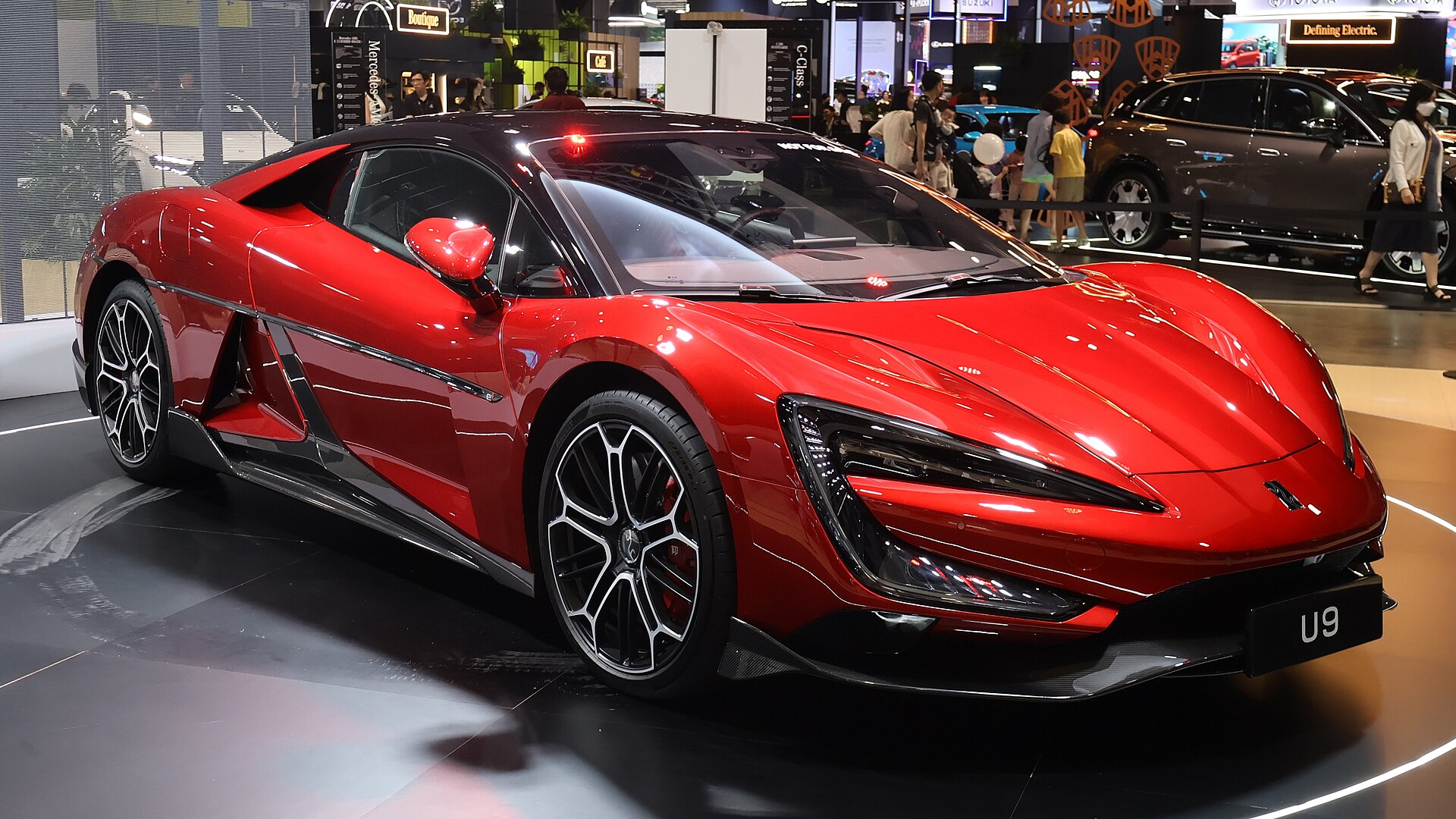
Yangwang U9 — BYD takes aim at Ferrari
BYD's ultra-luxury Yangwang brand is confirmed for a UK launch in 2027, taking Chinese competition into territory previously occupied almost exclusively by European exotic brands. (Autocar)
The U9 electric supercar uses four motors developing 960kW, or roughly 1,300hp, with 1,680Nm of torque. It can reach 100km/h in about 2.4 seconds, carries an 80kWh battery and is listed in China around 1.8 million yuan, approximately $268,000.
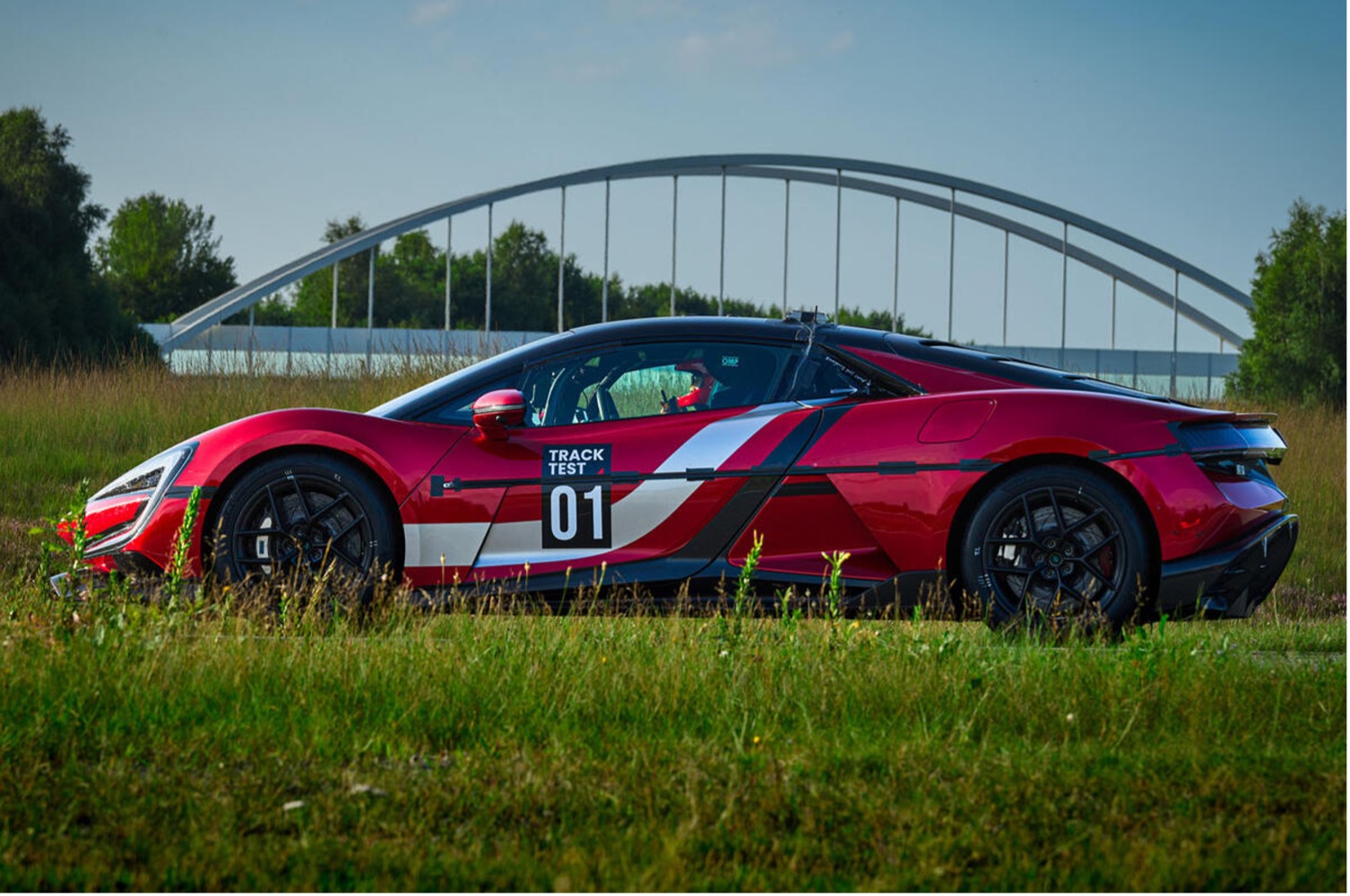
A Ferrari 296 GTB, by comparison, currently starts at approximately £259,575, produces 819bhp and reaches 62mph in 2.9 seconds. Ferrari remains a very different proposition — a V6 plug-in-hybrid supercar built around heritage and driving character — but the fact that a BYD subsidiary can now credibly enter this comparison is itself remarkable.
Yangwang U8 — the Chinese G-Class that can float
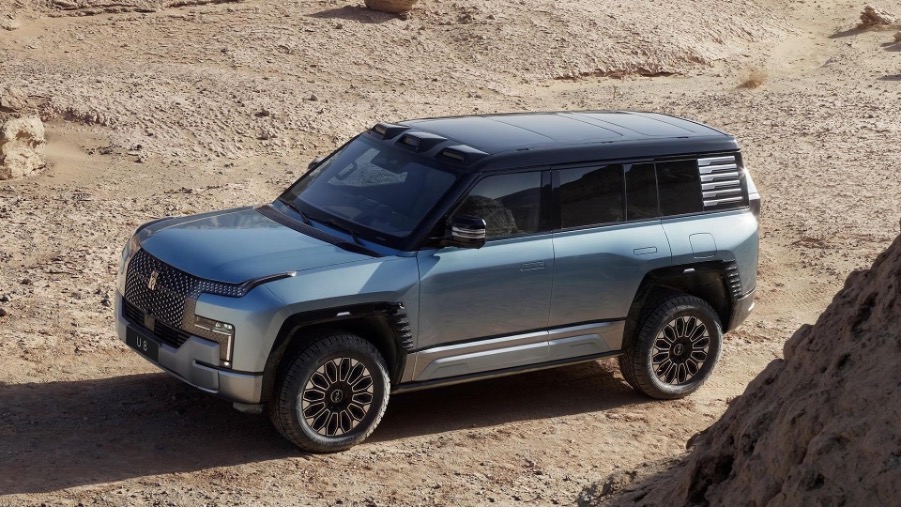
Perhaps no car better demonstrates China's willingness to use technology as a differentiator than the Yangwang U8.
The 5.3-metre luxury range-extender SUV has four electric motors producing 880kW/1,180hp and 1,520Nm, enough to propel the 3.6-tonne vehicle to 100km/h in 3.5 seconds.
The latest Chinese version combines a 56.6kWh battery with a petrol generator, quoting 230km CLTC of electric running and around 1,205km combined. Price: approximately 1.008 million yuan, or $150,000.
Its European counterpart is the Mercedes-Benz G580 with EQ Technology: 587bhp, 1,164Nm, 283 miles WLTP and approximately €230,000–€235,000.
Both can execute dramatic on-the-spot turning manoeuvres; the U8 adds the headline-grabbing ability to remain afloat temporarily in an emergency.
Avatr 12 — Porsche Taycan performance at Chinese pricing
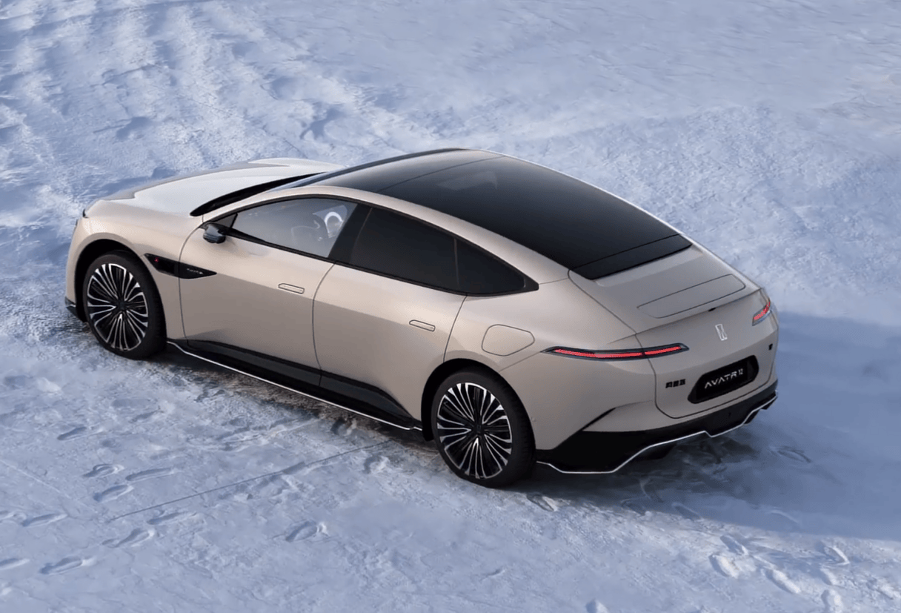
Changan plans to bring its premium Avatr brand into selected European markets by 2027, and the striking 5.02-metre Avatr 12 is among the models highlighted as a likely European spearhead.
China's enormous range of Avatr 12 derivatives currently runs from about 254,900 to 423,900 yuan. The most powerful three-motor version produces 712kW, hits 100km/h in 2.9 seconds and quotes around 670km CLTC from a 98.1kWh battery.
The Porsche Taycan 4S, by comparison, starts at £96,400, delivers 440kW/598PS, accelerates to 62mph in 3.7 seconds and offers 352–400 miles WLTP. (Porsche Nederland)
Avatr's combination of Huawei-derived technology, dramatic styling and Changan's manufacturing scale could make it one of the most serious Chinese premium challengers.
Changan Nevo E07 — SUV, coupé and pickup in one
The Nevo E07 is harder to categorise. Its rear body can transform the car from an enclosed SUV-like vehicle into something approaching a lifestyle pickup, giving Changan an unusual answer to large premium electric SUVs. Nevo is scheduled to expand into Europe by 2027, with the E07 repeatedly shown as one of the brand's European-facing products.
The most powerful BEV produces 440kW, reaches 100km/h in around 4.0 seconds, carries a 90kWh battery and claims up to 651km CLTC. Chinese prices span roughly 219,900–309,900 yuan, around $33,000–46,000.
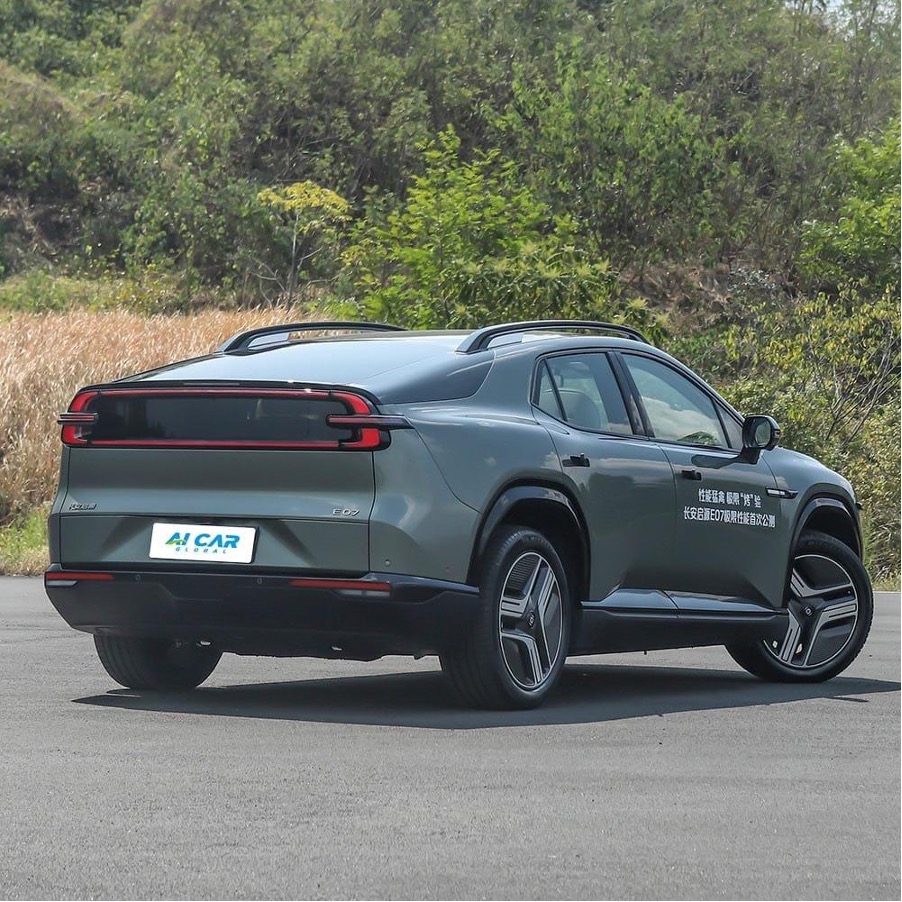
A conventional Western alternative is the BMW iX, currently starting around £75,405 in Britain, with the xDrive60 capable of up to 426 miles WLTP.
Chery Tiggo 9 PHEV — the €49,000 alternative to an XC90
Chery's core brand will formally enter Germany in the first half of 2027, initially with four Tiggo SUVs. The most interesting is arguably the large Tiggo 9 PHEV, a seven-seat plug-in hybrid aimed directly at Europe's premium family SUVs.
German market expectations put its price around €49,000. It offers seven seats, all-wheel drive, three electric motors and a substantial 34.5kWh battery.
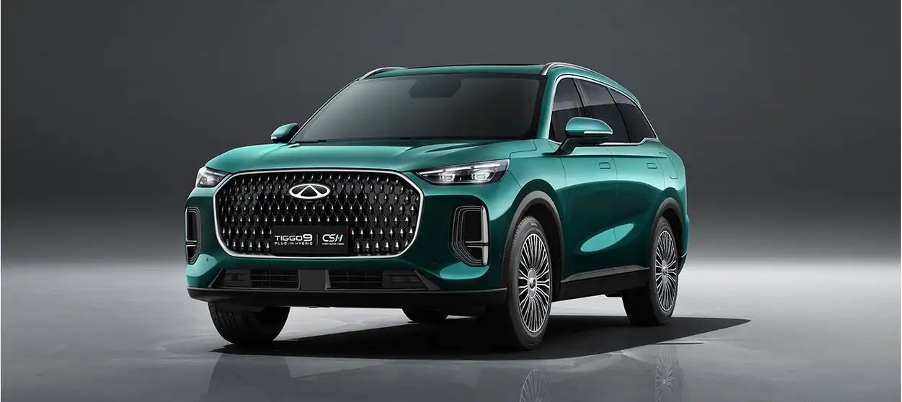
The comparison with the 2027 Volvo XC90 Plug-in Hybrid is striking. Volvo's seven-seater starts at €88,990 in Germany, develops up to 406PS and offers about 70km of WLTP electric range.
If Chery gets close to its anticipated €49,000 target, buyers could be looking at an almost €40,000 gap between two similarly positioned seven-seat plug-in-hybrid SUVs.
2027 could be the year the argument changes
Until recently, Chinese cars were often discussed in Europe primarily in terms of price. By 2027 that description may be badly outdated. The Cyberster brings an electric roadster, Xiaomi brings software and extraordinary performance, Yangwang brings technologies Mercedes and Ferrari buyers cannot simply dismiss, Avatr moves into Porsche territory, while Chery attacks the traditional family market from below.
The real competitive advantage may be the breadth of the assault. China is simultaneously developing a roughly £20,000 electric supermini, 1,000-horsepower SUVs, convertible sports cars, seven-seat hybrids and four-motor supercars.
Europe's manufacturers are therefore no longer facing one Chinese competitor in one segment. They are increasingly facing an entire automotive ecosystem capable of moving from concept to production extraordinarily quickly — and 2027 looks set to be the year that becomes impossible for European consumers to ignore.