Kazakhstan has spent decades balancing relations between Russia, China, Europe and the United States. Artificial intelligence is now making that balancing act considerably more difficult.
The Central Asian country has joined the U.S.-backed Pax Silica initiative, designed to secure supply chains for artificial intelligence, semiconductors and critical minerals. But Kazakhstan has simultaneously joined China’s newly established World Artificial Intelligence Cooperation Organization, making it an unusual participant in competing technology frameworks.
“Washington is increasingly signalling that such dual alignment may not remain acceptable..”
EuroAsia.News, reporting from Almaty
According to a draft U.S. State Department communication reported in August, countries participating in American AI cooperation could be told that involvement in competing Chinese initiatives is incompatible with deeper participation in the U.S.-led framework. Around two dozen countries have joined Pax Silica, including Japan, Australia, South Korea and Kazakhstan.
Kazakhstan matters for reasons extending far beyond AI software.
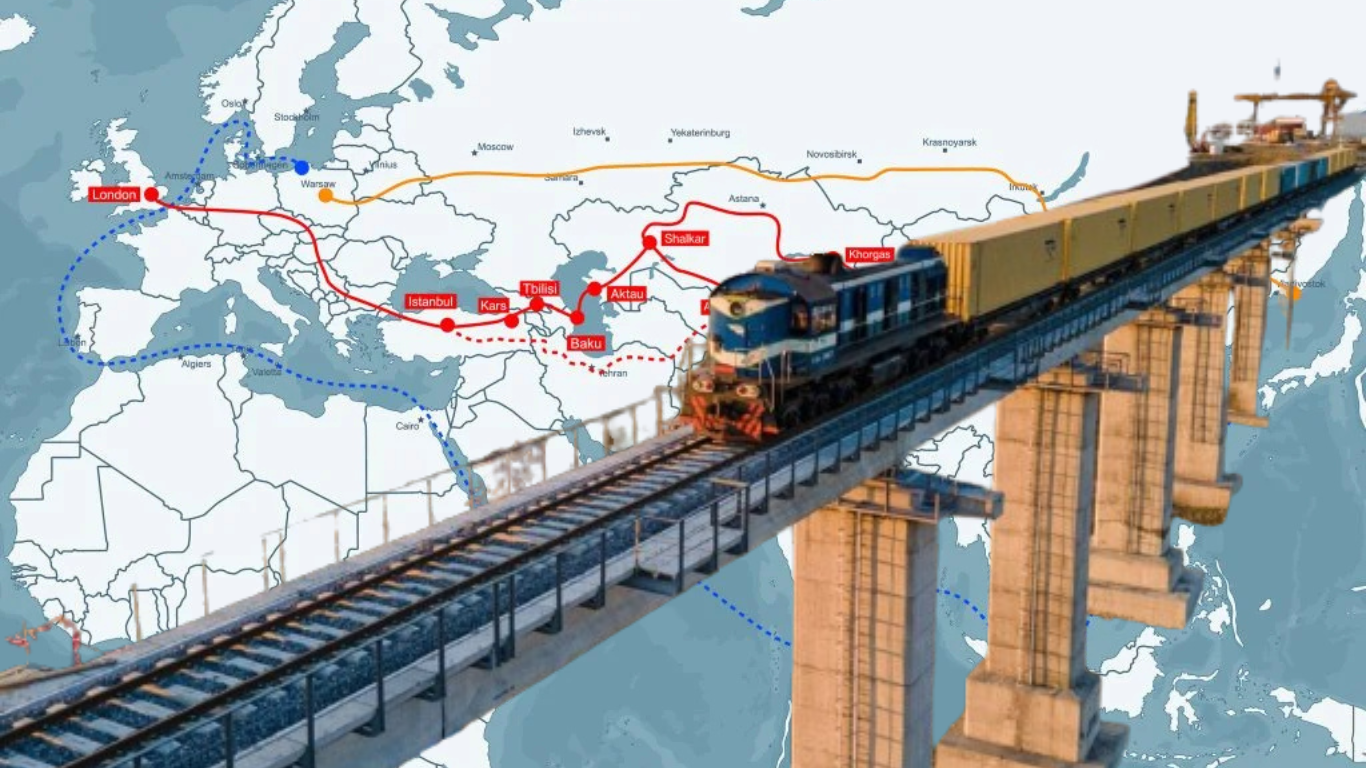
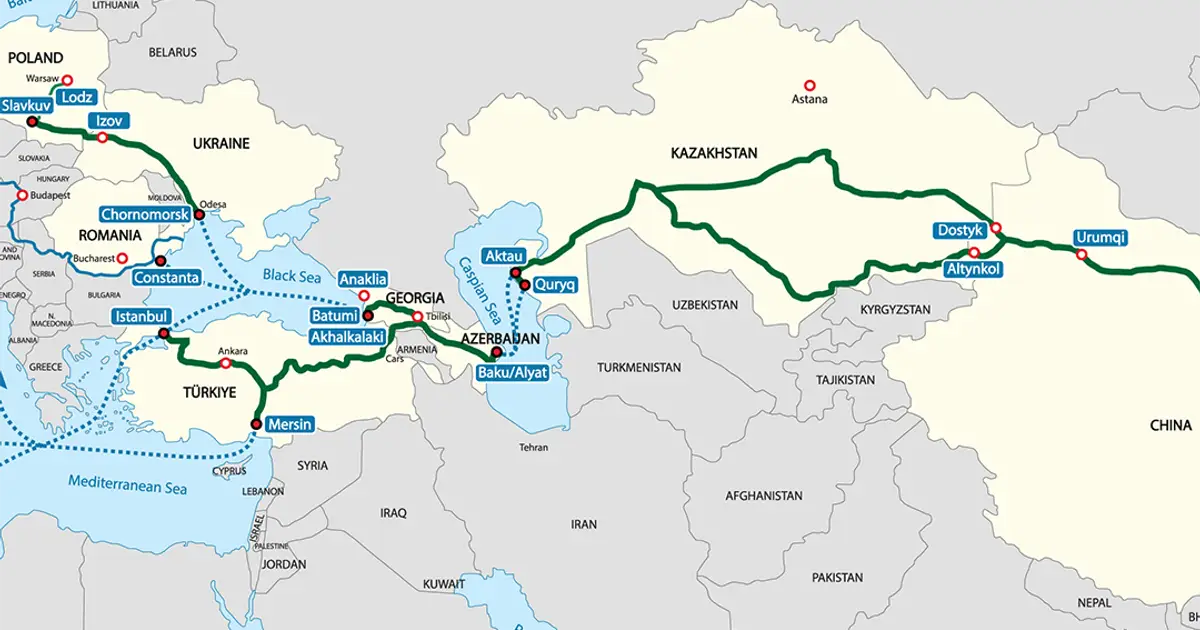
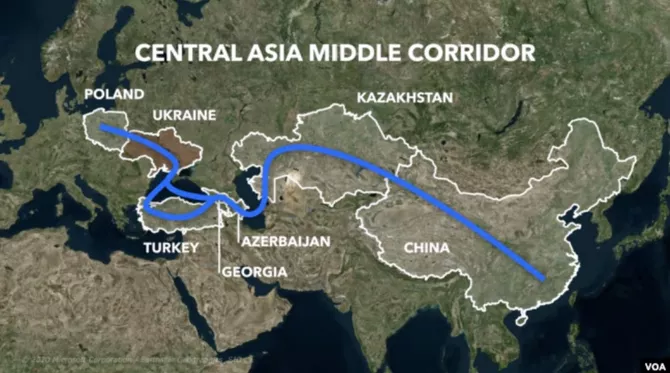
The country possesses substantial reserves of uranium and strategically important minerals, while its geographical position connects China, Russia, the Caspian region and Europe. As artificial intelligence becomes dependent on enormous physical supply chains — from minerals and electricity to processors and data centres — Central Asia is acquiring new geopolitical significance.
For Washington, Pax Silica is partly about preventing strategic AI and semiconductor supply chains from becoming overly dependent on China. For Beijing, meanwhile, Central Asia represents a natural extension of infrastructure relationships developed through the Belt and Road Initiative.
China is simultaneously promoting an alternative international AI architecture centred more strongly on open models, infrastructure cooperation and Chinese technological standards.
Kazakhstan consequently finds itself in an unusually important position.
Aligning predominantly with Washington could provide access to Western technology, investment and advanced semiconductor ecosystems. Maintaining strong technological cooperation with China offers proximity to one of the world’s largest AI, telecommunications and industrial markets.
Astana’s preferred strategy has traditionally been multi-vector diplomacy: cooperating with several major powers rather than entering an exclusive geopolitical bloc. The emerging AI confrontation threatens that model because digital infrastructure is becoming closely linked with national security.
AI systems do not operate in isolation. They depend upon cloud providers, processors, telecommunications equipment, cybersecurity standards, satellites and enormous databases. Once a country builds its technological infrastructure around one ecosystem, changing platforms can become expensive and strategically difficult.
Kazakhstan may therefore become an early test of whether the coming technological world permits neutrality.
The deeper story is not simply about which AI organisation Astana joins. It is about the formation of competing technological spheres stretching across Eurasia.
During the nineteenth century, Central Asia became part of the geopolitical Great Game between empires.
In the twenty-first century, a new contest is emerging — fought not over railways and colonial frontiers, but over AI models, semiconductor supply chains, critical minerals, data centres and digital infrastructure. Kazakhstan is once again positioned directly in the middle.