The global artificial-intelligence race is usually measured in processors, computing power and increasingly capable large language models. Yet China may possess another advantage that is much harder to reproduce: enormous quantities of real-world industrial data.
A report released on August 18 by the U.S.-China Economic and Security Review Commission argues that China is systematically treating data as a strategic national resource and converting information generated by manufacturing, robotics and industrial operations into an advantage for artificial intelligence.
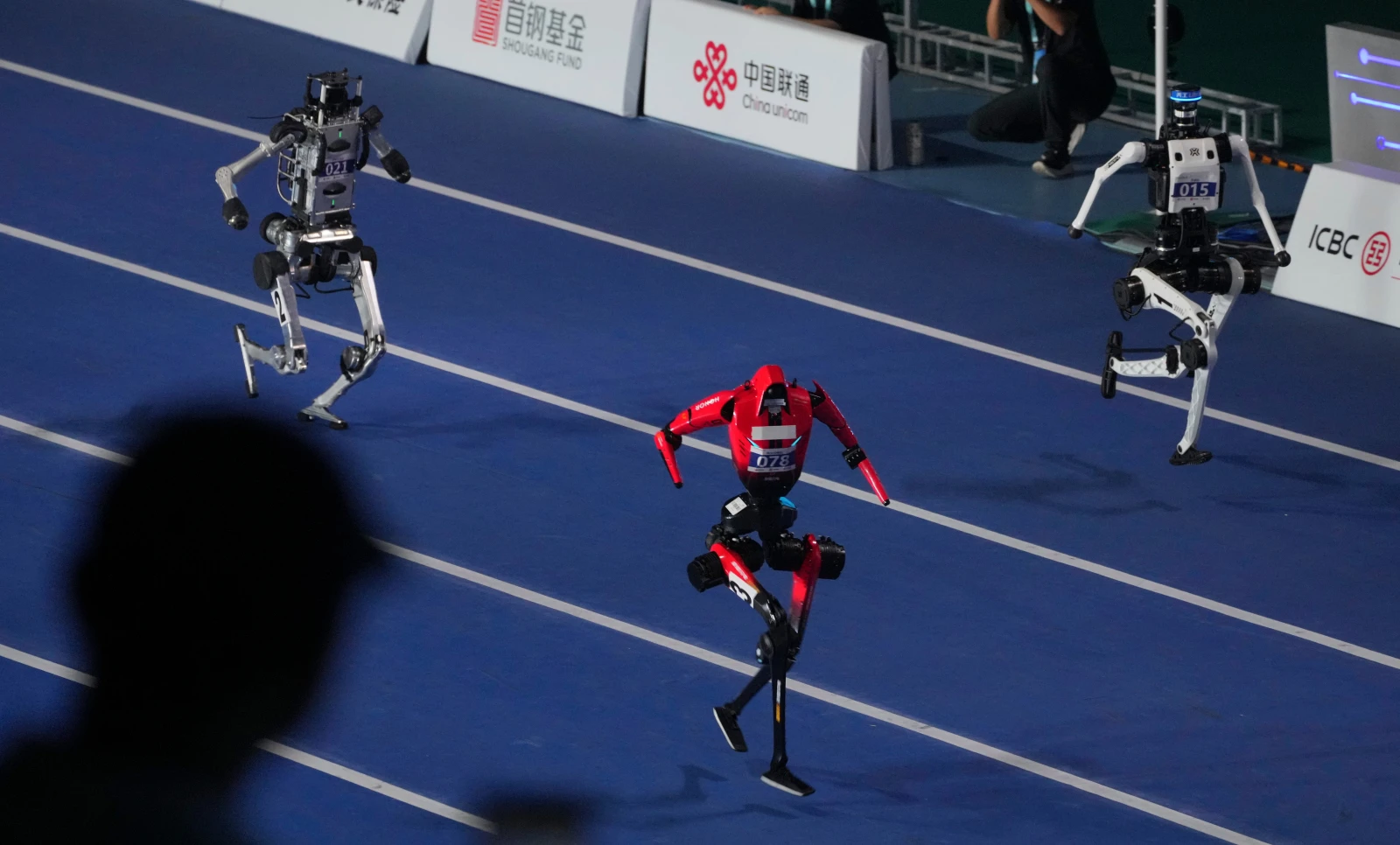
This matters particularly for embodied AI — artificial intelligence operating through robots, autonomous vehicles and other machines. A language model can learn from documents and websites. A robot must learn what happens when it grips an object incorrectly, encounters an unexpected obstacle, works beside humans or manipulates thousands of components with different shapes and weights.
“China’s vast manufacturing sector provides an extraordinary training environment..”
EuroAsia.News, reporting from Bejing
Every robot deployed in an automotive plant, electronics factory or warehouse can potentially generate information about movement, vision, force, positioning and failure. When such datasets are collected and refined across thousands of machines, industrial deployment itself becomes part of the AI-development process. The U.S. commission describes this interaction between China’s manufacturing dominance and its open AI ecosystem as a potentially self-reinforcing advantage.
The process resembles the development of autonomous driving. Millions of kilometres driven provide unusual situations that cannot easily be recreated in laboratories. In industrial robotics, millions of repeated physical operations can similarly teach AI how the real world behaves.
Beijing has also constructed institutional infrastructure around data. China created the National Data Administration in 2023 and has promoted regional data exchanges, standardisation and commercial trading of datasets. The objective is increasingly to turn information scattered across companies and public institutions into an economically usable resource.
This could help compensate for one of China’s largest technological disadvantages: restricted access to the most advanced Western AI processors. Computing power remains critically important, but superior or specialised datasets can improve models without relying exclusively on ever-larger computing clusters.
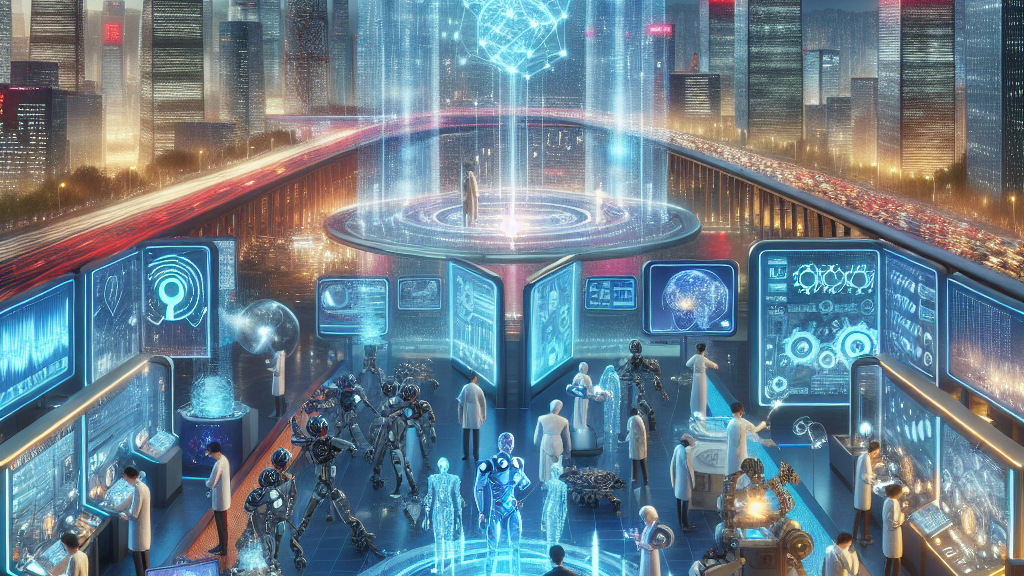
China’s increasingly influential open-weight AI ecosystem adds another dimension. Models can be deployed widely throughout factories and other industries, generating additional information that can feed future generations of software.
There are significant concerns surrounding privacy, corporate confidentiality, state access and the military applications of industrial datasets. The American commission explicitly frames China’s data strategy as a strategic and security issue rather than simply a commercial development.
Nevertheless, the technological significance is clear. The next AI breakthrough may not come only from constructing a larger data centre.
It may come from connecting artificial intelligence to millions of machines operating every day in the physical economy.
If so, China’s factories could become something more than manufacturing centres. They could become some of the world’s largest AI training laboratories.