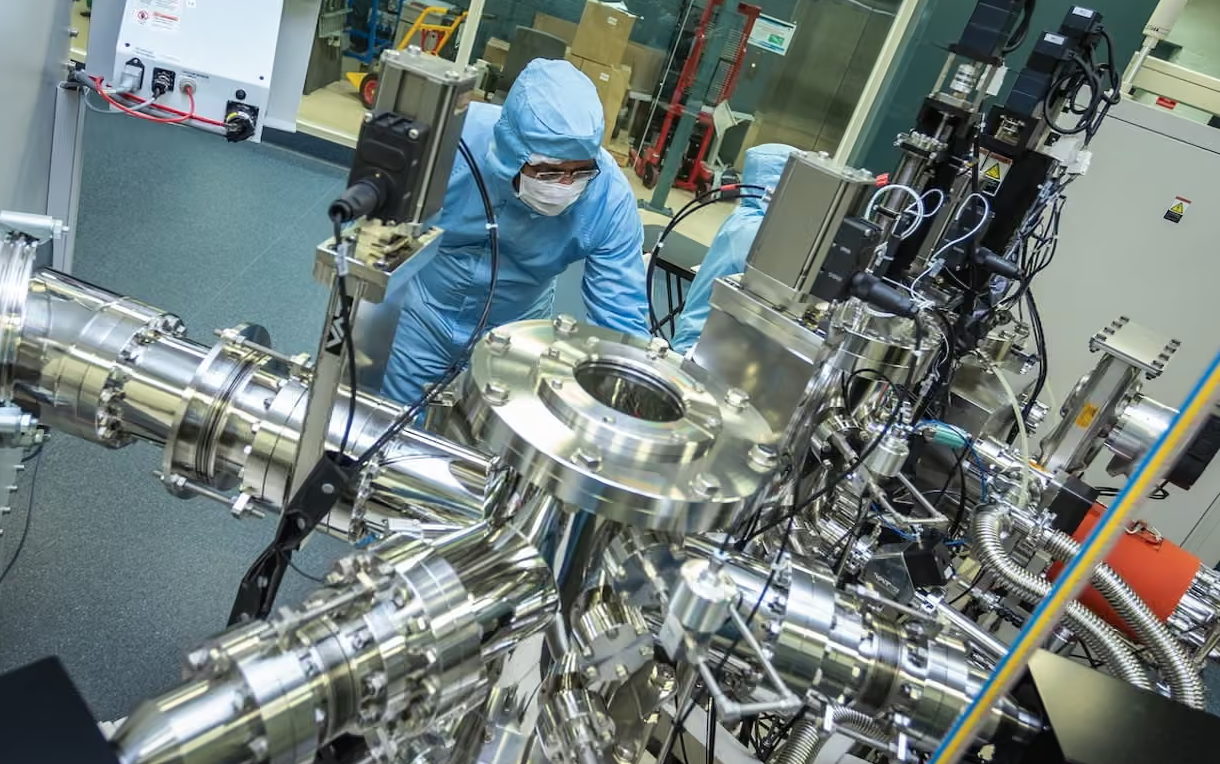
South Korea built its economic rise on heavy industry, automobiles, electronics and semiconductors. It is now preparing for another technological transition with an ambitious national programme covering some of the most difficult scientific challenges of the coming decade.
The government unveiled its Seven Major SEED strategy on August 12, establishing national projects in nuclear energy, fusion and renewable energy, quantum technology, space and aviation, biotechnology, and strategic materials and minerals.
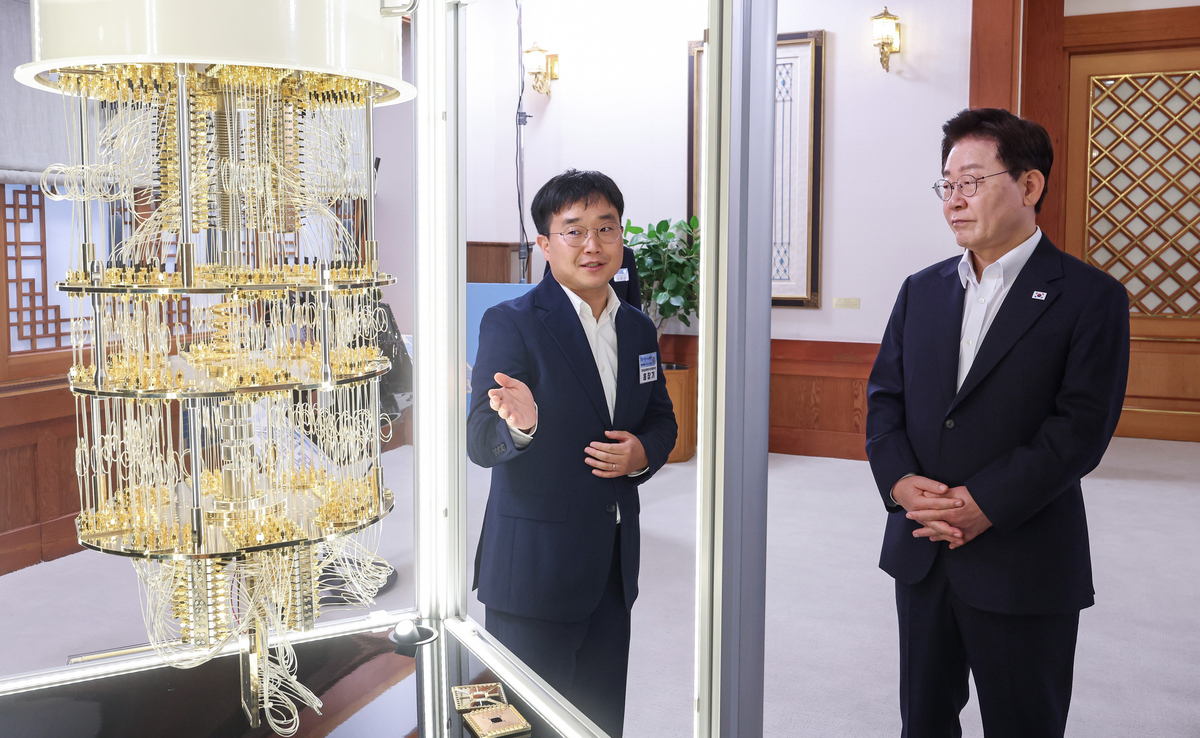
One of the clearest targets is quantum computing. South Korea wants to develop a domestically produced 100-qubit quantum processor by 2029. While 100 qubits alone would not guarantee a commercially useful quantum computer, achieving reliable control, error management and domestic production would significantly strengthen Korea’s position in a technology currently dominated by American, Chinese and European research programmes.
“Space ambitions are equally significant..”
EuroAsia.News, reporting from Bejing
South Korea is targeting a robotic lunar landing in 2030, followed by another lunar mission in 2032. The country also intends to strengthen satellite communications and establish an independent satellite communications network by 2035, reducing dependence on foreign infrastructure.
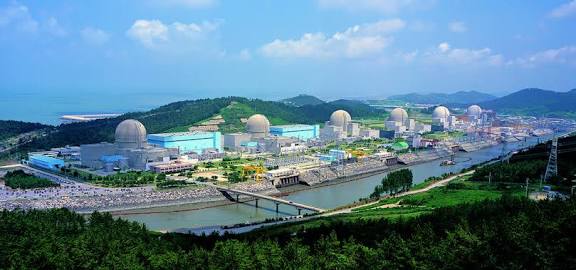
Energy constitutes another pillar. Seoul wants to deploy domestically developed small modular reactors by 2035. SMRs promise factory-produced nuclear components, smaller individual investments and the possibility of supplying industrial facilities and data centres without constructing traditional gigawatt-scale nuclear stations.
South Korea is simultaneously maintaining its long-term fusion ambitions, with the government targeting technological advances during the late 2030s. Its existing KSTAR experimental reactor has already made the country an important participant in international fusion research.
The programme reaches even further into biotechnology. South Korea plans AI-assisted biotechnology infrastructure, increasingly automated laboratories and new advanced therapies. One particularly futuristic objective is the commercialisation of brain-computer-interface products by 2035.
Securing the materials required for all these technologies is also becoming part of industrial policy. Seoul plans roughly 10 trillion won in investment related to strategic materials, components and equipment while increasing stockpiles of critical resources.
The strategy reflects an important change in thinking.
South Korea remains one of the world’s strongest semiconductor economies, with Samsung Electronics and SK Hynix central to global AI supply chains. But Seoul does not want the next stage of national development to depend on chips alone.
Its new programme instead links quantum computing, nuclear technology, fusion, space, biotechnology, renewable energy and advanced materials into one industrial strategy.
South Korea is effectively making a long-term wager: the technologies that appear expensive and experimental today could become the industries that define national competitiveness in the 2030s.