For decades, European space policy was built around international cooperation. That model produced major scientific successes, from Earth observation to planetary exploration, while allowing Europe to rely extensively on American launch, communications and human-spaceflight capabilities.
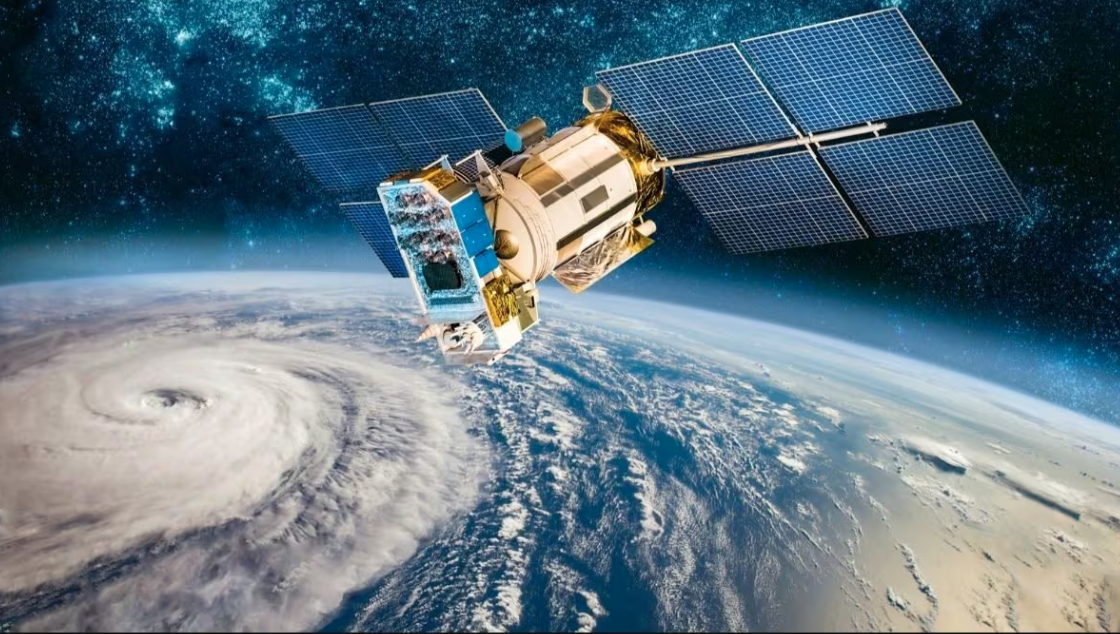
The geopolitical environment has changed. Satellite networks now support military communications, banking, navigation, agriculture, emergency services, telecommunications and critical infrastructure. Losing access to them would no longer be an inconvenience; it could paralyse significant parts of a modern economy.
European Space Agency Director General Josef Aschbacher argued that decisions taken during the next few years will determine who participates in the emerging space economy and who influences its rules.
“That was the background to the International Space Summit in Paris on September 9–10, where government leaders, industry representatives and astronauts met to discuss the next phase of space exploration.”
EuroAsia.News
Low Earth orbit is already undergoing rapid commercialisation. At the same time, governments are preparing more sustained activities around the Moon, while technologies developed today may eventually support missions to Mars. For Europe, therefore, the issue is no longer simply whether European astronauts participate in American-led missions. It is whether Europe possesses enough of its own infrastructure to make independent choices.
One important piece of that strategy is IRIS², the European Union's planned secure communications constellation.
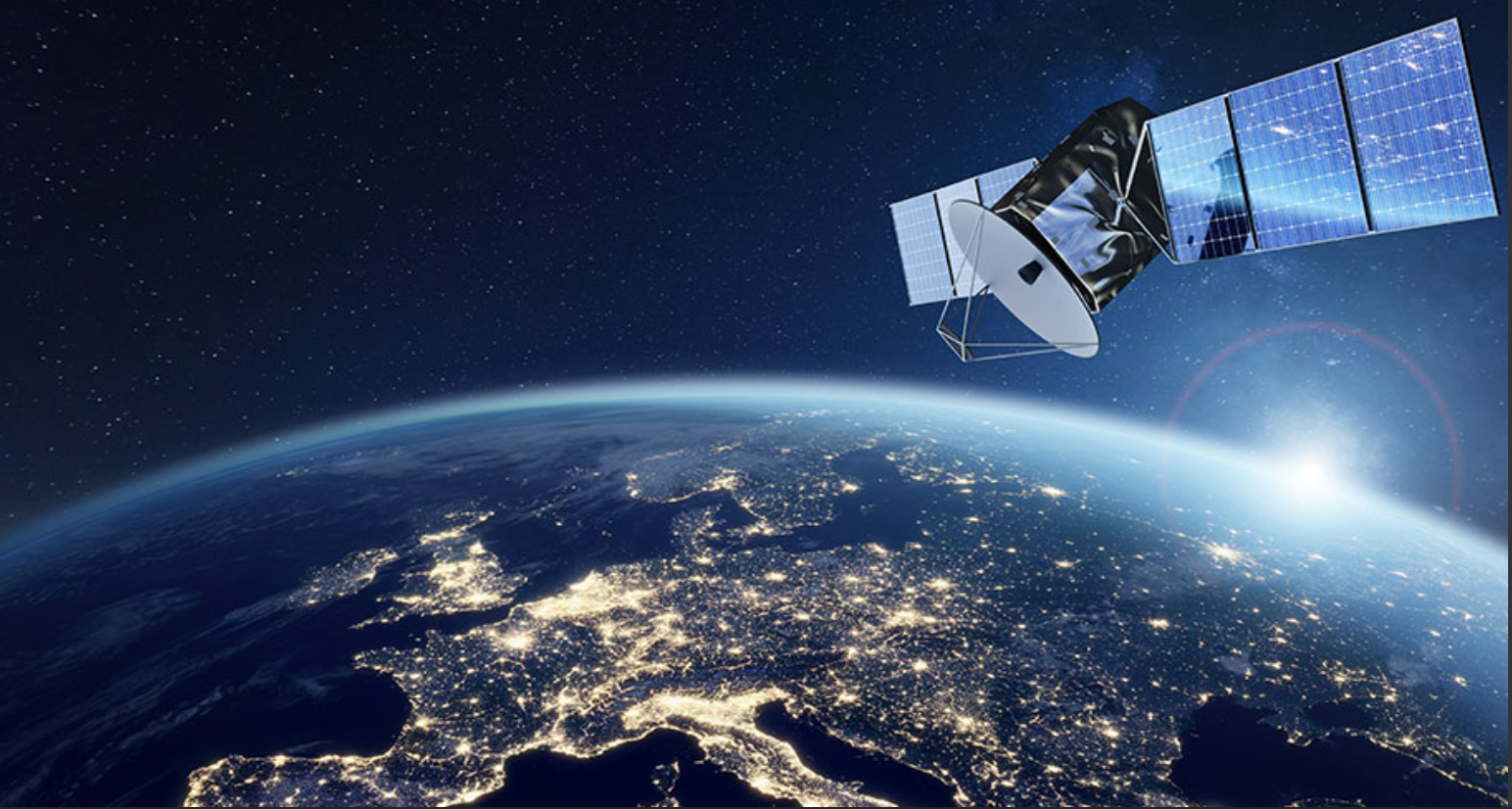
The European Commission and the SpaceRISE consortium agreed in August to expand the system to 348 satellites — 330 in low Earth orbit and 18 in medium Earth orbit. The programme has moved from planning towards large-scale deployment, with operational services expected to begin progressively from 2029.
IRIS² is designed to provide secure communications for EU governments, defence and security organisations, emergency services and commercial users. Brussels explicitly describes the project in terms of European digital independence.
The comparison with Starlink is unavoidable. Elon Musk's SpaceX has demonstrated what can be achieved by deploying thousands of relatively small satellites and combining them with a highly integrated launch business. Starlink has also demonstrated something Europe has increasingly begun to worry about: communications infrastructure controlled by a private company headquartered outside the EU can become strategically important during a geopolitical crisis.
Europe has faced this problem before.
The Galileo satellite-navigation system was created partly because European governments did not want permanent dependence on the American GPS system. Galileo initially appeared expensive and unnecessarily duplicative to critics. Today, few European policymakers question the strategic value of having an independent navigation infrastructure.
IRIS could eventually play a similar role in communications.
Launch capability is another part of the equation. Europe suffered an uncomfortable period in which its independent access to orbit became severely constrained following the retirement of Ariane 5, delays to Ariane 6 and the loss of access to Russian Soyuz launchers after relations with Moscow collapsed.
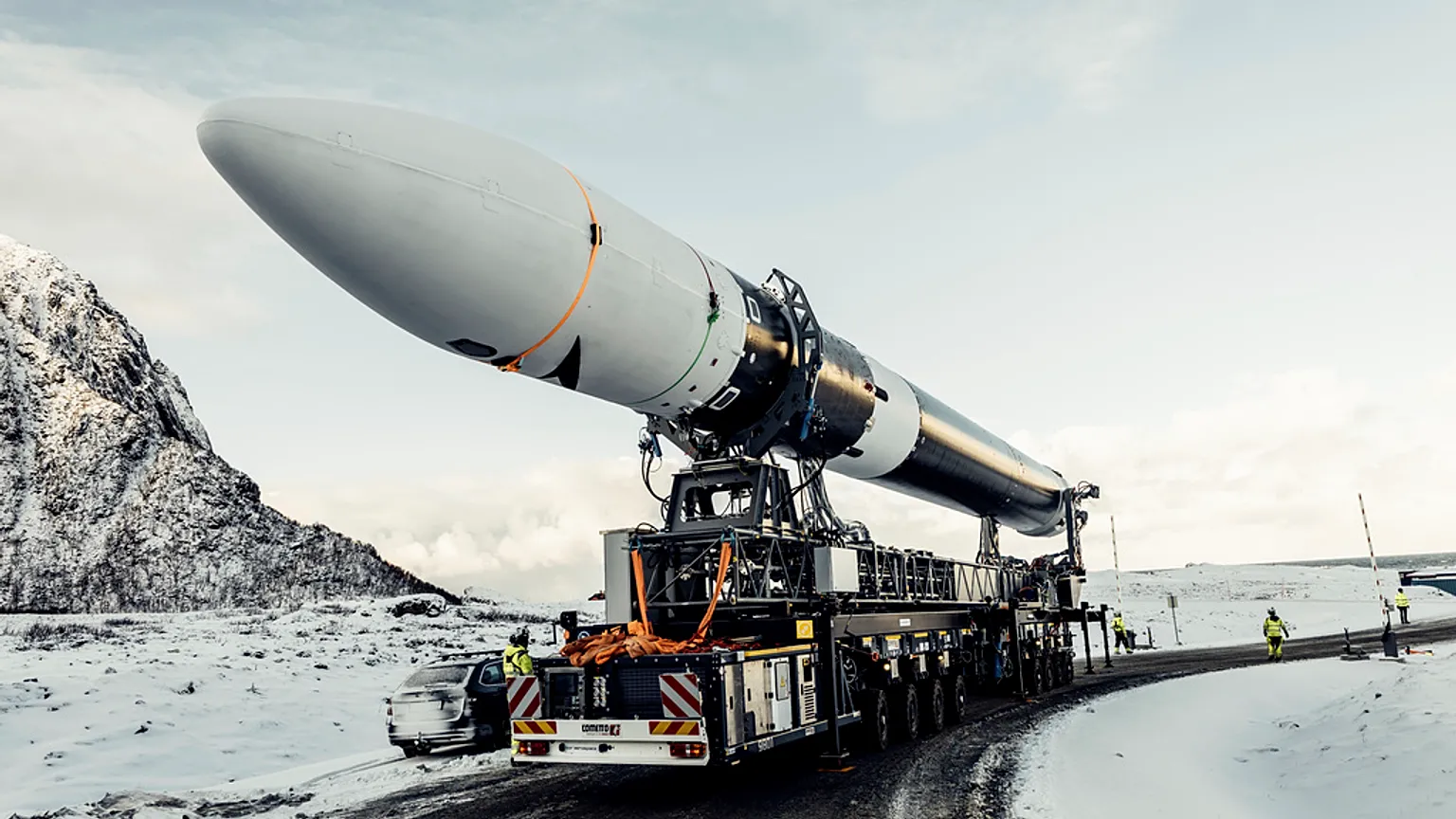
The situation is improving. On September 5, ESA announced that German company Isar Aerospace had achieved its first launch to orbit from continental Europe, another indication that a new commercial launch industry is beginning to emerge alongside established programmes. (
Yet Europe still faces an enormous scale problem. SpaceX launches far more frequently than European operators and has created a tightly integrated ecosystem encompassing rockets, satellites, communications and human spaceflight. China, meanwhile, is rapidly expanding both state and commercial space programmes.
Europe possesses world-class aerospace companies, scientific institutions and engineering talent. What it has often lacked is speed, scale and unified political decision-making.
That is why Aschbacher's message in Paris went beyond science. ESA says the capabilities Europe develops now will affect its economy, technological leadership, security and long-term competitiveness. ESA is presenting governments with options to strengthen autonomous European transportation and exploration while continuing international partnerships.
The next major political decisions will come quickly, including ESA's Intermediate Ministerial Meeting in Rome in December and negotiations surrounding future European budgets.
Europe therefore faces a choice.
It can remain a highly capable scientific partner operating inside space architectures primarily created by others. Or it can spend the money required to become one of the powers capable of building those architectures itself.
In the twenty-first century, sovereignty may be measured not only by borders on a map, but by who controls the satellites above them.