The Eurasian currency landscape is undergoing its most profound transformation in decades. Driven by geopolitical tensions, economic sanctions, and a concerted push for financial sovereignty, the region is steadily moving away from dollar dependence toward a multipolar system where the Russian ruble, Chinese yuan, and euro compete for influence alongside emerging digital and regional payment architectures.
The Eurasian Economic Union: Ruble Dominance and National Currency Push
In May 2026, Russian President Vladimir Putin reaffirmed that deepening strategic ties within the EAEU—comprising Russia, Belarus, Kazakhstan, Armenia, and Kyrgyzstan—remains a top geopolitical priority for Moscow. The bloc has achieved remarkable success in de-dollarizing its internal trade, with intra-union trade reaching a record $95 billion in the latest fiscal period.
“At the heart of this shift is the Eurasian Economic Union (EAEU).”
EuroAsia.News
The numbers are striking. Russia has practically completed its transition to national currencies in trade with key partners. By 2025, 91% of payments with Commonwealth of Independent States (CIS) countries were in national currencies, 93% with EAEU members, and an impressive 95% with China. For Kyrgyzstan, the figure stands at approximately 97% of trade with Russia conducted in soms and rubles.
Mikhail Mishustin, Russia's Prime Minister, confirmed in March 2026 that the EAEU is developing an independent financial system and plans to continue increasing the share of national currencies in mutual settlements. The bloc has approved macroeconomic policy guidelines for 2026-2027 that explicitly prioritise enhancing the use of national currencies in mutual settlements, alongside maintaining inflation targets and stimulating capital inflows.
The Yuan's Rising Role: Beijing's Regional Currency Strategy
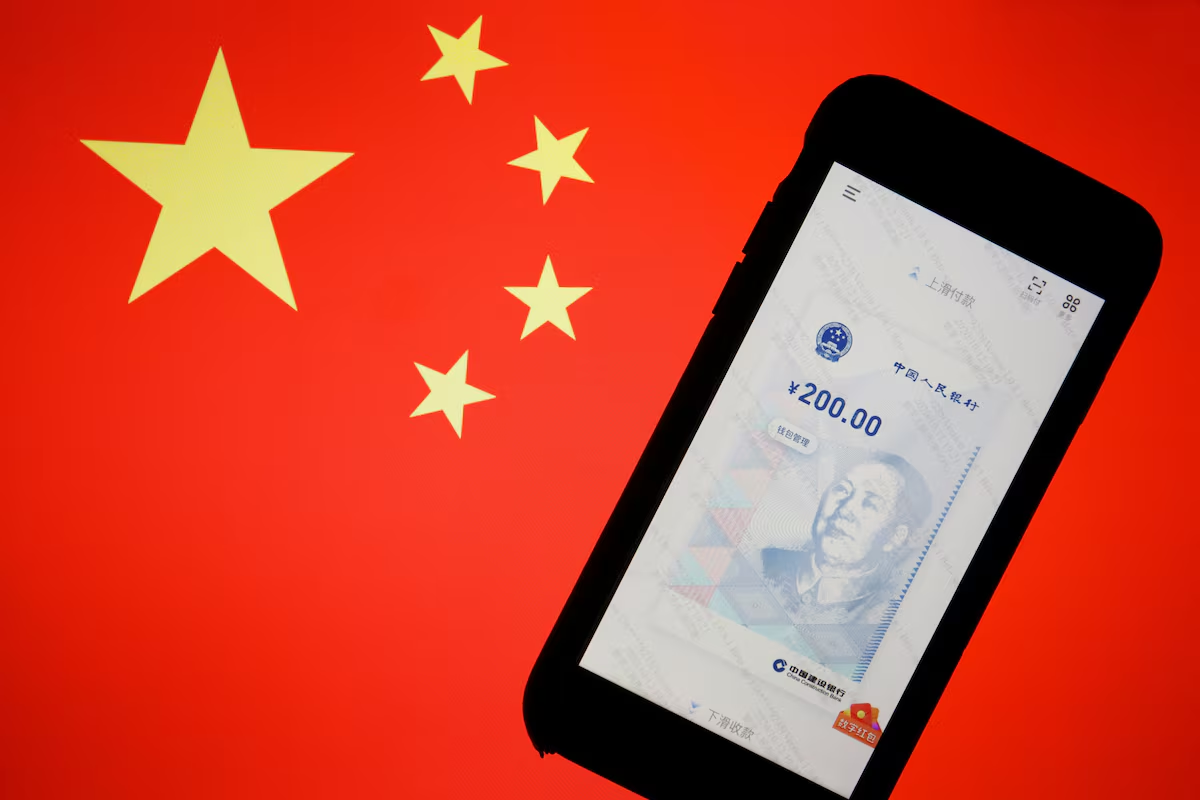
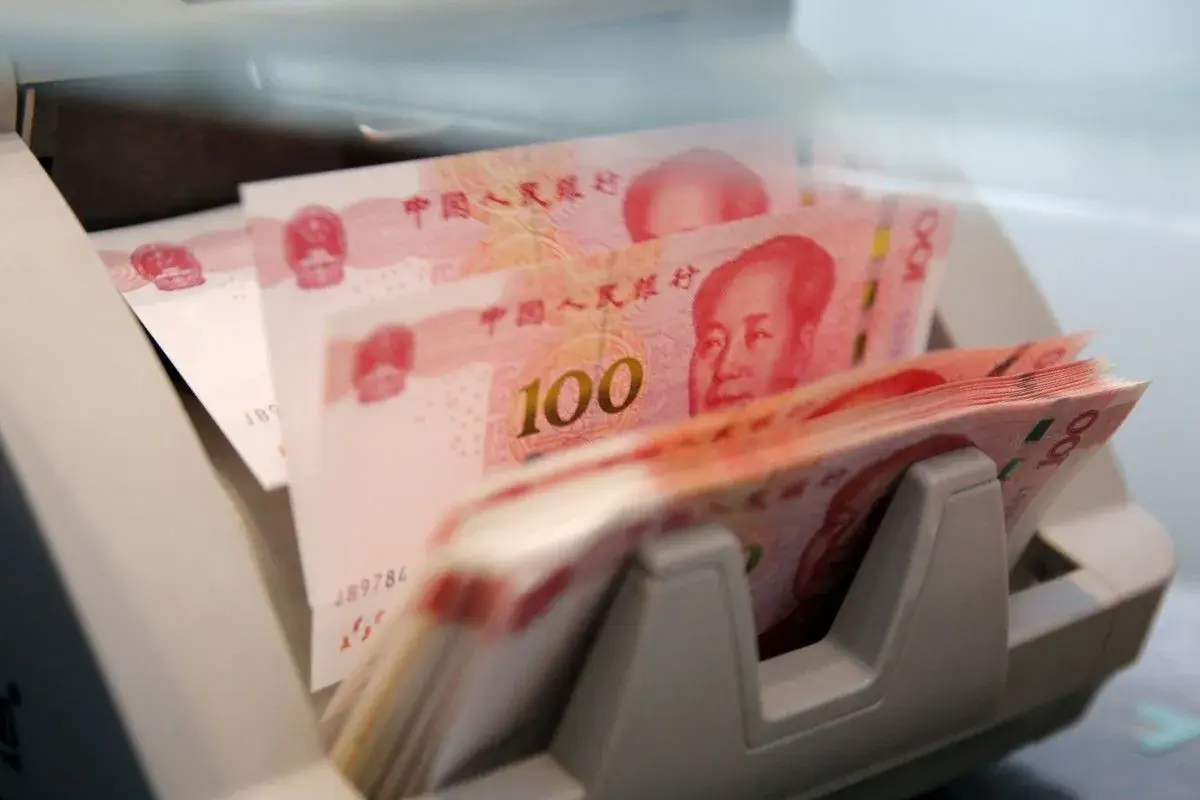
The yuan has emerged as the primary alternative to the dollar in Eurasian trade. As of August 2026, the yuan-to-ruble exchange rate stood at approximately 12.33 rubles, with analysts forecasting a range of 12.4 to 12.8 rubles in the coming week. The euro-to-yuan central parity rate was around 7.89, having been adjusted upward in recent days.
The yuan's appeal lies in its predictability. Russian economist Mikhail Deljagin, Deputy Chairman of the State Duma Committee on Economic Policy, noted that "the situation with the yuan is predictable, in contrast to the situation with the dollar," pointing to the managed nature of China's currency policy compared to the volatility of dollar speculation.
The Euro: A Legacy Currency Under Pressure
While the euro remains a major international reserve currency, its role in Eurasia is being tested. The European Central Bank's June 2026 report on the euro's international role acknowledged that fragmentation of the international monetary system is accelerating, with more countries advancing technological alternatives to traditional cross-border payment systems. The euro-to-yuan exchange rate has shown recent upward movement, with the central parity rate rising by 487 points to 7.8815 on August 20, 2026. However, its future in the region increasingly depends on whether Europe can offer a stable, sanctions-free alternative to both the dollar and the yuan.
BRICS: Building an Alternative Financial Architecture
Beyond the EAEU, the broader BRICS grouping is constructing an alternative financial architecture. While India, as current BRICS chair, has opposed creating a common BRICS currency, the bloc is pursuing pragmatic alternatives. These include interconnecting national payment systems, expanding bilateral currency swaps, and exploring central bank digital currency (CBDC) interoperability.
Intra-BRICS trade conducted in national currencies has already surpassed 67%, with Russia's bilateral trade within the expanded bloc reaching approximately 90%. The strategy is not to abruptly "abandon the dollar," but to establish "predictable, resilient, and parallel settlement channels" that insulate emerging economies from external financial volatility.
Concrete steps are already visible: China's UnionPay has integrated into Brazil's Pix instant payment system, and Argentina has extended its currency swap with China until 2031, for an amount of 130 billion yuan.
Challenges and Realities
Despite this momentum, significant challenges remain. The dollar continues to dominate global pricing mechanisms; as Deljagin noted, "if the price of a good is set in dollars, the dollar remains the world's reserve currency" regardless of payment currencies. The EAEU is also navigating technical transitions, with a June 2026 deadline allowing member states to pay import duties in either dollars or national currencies during a transition period.
Conclusion: A Fragmented but Multipolar Future
The Eurasian currency map is being redrawn not through a single grand scheme, but through multiple overlapping initiatives: the EAEU's national currency push, China's yuan internationalisation, BRICS payment system development, and bilateral swap agreements. The result is not the end of the dollar, but the emergence of a more fragmented, multipolar monetary order where the ruble, yuan, and euro each play significant but incomplete roles. For businesses and policymakers navigating this landscape, the new reality is one of complexity, opportunity, and persistent uncertainty.