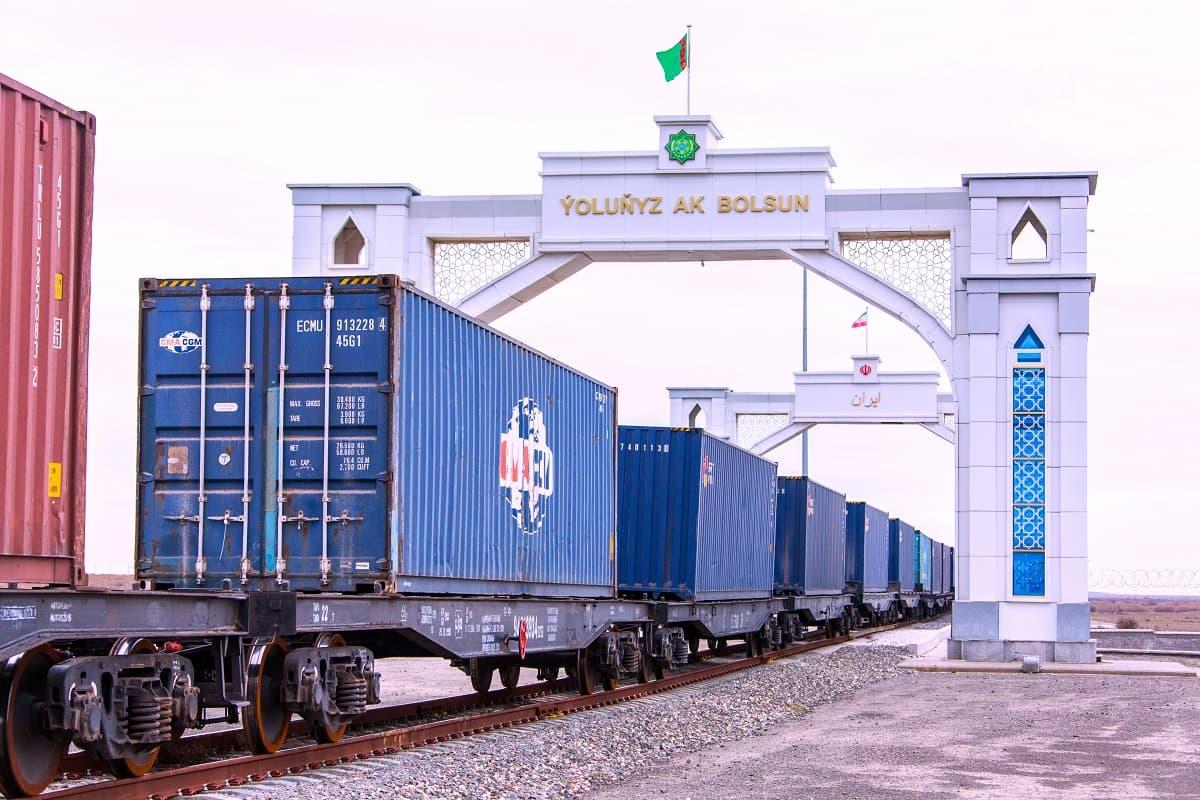
The Soviet Union changed that geography. Railways, pipelines and commercial networks were constructed overwhelmingly northward through Russia, leaving the newly independent Central Asian republics after 1991 with economies still heavily dependent on routes inherited from Moscow.
Iran now believes history can turn south again.
At the Turkmenistan Investment Forum in Ashgabat, Iranian Deputy Economy Minister Mehdi Heydari proposed something considerably more ambitious than another bilateral trade agreement: a unified economic space connecting Iran, Turkmenistan and the wider Central Asian region.
The proposal rests on three assets Iran possesses that landlocked Central Asia needs: energy infrastructure, processing capacity and access to open seas.
China has become its dominant customer through the Central Asia–China pipeline system. Russia remains another outlet.
“Energy comes first. Turkmenistan possesses the world's fourth-largest proven natural-gas reserves, but geography limits its export choices.”
EuroAsia.News
Iran offers a third direction.
Tehran proposes expanding gas-swap arrangements under which Turkmen gas can enter northern Iran while equivalent Iranian volumes are delivered elsewhere. That reduces the need to physically transport every molecule across the entire country and could eventually connect Central Asian production with markets farther south.
Transport may be even more consequential.
Kazakhstan, Uzbekistan, Turkmenistan, Kyrgyzstan and Tajikistan are all landlocked. Uzbekistan is one of only two double-landlocked countries in the world: every route to an ocean must cross at least two national borders.
Iran changes that equation.
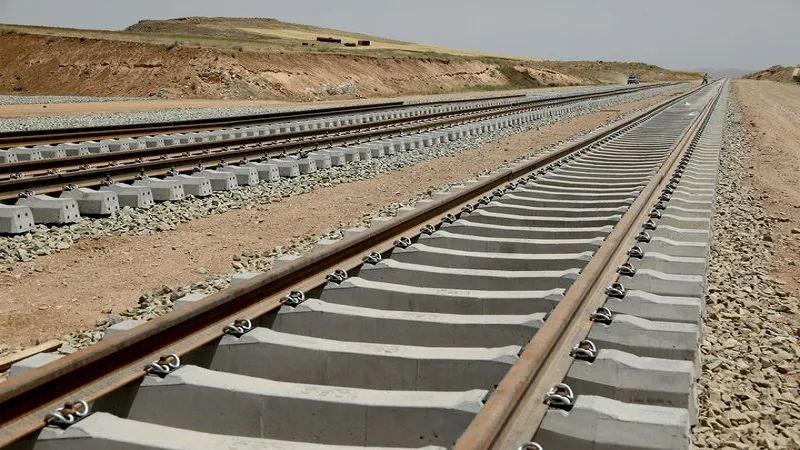
Rail and road connections through Turkmenistan can bring Central Asian cargo south to Iranian ports on the Persian Gulf and Gulf of Oman. From there, India, the Gulf states, Africa and global maritime markets become accessible without travelling through Russia or crossing the Caspian Sea.
That geography also intersects with the International North–South Transport Corridor, the emerging network connecting India and the Persian Gulf through Iran toward the Caucasus, Russia and eventually northern Europe.
Iran is now proposing another layer: agriculture.
Central Asia has enormous grain, fruit, livestock and agricultural potential but limited processing and direct maritime access. Tehran proposes combining Central Asian production with Iranian processing, packaging and logistics capacity, creating integrated food chains capable of reaching international markets.
The idea reflects a much larger transformation taking place across Eurasia.
Central Asian governments increasingly reject dependence on any single corridor.
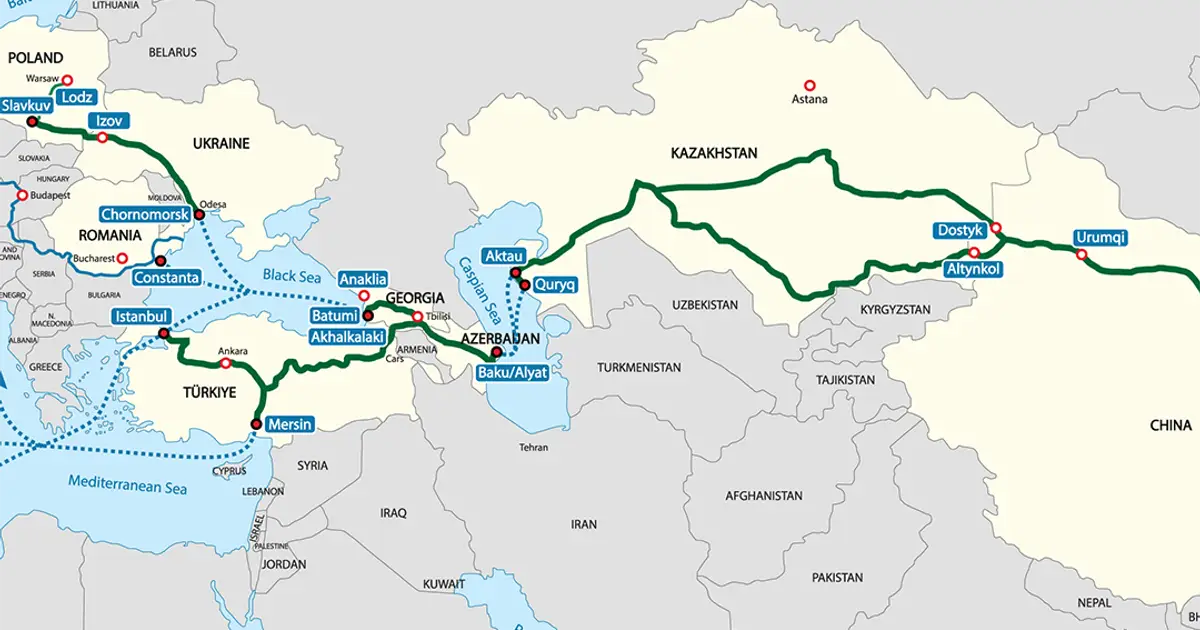
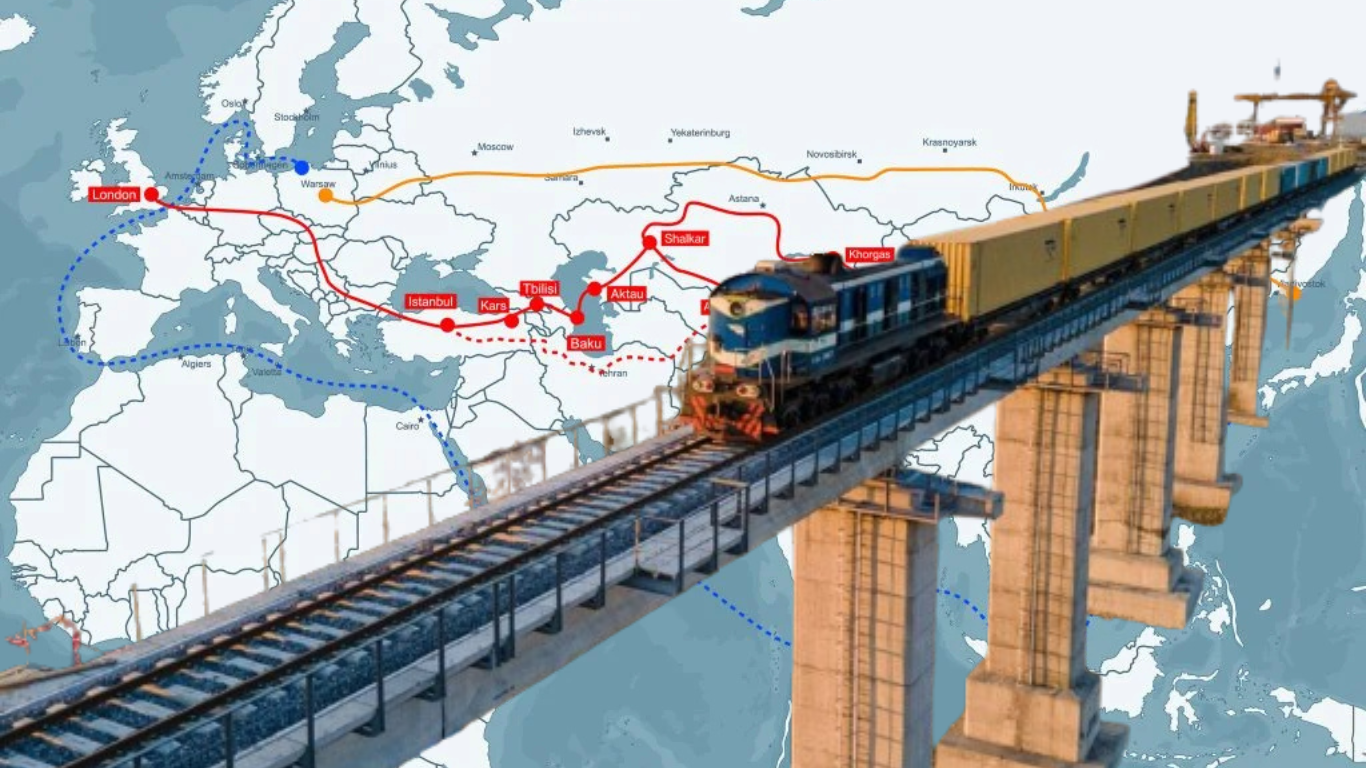
Kazakhstan is developing the Middle Corridor across the Caspian Sea toward Azerbaijan, Georgia and Europe. China continues investing in east-west railways. Russia remains an enormous market and transport partner. Afghanistan and Pakistan offer possible southern routes.
Iran wants to become another option.
For Tehran, the economic logic is equally powerful.
Decades of sanctions have constrained Iran's access to Western markets and capital. Deeper integration with Central Asia creates neighbouring markets that cannot simply be replicated by maritime trade.
Iran also possesses something Central Asia increasingly needs: a large industrial economy immediately to its south.
The opportunity nevertheless faces serious obstacles.
International sanctions complicate banking and investment. Iranian infrastructure requires major modernization. Border procedures across Eurasia remain slow, and competing transport corridors are receiving billions of dollars of Chinese, European, Turkish and Gulf investment.
Then there is geopolitics.
Russia traditionally regarded Central Asia as part of its privileged economic sphere. China has become the region's dominant new economic force. Turkey promotes cultural and commercial integration among Turkic states. The EU wants critical minerals and transport corridors bypassing Russia.
Iran is entering an increasingly crowded competition.
But Central Asia does not necessarily have to choose one winner.
That may actually be the region's emerging strategy: China to the east, Russia to the north, Europe to the west and Iran and India to the south.
For three decades after the Soviet collapse, Central Asia's great problem was geography.
It had enormous resources but too few routes to the world.
Iran's proposal is interesting precisely because it turns geography around.
The Iranian plateau, once perceived as a barrier between Central Asia and the ocean, could instead become its bridge.
If that happens, the next great Eurasian trade corridor may not run east or west.
It may run south.