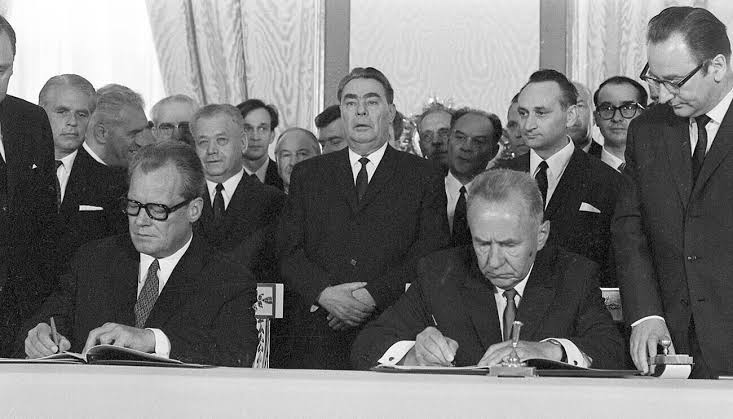
Hungary’s new government has taken perhaps its strongest step yet away from the Russia policy of the previous sixteen years, despite its election promises not to do so. Budapest has ordered ten employees of the Russian Embassy to leave Hungary, saying only that they had engaged in activities “unacceptable for diplomats under the Vienna Convention.” No detailed evidence has been made public. Foreign Minister Anita Orbán said the measure was necessary to protect Hungarian security and sovereignty and insisted that diplomatic relations with Moscow would continue.
The scale is nevertheless extraordinary. Hungary had never previously expelled such a large group of Russian diplomats. Hungarian security analysts interpret the diplomatic wording as an allegation of intelligence activity, while the government has declined to provide further details. Moscow called the move an “unprecedented and entirely unjustified escalation” and promised retaliation.
“The obvious political question is whether this is simply a Hungarian “security decision” — or part of a much broader attempt by Péter Magyar’s government to demonstrate to Brussels that the Orbán era is over.”
EuroAsia.News, reporting from Budapest
There is little doubt about the direction of European foreign policy pressure. EU institutions have repeatedly demanded that Hungary reduce its Russian energy dependence, while Hungary’s new government has been openly welcomed by Baltic governments precisely because it has allowed the EU to move ahead with sanctions, Ukraine financing and other measures previously resisted by Budapest. Estonia’s foreign minister even praised Hungary’s changed position for enabling the EU to advance decisions on Ukraine and Russia.
Energy is where political symbolism collides with economic reality.
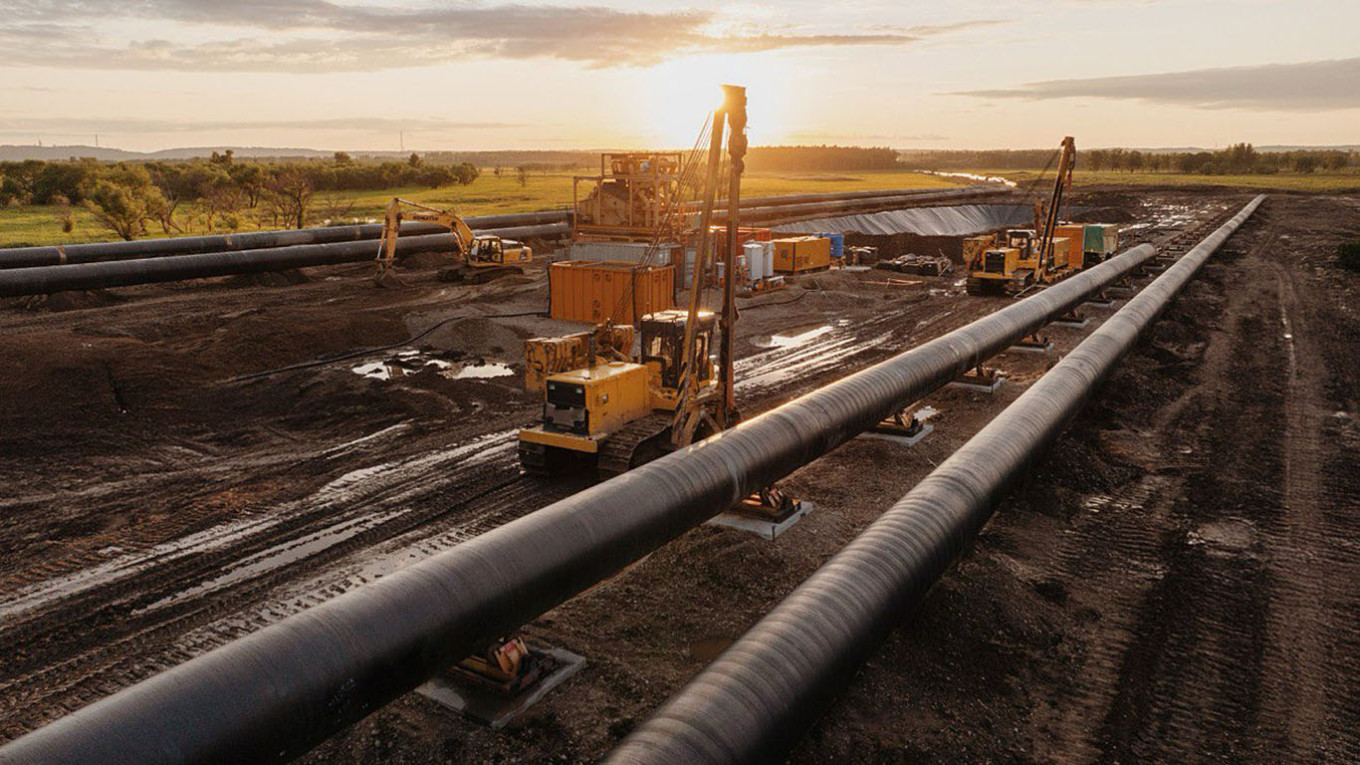
In 2025, 74% of Hungary’s imported gas and more than 90% of its imported oil came from Russia. Russian fossil-fuel imports were equivalent to around 2.1% of Hungarian GDP. The EU, meanwhile, has legislated to eliminate Russian gas imports, with pipeline imports to disappear by November 2027.
And immediately after expelling the diplomats, Hungary announced expanded cooperation with Latvia.
That produced an unusually sarcastic reaction from the Russian Embassy in Budapest. If Hungary had discovered a new strategic energy partner in Riga, Moscow said, it could only wish both countries “the best of luck”, adding that perhaps “first-class Baltic crude oil and natural gas” would soon flow into Hungary, accompanied by the aroma of liberal democracy.
Behind the sarcasm lies an uncomfortable fact: Latvia is not going to replace Russian gas.
The announced Latvian cooperation focuses mainly on energy storage, an area where Latvia has accumulated experience and where Hungarian companies are already participating in Baltic projects. Riga additionally mentioned innovation and green hydrogen. These may become useful technologies for Hungary’s future electricity system, particularly as solar generation expands. But batteries and hydrogen cooperation do not provide several billion cubic meters of natural gas to Hungarian households and industry next winter.
Replacing Russia is technically possible — but not necessarily cheaply.
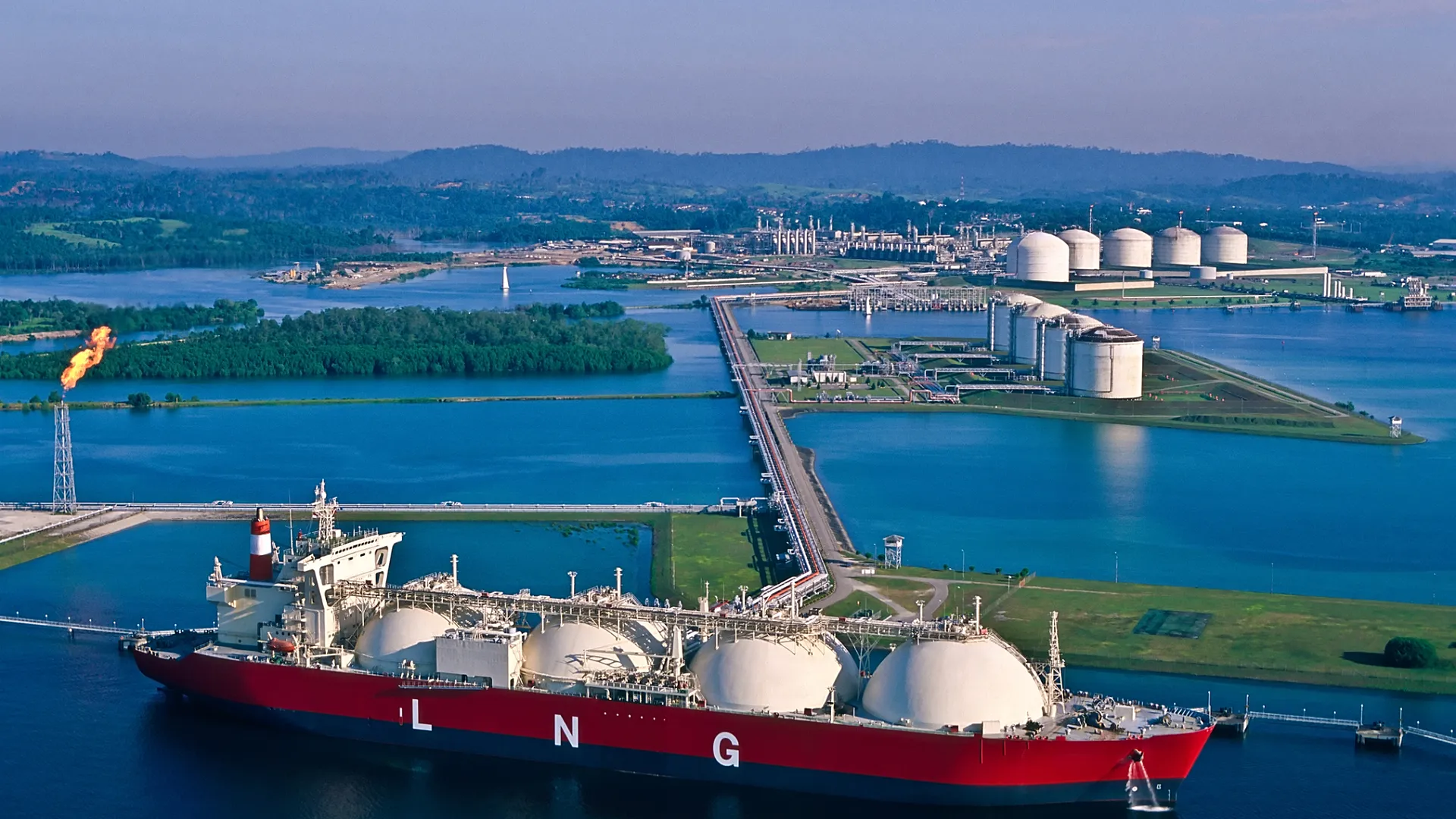
Hungarian state energy company MVM has already prepared alternatives, including LNG arriving through Croatia’s Krk terminal and contracts with Western suppliers. MVM itself has acknowledged that Hungary could survive without Russian gas but at higher prices. It currently receives billions of cubic meters through TurkStream, while alternative LNG must be liquefied, transported by ship, regasified and then moved through European pipeline networks.
The timing could hardly be worse. European benchmark gas prices have recently risen to around €75/MWh, more than twice their level a year earlier, while European gas storage is unusually low ahead of winter. Even the European Court of Auditors is warning that the EU’s Russian-energy exit has depended too heavily on lower consumption and favourable conditions rather than sufficient new infrastructure.
Diversification theoratically makes strategic sense. Replacing one dependency with several suppliers is rational policy. Deliberately destroying an affordable existing relationship before the alternatives are commercially competitive is something very different.
Hungary should certainly develop storage, renewables, LNG access and new supply corridors. But Riga cannot send Hungary Baltic gas that does not exist. A battery project cannot heat Budapest apartments in January.
Péter Magyar’s government may be winning political applause in Brussels and the Baltic capitals. The much more important test will be whether Hungarian households and industry eventually discover that the price of this diplomatic realignment is appearing on their energy bills. Meanwhile already more companies and factories are closing in Hungary.