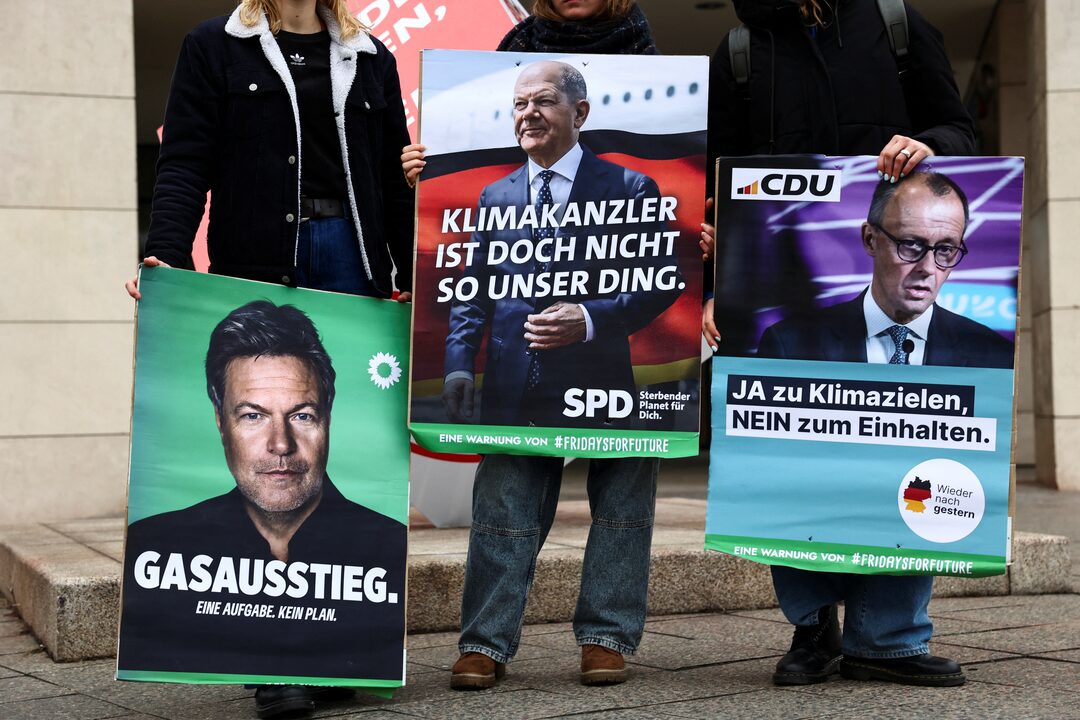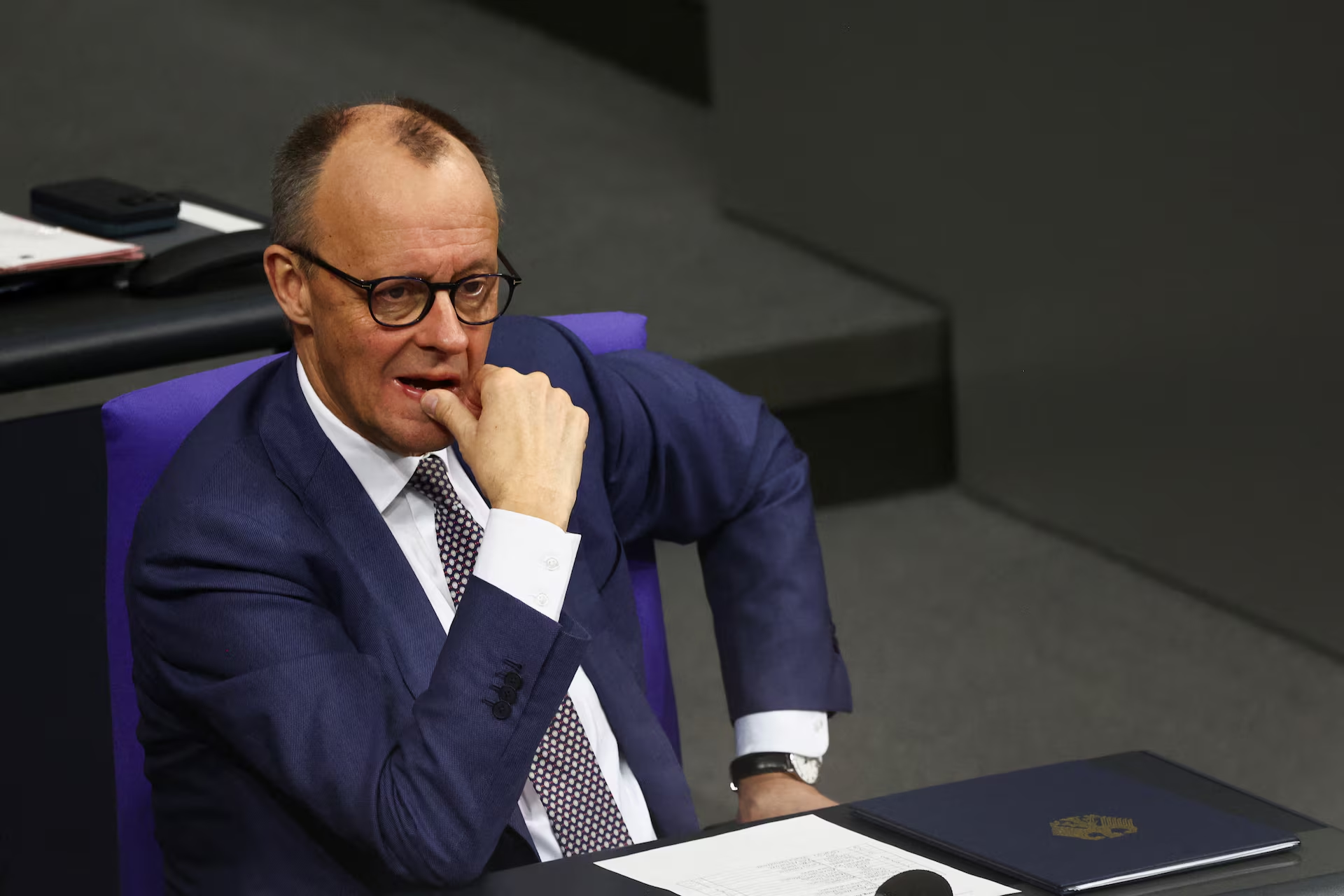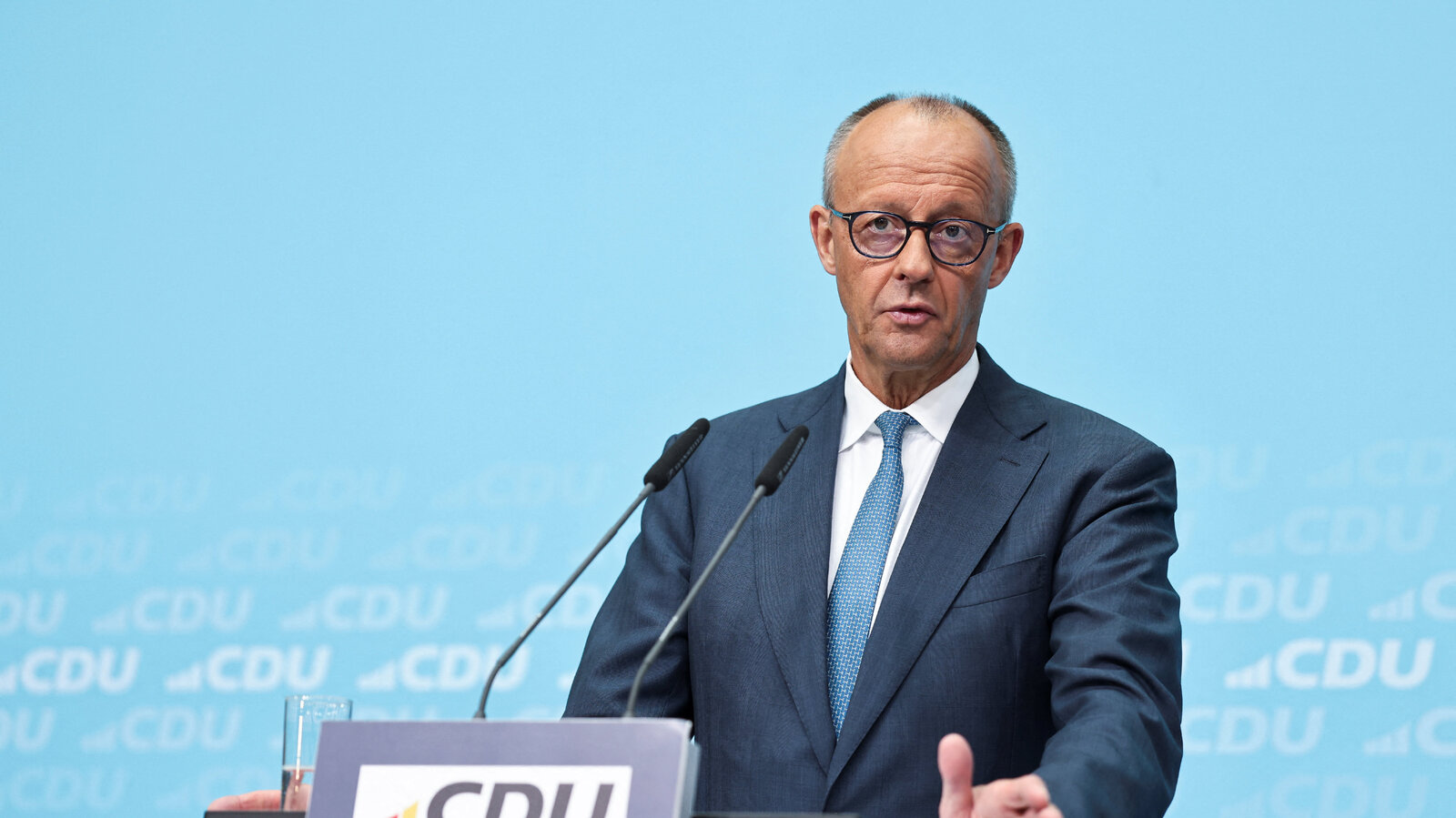
The trigger was brutal. AfD won 43.8% in Saxony-Anhalt while the CDU fell to 17.2%, a result that stripped away any possibility of describing the defeat as a routine mid-term protest. (
In Großbeeren, a traditional CDU stronghold in Brandenburg, 33 party members — including mayor Martin Wonneberger — signed an open letter to Merz demanding a fundamental change of course. Their argument was particularly damaging because it rejected one of the most convenient explanations for AfD’s rise.
“We are not losing voters because these people suddenly became radical,” the group argued in substance. They said voters were leaving because they had lost confidence in the CDU and in established politics’ ability to solve everyday problems.
The letter points directly at promises Merz made before taking office: getting the economy moving again, making energy cheaper, reducing bureaucracy, controlling migration more effectively and ensuring that work pays. The question from the grassroots is simple: what has actually reached voters?
They want a rapid and unsparing analysis of why confidence in the party and federal government has fallen so sharply.
“The rebellion is spreading geographically. CDU district leaders in Saxony have called for an accelerated party “restart” and an extraordinary conference before the leadership’s planned November timetable.”
EuroAsia.News
In Mecklenburg-Western Pomerania, where another state election takes place on 20 September, CDU deputy state chairman Tino Schomann went further and openly demanded that Merz step down as chancellor. His criticism came after what he regarded as an unconvincing response to the Saxony-Anhalt defeat.
Merz himself has acknowledged failures in explaining the purpose of his reform programme. But the internal criticism increasingly suggests that communication is not the core complaint.
The CDU base is questioning the policy results.
Germany remains burdened by weak industrial growth, high energy costs, difficult migration politics and a government preparing record borrowing while still debating taxes and social cuts. The AfD has successfully turned these issues into a single anti-establishment narrative. Merz’s problem is that many CDU activists now fear their own party has no equally clear counter-story.
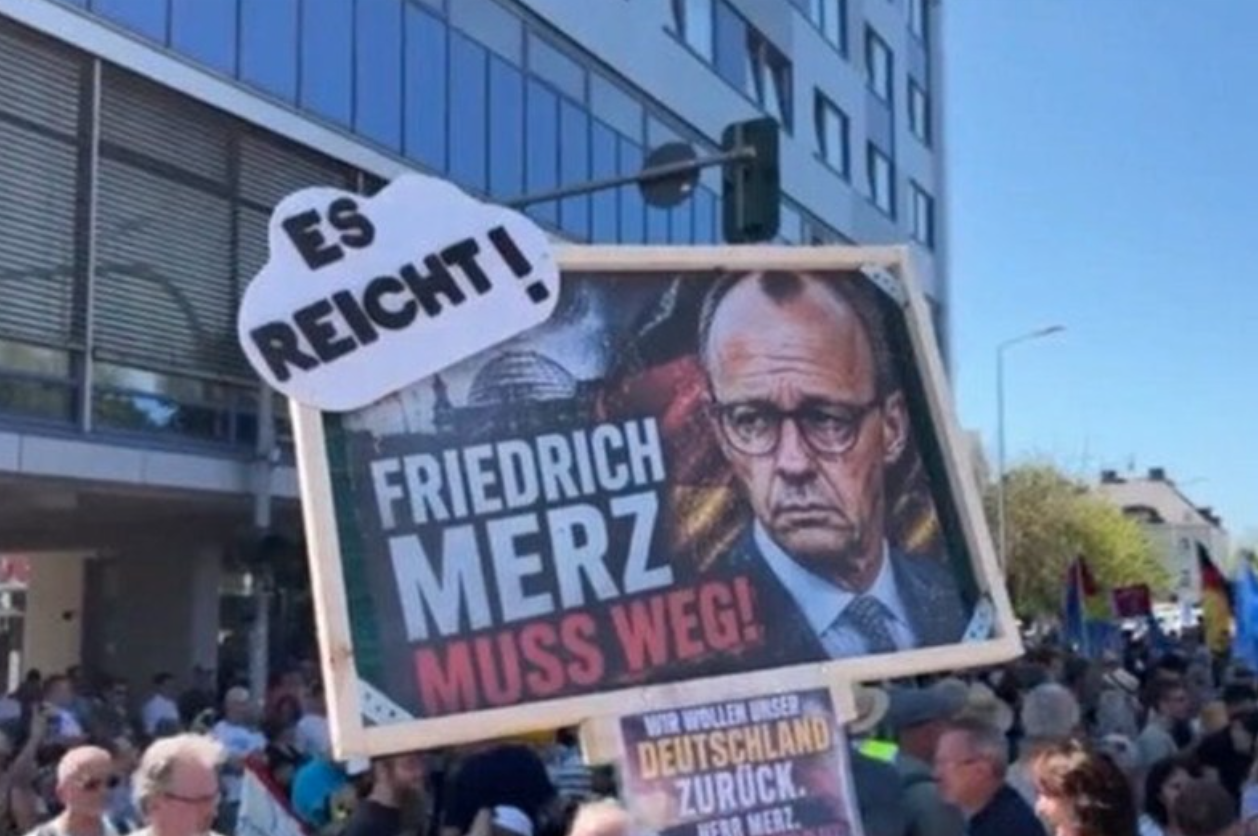
That is why speculation about alternative conservative leadership has returned, including names such as North Rhine-Westphalia premier Hendrik Wüst and Bavaria’s Markus Söder. There is no organised leadership challenge yet, and media speculation should not be confused with an actual coup inside the CDU.
But leadership contests rarely begin with an official declaration.
They begin when local branches write open letters, regional politicians demand a restart, election defeats accumulate and potential successors start being discussed seriously.
The next test comes quickly. Berlin and Mecklenburg-Western Pomerania vote on 20 September. If the CDU performs badly in both, Merz will find it increasingly difficult to argue that Saxony-Anhalt was an isolated disaster.
For the moment, most of his party is still standing behind him.
The more important question is whether it still believes he can reverse the trend.