The federal government plans expenditure of €555.4 billion next year, almost 6% more than in 2026. Net borrowing in the core budget is set at €118.7 billion. Once borrowing through the special funds for infrastructure, climate policy and defence is included, new debt reaches roughly €203.7 billion.
Those numbers are already uncomfortable for a chancellor whose CDU spent years presenting itself as Germany’s guardian of fiscal discipline.
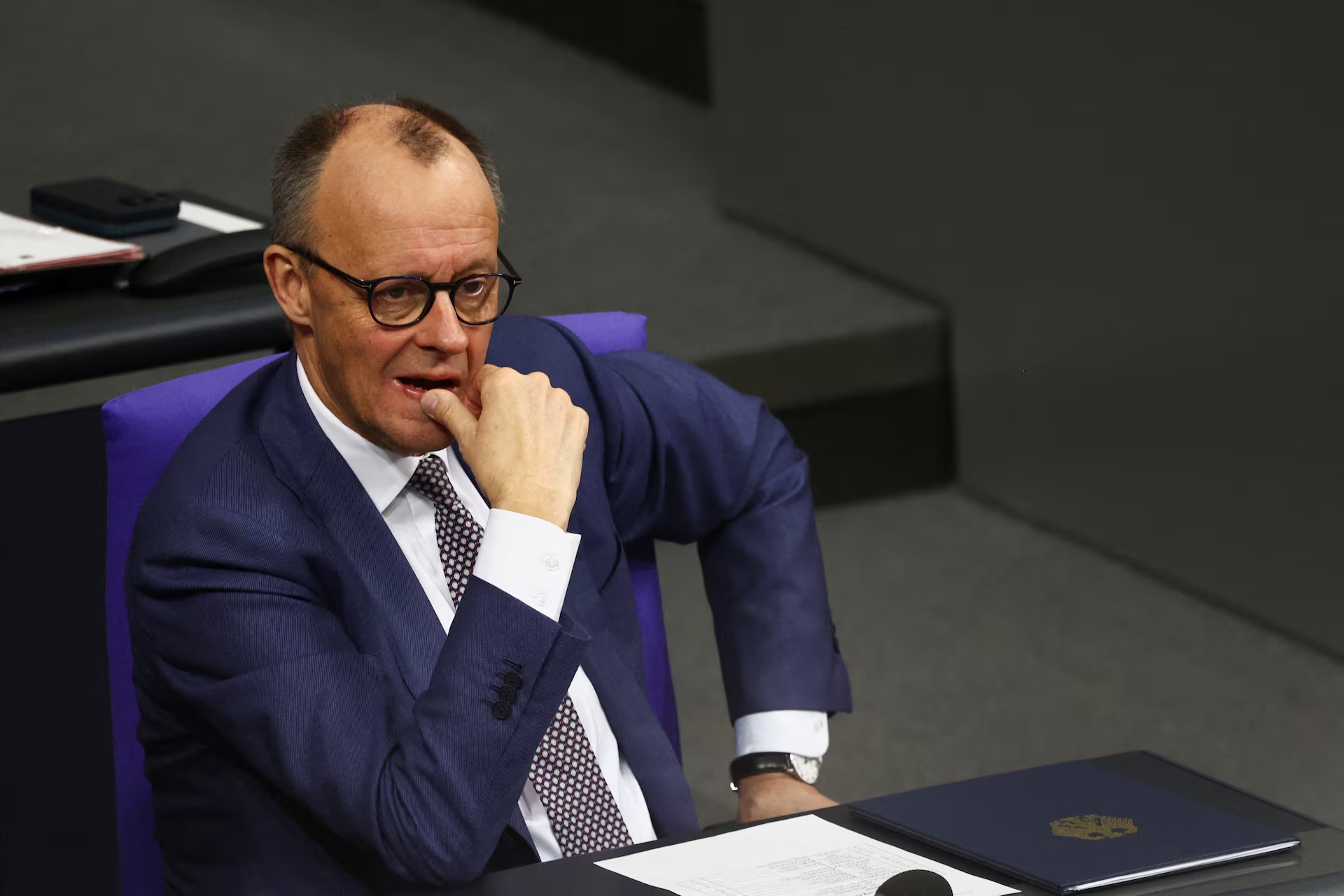
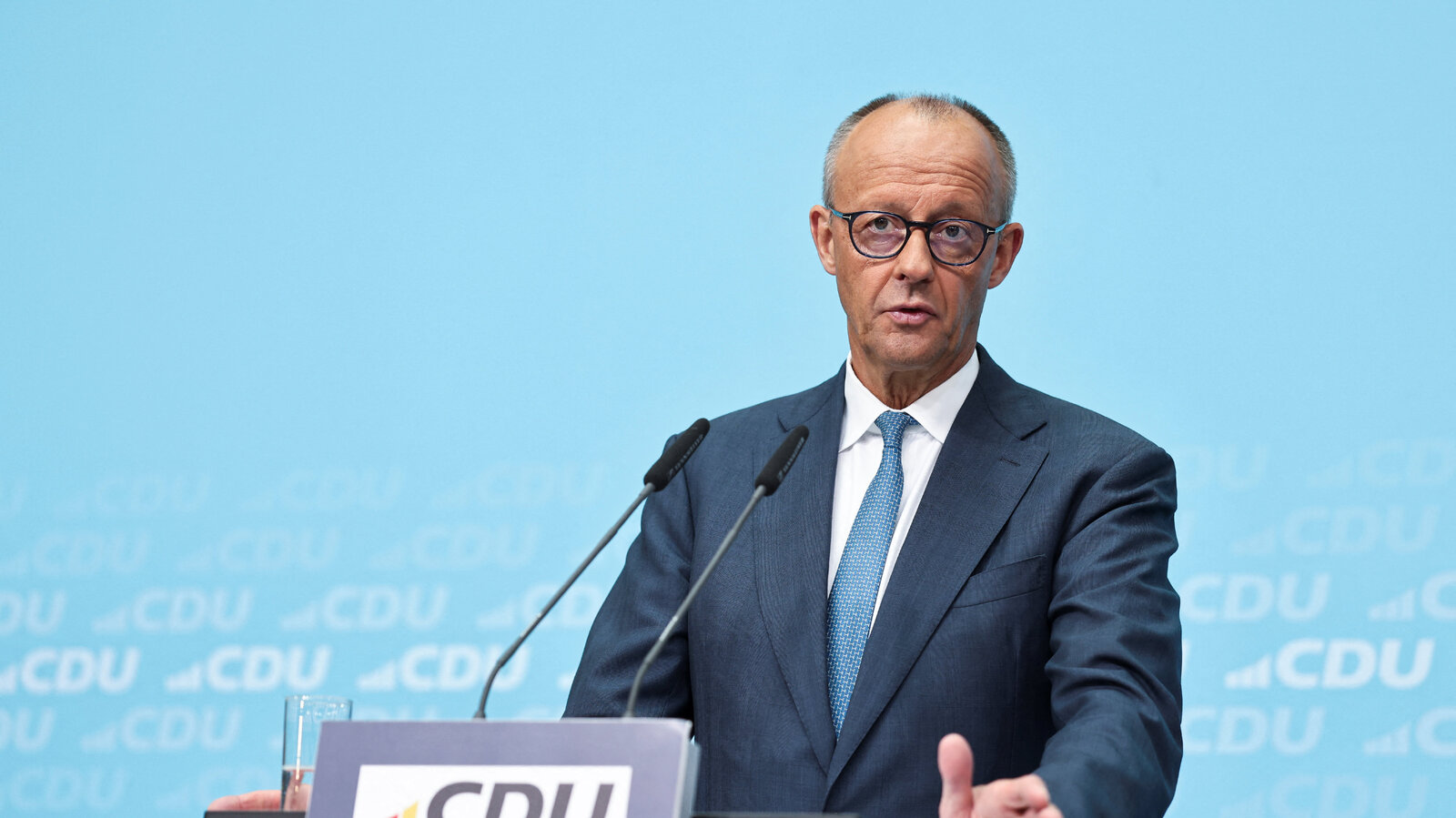
Now the resistance is coming from Merz’s own parliamentary camp.
The immediate dispute is not yet a rebellion against the entire budget: it centres on proposals including a sugar tax and what critics inside the Union regard as insufficient income-tax relief. But politically the distinction is narrowing. MPs being asked to defend record borrowing are also being told that promised relief will arrive only gradually while new taxes appear elsewhere.
“Around 20 CDU/CSU lawmakers are reported to oppose parts of Finance Minister Lars Klingbeil’s tax package accompanying the government’s fiscal plans.”
EuroAsia.News, reporting from Berlin
One flashpoint is “cold progression”, where inflation-linked wage increases push taxpayers into higher brackets without making them genuinely richer. Union politicians want the effect fully compensated. The planned income-tax reform promises around €10 billion in annual relief once fully implemented, but only about €3 billion would arrive in 2027, with the remainder following in 2028.
For CDU and CSU MPs already watching voters move toward AfD, that is a dangerous sales pitch.
The fiscal backdrop makes compromise harder. Germany’s core-budget interest bill is projected at €41.9 billion in 2027 and could nearly double to €80.7 billion by 2030. The Federal Audit Office has warned that expanding borrowing is narrowing future room for manoeuvre. Financing gaps in the government’s medium-term plan total more than €100 billion after 2027.
Merz can argue that Germany needs the borrowing. Infrastructure is ageing, defence spending is rising and the economy needs stimulus after years of stagnation.

But that creates the contradiction now consuming the coalition: Germany is borrowing on a historic scale while simultaneously discussing welfare cuts, higher selected taxes and limited household relief.
The SPD wants to protect social spending and is more open to taxing high incomes and wealth. Many conservatives want deeper spending restraint, stronger business incentives and broader tax relief. Both sides agreed to govern together, but the budget is forcing them to answer the question they postponed: who actually pays for Germany’s restructuring?
After AfD’s 43.8% victory in Saxony-Anhalt, this is no longer an accounting argument hidden in parliamentary committees. Every tax and spending cut is becoming electoral ammunition.
The danger for Merz is not that 20 MPs have already decided to bring down his budget.
The danger is that resistance to one tax package can become resistance to the wider fiscal bargain on which his coalition depends.
If that happens, Germany’s €555 billion budget will become something larger: a test of whether Merz still controls his own majority.