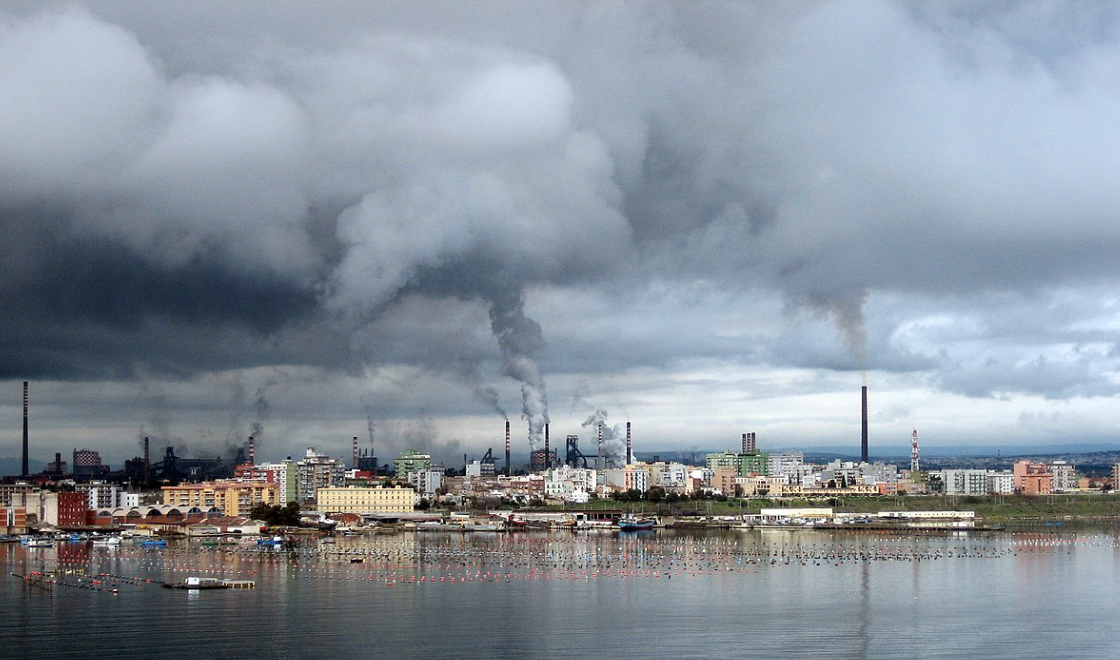
For Giorgia Meloni’s government, the decision creates an industrial, social and political problem at exactly the wrong time.
Taranto is not just another factory. It is Italy’s largest steel plant, directly employs around 8,000 people and supports thousands more through contractors and suppliers. It is also the country’s only integrated steelworks capable of producing steel from iron ore and coal through conventional blast furnaces.
But Ilva has also become a symbol of the conflict between industrial employment and public health. For years, residents, environmental groups and courts have challenged the pollution associated with the site. Governments of different political colours have repeatedly tried to keep production alive while promising environmental upgrades, restructuring and new ownership arrangements.
That turns what might appear to be a temporary judicial measure into a decision that could determine whether traditional primary steelmaking survives at Taranto at all.
“The latest court decision narrows that room for compromise. Operator Acciaierie d’Italia warned that shutting down and cooling the furnaces could cause irreversible technical damage, potentially making a later restart impossible.”
EuroAsia.News, reporting from Milan
Rome is therefore being pushed toward a much larger choice.
One option is to accept the end of the existing blast-furnace model and accelerate conversion to electric-arc furnaces and Direct Reduced Iron, technologies that can sharply reduce emissions. Government officials have indicated that public funds are available for such a transition and that the state may retain an ownership stake.
The problem is time.
A green industrial conversion takes investment, new infrastructure and reliable energy supply. Workers and suppliers cannot simply wait years for a future plant to replace today’s production. Nor can Italy easily surrender domestic steelmaking capacity without increasing dependence on imported steel at a moment when Europe is talking constantly about strategic autonomy.
Meloni’s government presents itself as pro-industry, pro-energy security and sceptical of European policies that accelerate deindustrialisation. Yet Taranto shows that industrial sovereignty cannot be defended by political slogans alone. It requires capital, technology and a credible plan capable of satisfying courts, workers and environmental standards at the same time.
The political stakes will rise as the 2027 general election approaches. A major shutdown would expose the government to attacks over employment, while weakening environmental requirements would trigger another backlash.
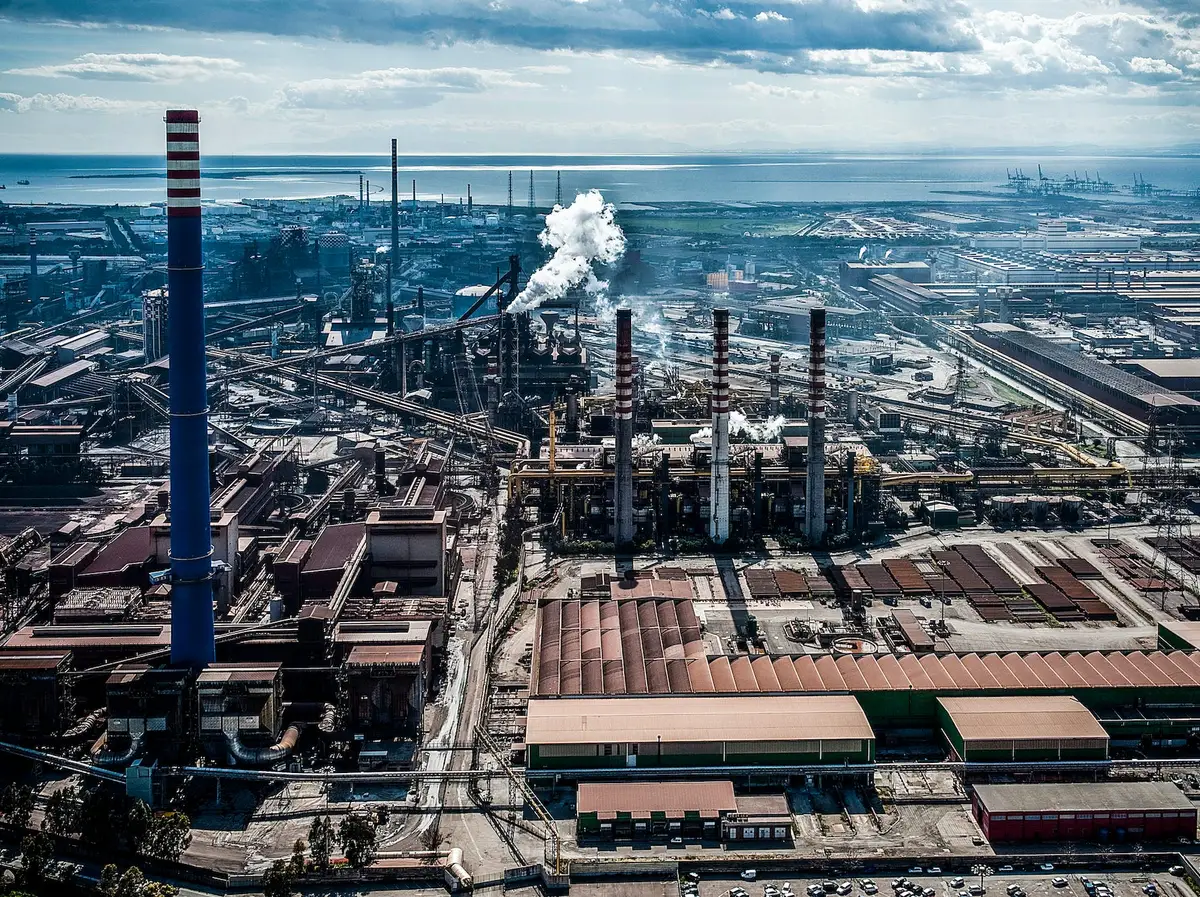
Meloni therefore faces a problem with no cheap solution.
Closing Taranto risks jobs, strategic steel capacity and another blow to Italy’s industrial base.
Keeping it alive requires more public money and a rapid technological transformation that previous governments repeatedly failed to complete.
For years, Italy postponed the final reckoning over Ilva.
The court has now made postponement much harder.