From Kaliningrad on the Baltic Sea to Chukotka on the Bering Strait, Russia stretches across roughly 17.1 million square kilometres and 11 time zones. Its territory extends almost 10,000 kilometres from west to east. When the first polling stations opened at 08:00 local time in Kamchatka and Chukotka, it was still late Thursday evening in Moscow.
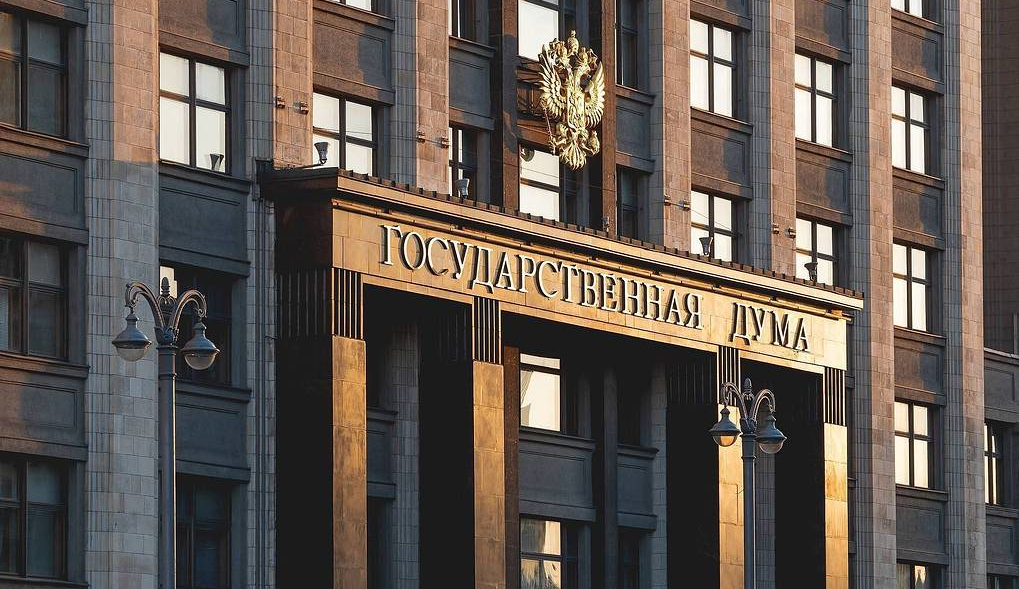
Around 111.9 million voters are registered for the federal election, which continues through Sunday, 20 September. They are choosing all 450 members of the State Duma. Half — 225 deputies — are elected through national party lists, while the other 225 come from single-member constituencies. Ten parties are competing through federal lists.
Across Russia, more than 2,200 elections and referendums of different levels are being conducted, filling around 20,700 elected positions and mandates. Eight regional leaders are being chosen directly, two more will be selected by regional parliaments on Sunday, while Dagestan’s newly elected parliament will later choose the republic’s head. Legislative assemblies are also being elected in 39 regions.
“But the Duma election is only part of the voting weekend.”
EuroAsia.News
For most Europeans, the scale is difficult to imagine. More than 90,000 polling stations are operating across the country. Another 333 polling stations in 152 countries have been established for Russians abroad, where the potential electorate exceeds 1.8 million people. (Reuters Connect)
Yet the greatest challenge is not Moscow, St Petersburg or the large regional capitals. It is reaching voters in the enormous, sparsely populated territories of Siberia, the Far East and the Arctic.
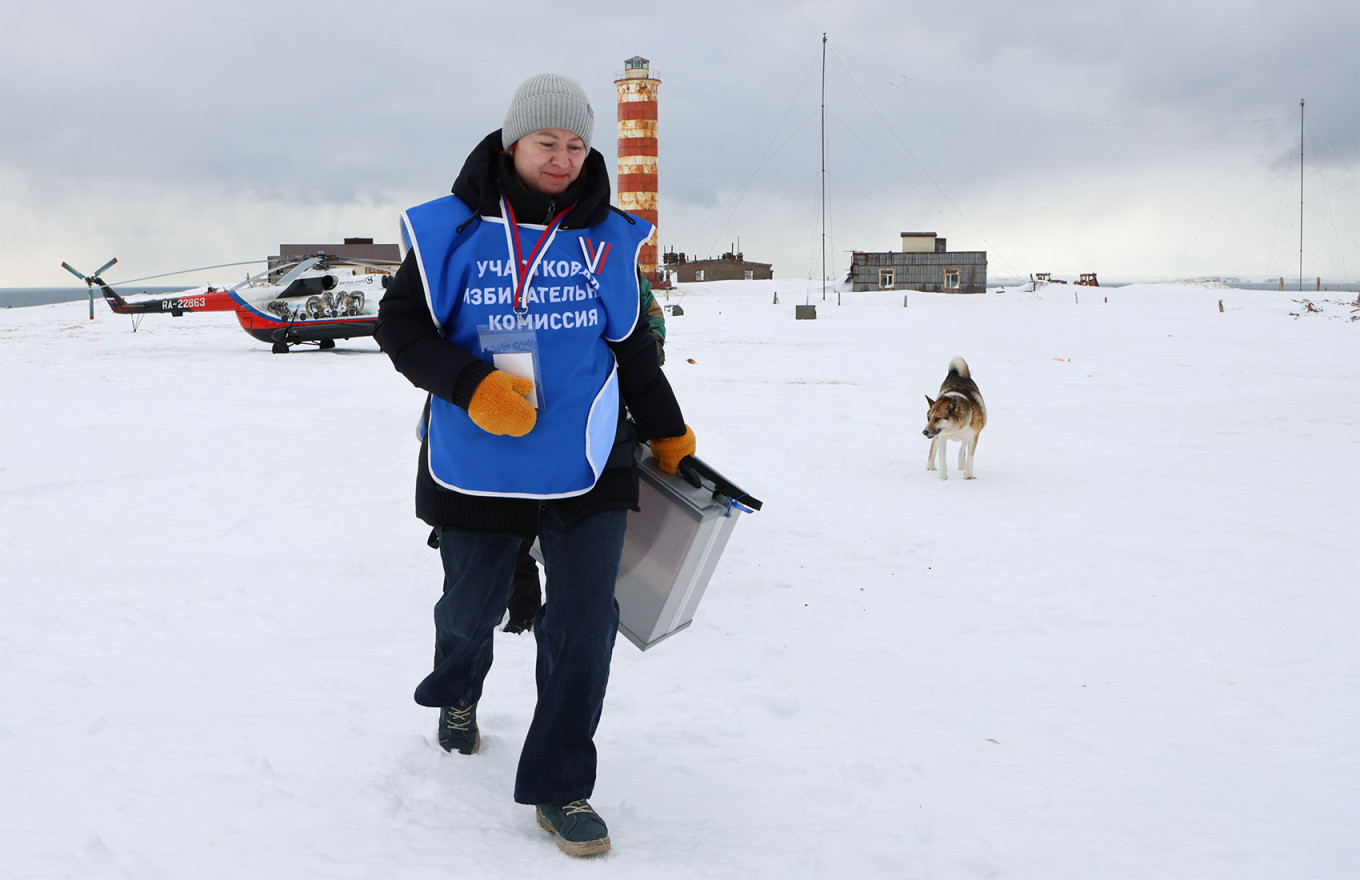
Early voting therefore began weeks before the formal election. Between late August and 17 September, mobile election teams travelled to settlements and workplaces where normal transport is difficult or impossible. The Central Election Commission’s arrangements specifically cover northern settlements, reindeer herders, geologists, meteorological stations, mining and industrial sites, military personnel and crews of vessels that will be at sea during the main voting period.
Chukotka illustrates the problem. Election commissions reported travelling more than 18,000 kilometres across roadless terrain during early voting. More than 4,000 voters had already cast ballots there before the official opening, among them reindeer herders, geologists, meteorologists, military personnel and mining workers.
In Kamchatka, more than 11,500 people voted early — 5,097 of them while at sea and around 6,500 on land. In Yakutia, more than 6,000 people in remote areas had already participated, including hunters, fishermen, reindeer herders and workers at prospecting camps and hydrometeorological stations.
This is also an election spanning one of the world’s most ethnically diverse countries. Russian government census data records representatives of more than 190 peoples and ethnic groups, with more than 300 languages used across the federation. Russians form the large majority, but Tatars, Chechens, Bashkirs, Chuvash, Avars, Yakuts, Buryats, Nenets, Chukchi and many smaller Indigenous peoples contribute to very different regional identities from the Volga to the Caucasus and the Arctic.
Technology is increasingly bridging some of that distance. Remote electronic voting is available in 33 regions, alongside conventional paper ballots. More than four million applications had been submitted to use the federal electronic system shortly before voting began.
Politically, however, the election is taking place in a tightly controlled environment. President Vladimir Putin’s United Russia is expected to retain its dominant position in the Duma. Reuters and AP report that independent and anti-war opposition has been heavily restricted, while Yabloko was removed from the national party-list ballot. The Kremlin presents the election as a demonstration of national unity during the war in Ukraine; critics argue that the political competition is severely constrained.
Voting is also taking place in Russian-controlled Ukrainian territories that Moscow claims as Russian federal subjects. Ukraine and the European Union reject those annexations and regard elections conducted there as illegal under international law.
Whatever the final political result on Sunday, the mechanics are extraordinary. The same national election stretches from apartment blocks in Moscow to Siberian mining settlements, Arctic weather stations, Pacific ports and reindeer camps thousands of kilometres from the nearest major city.
In Russia, election day is not simply one day — and in some parts of the country, reaching the voter can be almost as difficult as counting the vote.