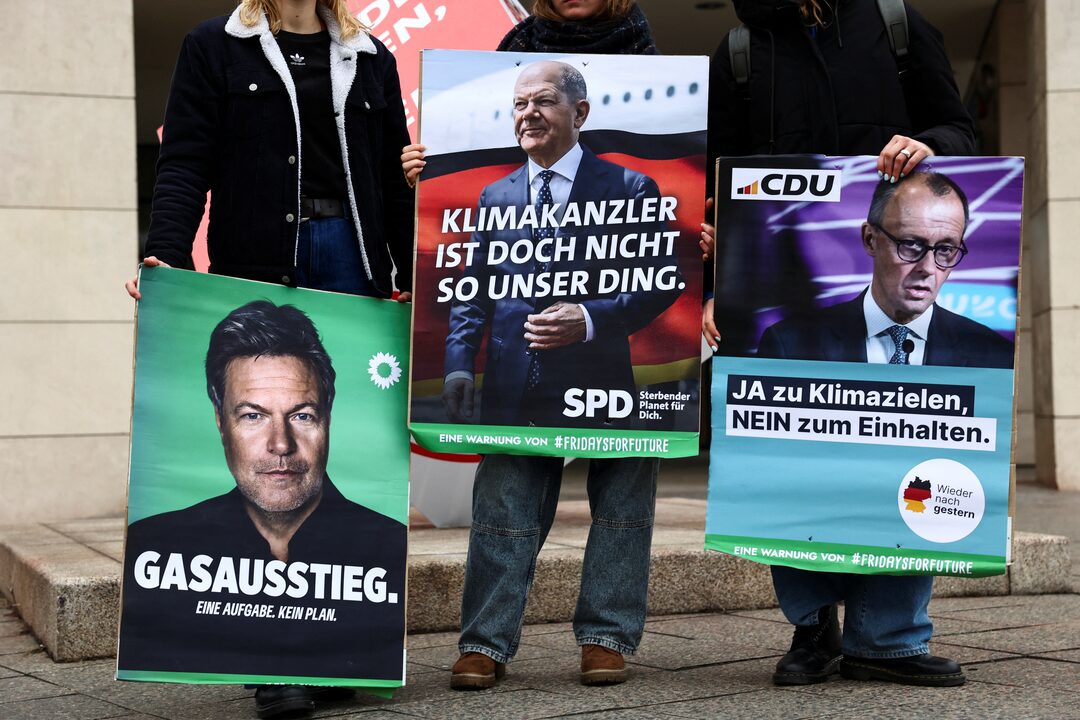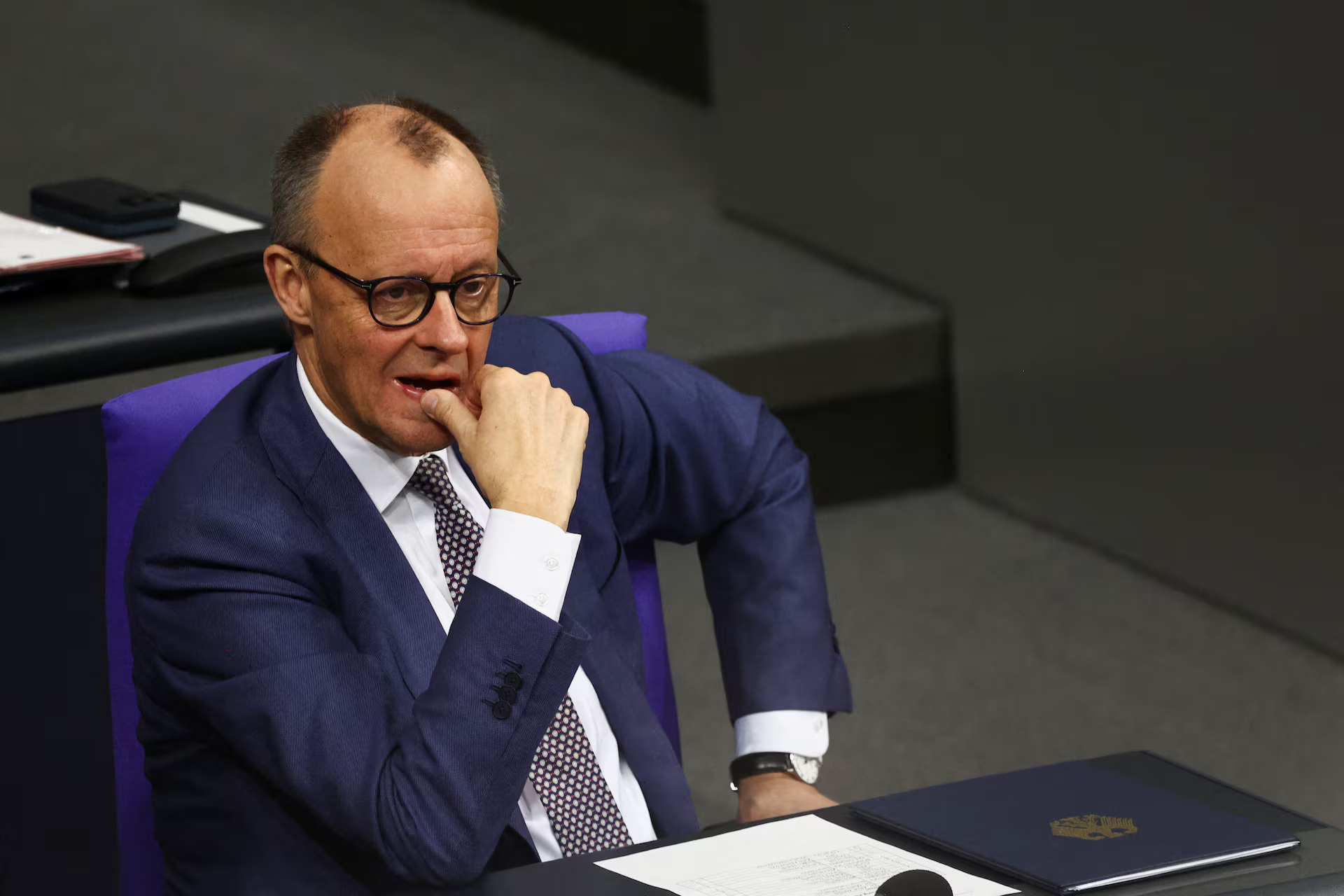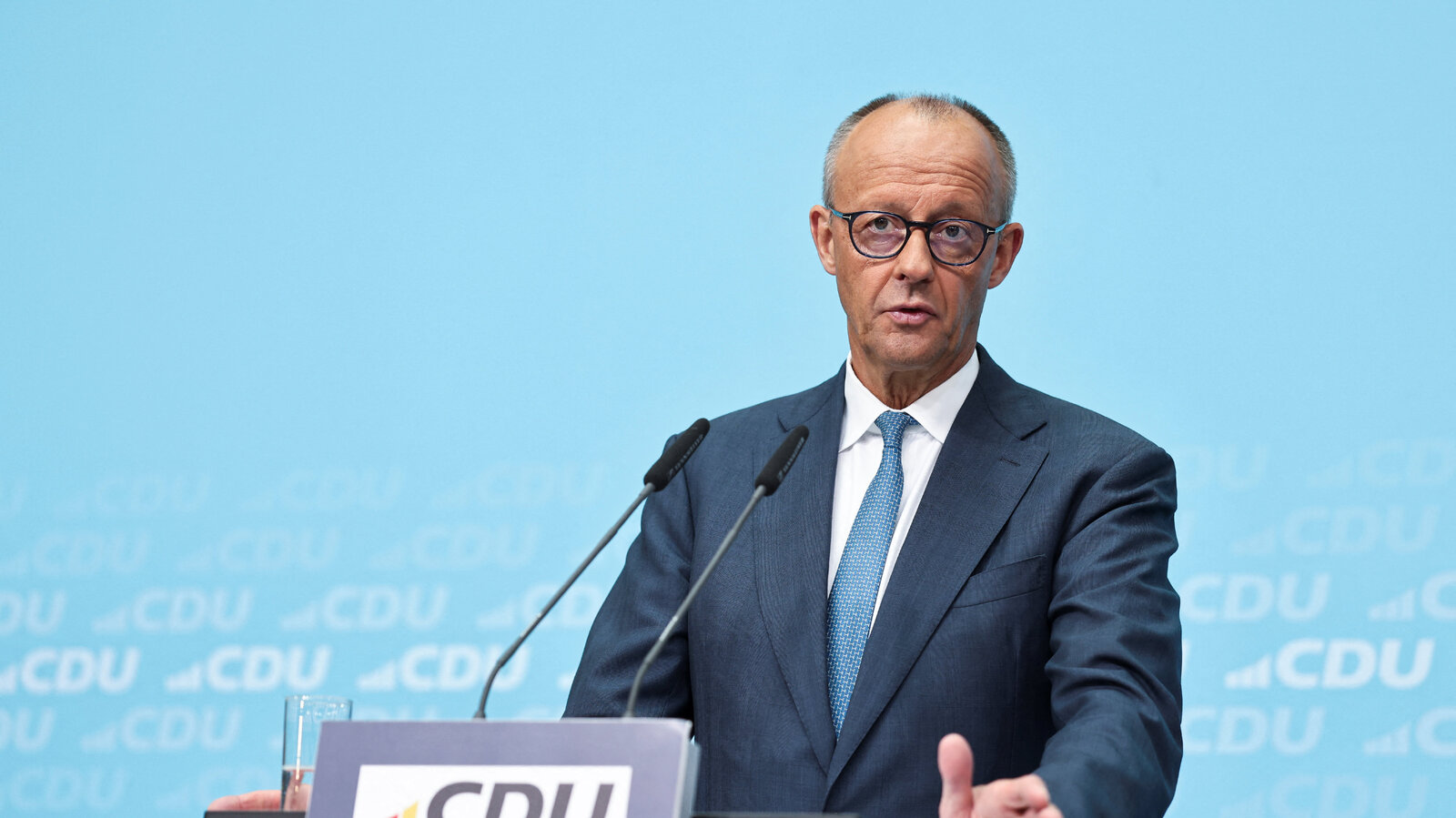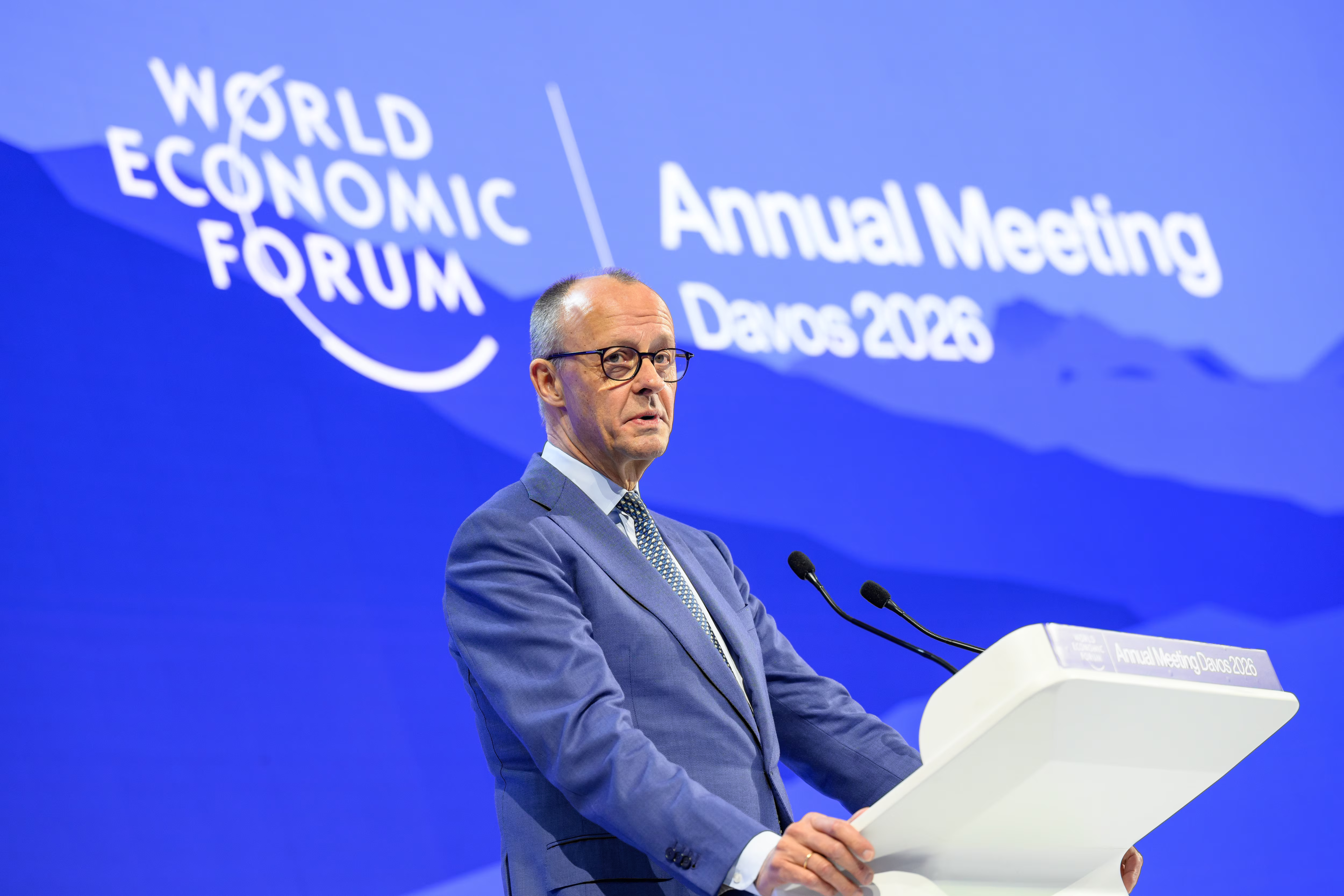
Friedrich Merz's approval rating has collapsed to 13% – the lowest for any German chancellor in nearly three decades of polling . This is not a fleeting opinion dip. It is a verdict on failed governance, broken promises, and an economy that is visibly unravelling before the nation's eyes.
A Record of Discontent
Yet by his first anniversary, growth had barely scraped 0.2% . In April 2026, the government halved its growth forecast to just 0.5% . Now, 78% of Germans say they are dissatisfied with his performance, and 80% reject his coalition government outright . Even among his own CDU supporters, 54% view him negatively .
“Merz took office in May 2025 with pledges of decisive "political change".”
EuroAsia.News, reporting from Berlin
"The government began with relatively high expectations," pollster Peter Matuscheck told EFE. "They were disappointed relatively quickly" . According to the president of the New Social Problem Research Institute, the coalition's decline may now be "irreversible" .
Economic Stagnation and Industrial Collapse
The numbers tell a brutal story. Germany's industrial order book shrank by 3.8% in April 2026 alone . But the real symbol of crisis is Volkswagen, which has announced plans to cut up to 100,000 jobs and close four domestic factories – the largest downsizing in its history . BMW and Mercedes-Benz are also slashing costs; suppliers like Bosch, with 18,500 job cuts planned, are following suit .
Meanwhile, the "Made in Germany" label is quietly relocating. Nearly 1300 medium-sized firms moved production abroad between 2021 and 2023 . This year, 43% of German industrial firms plan to invest overseas – the highest since 2003 – primarily to escape domestic costs .
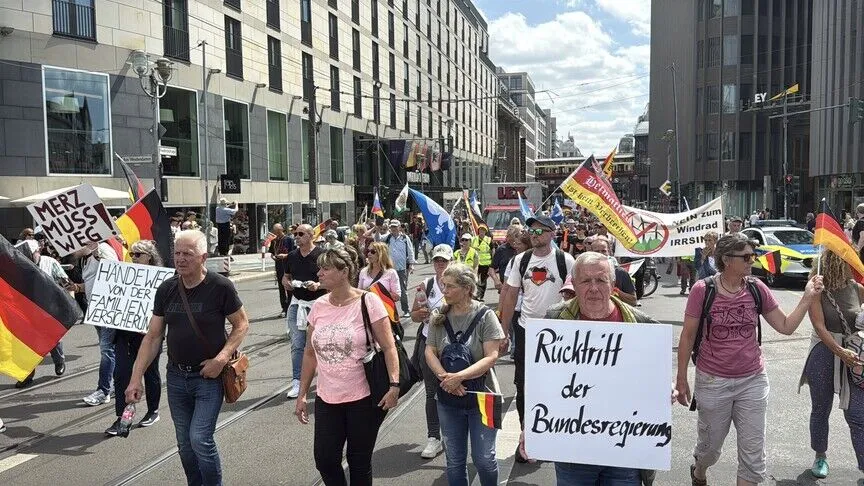
The crisis is bipartisan: SPD supporters show 83% dissatisfaction with Merz, while Green Party supporters hit 92%. Even among far-left and far-right voters, 98% oppose him .
Rhetoric Without Reform
Merz's agenda has focused heavily on defence, pushing to raise military spending to 3.5% of GDP by 2029 . Critics have nicknamed him "Foreign Chancellor" for his international focus while domestic reform lags . An economic reform package unveiled in July promised 34 measures, but experts call them insufficient . The Handelsblatt labelled his first year a "lost year" . As Stefan Kooths of the Kiel Institute observed, "The government has not yet tackled the reforms that are so urgently needed. It has been leaving these tasks aside for almost a year" .
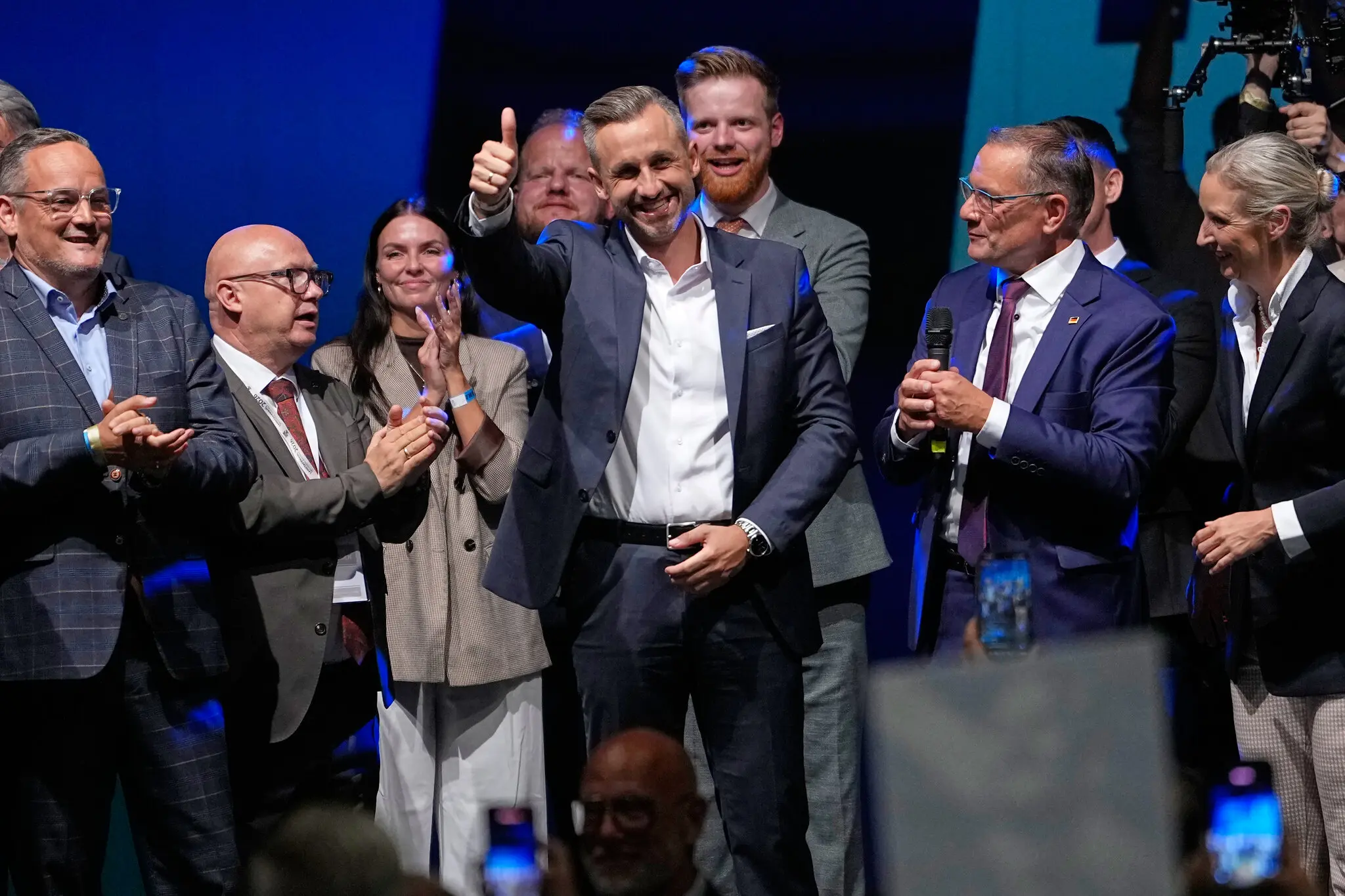
With the far-right AfD now leading the polls at 28%, against the CDU's 20%, and September's state elections looming, Merz's political future appears increasingly precarious . A chancellor approved by barely one in eight Germans cannot govern a country whose industrial base is quietly eroding. It is not a performance crisis – it is a reckoning.