France faces its most serious unrest in years, while President Emmanuel Macron prioritises security measures. Opposition parties accuse his government of failing to address the underlying economic and social crisis.
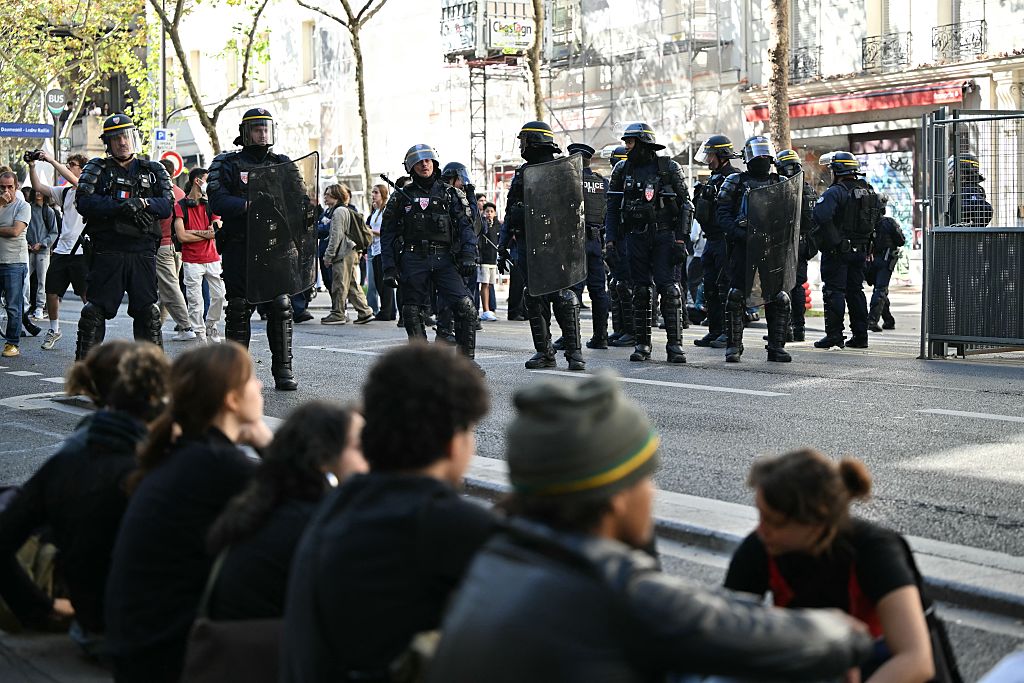
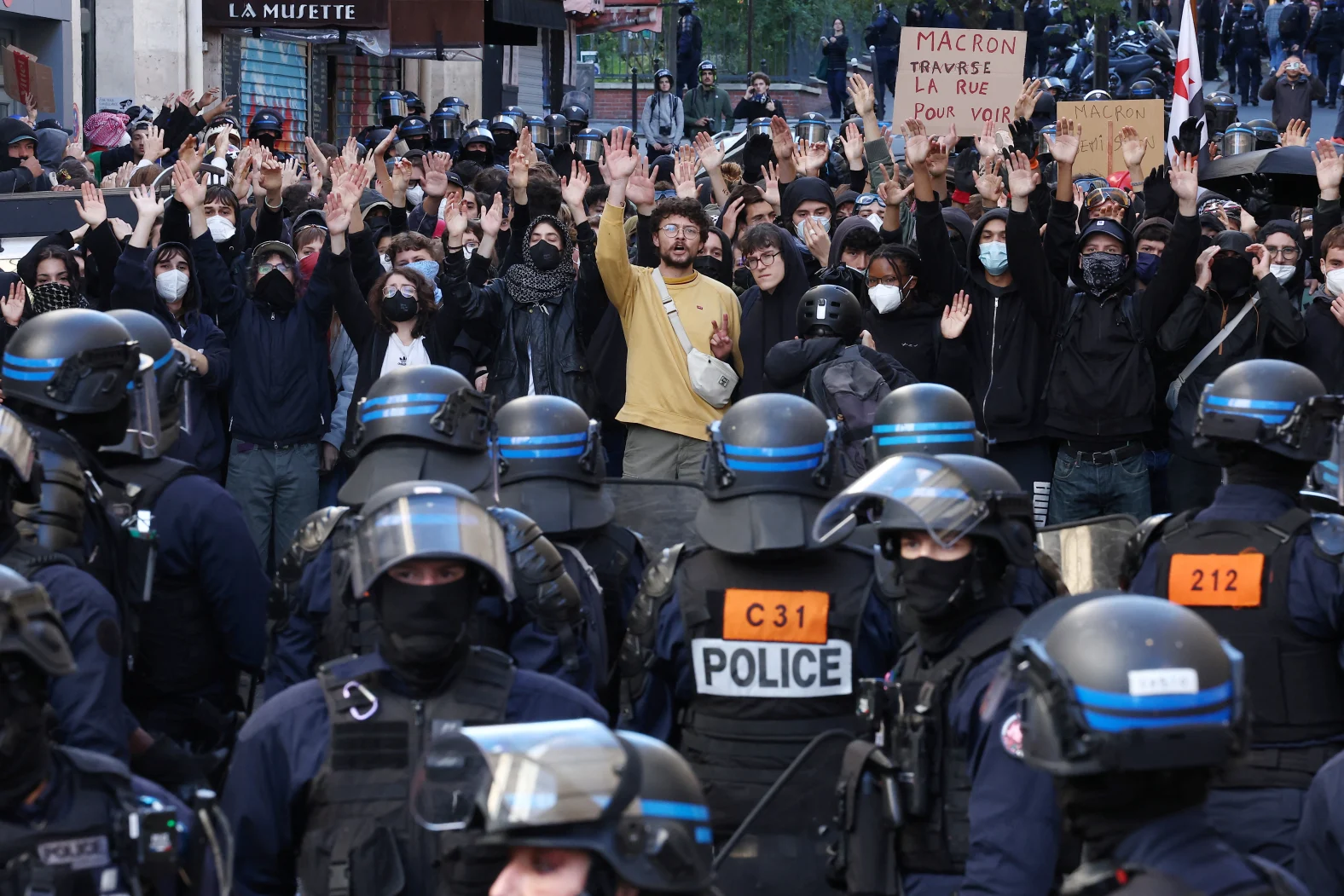
France is facing one of its gravest social crises in decades. Following nationwide demonstrations on 17 October, violent clashes, looting and arson have caused enormous destruction, while President Emmanuel Macron responds primarily with police deployments, curfews and restrictions on protests.
More than 550,000 people participated in demonstrations initially driven by deteriorating school conditions, rising fuel prices and declining purchasing power.
By 21 October, approximately 2,500 people had been taken into police custody, 917 brought before prosecutors and 174 jailed.
At least 3,000 businesses were damaged or looted. Nearly 1,000 police officers, gendarmes and firefighters were injured.
Yet the central question remains: can France solve an economic and social crisis through policing alone?
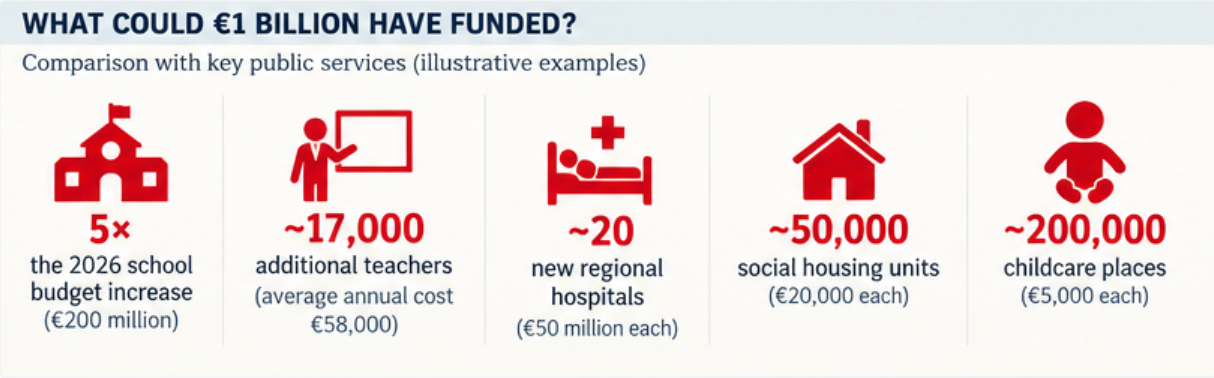
€1 Billion in Damage — Five Times the School Budget Increase
Preliminary assessments suggest the destruction could exceed €1 billion, although insurers have not established a definitive nationwide total.
For comparison, France's Education Ministry announced an additional €200 million for schools in the 2026 budget, alongside nearly 5,900 additional positions.
The potential riot damage is therefore equivalent to five times that budget increase.
Another estimate puts direct damage to secondary-school buildings from the preceding student unrest at €40–50 million.
These are illustrative comparisons, not money automatically transferable between budgets. But they expose the enormous financial cost of allowing social tensions to deteriorate into violence.
The €1 billion estimate also excludes some indirect losses from cancelled events, reduced tourism, disrupted transport and business closures.
Macron's Response: Restore Order First
In his 18 October televised address, Macron condemned the violence and blamed radical far-left groups and criminal opportunists.
He promised an uncompromising response.
Prime Minister Sébastien Lecornu announced additional police deployments and local curfews. Restrictions were introduced in Paris, Lyon, Lille and other cities.
On 22 October, Macron announced further limits on demonstrations considered illegitimate or dangerous, while allowing recognised trade-union protests to continue under security conditions.
He also rejected Interior Minister Laurent Nuñez's offer to resign.
Macron acknowledged public anxiety and instructed Lecornu to consult unions and political parties.
But those consultations have not produced a concrete new economic package.
After meeting the prime minister on 21 October, union leaders reported that no substantive measures addressing their demands had been announced.
The unrest comes after almost a decade of Macron's presidency.
France's public finances have weakened considerably during that period.
Public debt stood near 98% of GDP in 2017. By the end of 2025, it had reached €3.46 trillion, or 115.6% of GDP.
The 2025 deficit amounted to €152.5 billion, equivalent to 5.1% of GDP.
Public expenditure reached 57.2% of GDP, while compulsory levies accounted for 43.6%.
Those figures raise questions about why a country collecting such substantial revenues continues to face complaints about inadequate schools, healthcare and public services.
The pandemic, energy shocks and structural spending pressures explain part of the deterioration. Macron's fiscal and economic choices nevertheless remain legitimate subjects of scrutiny.
How Much Has Repeated Unrest Cost?
France's latest riots are not an isolated episode.
The Yellow Vest protests generated approximately €267 million in insured claims.
The 2023 riots caused roughly €1 billion in material damage.
Violence in New Caledonia in 2024 resulted in estimated damage of €2.2 billion.
Together with the preliminary October 2026 estimate, these episodes represent more than €4 billion in accumulated damage, although the figures use different methodologies and cannot be treated as a single audited bill.
Such expenditure represents resources destroyed rather than invested productively.
And it comes as schools, hospitals and local authorities are demanding additional financing.
Opposition Parties Attack Macron — For Different Reasons
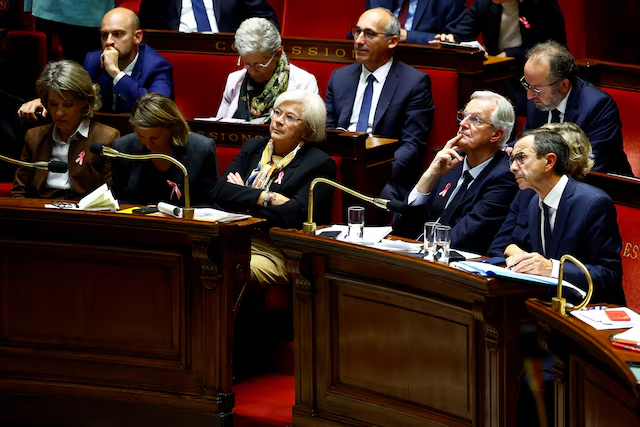
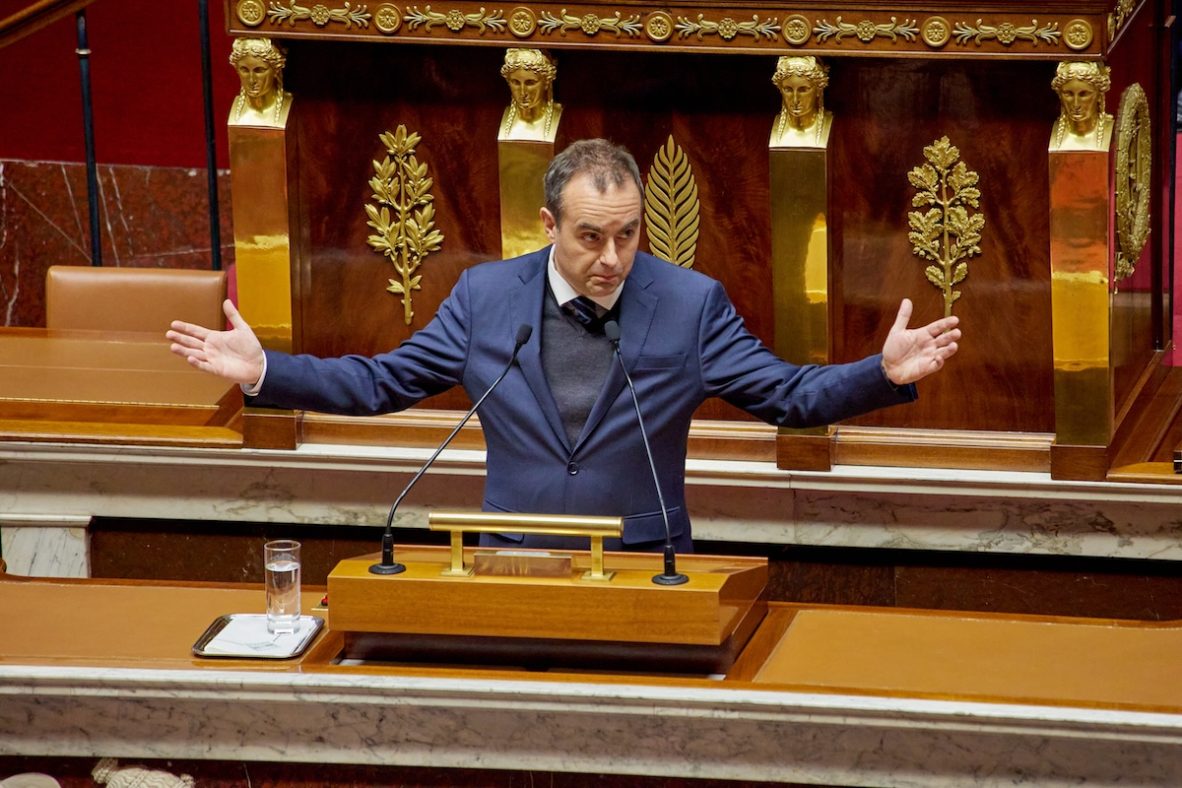
Marine Le Pen and Jordan Bardella's National Rally accuse the government of losing control of public order. They demand stronger security and accountability.
Bruno Retailleau of Les Républicains has called for a state of emergency, arguing that existing measures are inadequate.
From the opposite direction, Jean-Luc Mélenchon's La France Insoumise criticises police violence and says the government has repeatedly failed to address the economic causes of protest.
Mathilde Panot has demanded accountability for serious injuries suffered by demonstrators.
Green leader Marine Tondelier argues that curfews cannot substitute for a political response to social hardship.
Former president François Hollande has criticised the government's weakness, while former prime minister Édouard Philippe has distanced himself from Macron's crisis management.
The opposition is united in criticism but divided over solutions.
Unions Prepare Another National Mobilisation
After unsuccessful negotiations with Lecornu, major unions confirmed plans for nationwide action on 5 November.
CGT leader Sophie Binet called for broader strikes, while more moderate unions also expressed disappointment.
Their demands include improved purchasing power, better public services and action on wages and working conditions.
France's government faces a difficult trade-off: it needs to reduce borrowing while addressing demands for increased social spending.
But repeated consultations without substantive measures risk reinforcing the perception that political leaders are unwilling to reconsider their approach.
France Cannot Arrest Its Way Out of an Economic Crisis
Restoring security is essential. Shopkeepers, workers and residents should not have to endure violence or destruction.
But protecting businesses and arresting rioters do not resolve the economic grievances that brought hundreds of thousands into the streets.
The government must distinguish peaceful protesters from those responsible for criminal acts while presenting a credible programme addressing living costs, schools and public services.
France has already spent billions repairing damage from repeated unrest. The question is whether its leaders are prepared to address the causes of public dissatisfaction before the next crisis creates another enormous bill.
Without a credible political and economic response, more police may restore temporary calm but not solving the core problems.